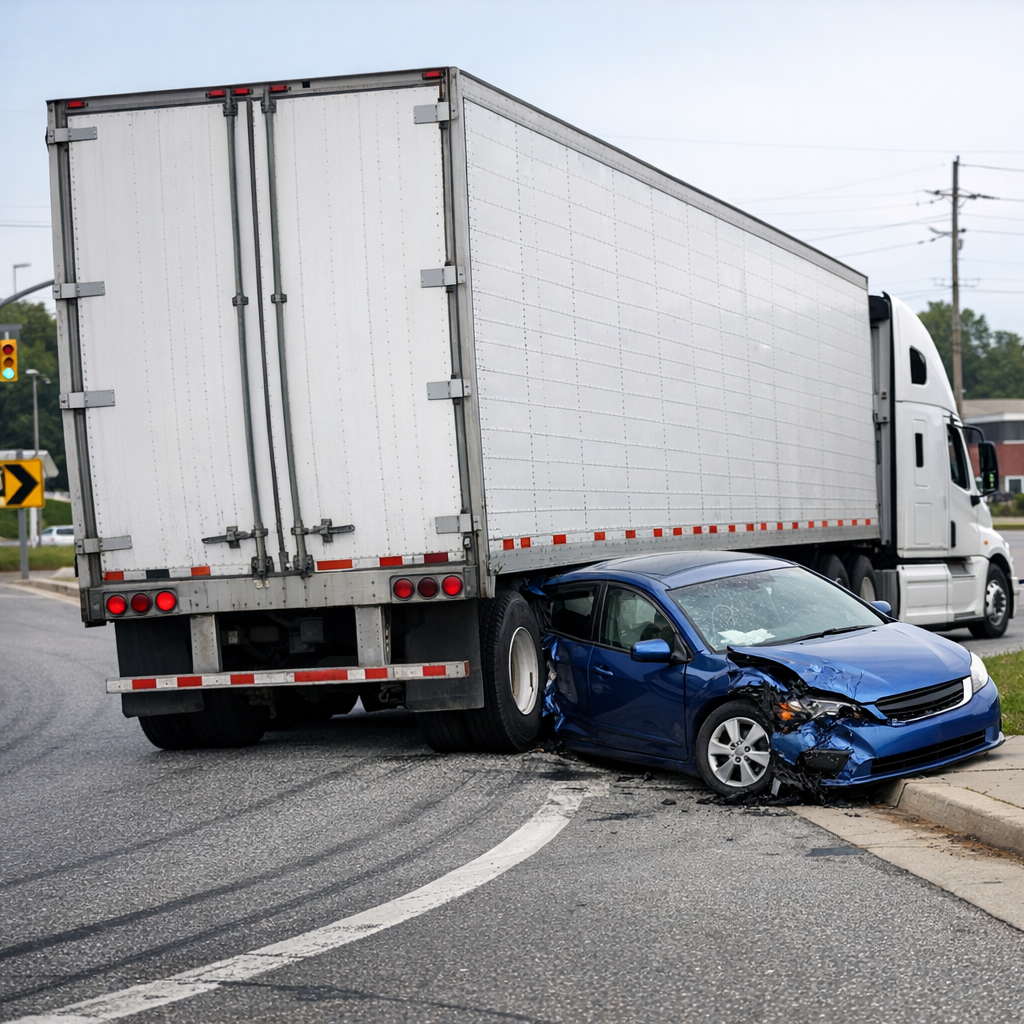
Wide Turns and Truck Collisions
Wide turns are a common maneuver performed by large trucks due to their size and design. These turns, while necessary, have significant implications for road safety. Understanding the dynamics of wide turns and how they relate to truck collisions provides insight into the challenges faced in mixed-traffic environments where large and smaller vehicles share the road.
The Dynamics Behind Wide Turns
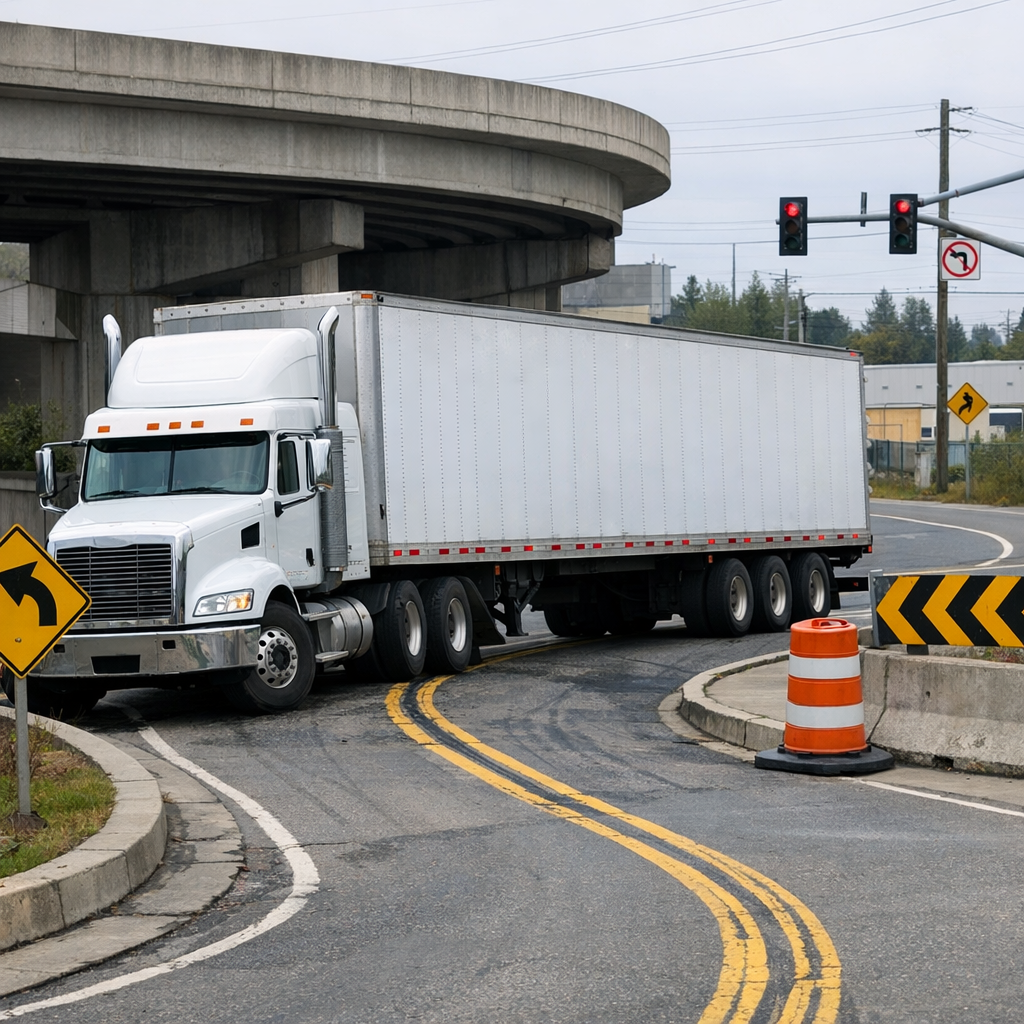
Wide turns occur primarily because of the physical length and articulation of trucks. A typical tractor-trailer combination can exceed 70 feet in length. When making a right or left turn, the rear wheels of the truck do not follow the same path as the front wheels. This phenomenon, known as off-tracking or “cut-in,” results in the rear portion of the vehicle moving closer to adjacent lanes or curbs during the turning process.
In order to navigate turns safely, truck drivers often begin their maneuver by steering wide, sometimes encroaching on an adjacent lane or using more roadway space than smaller vehicles. This driving pattern contrasts sharply with passenger cars, which have shorter wheelbases and less restrictive turning radii. As a result, trucks require more time and space to complete their turns, often appearing to swing wide at intersections and corners.
How Wide Turns Contribute to Truck Collisions
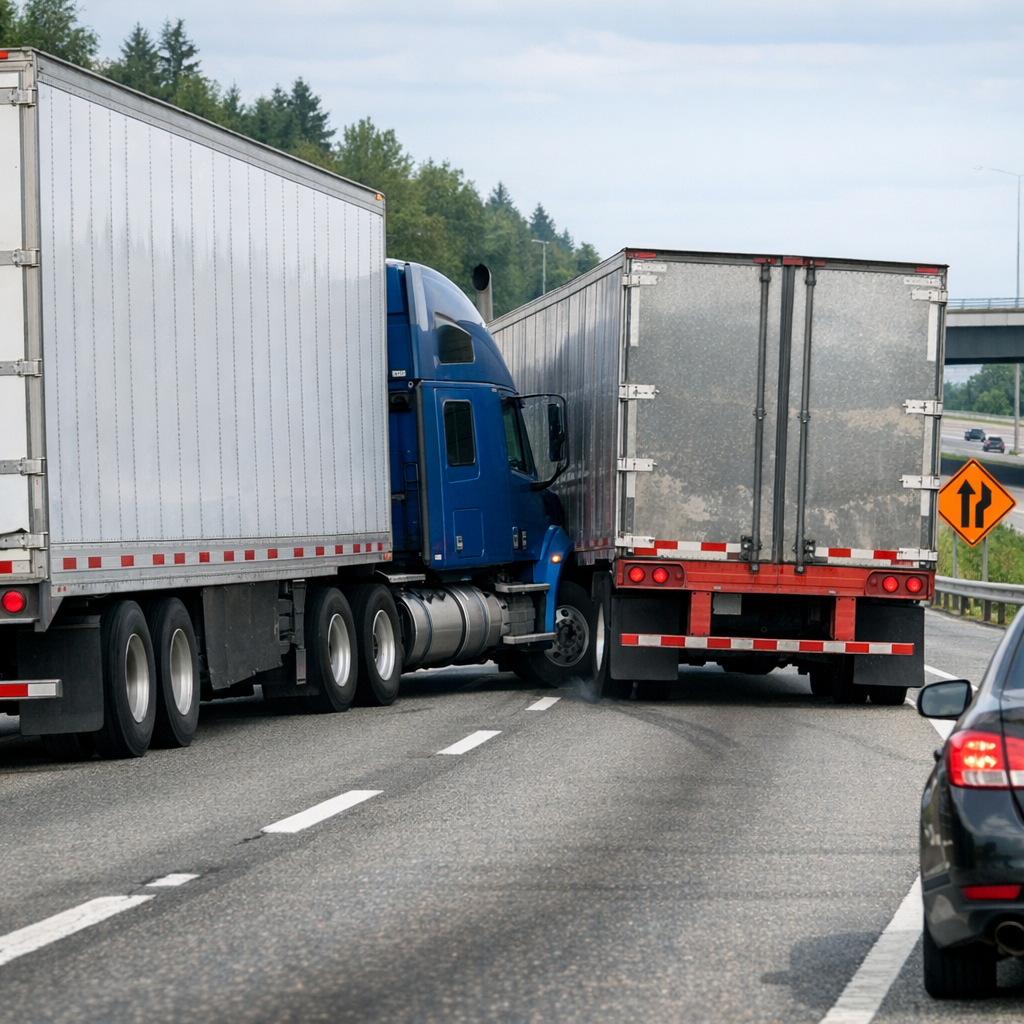
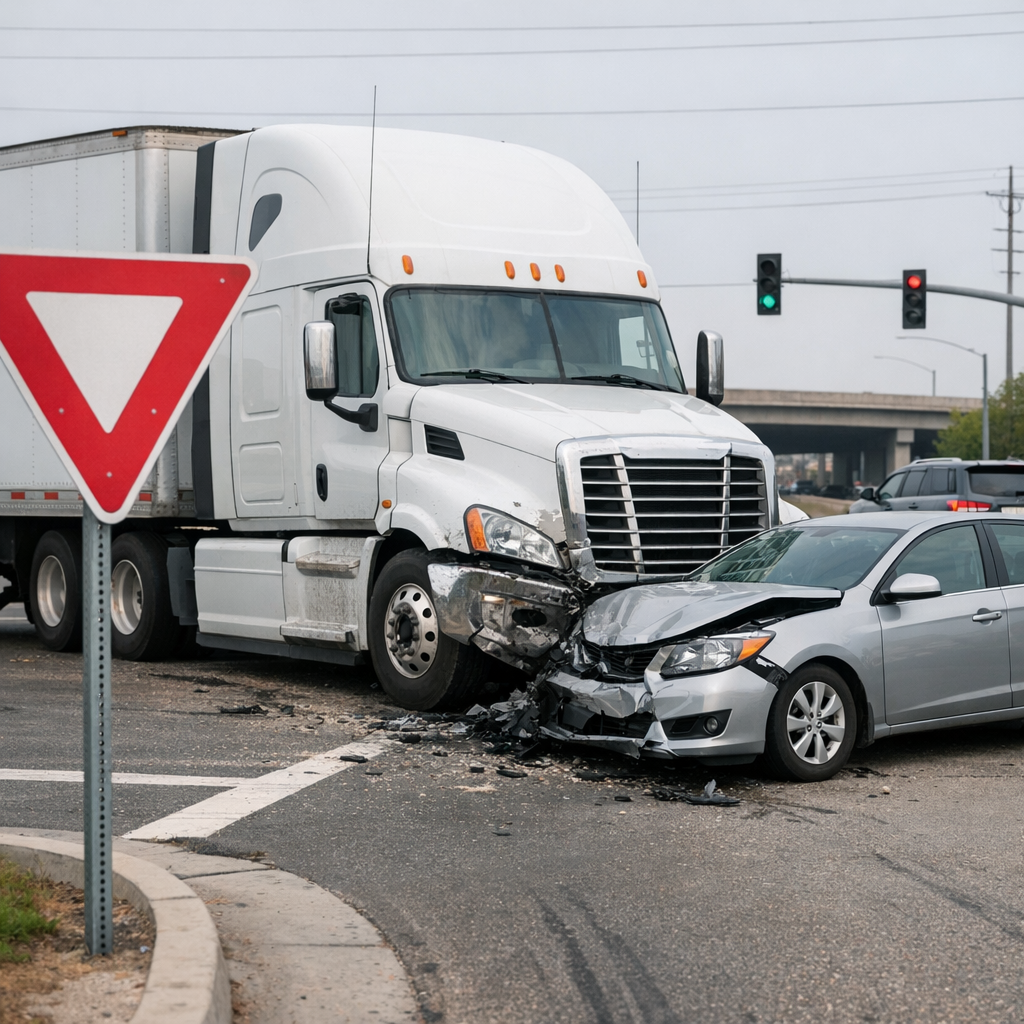
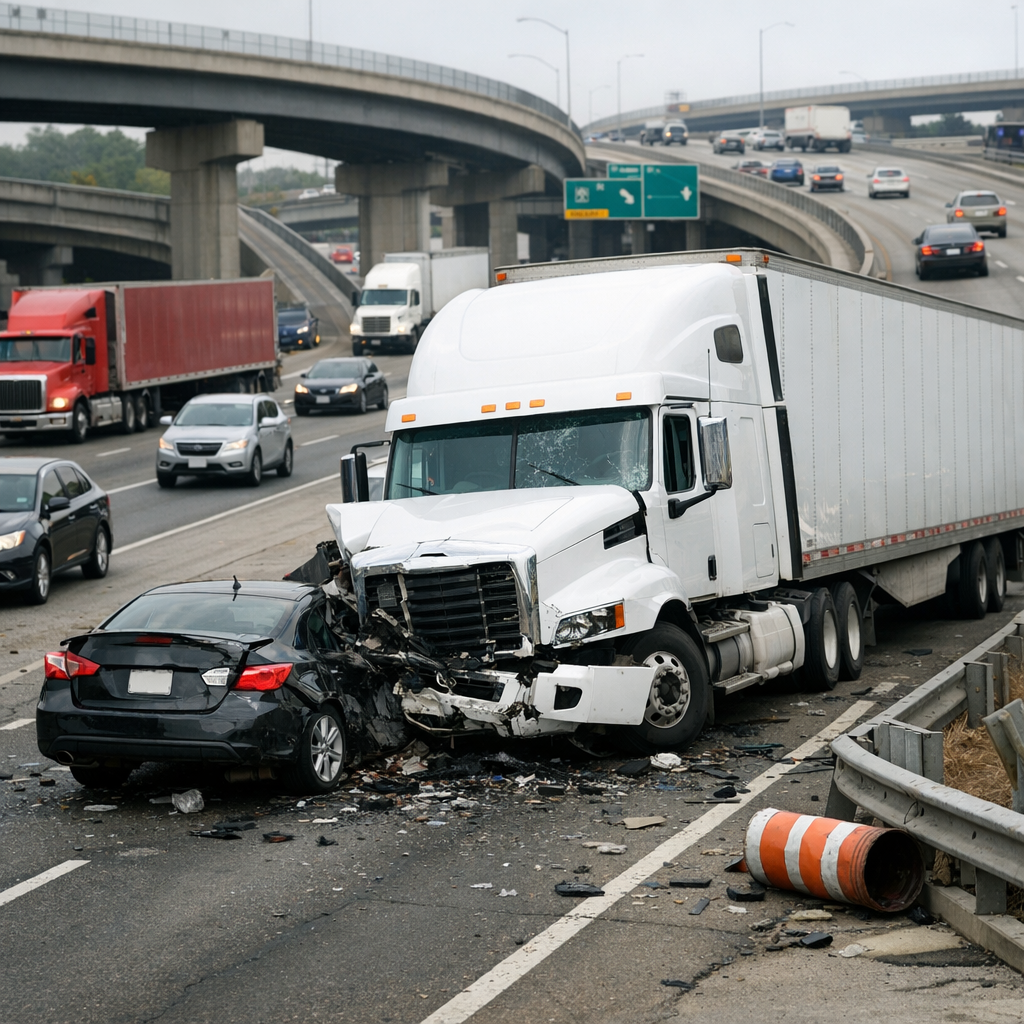
The complexity of wide turns can create hazardous interactions with other road users. One key factor is the limited visibility around large trucks. Blind spots, frequently referred to as “no-zones,” overlap with the areas trucks occupy when making wide turns. Vehicles traveling or positioned near these blind spots may be at risk of being clipped or struck during the truck’s turning motion.
Additionally, the misinterpretation of a truck’s turning intentions by other drivers or pedestrians plays a role in collisions. A passenger vehicle attempting to pass a truck on the right side during a right turn can dangerously find itself in the truck’s path. Conversely, pedestrians or cyclists near intersections may misjudge the safe distance from a turning truck, leading to close calls or collisions.
The momentum and mass of large trucks also factor into how wide turn collisions occur. Due to their weight and inertia, trucks cannot stop or maneuver abruptly if an object or individual enters their turning radius unexpectedly. This limitation increases the severity of any collision that does occur during a wide turn maneuver.
Real-World Significance of Wide Turn Truck Crashes
Wide turns truck collisions have tangible impacts on road safety statistics and community well-being. These incidents often occur at urban intersections where trucks must negotiate tight corners that challenge their turning radius. Cities with frequent mixed-use traffic and large delivery activities commonly see a higher number of collisions linked with wide turns.
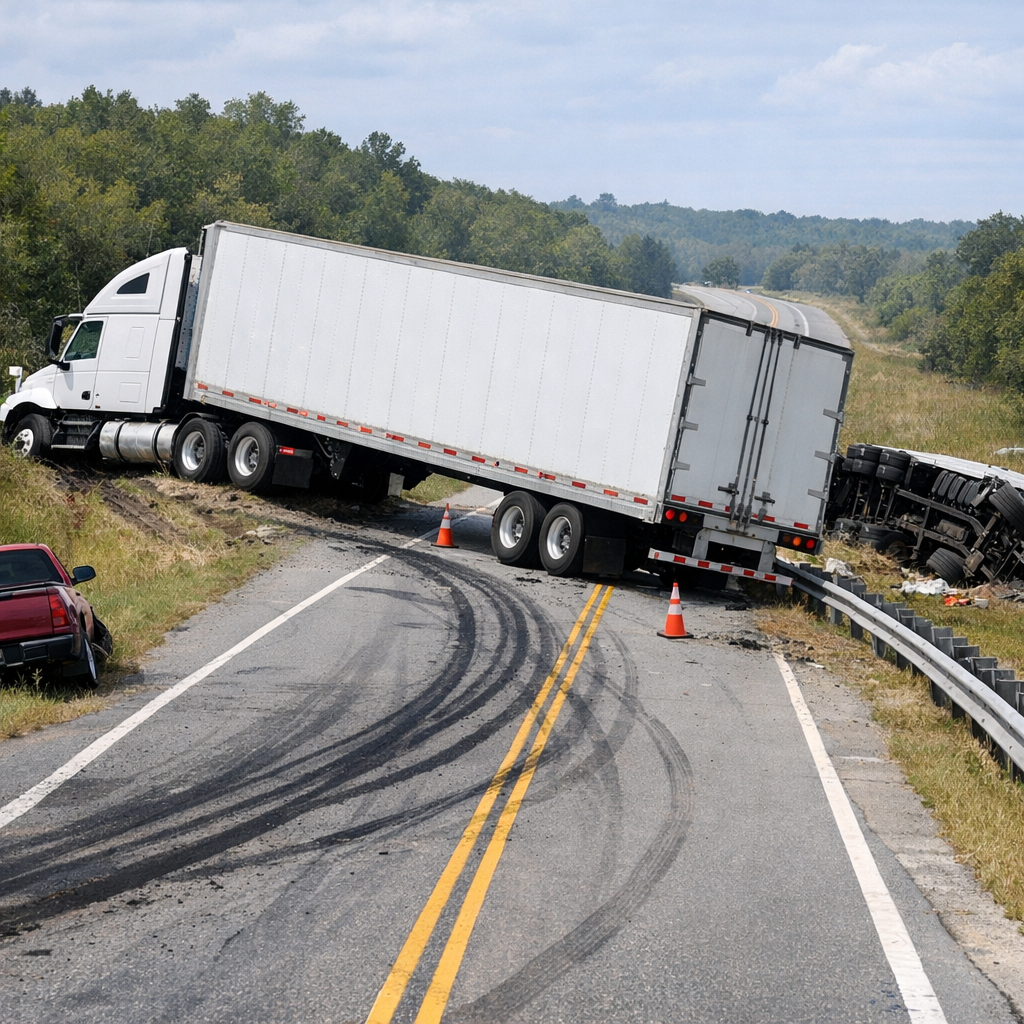
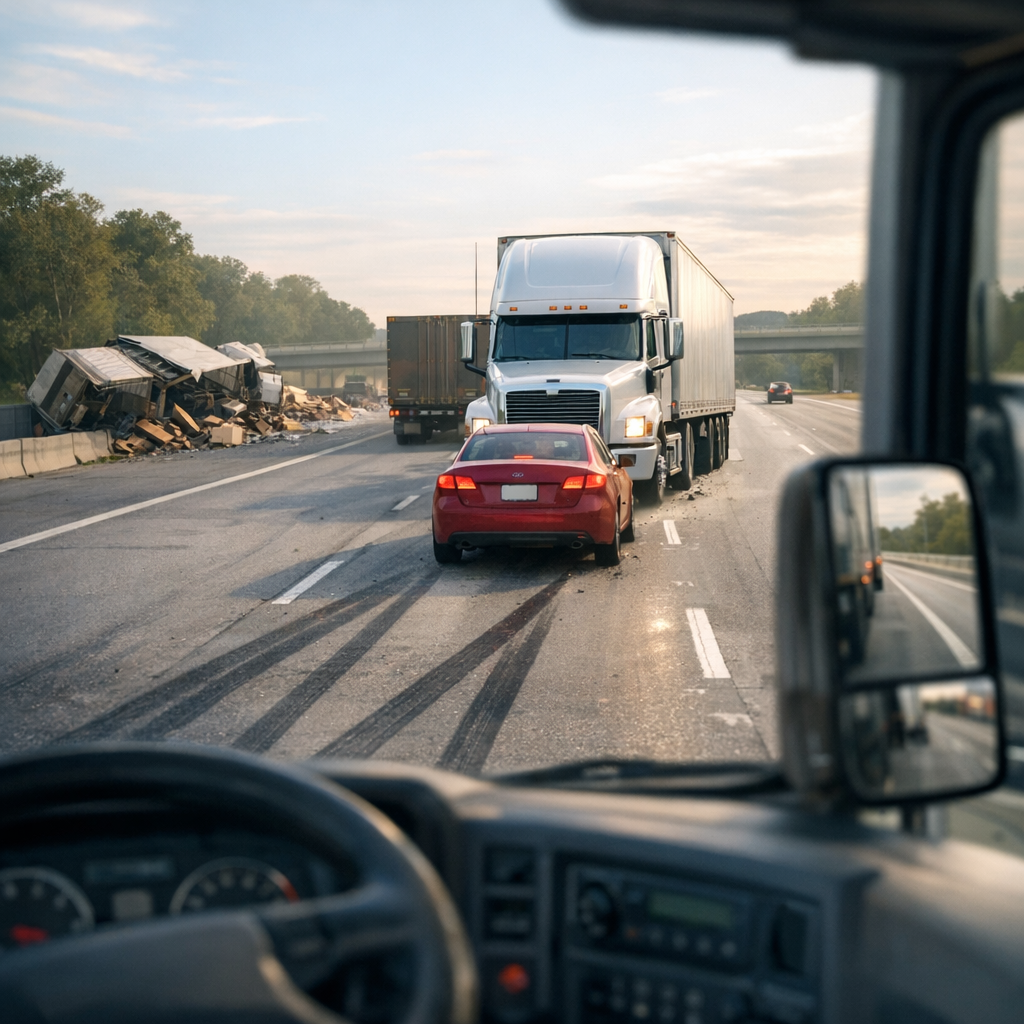
The consequences of crashes involving trucks and other road users are often severe because of the size and mass disparity. Injuries sustained in collisions during wide turns can be particularly grave for occupants of passenger vehicles, cyclists, and pedestrians. Emergency response and recovery efforts are frequently more complex, reflecting the seriousness of such events.
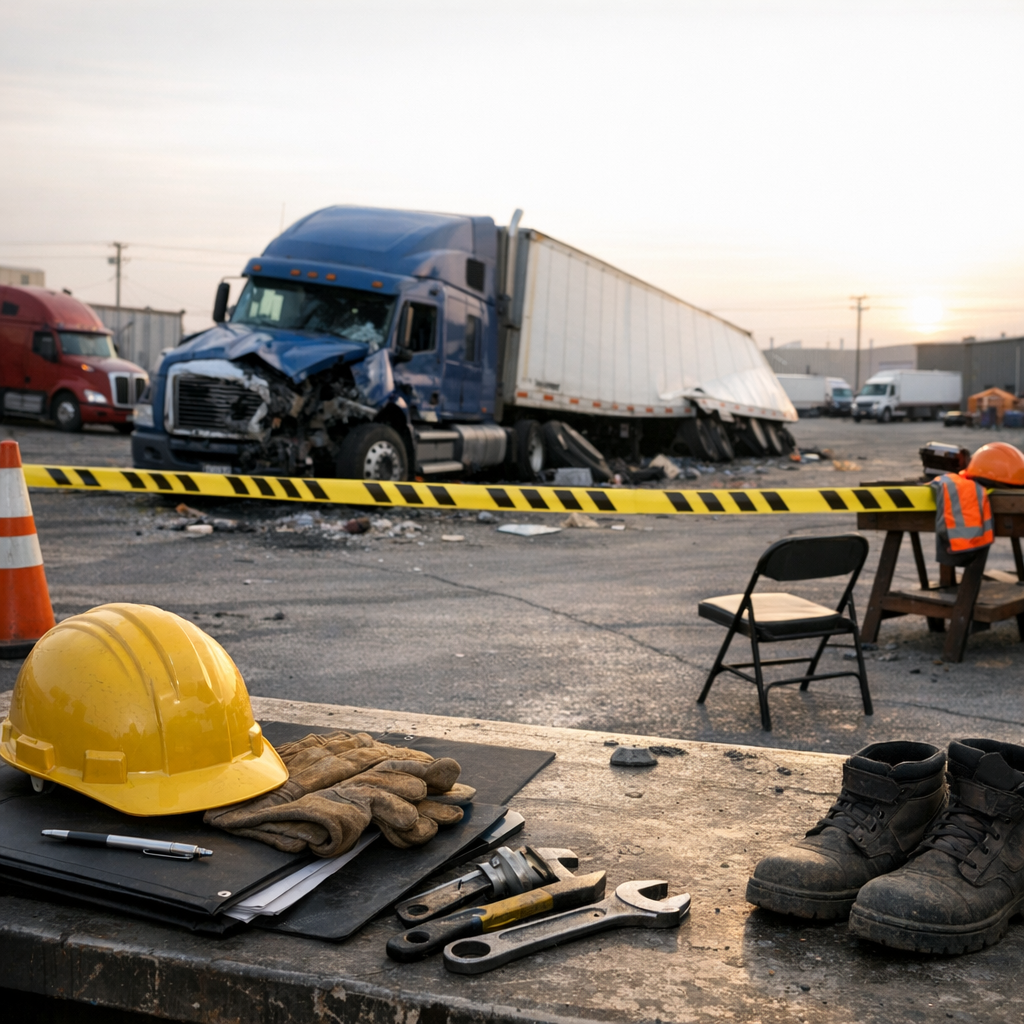
Traffic flow and urban mobility are also affected by wide turn truck collisions. Such incidents may cause significant disruptions, as the clearance of vehicles involved in wide turn crashes can take longer than for smaller vehicle collisions. This factor contributes to congestion and delays in areas where truck operations and pedestrian or local traffic intersect.
Reflecting on Wide Turns and Road Interaction
Wide turns are a fundamental aspect of truck operation rooted in the physical realities of large vehicle design and movement. While these maneuvers can present challenges on public roads, they reflect the operational requirements of freight and logistics systems that underpin modern economies.
Understanding the mechanics and risks associated with wide turns informs the broader discourse on road use and transportation systems. It highlights the intersection of vehicle design, driver behavior, and urban infrastructure. The complex interplay between these factors shapes the conditions under which wide turns truck collisions may happen.
The study of wide turns and their role in truck collisions continues to evolve as data, technology, and urban planning methods change. Perspectives gained from these insights contribute to ongoing conversations about roadway design and traffic management, emphasizing the need for compatibility between varying vehicle types and traffic environments.