Coping After a Fatal Big Rig Accident
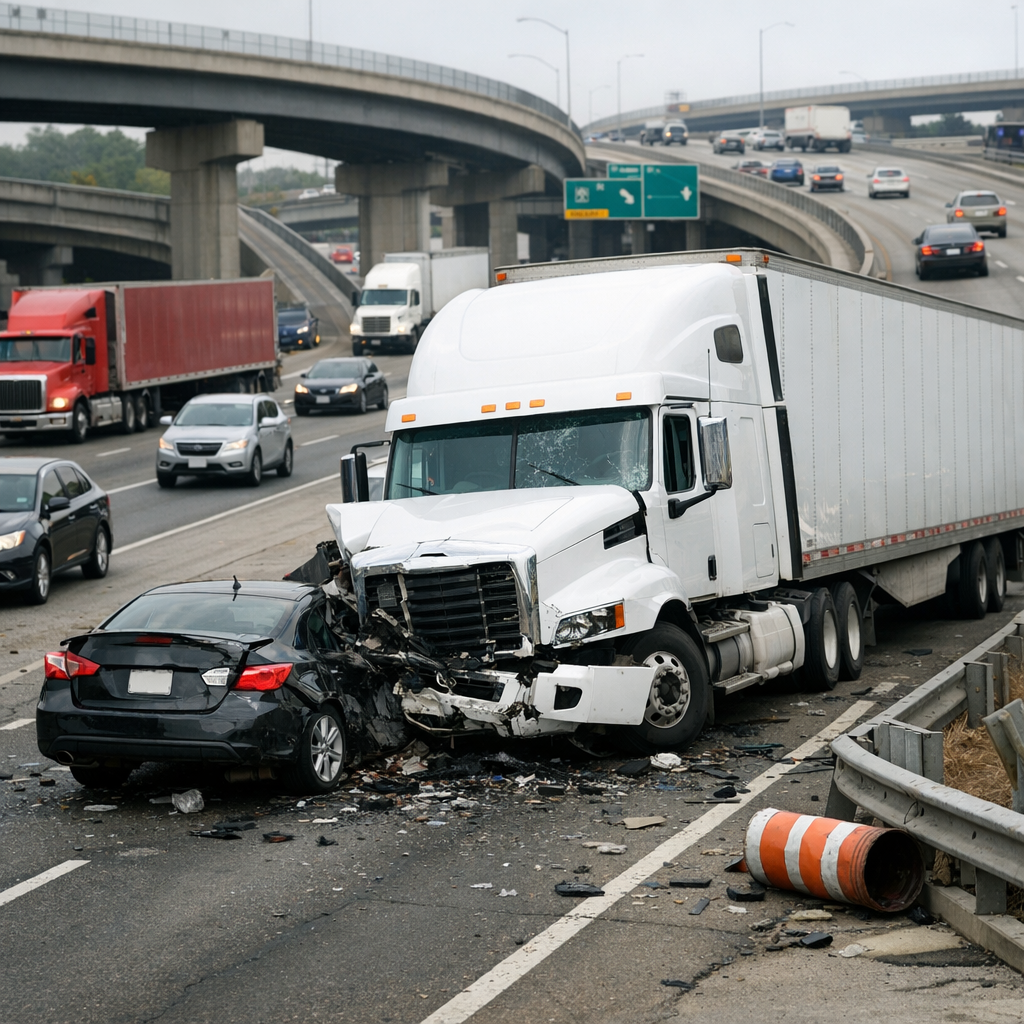
Fatal accidents involving big rigs are tragic events that leave a profound mark on the lives of those affected. These incidents are often sudden and devastating, disrupting the normal course of life without warning. The gravity of such accidents extends beyond the immediate moment, influencing the emotional and practical realities faced by families and loved ones.
The Weight of Loss in Fatal Accidents
Experiencing a fatal accident related to a big rig can be overwhelming. The seriousness of these occurrences is apparent not only in the physical consequences but also in the lasting emotional and psychological effects. The sudden loss of a family member or friend in such an accident brings a deep sense of sorrow and shock. Recognizing this initial impact is essential to understanding the journey of coping that follows.
The scale of big rig accidents, often involving large vehicles and complex circumstances, adds to the complexity of the loss. Families may find themselves grappling with the unexpected nature of the tragedy as well as the broader implications for their daily lives and future plans.
The Impact on Families and Loved Ones
When a fatal big rig accident occurs, the ripple effects extend widely. Families and close friends experience not only grief but also a disruption of their support networks and routines. The emotional impact can be intense, with individuals feeling a range of responses including sadness, confusion, and sometimes isolation.
Loved ones often encounter a difficult period of adjustment as they come to terms with the absence of someone who played a significant role in their lives. Relationships within families may be tested, as each person copes differently with the same loss. Understanding that this variability in response is normal can be an important part of the healing process.
Beyond the immediate family, communities connected to the deceased may also feel the strain. Colleagues, neighbors, and others affected by the accident may share in the mourning, reflecting the broader social dimension of fatal accidents involving big rigs.
Emotional and Practical Challenges in Coping
The path forward after a fatal big rig accident includes navigating numerous emotional and practical challenges. Emotionally, those left behind may encounter feelings such as grief, anger, guilt, and confusion. These feelings do not follow a linear timeline and can fluctuate over time, sometimes resurfacing unexpectedly.
In addition to emotional responses, practical matters often demand attention. The sudden loss can lead to unexpected responsibilities, including managing personal affairs, addressing financial concerns, and coordinating memorial arrangements. These tasks, undertaken while coping with grief, can be particularly daunting.
Adapting to life without the presence of the deceased involves not only handling immediate practicalities but also gradually reshaping daily routines and future expectations. This process may require finding new sources of support, whether from personal relationships or community resources tailored to grief and loss.
Recognizing the importance of self-care during this time is equally significant. Allowing space for reflection and adjustment helps individuals to gradually come to terms with their experience. It is common for people to seek comfort in different ways, and patience with oneself and with others during this time can provide a measure of relief.
Approaching the Journey with Respect and Understanding
Coping with the aftermath of a fatal big rig accident is a deeply personal experience. While every individual’s journey is unique, approaching this process with compassion and respect for one’s feelings can be beneficial. The seriousness of such accidents calls for a gentle acknowledgment of the profound impact they have on the lives touched by loss.
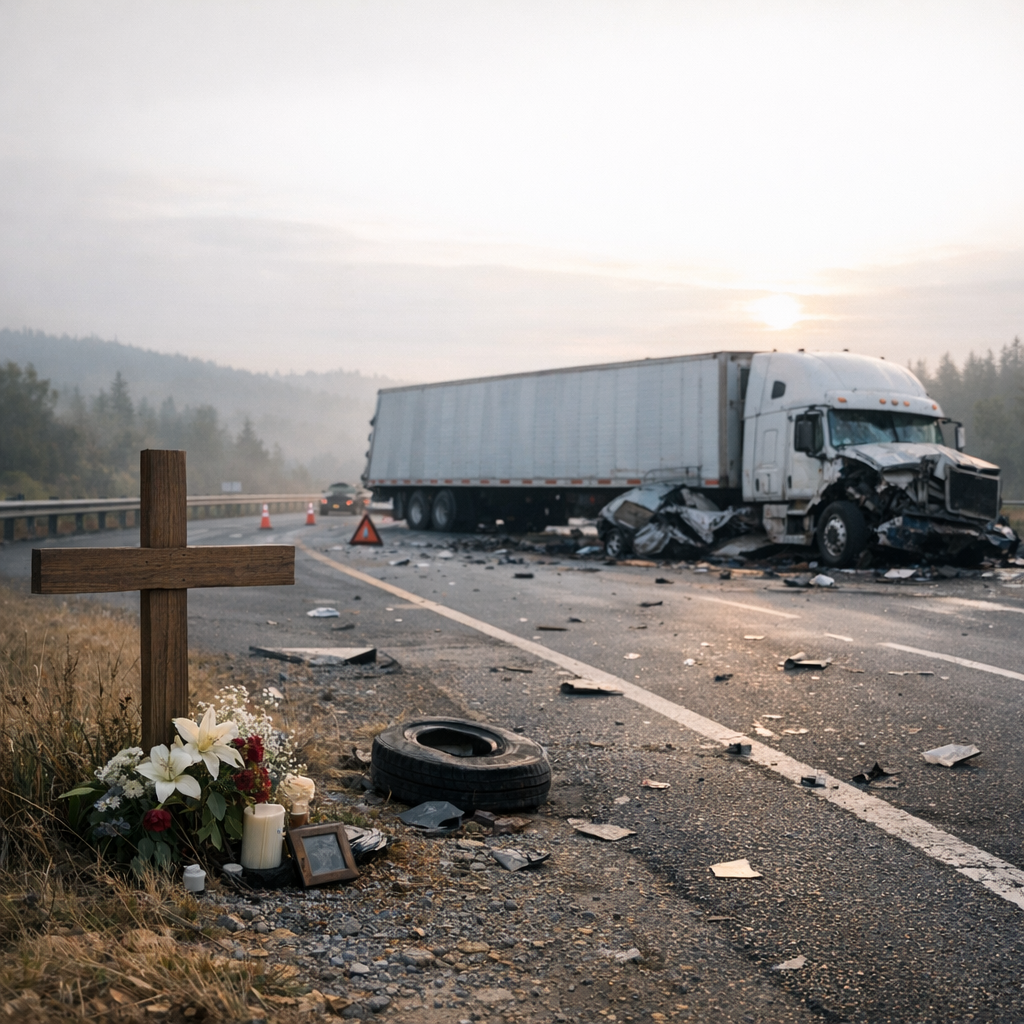
Gradually, those affected may find ways to integrate the memory of their loved one into their ongoing lives. This does not diminish the significance of their absence but helps in forming a new sense of normalcy. Through time and reflection, the intensity of the immediate aftermath often lessens, allowing space for healing.
In closing, coping after a fatal big rig accident is a challenging and sensitive process. It involves managing complex emotions and practical realities while honoring the memory of those lost. This period calls for patience, understanding, and a thoughtful approach, recognizing the depth of the experience without prescribing specific outcomes.