Nerve Compression Injuries from Truck Crashes
Understanding Nerve Compression Injuries in Truck Crashes
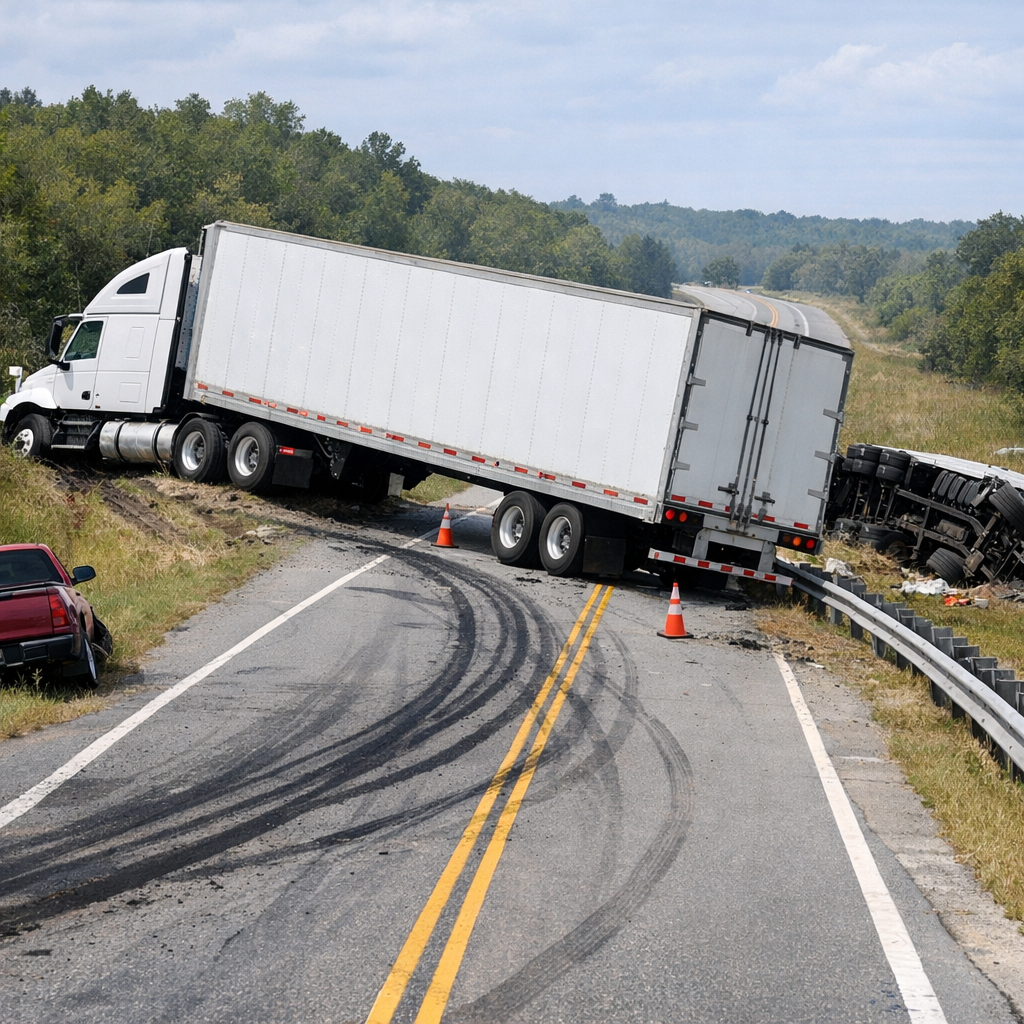
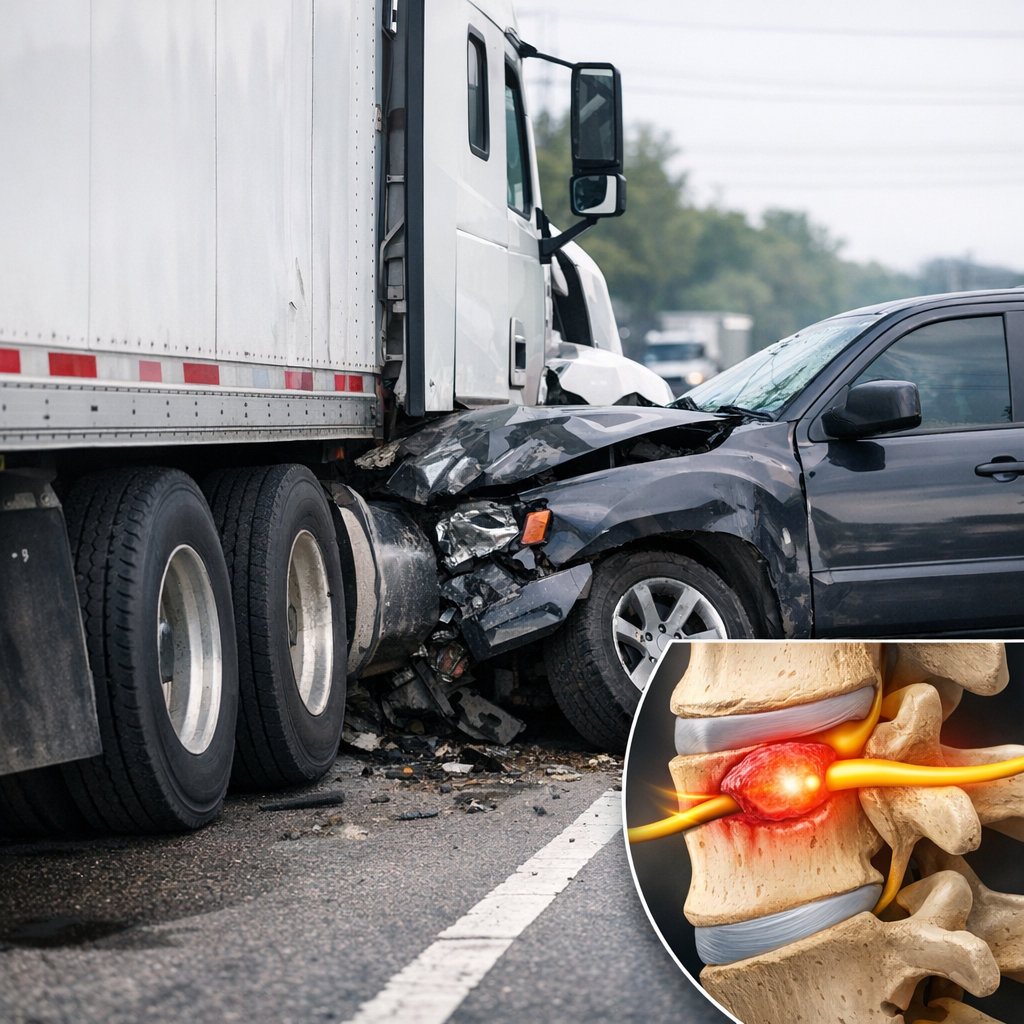
Nerve compression injuries are a significant concern following truck crashes due to the intense forces involved in such incidents. These injuries occur when nerves are subjected to prolonged pressure or are pinched by surrounding tissues such as muscles, bones, or cartilage. In the context of a truck crash, this pressure can result from impact forces, swelling, or fractures that alter the alignment of the spine or limbs.
The large size and weight of trucks often lead to high-impact collisions that can cause complex musculoskeletal injuries. Nerves, being delicate structures, may become compressed either at the site of the crash-related trauma or as a secondary effect of inflammation and scar tissue development. Commonly affected areas include the spinal nerves, peripheral nerves in the limbs, and the brachial plexus (a network of nerves near the shoulder).
Symptoms of nerve compression following a truck crash might include numbness, tingling, weakness, or pain in the affected area. The severity of these symptoms depends on the extent and location of the compression, as well as the duration for which the nerve remains under pressure.
Effects of Nerve Compression Injuries on Daily Life Over Time
The impact of nerve compression injuries on daily life can vary widely among individuals. Some may experience temporary discomfort or mild functional limitations, while others face prolonged challenges that affect multiple aspects of their routine.
Pain and sensory disturbances may interfere with the ability to perform everyday tasks. Simple activities such as gripping objects, walking, or maintaining posture can become difficult, especially if motor nerves are involved. Over time, muscle weakness caused by nerve compression can contribute to reduced coordination and increased fatigue.
Chronic nerve compression may lead to lasting changes in sensation, including persistent numbness or a burning sensation. These alterations can affect balance and increase the risk of falls or accidental injuries. Additionally, nerve compression in the spinal region might influence bladder or bowel control depending on the severity and location, which can further complicate daily living.
Adjusting to these changes often requires adaptations in lifestyle and work habits. Individuals may find themselves unable to engage in previous physical activities or occupations that demand fine motor skills or prolonged physical exertion. This gradual shift can affect both independence and social interactions over time.
Common Concerns Related to Nerve Compression in Truck Crash Injuries
People experiencing nerve compression injuries from truck crashes often have concerns related to the progression and management of symptoms. One common worry is the potential for irreversible nerve damage if compression persists without relief. Nerves that remain pinched for extended periods may suffer from loss of function, leading to muscle atrophy or permanent sensory deficits.
Another concern involves the unpredictability of recovery. Some individuals may notice improvement within weeks or months, while others face ongoing symptoms that fluctuate or worsen. The complexity of injuries sustained in truck crashes, which may include fractures, soft tissue damage, and inflammation, contributes to this variability.
The effectiveness of various interventions to address nerve compression is also a frequent topic of discussion. Because nerve healing can be slow and influenced by numerous factors, patience and monitoring are often necessary to understand the long-term outlook. Concerns about pain management, mobility, and the ability to perform usual activities can shape a person’s outlook during recovery.
Additionally, psychological effects such as frustration or anxiety about physical limitations are common. Adjusting to changes in sensation or motor function can impact mental wellbeing, making comprehensive care and support important components of dealing with nerve compression injuries from truck crashes.
Informational Overview
Nerve compression injuries resulting from truck crashes represent a complex medical issue influenced by the force of impact and the nature of injury to surrounding tissues. These injuries may involve sensory and motor symptoms that can affect a person’s daily functioning over time. The progression and recovery vary significantly among individuals, and the presence of other injuries often complicates outcomes.
Understanding these injuries involves recognizing the physical changes that occur when nerves are pinched, as well as the practical implications for everyday tasks. While nerve compression can lead to long-term changes in sensation and strength, the course of symptoms may fluctuate. Awareness of common concerns surrounding these injuries provides insight into the challenges involved without presuming specific results or interventions.
A measured and descriptive examination of nerve compression injuries from truck crashes highlights the importance of ongoing evaluation and comprehensive understanding of how such injuries manifest and evolve. This perspective contributes to informed and balanced discussions about the impact of nerve compression truck incidents on health and daily life.