Driver Error in Semi Truck Crashes
Semi truck crashes are complex events often resulting from a combination of factors. Among these, driver error in semi crashes plays a significant role. Understanding what driver error entails, how it manifests, and why it is critical in the context of semi truck incidents is essential for grasping the dynamics behind many truck-related collisions.
Educational Overview
Driver error in semi truck crashes refers to mistakes or lapses in judgment made by the truck driver that contribute to the occurrence or severity of an accident. Unlike mechanical failures or external conditions, such errors are human factors that directly influence vehicle control and safety. These errors can range from momentary distractions to more serious misjudgments, each carrying different consequences on the road.
In the semi truck context, driver error becomes particularly impactful because of the vehicle’s size, weight, and operational complexity. Semi trucks require specialized skills for safe maneuvering, and any lapse can quickly escalate into dangerous situations, given the limited stopping distance and the potential for catastrophic outcomes.
The scope of driver errors in semi truck crashes also extends to fatigue, improper decision-making, and failure to comply with traffic laws. Each of these errors interacts with the vehicle’s mechanics and road environment, making driver error a central theme in crash investigations and safety studies.
How Driver Error Works in Semi Truck Crashes
Cognitive and Perceptual Errors
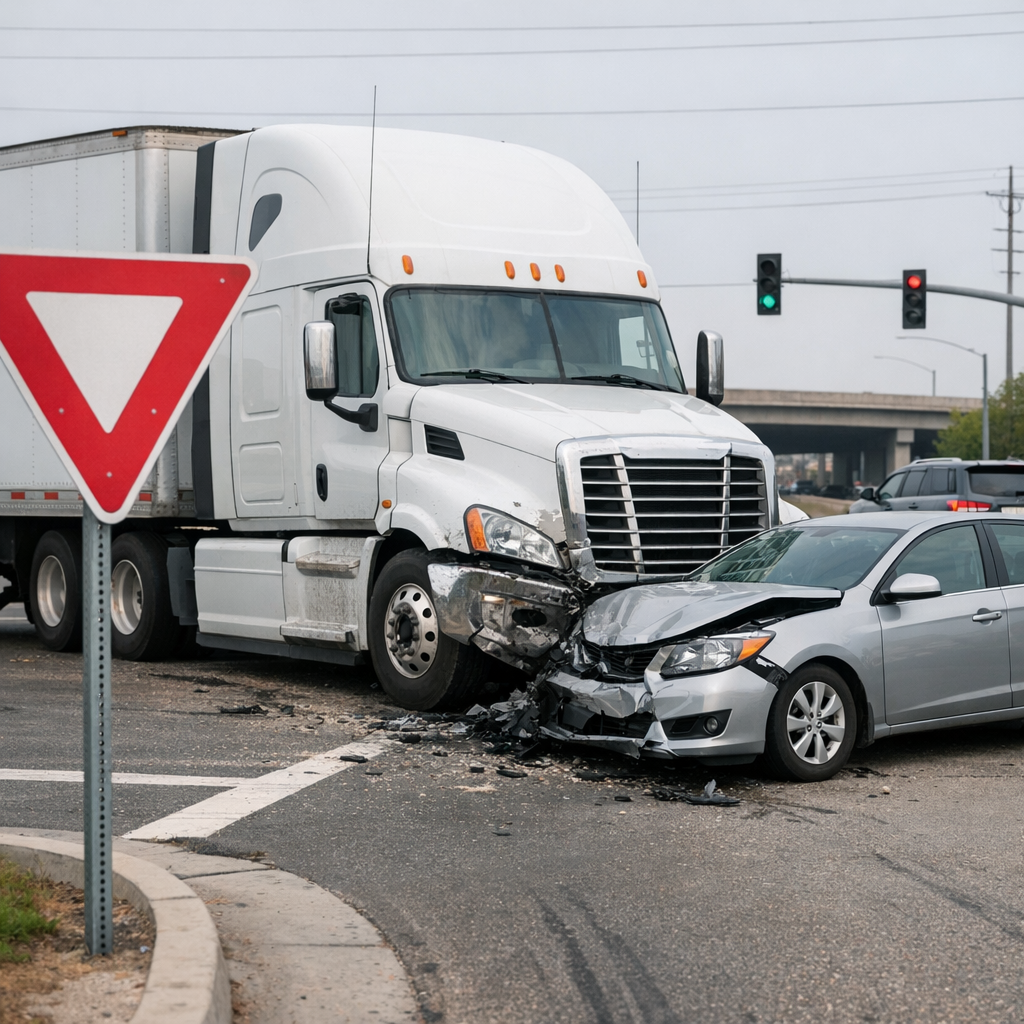
At the heart of driver error in semi crashes lies cognitive processing. Errors often begin with how information is perceived and processed by the driver. For example, misjudging the speed or distance of other vehicles can lead to unsafe lane changes or failure to maintain proper following distances. Perceptual errors may also include misunderstanding traffic signals or road signs, particularly in complex driving environments such as intersections or highway merges.
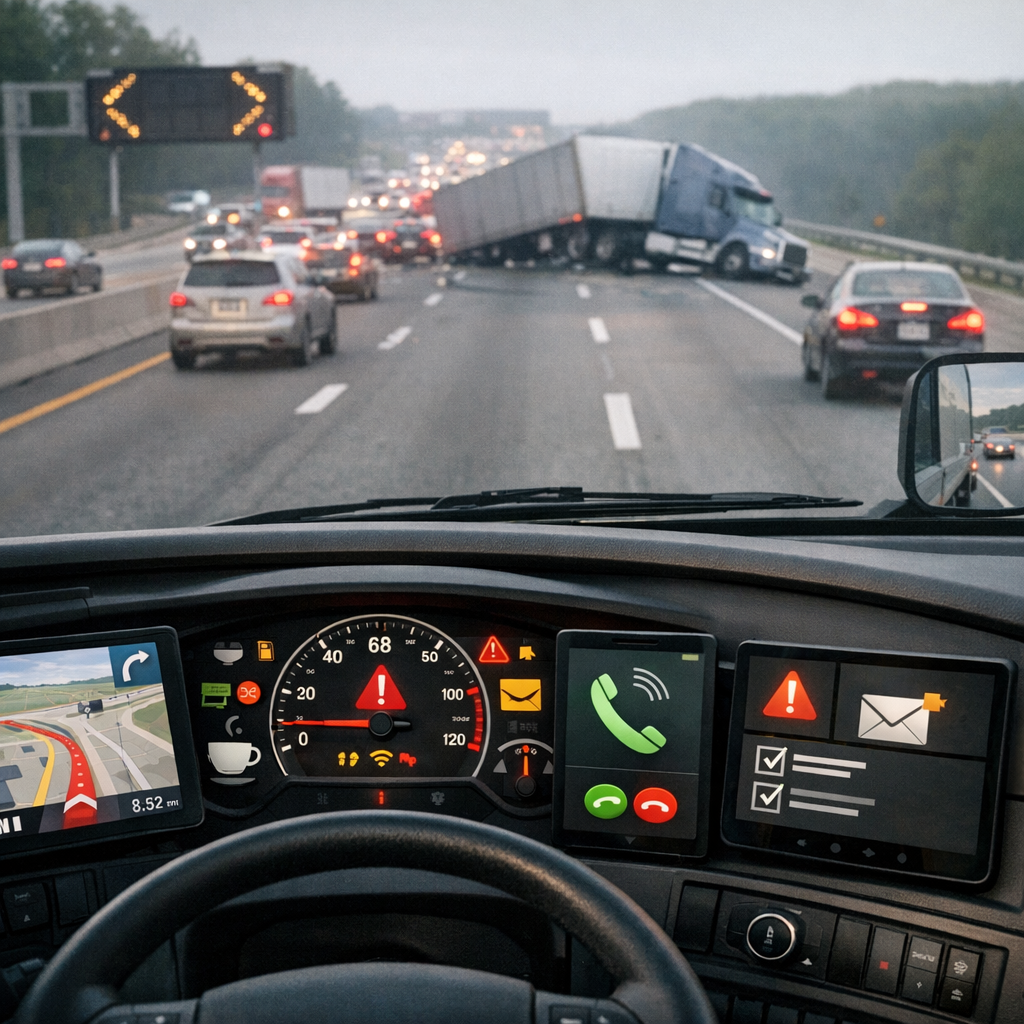
Cognitive overload or distractions worsen these errors. The presence of mobile devices, GPS navigation systems, or even routine onboard tasks can detract attention from the road. Because semi trucks require constant vigilance for surrounding traffic and road conditions, momentary inattention or delayed reaction times can precipitate serious crashes.
Fatigue and Physical Limitations
Driver fatigue is a prominent type of error in semi truck crashes. Extended hours of driving, irregular sleep schedules, and demanding routes contribute to decreased alertness and slower cognitive function. When fatigue sets in, drivers may experience microsleeps, impaired decision-making, and diminished situational awareness.
This layer of human error is particularly hazardous for semi trucks, where reaction time is critical. The vehicle’s longer stopping distances and handling characteristics leave little margin for the mistakes induced by tiredness. These errors often manifest as failure to brake in time, drifting out of lanes, or missing important traffic instructions.
Judgment and Decision-Making Errors
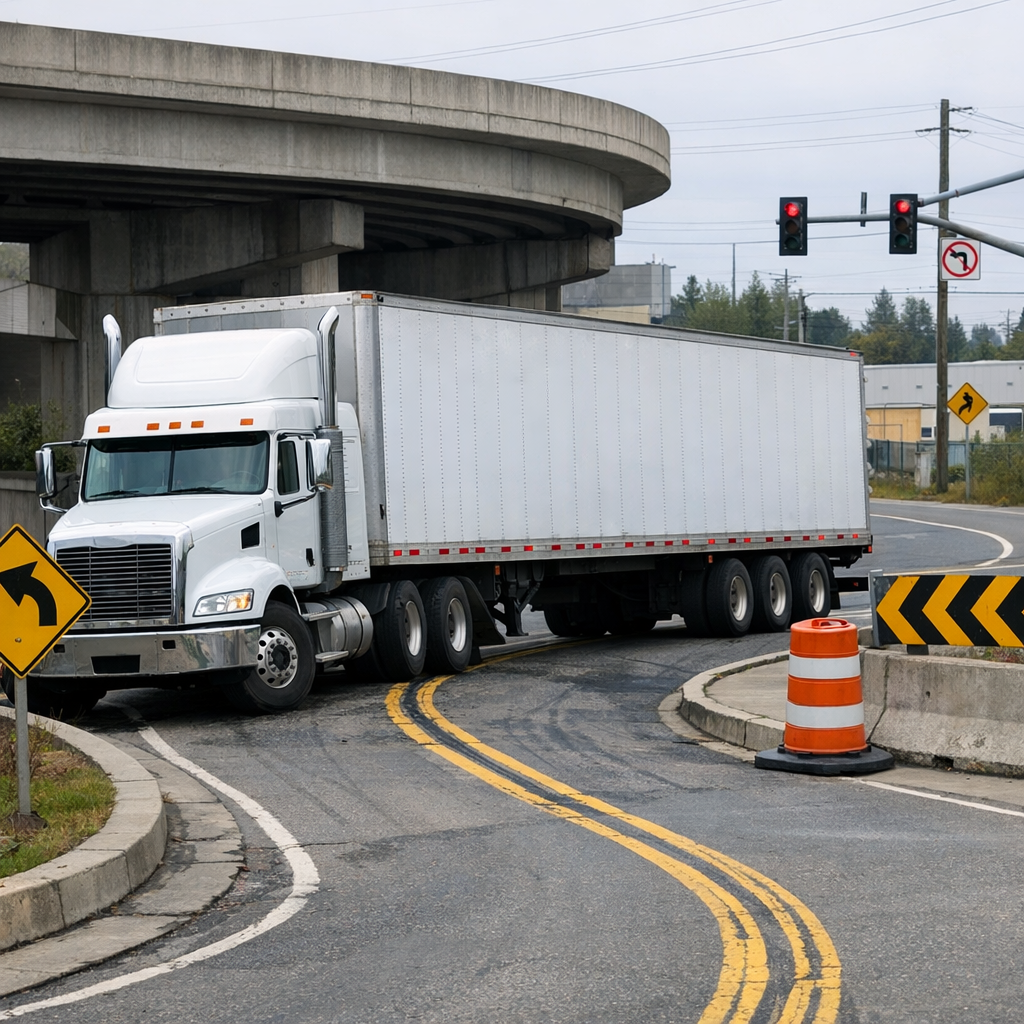
Errors in judgment also contribute to driver error in semi crashes. These can include risky behaviors such as driving at unsafe speeds for conditions, misjudging curves or turns, and executing unsafe passing maneuvers. Sometimes errors are more subtle, like underestimating the weight of a load on vehicle handling or miscalculating the impact of weather conditions.
Inexperience or overconfidence may amplify these errors. Drivers unfamiliar with specific routes or operating conditions may fail to anticipate hazards, while seasoned drivers might become complacent, neglecting routine safety checks or speed adjustments. Such errors frequently interact with environmental factors, creating scenarios where control of the semi truck is compromised.
Why Driver Error Matters in Real-World Semi Truck Crashes
Impact on Crash Severity and Frequency
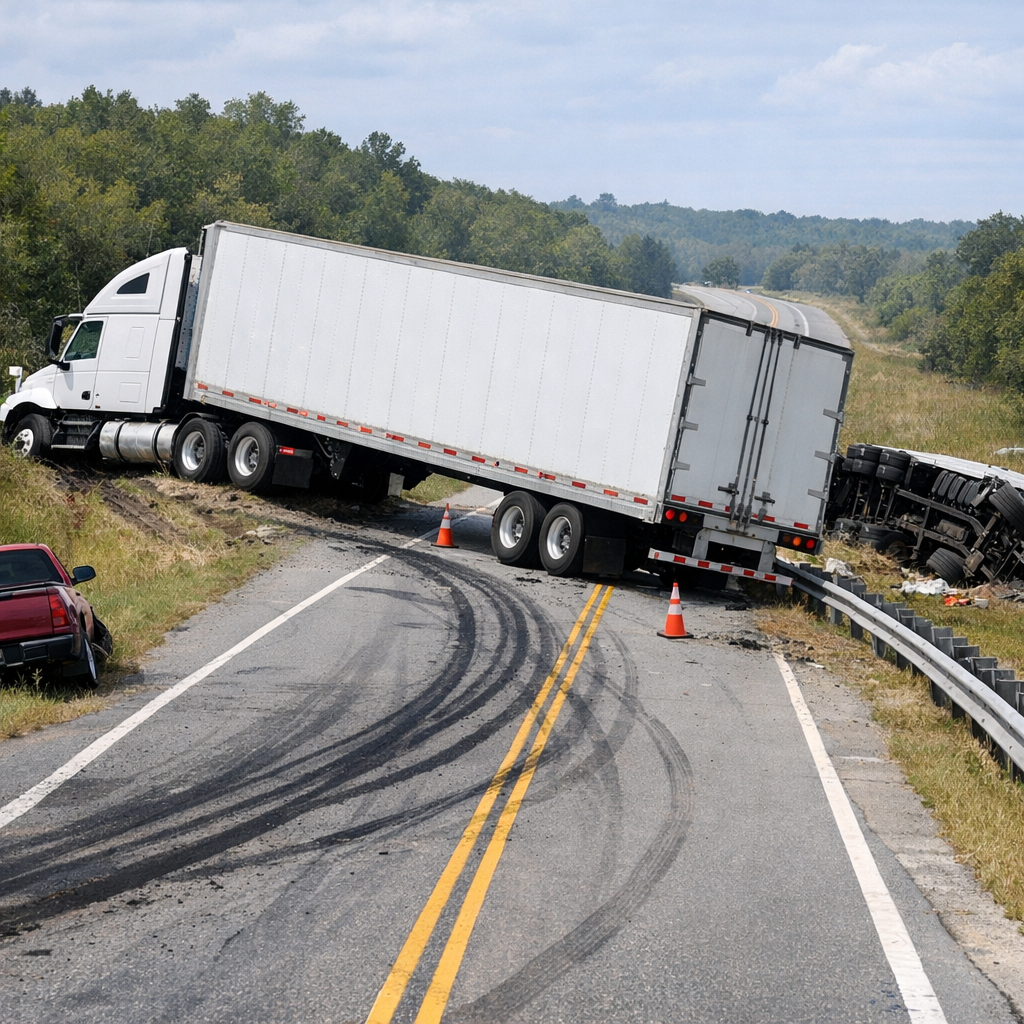
Driver error semi crashes are often among the most severe due to the nature of the vehicle and highway speeds involved. Even minor miscalculations can have outsized consequences. For example, a failure to properly judge stopping distances can lead to catastrophic rear-end collisions, while delayed reaction to road hazards increases the risk of rollovers or jackknifes.
The size and weight of semi trucks mean that crashes involving driver error tend to have higher fatality rates or serious injuries compared to smaller vehicle accidents. Understanding driver error is therefore critical for interpreting crash data and recognizing patterns that lead to repeated incidents.
Interaction With Other Factors
Driver error rarely acts in isolation. It often interacts with mechanical issues, weather conditions, road design, and behaviors of other road users. For instance, driver fatigue combined with poor weather or heavy traffic can drastically increase crash risk. Similarly, a driver’s decision errors may be exacerbated by inadequate vehicle maintenance or road hazards.
This interaction underscores the complexity of crash causation in semi trucks. Driver error is typically a trigger or contributing factor, setting off a chain of events culminating in the crash. Proper examination of these elements paves the way for understanding how crashes unfold and why error management remains an ongoing concern.
Implications for Safety and Research
From a safety perspective, identifying the role of driver error semi crashes helps in analyzing the effectiveness of current road regulations, driver training programs, and vehicle technologies. It also highlights the human element as a focal point in efforts to reduce crash rates and improve overall highway safety.
Research studies frequently emphasize driver behavior in semi truck collisions, recognizing that even the most advanced safety systems cannot completely compensate for human error. This focus continues to inform developments in driver monitoring systems, fatigue detection tools, and intelligent vehicle technologies aimed at minimizing error impacts.
A Neutral Close on Driver Error in Semi Truck Crashes
Driver error in semi truck crashes represents a multifaceted aspect of roadway safety involving human cognition, physical condition, and decision-making capabilities. Its influence on the occurrence and severity of crashes is significant, reflecting the challenges of operating large commercial vehicles under varying conditions.
While mechanical factors and environmental elements also contribute to semi truck incidents, driver error remains a central component that shapes crash dynamics. Continued examination and understanding of these errors provide insight into the complexities of semi truck safety, emphasizing the human factor without attributing blame or responsibility.
Overall, driver error in semi truck crashes is an important consideration in the broader context of transportation safety, research, and vehicle operation, reflecting the critical interplay between human behavior and machine control on the roadways.