
Recognizing Recovery Fatigue After Truck Accidents
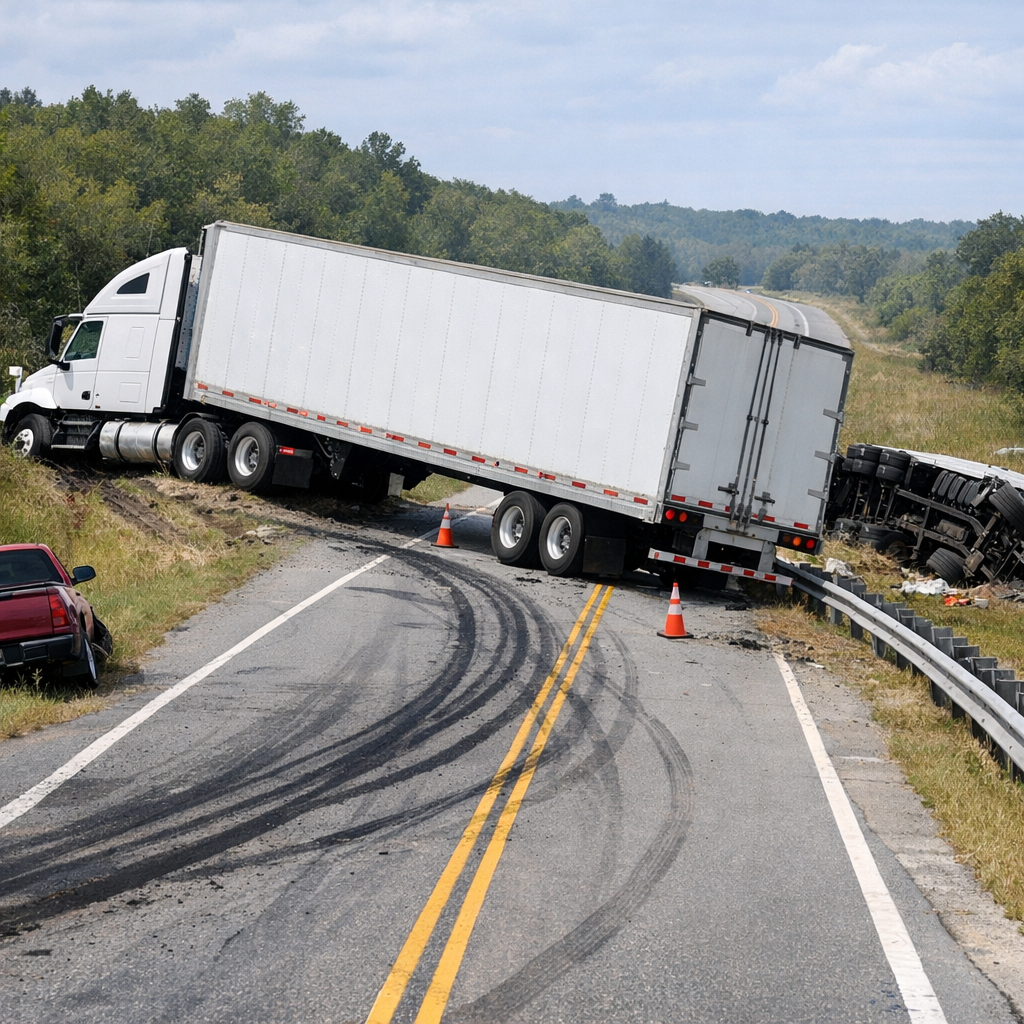
Truck accidents can result in significant physical injuries that often require comprehensive medical care and prolonged recovery time. Due to the size and force involved in these accidents, individuals may face complex healing processes, which can lead to feelings of exhaustion often described as recovery fatigue. Understanding why medical care is essential, what treatments are commonly involved, and how recovery unfolds can help provide a clearer picture of the challenges faced during this time.
Why Medical Care is Important After Truck Accidents
Medical evaluation following a truck accident is important even if injuries are not immediately apparent. The impact and trauma from large vehicles can cause internal injuries, fractures, or nerve damage that might not present symptoms right away. Prompt medical attention helps identify both visible and hidden injuries, allowing for appropriate intervention.
Injuries from truck accidents can vary widely, from broken bones and soft tissue damage to concussions and spinal injuries. Addressing these promptly can reduce the risk of complications. Follow-up care is equally vital because treatment plans often evolve as recovery progresses or as new symptoms emerge.
Seeking medical care also provides a baseline for monitoring healing and adjusting treatments. Recovery from truck accidents may involve managing pain, improving mobility, and preventing secondary issues such as infections or muscle weakness caused by immobility. Medical professionals work to coordinate these efforts, tailoring care to the individual’s specific injuries.
Common Treatments and Recovery Steps After Truck Accidents
Initial treatment after a truck accident often focuses on stabilizing injuries. This might include immobilization of fractures with casts or braces, managing pain with medications, and sometimes surgical interventions for more severe trauma. In some cases, hospitalization may be necessary to closely observe internal injuries or perform corrective procedures.
Once stable, physical therapy typically becomes a key component of recovery. Rehabilitation efforts aim to restore strength, flexibility, and range of motion. Therapy sessions may include guided exercises, massage, and modalities such as heat or cold treatments to reduce inflammation and discomfort.
Occupational therapy can also play a role, particularly if injuries affect the ability to perform everyday tasks. Learning new ways to approach daily activities or using adaptive devices can support independence during recovery.
Mental health supports might be integrated into recovery plans as well. Experiencing a major accident can influence emotional well-being, and addressing anxiety, depression, or stress can improve overall outcomes. Techniques might include counseling, relaxation exercises, or support groups to help cope with the psychological effects of injury and recovery.
How Recovery Can Progress Over Time
Recovery after a truck accident is often nonlinear, with periods of improvement followed by setbacks or plateaus that can contribute to feelings of exhaustion. This phenomenon, sometimes referred to as recovery fatigue, can be frustrating yet is a common part of the healing journey.
In the early weeks post-accident, physical healing tends to be more rapid as acute inflammation reduces and tissues begin repairing. During this phase, patience is vital as the body adjusts and begins regaining function. Pain and swelling usually decrease steadily, and mobility can improve with therapy.
As recovery moves into later stages, progress may slow, leading to a sense of fatigue or emotional weariness. At this point, the body might still be mending microscopic tissue damage or rebuilding muscle strength, processes that require sustained effort even if visible improvements are subtle. The mental toll of ongoing treatment and lifestyle adjustments can also contribute to this feeling.
Some individuals may experience flare-ups of pain or stiffness, which can temporarily disrupt progress. Managing expectations and allowing for rest periods without feeling discouraged can be beneficial during these phases.
Long-term recovery can stretch over months or even years, particularly when injuries are severe. Gradual increases in activity and continued adherence to rehabilitation plans often help reduce recovery fatigue over time. Regular reassessments by healthcare providers allow for modifications in treatment to better match the individual’s changing needs.
Understanding and Managing Recovery Fatigue
Recognizing recovery fatigue after a truck accident involves being aware that feelings of tiredness or frustration are common during extended healing. These feelings stem from both physical and emotional factors associated with trauma and rehabilitation.
Physically, the body’s energy is often diverted toward repair processes, leaving less available for other functions. This can result in reduced stamina or endurance, even during everyday activities. The cumulative effect of medical appointments, therapy sessions, and adjustments in lifestyle can also contribute to overall fatigue.
Emotionally, coping with injury-related limitations and changes in routine might affect motivation and mood. Uncertainty about the future or challenges in maintaining independence can add to weariness.
Strategies to support well-being during this time include maintaining realistic goals, pacing activities, and ensuring adequate rest. Communication with healthcare providers about symptoms and progress helps guide recovery and address concerns related to fatigue.
Understanding that recovery fatigue is a normal response can alleviate some stress. It often improves as healing advances and adaptation to new circumstances occurs.
A Thoughtful Approach to Moving Forward
Truck accidents can significantly impact a person’s health and day-to-day life, making medical care an integral part of recovery. Treatments often involve multiple approaches aimed at physical healing and functional restoration. Recovery paths vary widely, influenced by the nature and severity of injuries.
Recovery fatigue is a recognized experience for many individuals following these events, reflecting the complex interaction between the body’s healing demands and emotional responses. Being informed about typical recovery stages and symptoms can offer perspective and assist in navigating this challenging process.
While improvements may not always be steady, gradual healing and adjustment are possible. A measured, patient approach toward recovery can support progress over time, contributing to improved quality of life after the accident.