Overconfidence in Commercial Driving
Commercial driving is a demanding occupation that requires constant vigilance, quick decision-making, and adherence to safety protocols. The nature of the job places commercial drivers in situations where their actions can deeply impact the safety of themselves and others on the road. Among the various psychological factors influencing driving performance, overconfidence stands out as a critical yet often overlooked contributor to risk. This article provides an educational overview of overconfidence in commercial driving, explores how it functions as a cause of driving errors, examines its impact on real-world crashes, and concludes with a balanced perspective on the phenomenon.
Understanding the Nature of Overconfidence in Trucking
Overconfidence in the context of commercial driving refers to a driver’s inflated belief in their own skills, judgment, or control over driving conditions. This cognitive bias can manifest in multiple ways, such as underestimating hazards, overestimating reaction times, or assuming one can manage risks effectively without undue caution.
The Psychological Roots of Overconfidence
At its core, overconfidence stems from an internal assessment that tends to paint a more favorable picture of abilities than is warranted by reality. Commercial drivers often spend countless hours behind the wheel, developing expertise and routine. This proficiency, while beneficial, can inadvertently lead drivers to discount potential dangers or believe that their experience shields them from mishaps that affect others.
Overconfidence can be broken down into several forms, including overestimation of driving skill, overplacement (believing one’s skill is superior to that of others), and overprecision (excessive certainty about one’s judgments). In trucking, overplacement may lead drivers to feel invulnerable compared to other road users, while overprecision can cause dismissive attitudes toward changing weather, road conditions, or vehicle performance anomalies.
Environmental and Occupational Contributors
Commercial trucking involves repetitive routes, standardized procedures, and extensive regulatory frameworks. These factors can contribute to habituation, where drivers become so familiar with a route or task that they pay less attention to evolving variables. The monotony and pressure to adhere to schedules might encourage mental shortcuts or riskier decision-making fueled by overconfidence.
Additionally, the culture within some segments of the trucking industry may implicitly reward boldness or toughness, reinforcing attitudes that could nurture overconfidence. This cultural dimension intertwines with psychological biases, shaping an environment where the belief “I’ve driven this way countless times, so it must be safe” becomes common.
The Mechanics of Overconfidence as a Cause in Commercial Driving Errors
The practical consequences of overconfidence in trucking emerge through specific behaviors and errors that increase crash risk. Overconfidence directly affects perception, decision-making, and reaction, altering how drivers respond to their environment.
Misjudgment of Risk and Hazard Perception
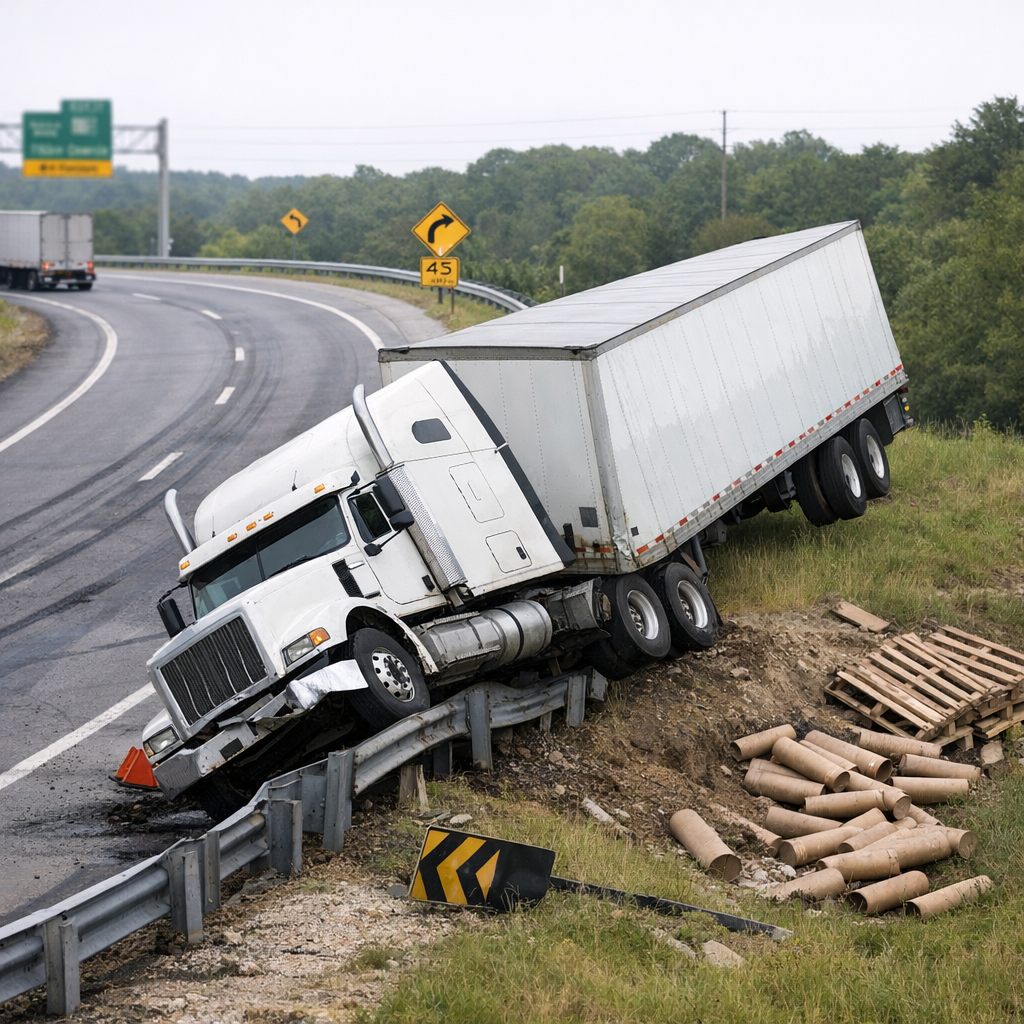
One of the hallmark impacts of overconfidence is the underestimation of risk. A driver who believes in their superior skill might approach hazardous situations—such as navigating sharp curves, merging in heavy traffic, or driving under poor visibility conditions—with less caution. This misjudgment increases the likelihood of failing to maintain appropriate speeds or distances.
Overconfidence often leads to the erroneous belief that adverse conditions can be controlled through skill alone. For instance, a driver might underestimate the stopping distance needed on wet pavements because they feel capable of compensating through precise braking, regardless of the physics involved.
Overestimation of Personal Reaction Time and Vehicle Control
Commercial trucking demands attentive responses to often rapidly changing situations. However, overconfident drivers may assume their reaction times are quicker or their ability to control the heavy vehicle is better than it truly is. This can result in delayed braking, aggressive maneuvers, or neglecting protocol such as performing safety checks.
Such miscalculations are especially problematic given the size and mass of commercial trucks, where the margin for error is smaller and the consequences of misjudgments far more severe.
Reduced Adherence to Safety Guidelines and Procedures
Another direct outcome of overconfidence is diminished compliance with established safety procedures. A driver who feels overconfident might deem certain protocols unnecessary, believing that their judgment alone is sufficient. This can mean skipping pre-trip inspections, exceeding recommended speed limits, or neglecting rest periods—all behaviors that increase crash risk.
This behavior is often compounded by the complex scheduling demands in commercial trucking, where perceived efficiency and confidence can overshadow caution.
The Real-World Impact of Overconfidence in Trucking Crashes
The effects of overconfidence in commercial driving extend beyond individual drivers, influencing the frequency and severity of crashes, as well as their broader consequences on public safety.
Increased Collision Risk and Severity
Statistical analyses of commercial vehicle crashes frequently identify driver error as a primary factor. Overconfidence contributes to these errors by fostering risky behaviors and poor judgment. The tendency to underestimate hazards or overestimate control frequently leads to collisions that might have been avoided with more realistic risk assessment.
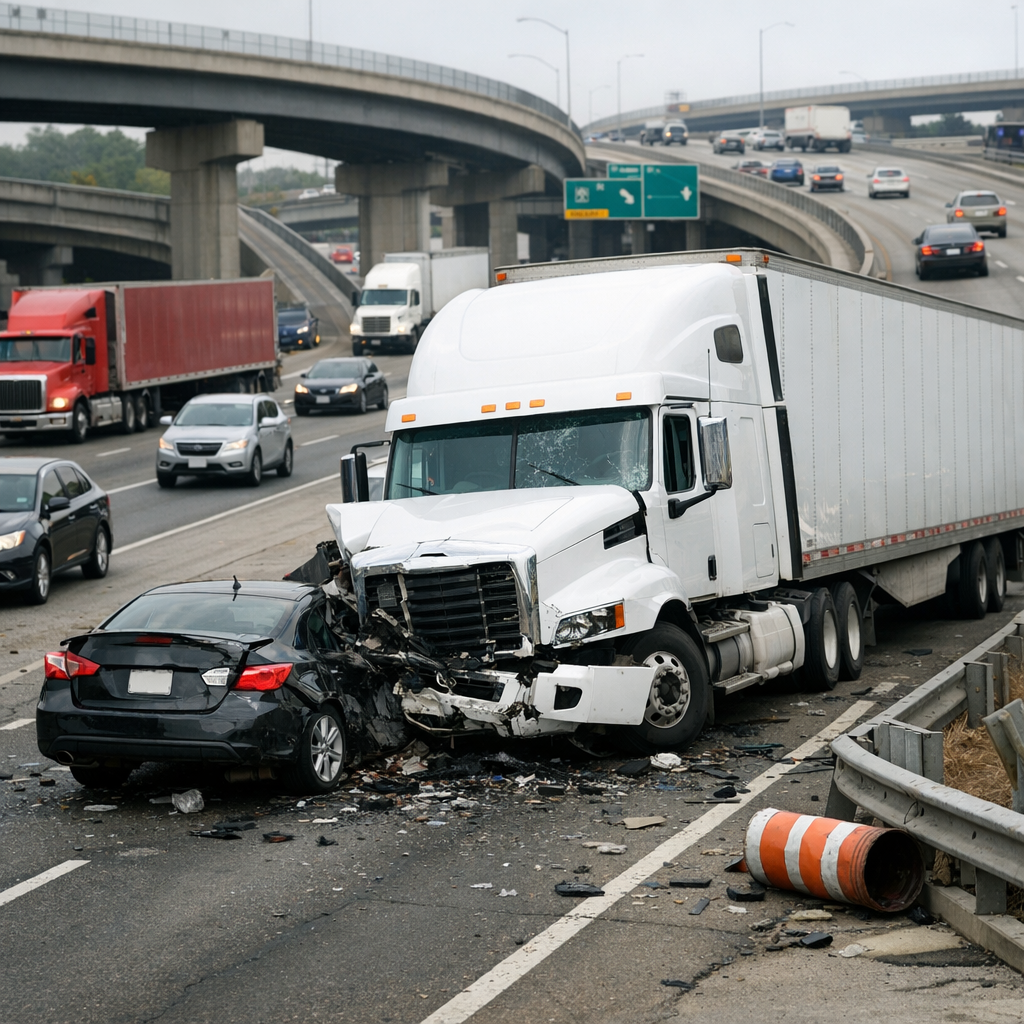
Given the mass and momentum of commercial trucks, crashes involving these vehicles often result in significant property damage, severe injuries, or fatalities. Overconfidence can exacerbate these outcomes by affecting the speed at impact, the nature of maneuvers leading up to the crash, and the driver’s response post-incident.
Interaction with Other Driver Errors or Environmental Factors
Overconfidence doesn’t act in isolation but often interacts with other factors such as fatigue, distraction, or adverse weather. For example, a driver overly certain of their ability might choose to drive in hazardous weather conditions, compounding the dangers posed by low visibility or slick roads. Similarly, overconfidence combined with fatigue can dull situational awareness even further, turning relatively safe scenarios into emergencies.
These compound effects highlight how overconfidence contributes not just to individual errors but to a cascade of risks that undermine overall roadway safety.
Impact on Other Road Users
The effects of overconfidence trucking are not limited to the drivers themselves. Other motorists, cyclists, and pedestrians share the road with commercial vehicles and are often less protected. Overconfident driving behaviors, such as risky lane changes or aggressive acceleration, increase the vulnerability of these road users.
Understanding these dynamics is essential for appreciating the broader implications of psychological factors like overconfidence in the commercial driving ecosystem.
A Balanced Perspective on Overconfidence in Commercial Driving
Overconfidence is a natural human tendency that can manifest in various professional contexts, including commercial driving. While it can lead to risky behaviors and increased crash potential, it often arises alongside genuine skill and experience. Recognizing overconfidence as a factor shaping driver behavior helps clarify why certain errors occur and how they fit within a broader psychological and occupational context.
The interplay between confidence and competence is complex. Confidence can provide motivation and resilience during the demanding and stressful tasks of commercial driving. However, when confidence exceeds actual ability or situational demands, it becomes a liability.
Acknowledging the nuanced role of overconfidence allows for a better understanding of the human factors influencing commercial driving safety without simplifying the issue to merely poor judgment or negligence. It foregrounds the importance of continuous awareness of cognitive biases that all drivers, including professionals, are susceptible to in dynamic and challenging driving environments.
In conclusion, overconfidence in commercial driving is a significant psychological phenomenon that shapes driver behavior and crash outcomes. Its study offers valuable insights into the mechanisms of driver error and the complexities of maintaining safety in the commercial trucking industry.