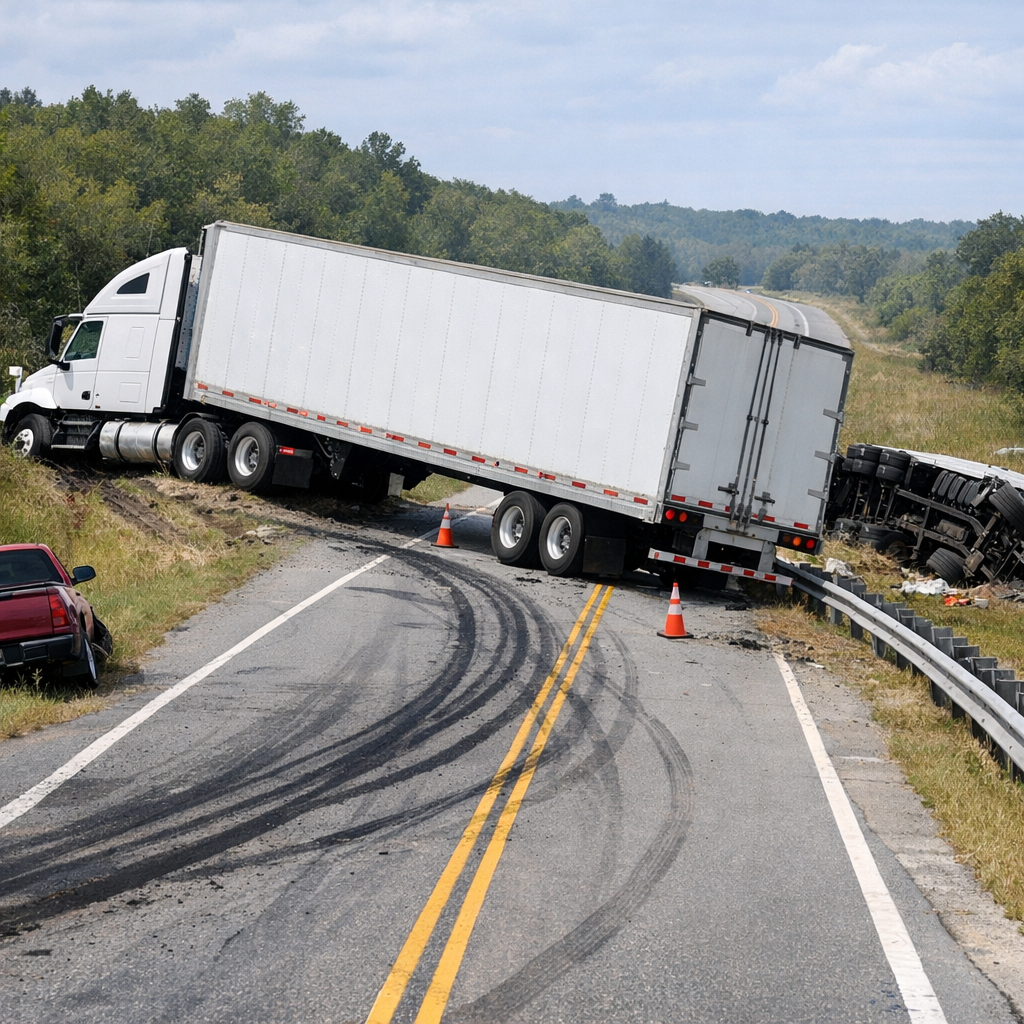

Intermittent Pain Cycles After Truck Injuries
Understanding the Outcome of Intermittent Pain After Truck Injuries
Intermittent pain cycles following truck injuries are a complex and often unpredictable outcome experienced by some individuals. Unlike constant pain, intermittent pain occurs in episodes, fluctuating in intensity and frequency over time. This type of pain can arise from various underlying factors associated with the injury, including nerve damage, musculoskeletal strain, tissue inflammation, or scar tissue formation. The intermittent nature means that even periods of relative comfort may be followed by sudden pain flare-ups, which can vary from mild discomfort to severe episodes.
This pattern of pain is particularly noted after truck-related accidents due to the high-impact forces involved. Injuries sustained in these incidents often affect multiple body systems, resulting in a range of symptoms that may not be immediately apparent. The body’s healing process, alongside changes in physical activity or stress levels, can influence the occurrence of these pain cycles. Medical evaluations may reveal structural damage such as herniated discs, ligament tears, or nerve impingement, which contribute to the intermittent characteristic of pain.
Impact on Daily Life Over Time
Navigating daily life with intermittent pain following truck injuries presents ongoing challenges that evolve over time. The unpredictability of pain episodes requires individuals to adapt their routines and activities to accommodate fluctuations. On some days, physical movement and normal tasks may be manageable, while on others, periods of pain may necessitate rest or modification of activities.
The cycles can lead to alterations in work patterns, physical activity levels, and social engagement. Individuals might find themselves withdrawing from previously enjoyed activities due to concerns over triggering pain episodes. Sleep quality can also be affected, as pain flare-ups may disrupt rest and recovery. Over time, this variability can contribute to a cautious approach in planning daily activities, often guided by recent pain experiences.
Long-term, intermittent pain may influence physical conditioning and overall health. Reduced activity during painful periods can lead to muscle weakening or stiffness, while overexertion in relatively pain-free intervals might provoke further pain cycles. This dynamic interaction between activity and pain emphasizes the fluctuating nature of recovery and adaptation following truck injuries.
Common Concerns Related to Intermittent Pain After Truck Injuries
Several concerns commonly arise in relation to intermittent pain cycles following truck injuries. One frequent issue is the uncertainty around the cause and progression of pain episodes. Patients and healthcare providers may find it challenging to identify clear triggers or patterns, leading to questions about the adequacy of treatment or the presence of new or worsening injuries.
There is also concern about the potential for intermittent pain to signal ongoing or chronic conditions rather than temporary injury-related discomfort. This can include worries about nerve damage or degenerative changes exacerbated by the initial trauma. The variability of pain intensity can make it difficult to assess recovery progress, complicating clinical management and personal expectations.
Another area of concern involves the impact on mental health. Fluctuating pain can contribute to feelings of frustration, anxiety, or fatigue. The unpredictable nature of symptoms may affect mood and emotional well-being, influencing social relationships and overall quality of life. These considerations highlight the importance of a comprehensive understanding of intermittent pain within the broader context of post-injury recovery.
Informational Close on Intermittent Pain After Truck Injuries
Intermittent pain cycles following truck injuries represent a multifaceted outcome with effects extending across physical, functional, and emotional domains. The episodic nature of pain differentiates it from constant pain experiences and requires an adaptive response to fluctuating symptoms. Understanding the complexity and variability of pain after such injuries contributes to a clearer perspective on the recovery journey.
While intermittent pain can persist over an extended period, it reflects the intricate processes involved in tissue healing and the body’s response to trauma. Ongoing communication with healthcare providers, combined with careful monitoring of symptoms, plays a role in managing the condition. Recognizing the dynamic pattern of intermittent pain aids in setting realistic expectations regarding the progression and impact of pain cycles after truck injuries.