
Why Recovery After Truck Accidents Feels Unpredictable
Many individuals wonder why the path to recovery following a truck accident can be so uncertain and varied. This question arises often because, unlike more straightforward injuries, truck accidents tend to involve complex factors that influence healing and rehabilitation. The unpredictability in recovery timelines and outcomes is a common source of confusion and concern for those affected.
Common Reasons Behind Uncertain Recovery Experiences
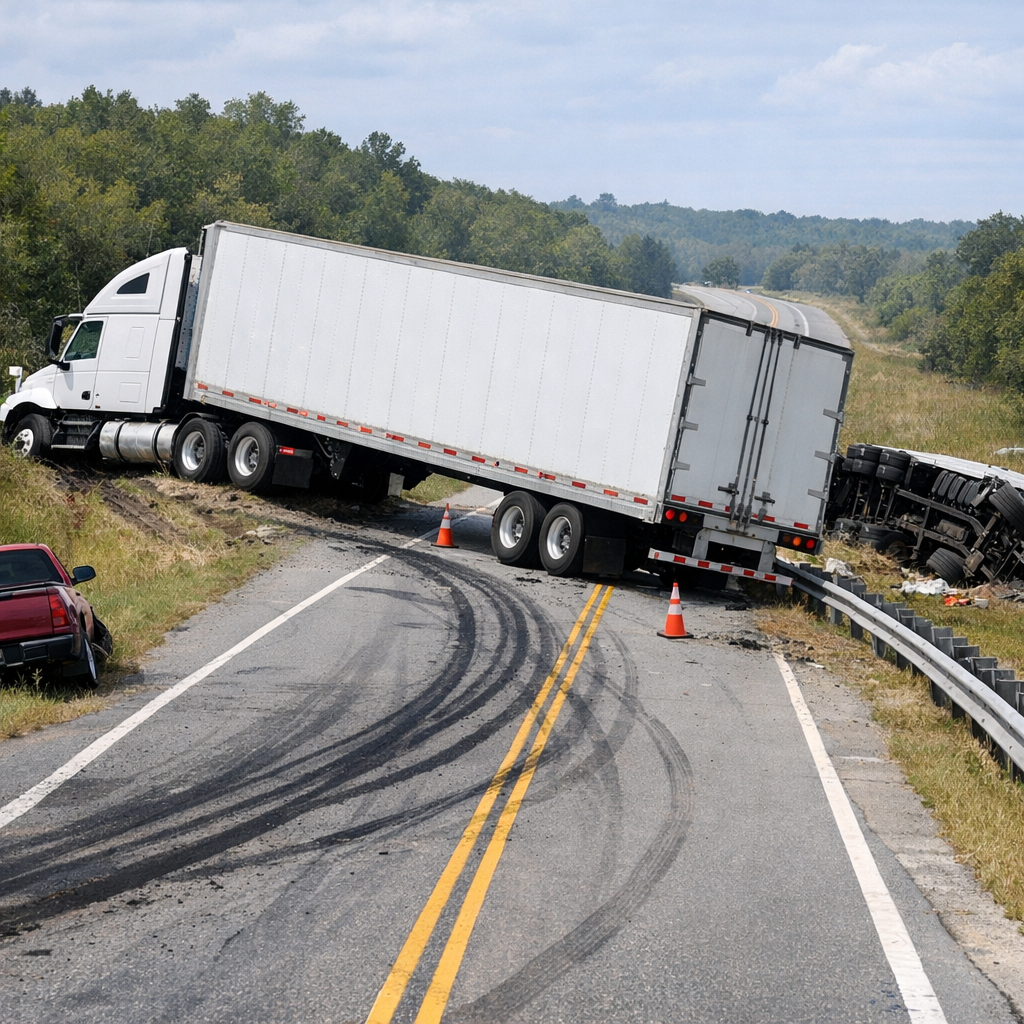
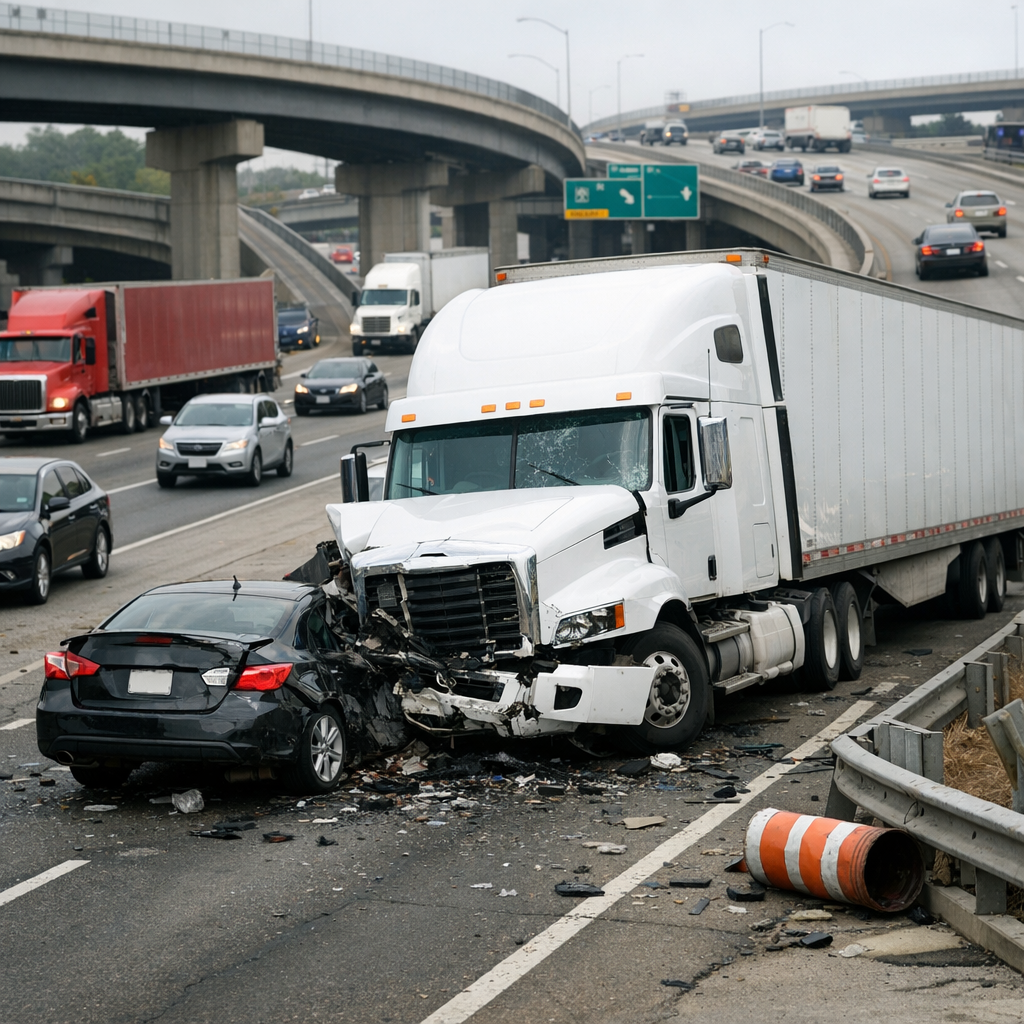
Truck accidents frequently result in diverse and sometimes severe injuries. The sheer size and weight of trucks compared to passenger vehicles mean collisions involve forces that can cause a wide range of trauma. From soft tissue damage to fractures and internal injuries, the extent of harm is not always immediately obvious. Because of this, determining how the recovery will unfold often becomes difficult at the onset.
Moreover, every individual responds to injury differently. Age, pre-existing health conditions, and general physical fitness all play crucial roles. For some, recovery may proceed steadily, while others encounter setbacks caused by complications or slower healing processes. This variability contributes to the sense that recovery timelines are unpredictable after truck-related incidents.
Factors Influencing the Healing Process
Understanding why recovery fluctuates requires looking at the multiple factors at work. One key element is the nature of the injuries sustained. High-impact collisions often cause damage that extends beyond visible wounds, such as nerve injuries or internal bleeding, which may take longer to manifest and heal.
Another consideration is the psychological impact following a trauma of this magnitude. Emotional stress, anxiety, or symptoms consistent with post-traumatic stress disorder (PTSD) can affect physical healing and complicate rehabilitation efforts. The mind-body connection plays an essential role, as mental health influences motivation, pain perception, and participation in recovery activities.
The rehabilitation process itself can add layers of unpredictability. Treatment plans often evolve as the patient’s condition changes. Physical therapy, for instance, may progress more slowly if pain persists or if additional medical issues arise. Access to healthcare resources and support networks can also impact the recovery journey.
Insights Often Overlooked in Recovery Outlooks
While many focus on physical healing, it is important to recognize that full recovery encompasses more than just physical repair. Adjusting to changes in mobility, daily routines, and lifestyle after a truck accident can challenge a person’s resilience. Recovery sometimes involves learning new ways to manage tasks and rebuild confidence in one’s body.
Additionally, the interplay between different injuries is not always transparent early on. For example, a seemingly minor fracture might lead to chronic pain or mobility limitations later, complicating the recovery timeline. Conversely, some severe injuries might stabilize more quickly than expected due to prompt medical intervention or individual biological factors.
Another aspect that may escape notice is the potential for delayed symptoms. Some complications or injuries related to a truck accident may not become apparent immediately after the event. These delayed effects can alter the anticipated course of healing and contribute to the unpredictability of the recovery experience.
Understanding the Nuances Offers Perspective Over Time
Recognizing the complex and multifaceted nature of recovery helps set realistic expectations. Healing after a truck accident involves dynamic processes affected by physical, emotional, and social components. It requires patience and flexibility as the situation changes.
Awareness that recovery rarely follows a linear path can help manage perceptions of progress. Even when improvements are steady, occasional setbacks or plateaus are common and do not necessarily indicate failure. Instead, they represent the body’s natural response as it adapts and repairs.
Approaching the recovery period with an informed understanding can offer a sense of steadiness amid uncertainty. Embracing the variability inherent in healing allows individuals to focus on steady progress, rather than fixed timelines or comparisons to others. This perspective fosters a balanced view of recovery after truck accidents, emphasizing adaptation and resilience.