Limited Maneuverability in Heavy Trucks
Heavy trucks are integral to modern transportation, moving goods efficiently over long distances. However, the design and operation of these vehicles inherently come with constraints that affect their movement, commonly referred to as limited maneuverability. Understanding this concept is essential to appreciate the operational challenges heavy trucks face as well as the potential implications during road incidents.
Causes of Limited Maneuverability in Heavy Trucks
Vehicle Size and Weight
One of the primary contributors to the limited maneuverability of heavy trucks is their sheer size and weight. These vehicles often weigh tens of thousands of pounds and can stretch up to 80 feet or more in length. The substantial mass requires considerable effort and space to change direction or come to a stop. This physical reality restricts the agility and responsiveness of the truck during complex maneuvers, such as sharp turns or sudden lane changes.
Steering and Turning Radius
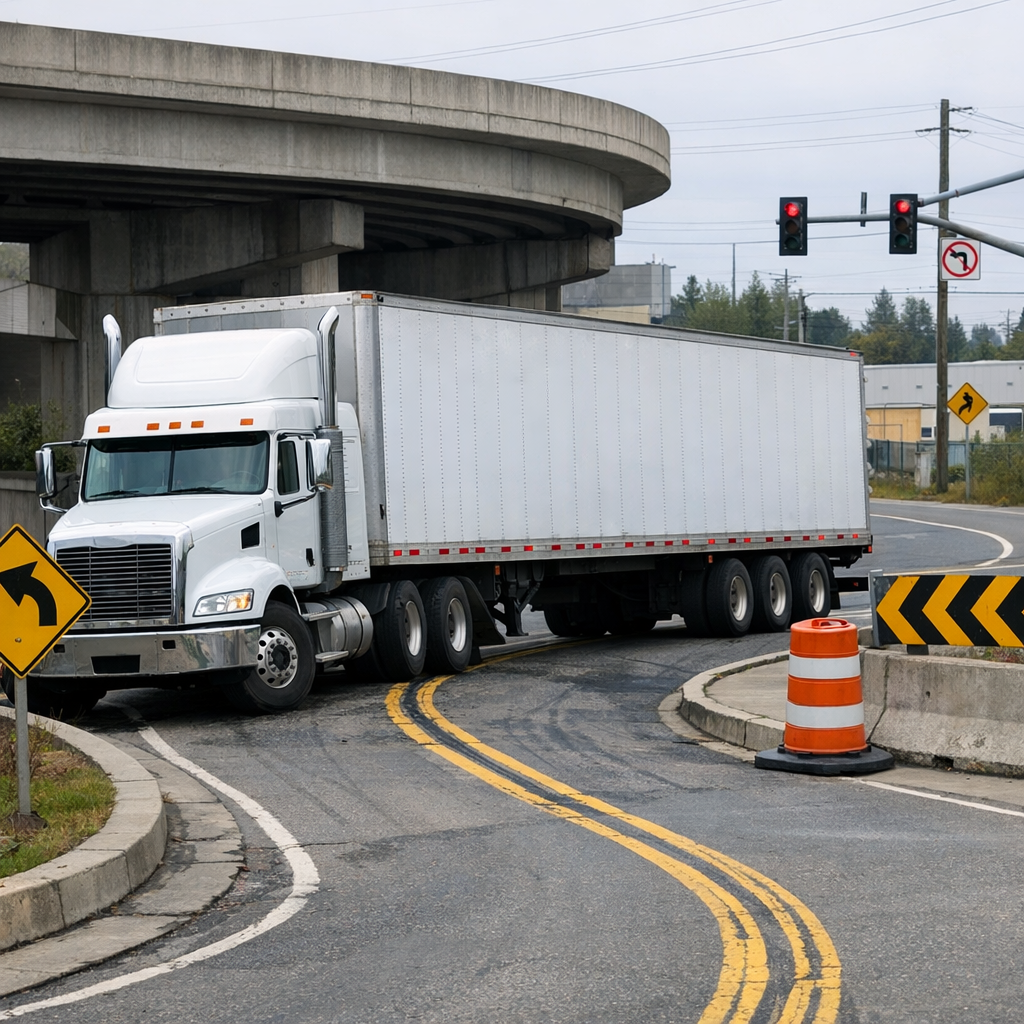
Heavy trucks typically have longer wheelbases and more axles compared to passenger vehicles, which significantly impact their steering capabilities. The steering system in these trucks is designed to handle heavy loads rather than quick, tight turns. As a result, the turning radius—the minimum circular turn the vehicle can make—is much larger. This large turning radius means trucks cannot easily navigate tight corners or confined spaces without executing wide turns, influencing their overall maneuverability on the road.
Braking System and Stopping Distance
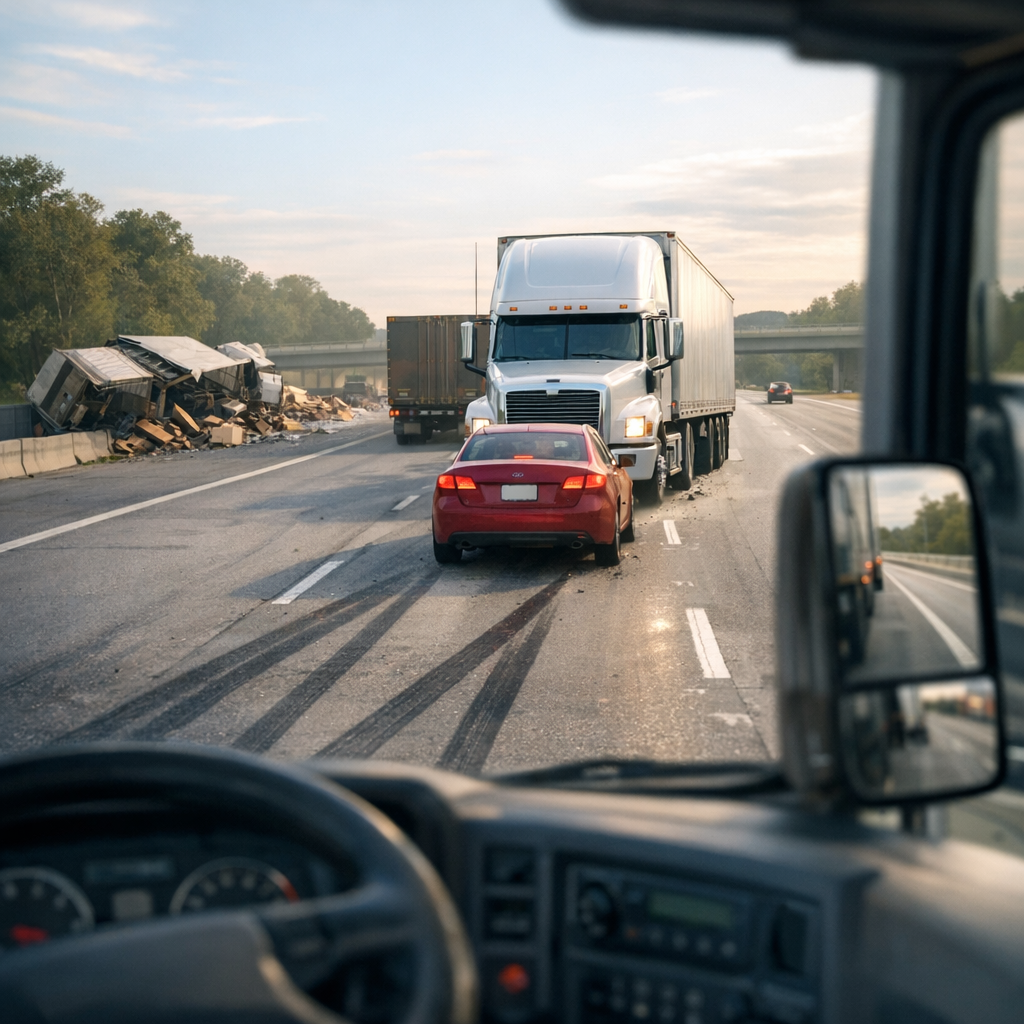
The braking system in heavy trucks must contend with the vehicle’s considerable weight, often requiring more time and distance to come to a complete stop. While trucks employ advanced air brake systems engineered for heavy loads, the physics of inertia still demand a longer stopping distance than that of smaller vehicles. This extended stopping distance imposes restrictions on how quickly a truck driver can respond to sudden obstacles or traffic changes, further limiting maneuverability.
How Limited Maneuverability Works in Heavy Trucks
Inertia and Momentum
The physics of inertia and momentum play a central role in a heavy truck’s limited maneuverability. When a truck is moving, it possesses a large amount of kinetic energy due to its mass and velocity. Changing the speed or direction of such a massive object requires overcoming this kinetic energy, which is not instantaneous. Consequently, a truck cannot swiftly swerve or accelerate without a significant delay compared to lighter vehicles. These dynamics mean that even a skilled driver must anticipate and plan movements well in advance.
Trailer Articulation and Jackknifing Risk
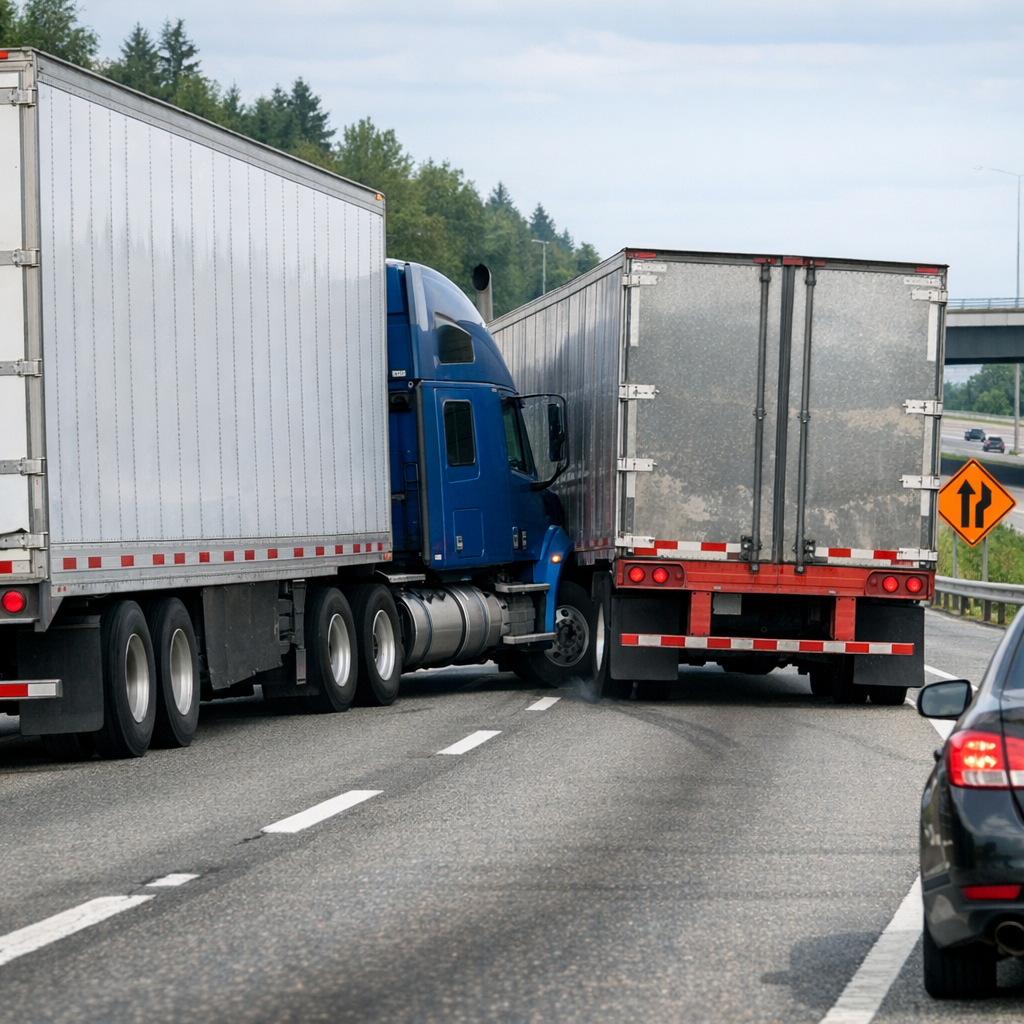
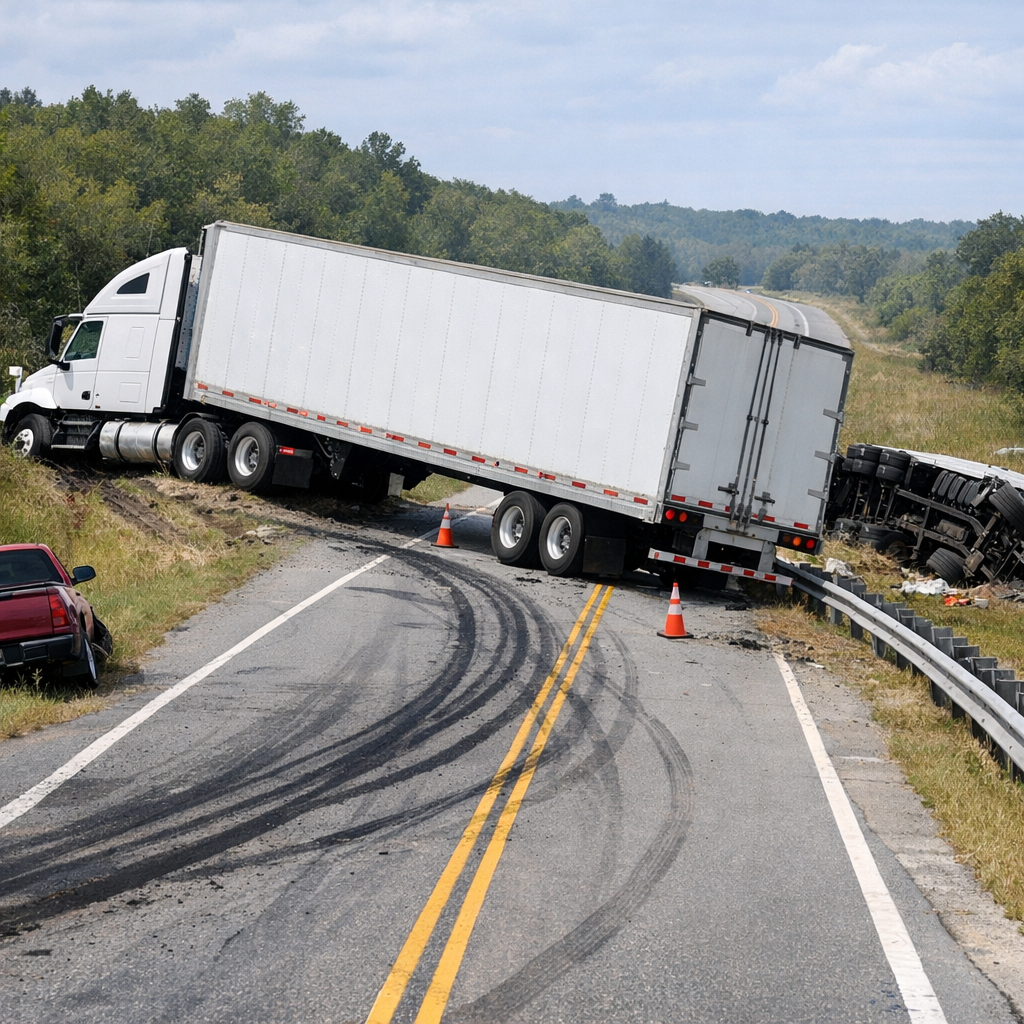
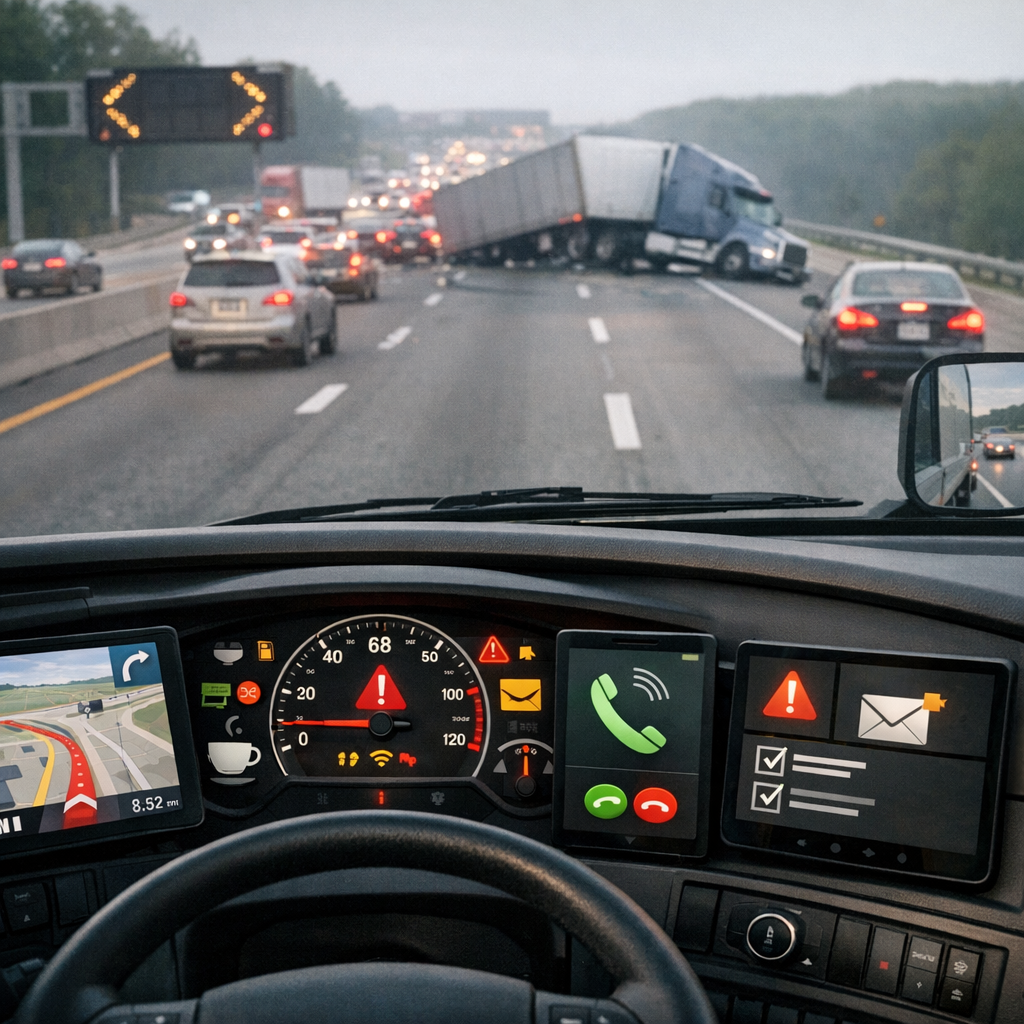
Most heavy trucks consist of a prime mover tractor and one or more trailers. The joint between these sections introduces articulation points, which influence the vehicle’s turning and handling characteristics. While articulation allows trucks to navigate turns that rigid vehicles cannot, it also presents challenges. Abrupt maneuvers, especially during emergency braking or sharp turns, can lead to jackknifing—when the trailer(s) fold toward the tractor, reducing control. This behavior underlines the careful balance between truck design and maneuverability constraints.
Limited Visibility and Blind Spots
Maneuverability is also affected by visibility restrictions inherent to the design of heavy trucks. Due to their height and length, drivers have restricted sight lines, particularly to the sides and rear. These blind spots limit the driver’s ability to judge the surrounding environment accurately during maneuvers, such as lane changes or turns, adding a further layer of challenge to controlling the vehicle precisely.
Why Limited Maneuverability Matters in Real-World Crashes
Impact on Crash Scenarios
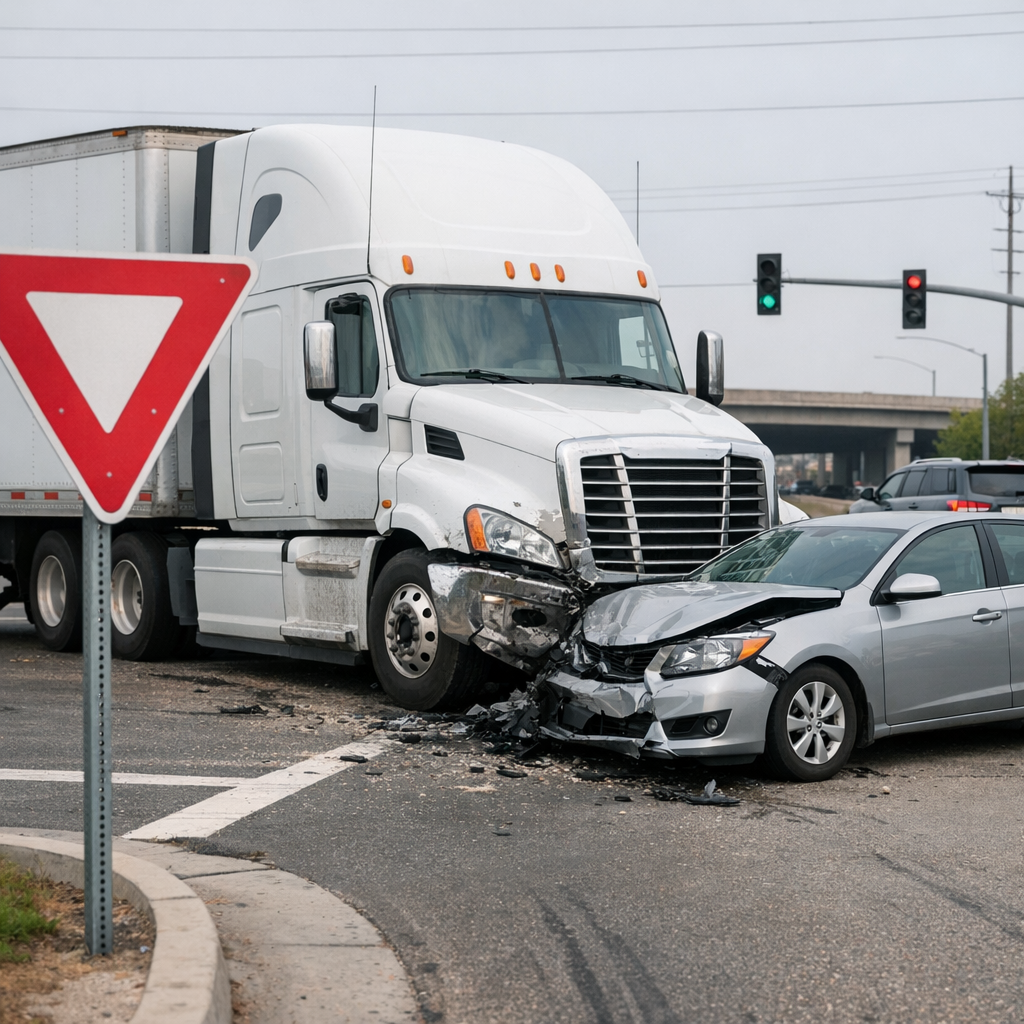
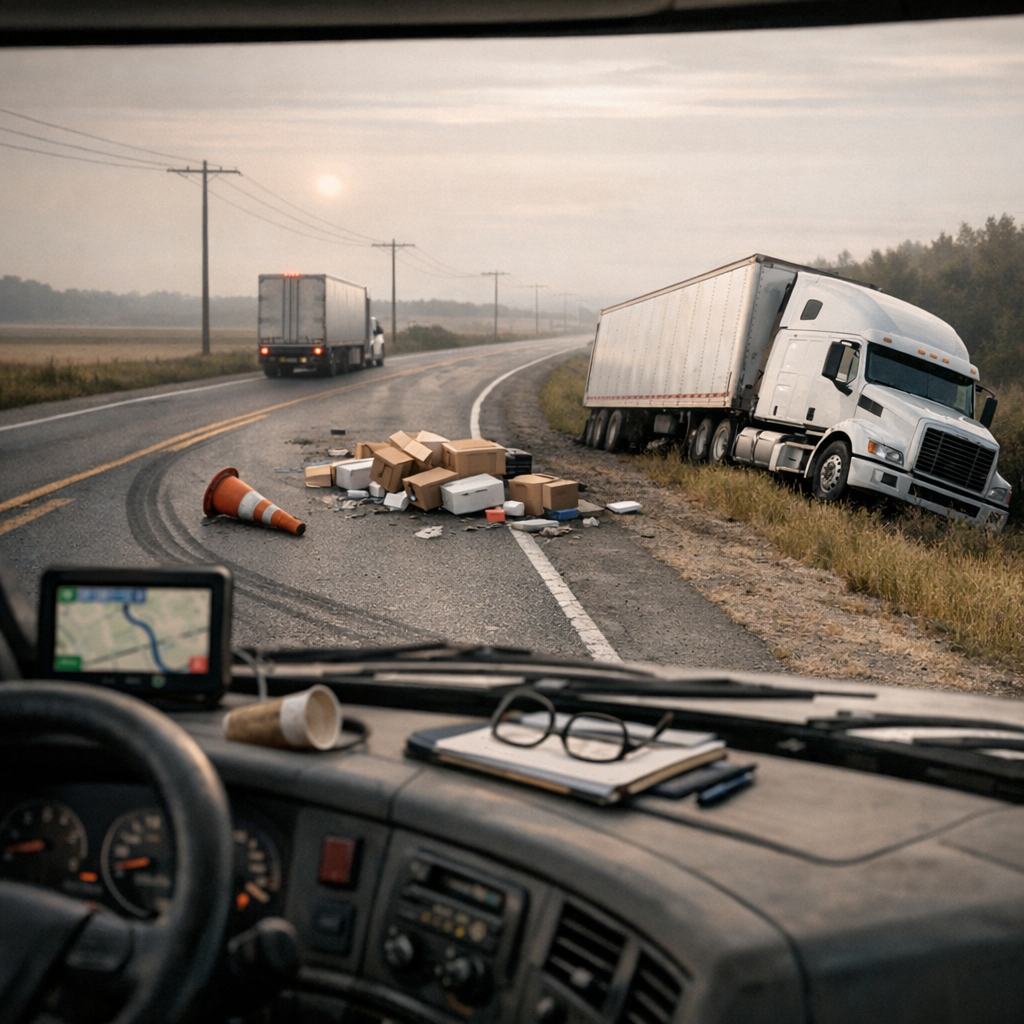
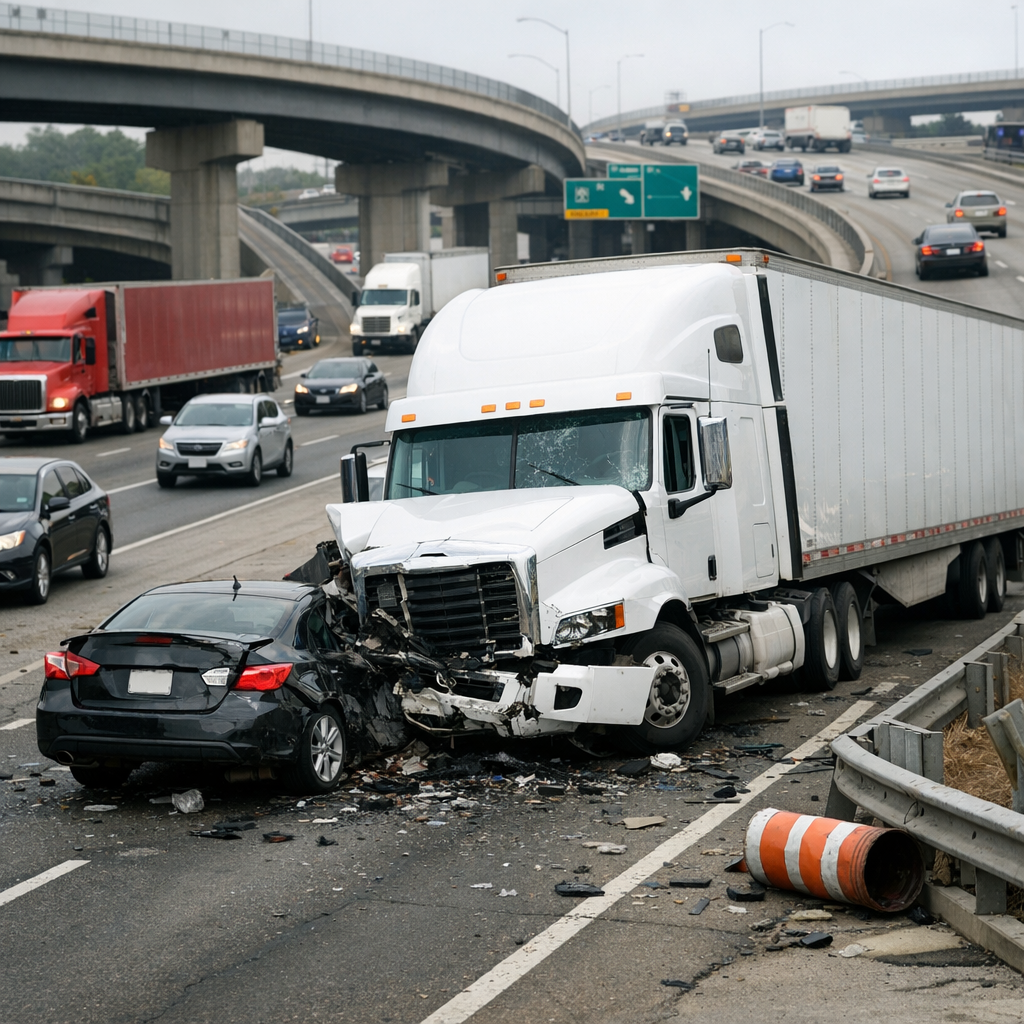
Limited maneuverability influences the dynamics of collisions involving heavy trucks. Because these trucks require more space and time to react, they may be unable to avoid hazards that smaller, more agile vehicles can evade. For example, a sudden obstacle or a vehicle cutting in front might be navigated safely by a passenger car but present insurmountable challenges for a heavy truck driver due to the truck’s movement constraints.
Increased Severity of Crashes
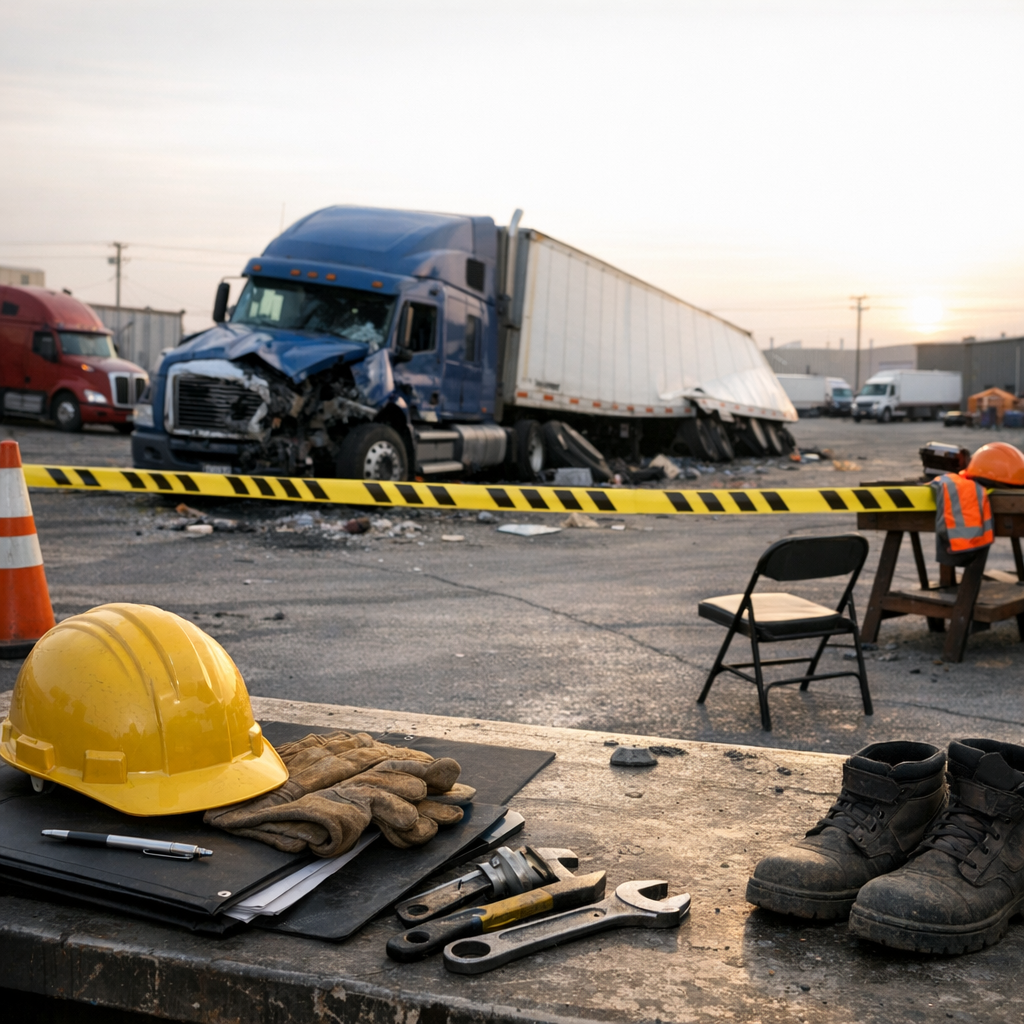
The mass and limited maneuverability not only affect crash occurrence but also its outcome. Due to fewer options to change direction or stop swiftly, heavy trucks sometimes collide at higher speeds or angles that exacerbate damage. The lack of agility can also mean that trucks encroach on multiple lanes or lose control in ways that increase the risk of secondary collisions involving other vehicles.
Influence on Driver Workload and Fatigue
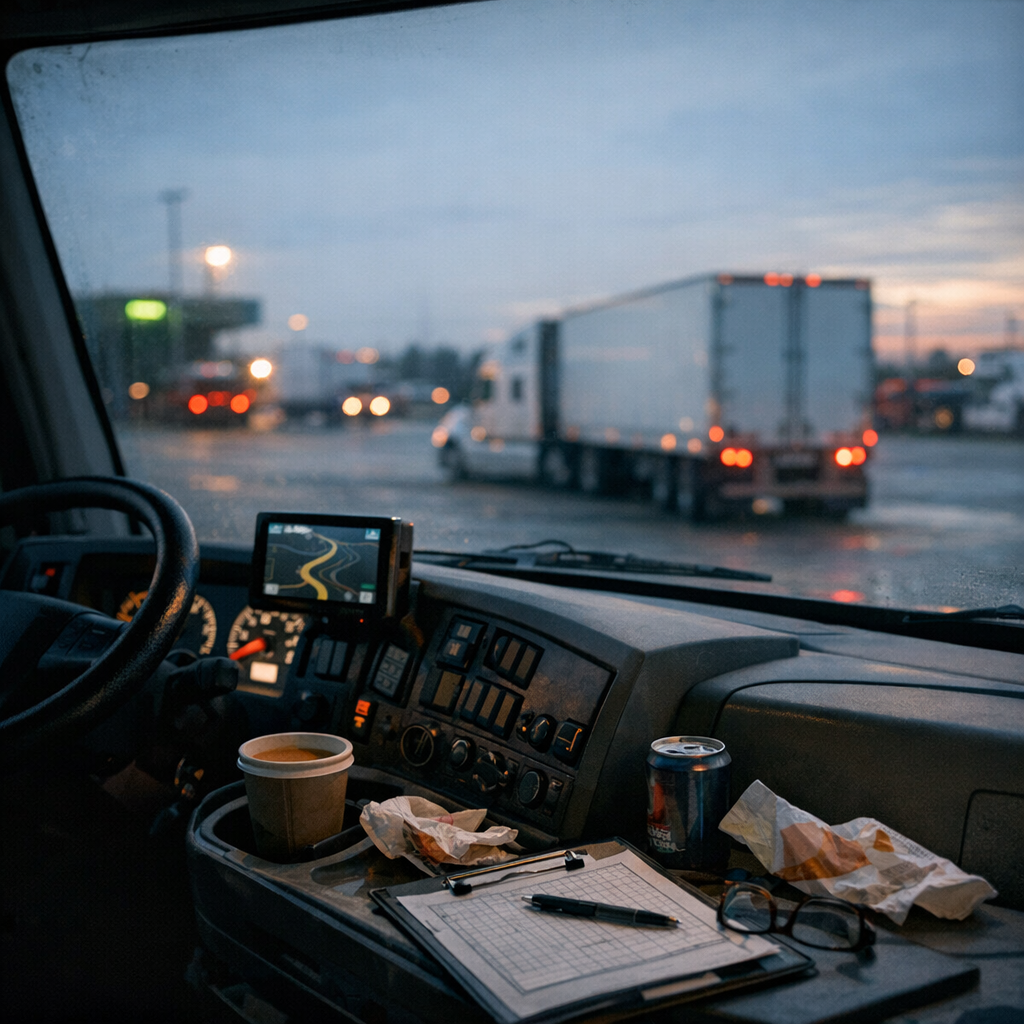
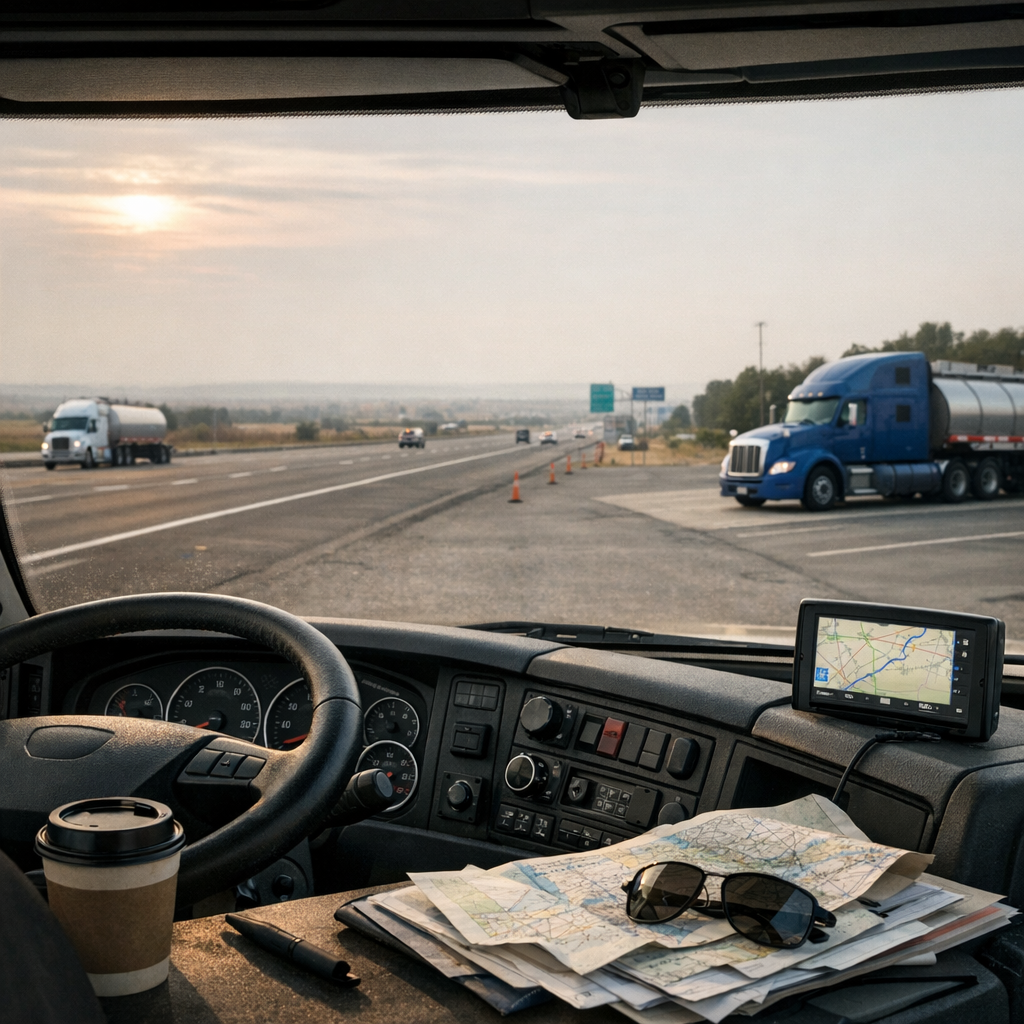
The necessity to anticipate and plan movements well in advance can increase the cognitive and physical workload on truck drivers. Constant vigilance to road conditions and vehicle behavior is required to counteract the limited maneuverability. Over long periods, this heightened demand may contribute to fatigue, which can indirectly increase crash risk or reduce reaction times in emergency situations.
Neutral Closing Thoughts
Limited maneuverability is an inherent characteristic of heavy trucks that shapes their operation and interaction with other road users. It arises from fundamental physical factors such as vehicle size, weight, and design, influencing the vehicle’s turning ability, stopping distance, and response to hazards. These limitations play a significant role in how these trucks perform on the road and interact in crash scenarios. Understanding these dynamics provides insight into the challenges heavy trucks face, emphasizing the complexities involved in their safe operation amid diverse traffic conditions.