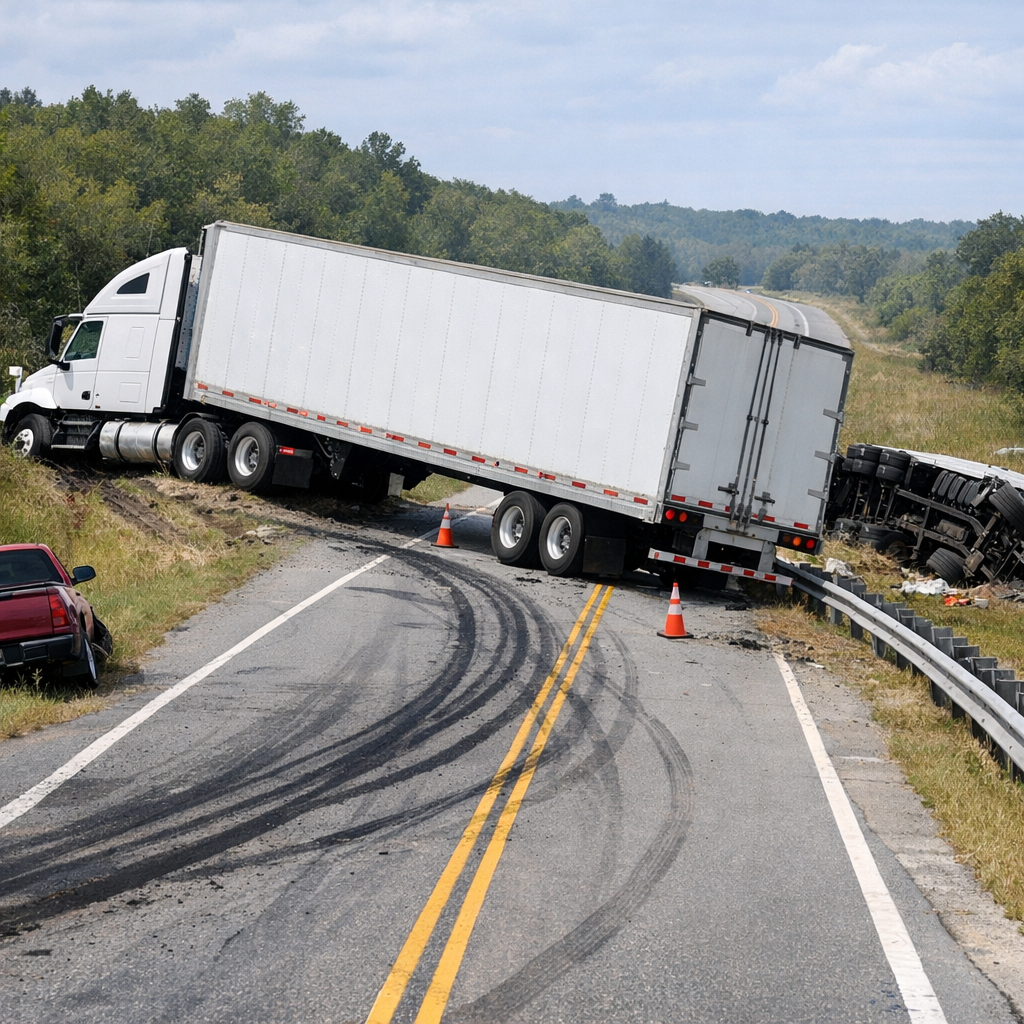

Flare Ups of Pain After Semi Truck Crashes
Understanding Pain Flare Ups After Semi Truck Crashes
Flare ups of pain after semi truck crashes are a common outcome experienced by many individuals involved in these high-impact collisions. These flare ups refer to the sudden intensification or return of pain symptoms that may have diminished or appeared manageable initially. Pain flare ups related to semi truck crashes often result from musculoskeletal injuries, nerve damage, or soft tissue trauma sustained during the incident.
The severity and persistence of pain flare ups can vary widely based on the nature of the crash, the injuries sustained, and individual physiological responses. Semi truck crashes tend to involve significant force, which increases the likelihood of complex injuries such as whiplash, spinal cord strain, and fractures. These injuries can lead to intermittent episodes of increased pain that may seem to arise without clear triggers.
Pain flare ups may also be influenced by inflammation, scar tissue formation, or delayed healing processes. In some cases, initial treatments and rest reduce pain temporarily, but physical activity, certain movements, or environmental factors later provoke a resurgence of discomfort. The pattern of pain flare ups is often unpredictable and may last for weeks, months, or even longer following the crash.
Impact on Daily Life Over Time
The repeated experience of pain flare ups after a semi truck crash can significantly affect daily functioning. Individuals may find their ability to perform routine activities fluctuating along with their pain levels. Simple motions such as turning the head, lifting objects, or sitting for extended periods might become more challenging during flare ups.
Over time, some people notice that pain flare ups restrict their participation in social, recreational, or occupational tasks. Physical demands that were once manageable may trigger discomfort, leading to adjustments in how tasks are approached or avoided altogether. This can contribute to fatigue, reduced mobility, and changes in posture to compensate for pain, which sometimes results in secondary issues.
The psychological effects of enduring pain flare ups can also influence daily life. Uncertainty about when pain will increase may affect concentration, sleep quality, and overall mood. Despite this, many individuals develop coping mechanisms to maintain as much normalcy as possible in their environments.
Pain flare ups may interfere with medical treatment plans, as individuals and healthcare providers work to identify effective symptom management strategies. The intermittent nature of flare ups can complicate assessments of injury recovery and rehabilitation progress.
Common Concerns Associated with Pain Flare Ups
Several concerns often arise in discussions about pain flare ups following semi truck crashes. One common worry is whether these episodes signal ongoing or worsening damage. Because flare ups can appear without a clear physical cause, distinguishing between normal healing variations and serious complications can be challenging.
Another concern relates to the use of pain medication or other interventions during flare ups. Questions about dependency, side effects, and long-term effectiveness frequently come up in managing recurrent episodes of intensified pain. Individuals might also be uncertain about how much activity to maintain during these times, balancing rest and movement without clear guidelines.
There is often confusion surrounding the expected duration of pain flare ups. Some individuals anticipate a linear improvement after injury, while the reality may involve fluctuating symptoms over extended periods. This variability can lead to feelings of frustration or discouragement regarding recovery progress.
Lastly, the impact of flare ups on personal and professional responsibilities is a common source of concern. Interruptions caused by pain may affect work schedules, family roles, and social engagements, making planning difficult. It is not unusual for people to worry about future limitations or long-term disability stemming from these ongoing symptoms.
Informational Perspective on Pain Flare Ups
Pain flare ups after semi truck crashes represent a complex outcome influenced by injury type, individual healing processes, and external factors. While these episodes can be disruptive, they are part of the broader landscape of injury response and recovery. Understanding that flare ups are not unusual may provide some clarity in anticipating the course of symptoms.
Recognizing the nature of pain flare ups involves acknowledging their intermittent character and how they might change over time. The body’s response to trauma and healing tends to be dynamic rather than fixed. This dynamic process contributes to the variability seen in flare up patterns, highlighting the importance of ongoing observation and adjustment.
The experience of pain flare ups underscores the multifaceted impact of semi truck crashes beyond the initial injury event. Attention to symptoms during flare ups can inform communication with healthcare professionals and guide modifications in daily activities to accommodate shifting physical capacities.
Overall, pain flare ups are a notable feature in the aftermath of semi truck crashes, reflecting the complex interplay between injury-induced changes and recovery efforts. Maintaining awareness of these patterns can aid individuals and those around them in navigating the challenges associated with pain intensity fluctuations over time.