
Fatigue Related Decision Errors in Trucking
Fatigue plays a significant role in the trucking industry, influencing decision-making processes in ways that can lead to serious consequences. Understanding how fatigue impacts the cognitive functions of truck drivers sheds light on the complexities of safety on the road. Fatigue-related decision errors are not simply a matter of tiredness; they represent a critical element that affects the entire chain of actions within trucking operations.
The Cognitive Systems Affected by Fatigue in Trucking
The Neurological Impact of Fatigue on Drivers
Fatigue is known to impair various neurological systems responsible for alertness, attention, and cognitive processing. In truck drivers, extended hours behind the wheel induce a state of mental and physical exhaustion, reducing the brain’s ability to process information quickly and accurately. This impairment can affect the prefrontal cortex, the region responsible for judgment, problem-solving, and risk evaluation. When fatigued, drivers experience slower reaction times and diminished ability to assess hazardous situations effectively.
Interaction Between Fatigue and Memory Functions
Memory plays a crucial role in decision-making during driving. Working memory helps drivers maintain situational awareness and recall traffic rules or prior information about road conditions. Fatigue impairs this function by diminishing the capacity to hold and manipulate information short-term, leading to errors such as forgetting to check mirrors or misreading road signs. Over time, accumulated fatigue can degrade these cognitive processes, contributing to lapses in vigilance that are critical in high-speed or complex driving scenarios.
Fatigue’s Effect on Emotional Regulation and Risk Perception
Fatigue also influences emotional regulation, often heightening frustration or stress levels among truck drivers. This emotional strain can skew risk perception, leading drivers to underestimate dangers or overestimate their capability to handle challenging situations. The interplay of exhaustion and emotional strain may prompt hazardous decision-making behaviors, such as aggressive driving or impaired judgment regarding speed and distances.
Mechanisms of Fatigue-Related Decision Errors in Trucking
Slow Decision-Making and Information Processing
When fatigue sets in, truck drivers often experience a slowdown in processing external stimuli, including the movement of other vehicles, changes in traffic lights, or sudden obstacles. This delay can lead to decision errors because the driver’s response lags behind the demands of a dynamic and fast-paced environment. Slow decision-making increases the likelihood of missing critical cues that would normally prompt corrective actions, such as braking or steering adjustments.
Reduced Attention and Situational Awareness
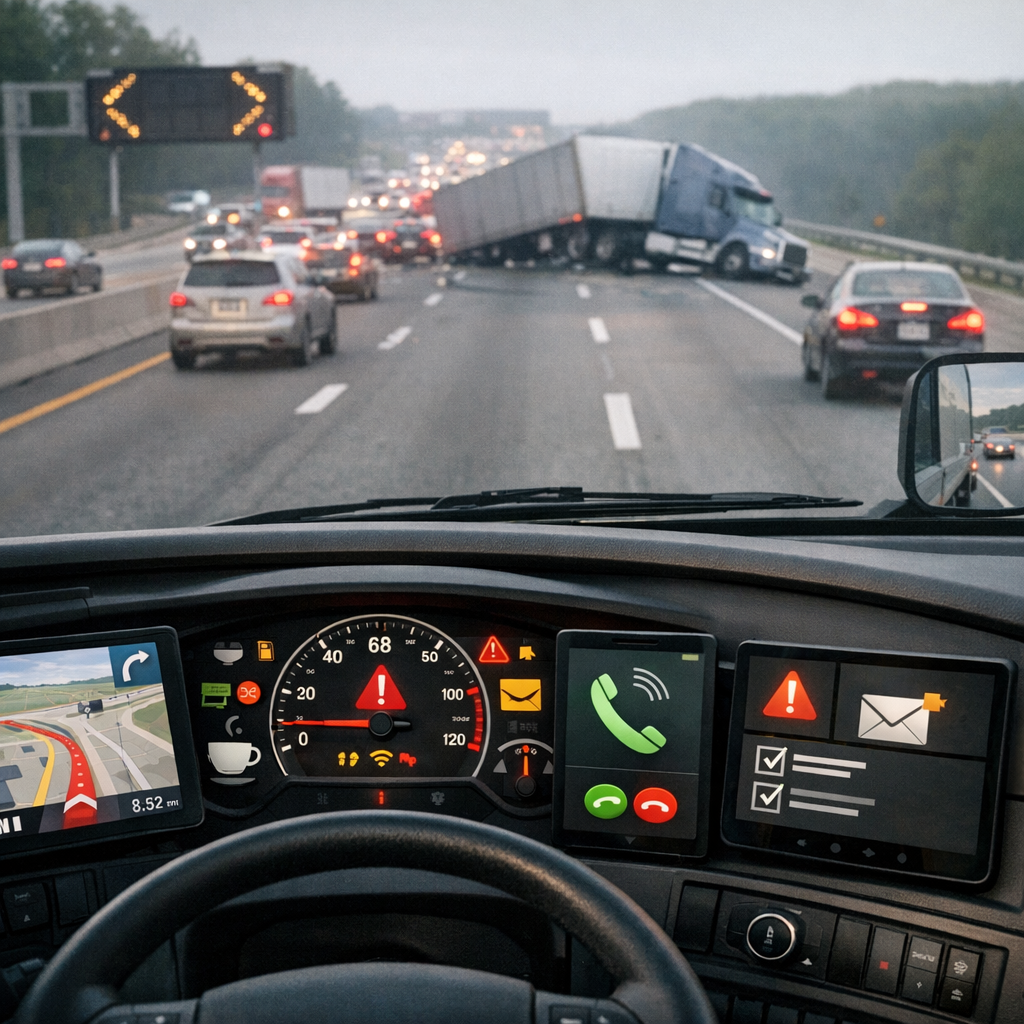
Sustained attention is a foundational component of safe driving. Fatigue compromises this by causing lapses in attention or microsleeps—brief moments when the mind disengages from the task at hand. During these periods, critical information about road conditions may be missed entirely. A driver’s narrowed focus under fatigue means peripheral hazards or subtle environmental changes are less likely to be detected, resulting in decisions based on incomplete or outdated information.
Impaired Judgment Leading to Risky Maneuvers
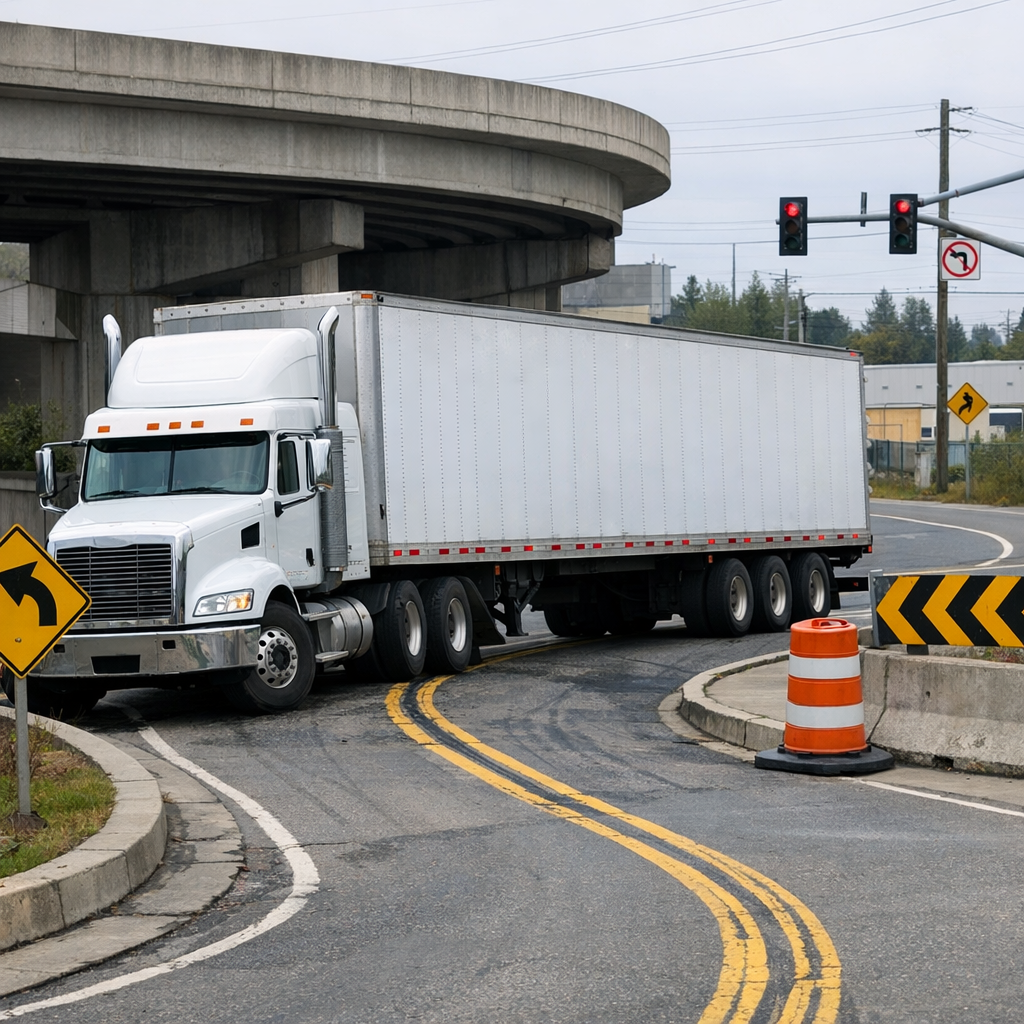
Fatigue disrupts the balance between cautious and risky decisions. The cognitive fog associated with exhaustion can diminish the driver’s ability to judge appropriate speeds or overtaking maneuvers. This impairment can cause a driver to make risky decisions they would normally avoid, such as miscalculating safe gaps between vehicles or misjudging the time required to complete a turn. Such errors increase the risk of collisions or loss of control.
The Real-World Implications of Fatigue Decisions in Trucking Crashes
Elevated Crash Risk Related to Decision Errors
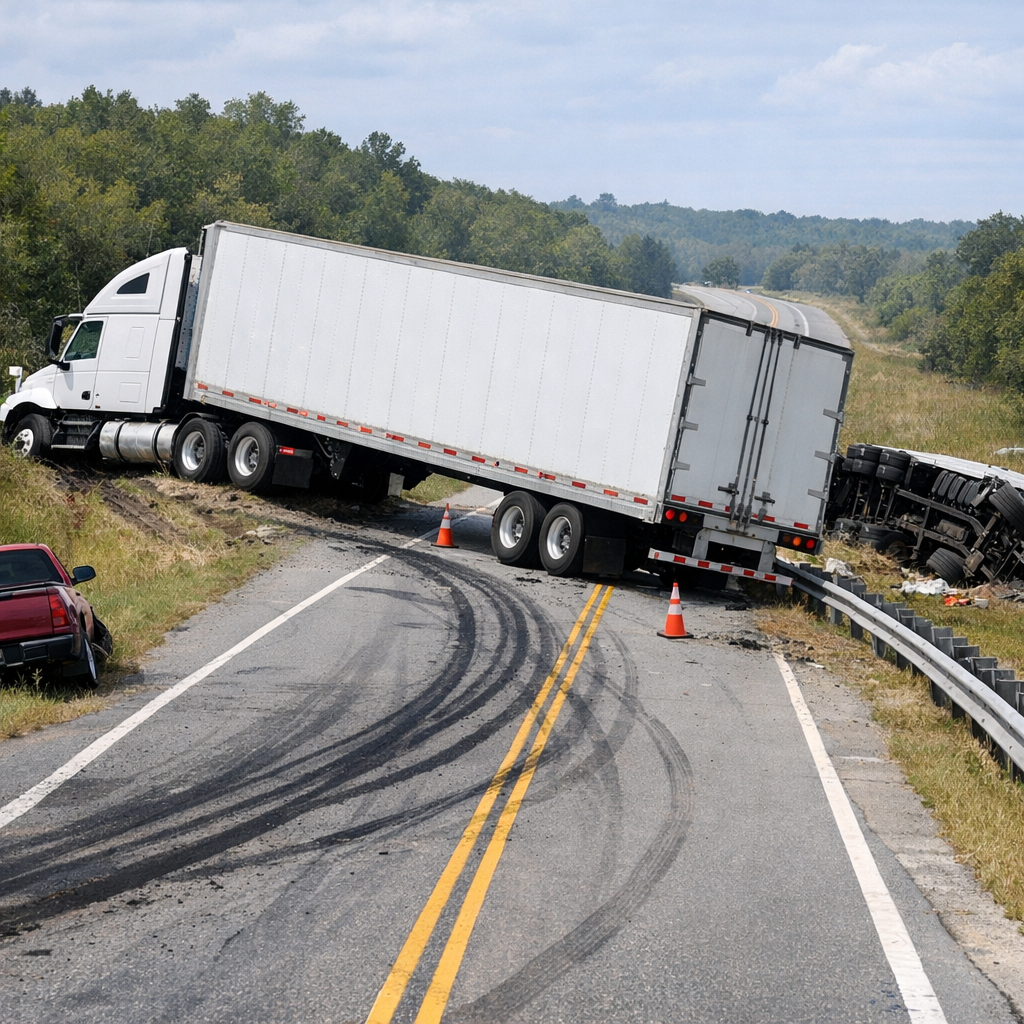
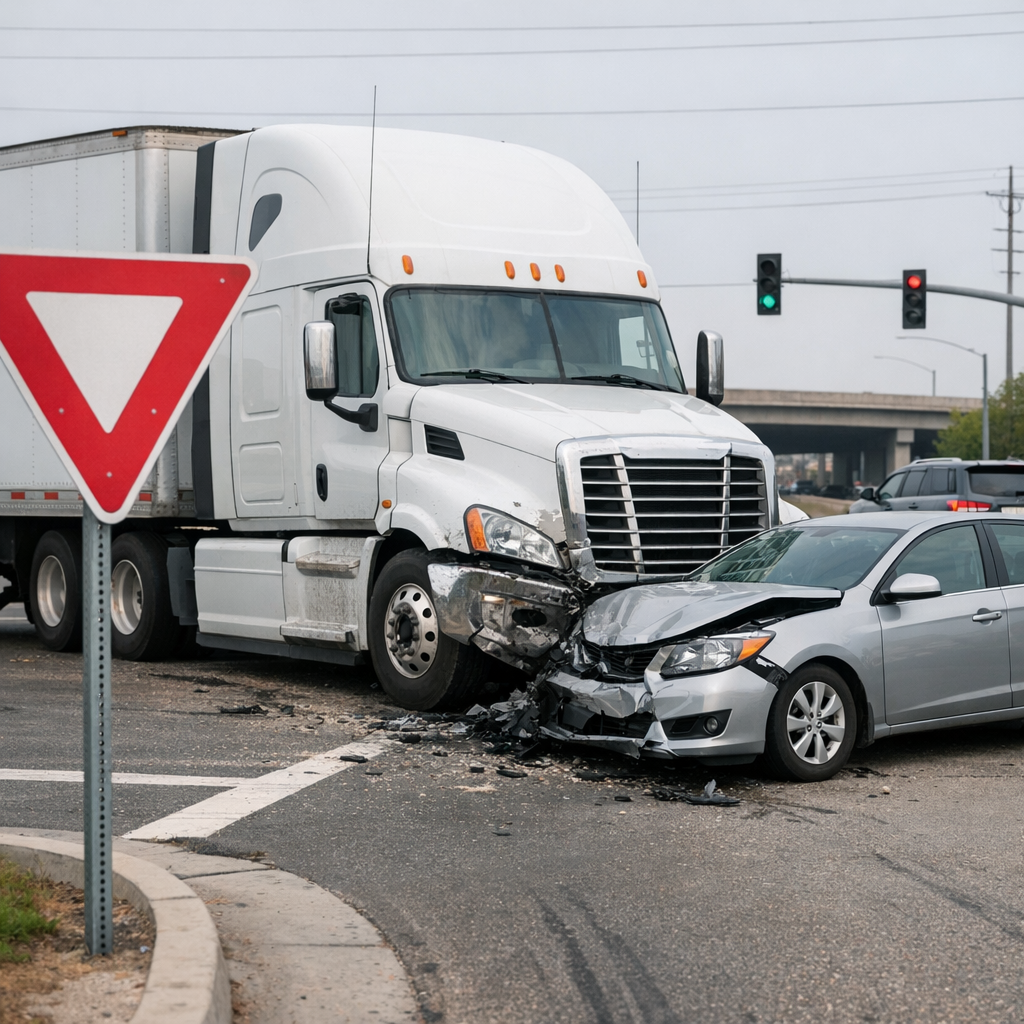
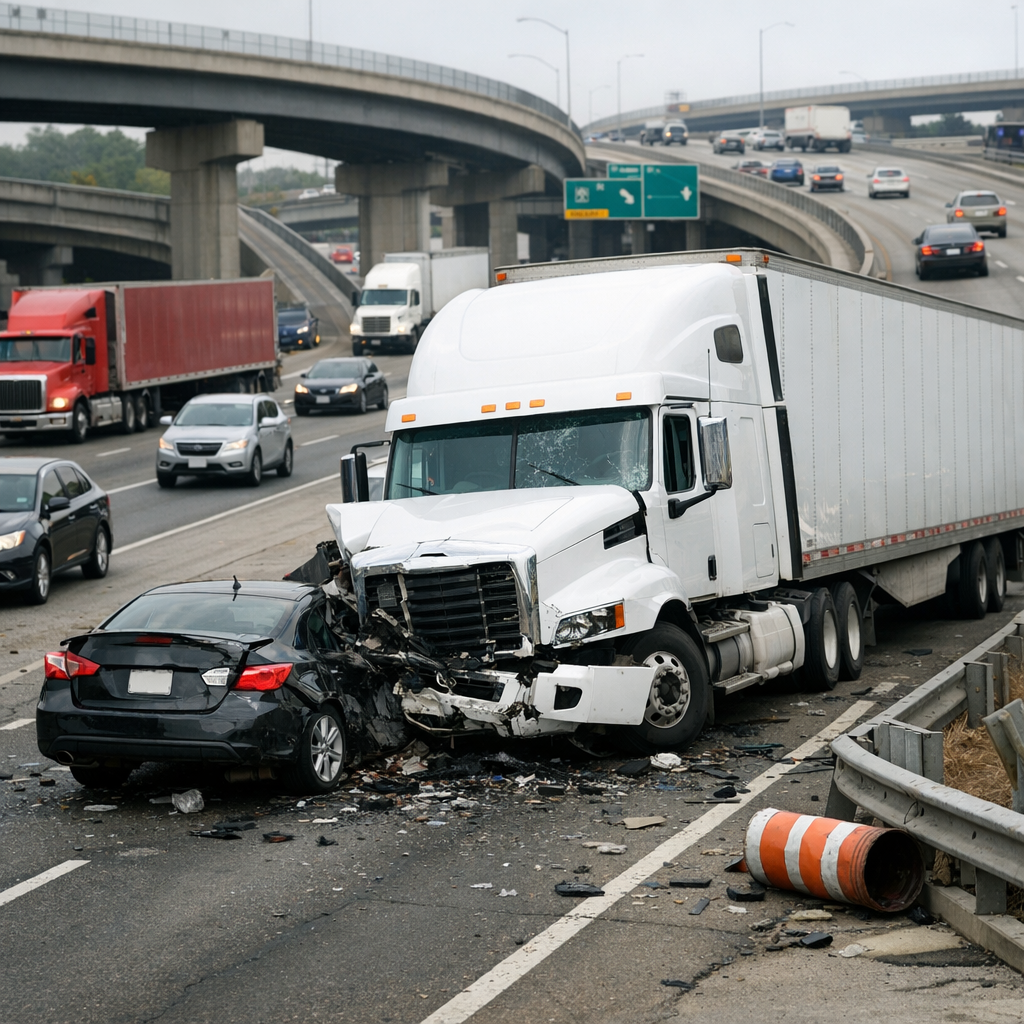
Data from accident investigations frequently identify driver fatigue as a significant contributing factor. Fatigue-related decision errors—such as delayed braking, poor hazard perception, and inadequate collision avoidance—have been observed in various crash scenarios. These errors often translate into rear-end collisions, run-off-road crashes, or intersection accidents, which can be particularly severe given the size and weight of commercial trucks.
Interaction with Other Risk Factors on the Road
Decision errors caused by fatigue rarely occur in isolation. Environmental factors like poor weather or complex traffic patterns can compound the impact of fatigue on a driver’s decision-making abilities. For instance, a fatigued driver facing heavy rain may misjudge stopping distance or fail to anticipate slippery surfaces, amplifying the risk of an accident. The combination of fatigue with other hazards illustrates how critical sound judgment is and how much it deteriorates under exhaustion.
Implications for Crash Severity and Post-Crash Outcomes
Fatigue-induced decision errors not only increase the likelihood of crashes but may also affect their severity. In some cases, delayed reactions prevent drivers from taking evasive action, resulting in high-impact collisions. Furthermore, decision errors related to fatigue might influence post-crash behaviors, such as the ability to respond effectively in emergency situations or communicate necessary information after an incident, thereby affecting the overall outcome.
Closing Thoughts on Fatigue and Decision Errors in Trucking
Fatigue-related decision errors are a multifaceted issue within the trucking industry that affect cognitive, emotional, and perceptual systems. These errors manifest in various ways, including slower information processing, diminished attention, and poor judgment, which in turn influence crash risk and severity. The complexity of fatigue’s influence illustrates why understanding its mechanisms and implications remains a critical area of study, particularly given the unique challenges faced by truck drivers on the road. A neutral perspective on these phenomena helps frame ongoing discussions and research into improving trucking safety environments beyond regulatory or legal contexts.