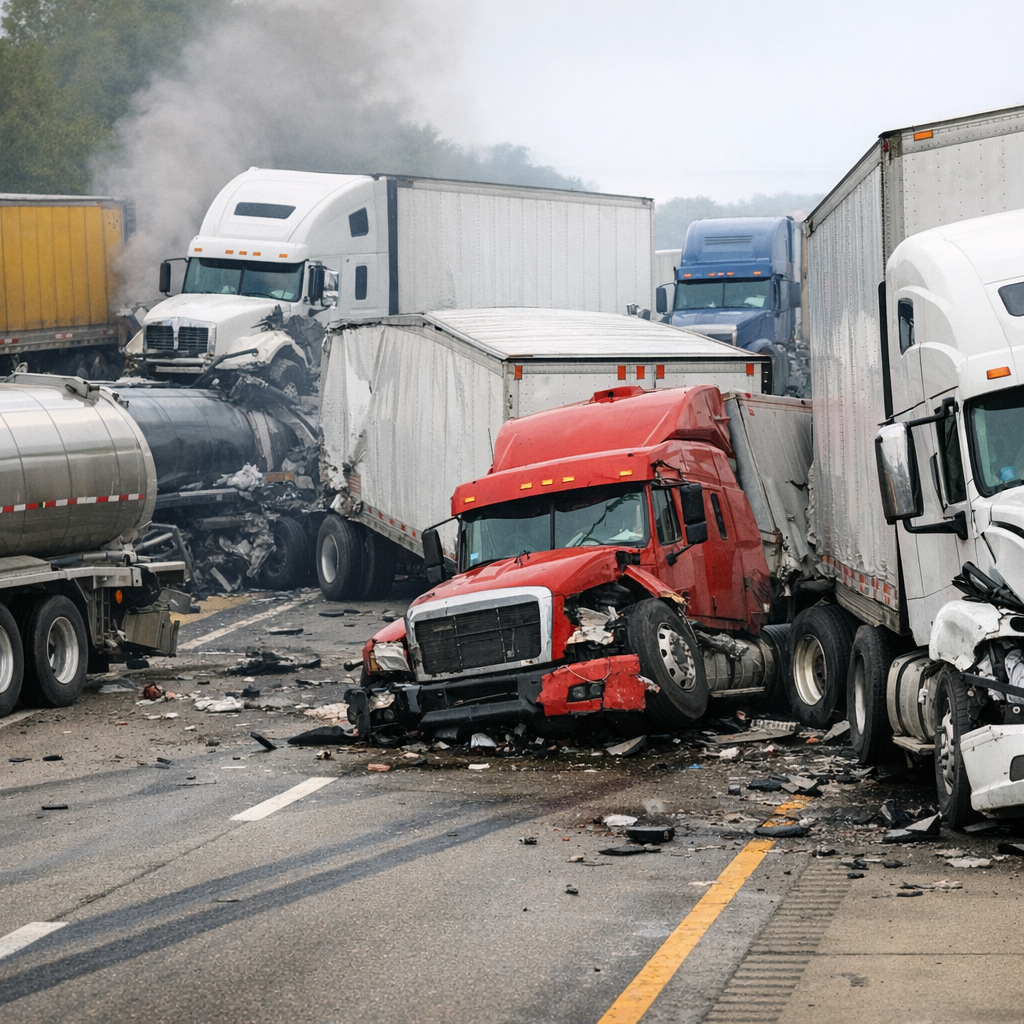
Why do semi trucks cause chain reaction crashes
Many drivers and road users often wonder why semi trucks are frequently involved in chain reaction crashes. The question arises because these large vehicles appear to be linked with multi-vehicle accidents involving a series of collisions. Understanding this phenomenon requires looking at the physical characteristics of semi trucks, road conditions, and traffic dynamics that contribute to these complex accidents.
Understanding the Nature of Chain Reaction Crashes Involving Semi Trucks
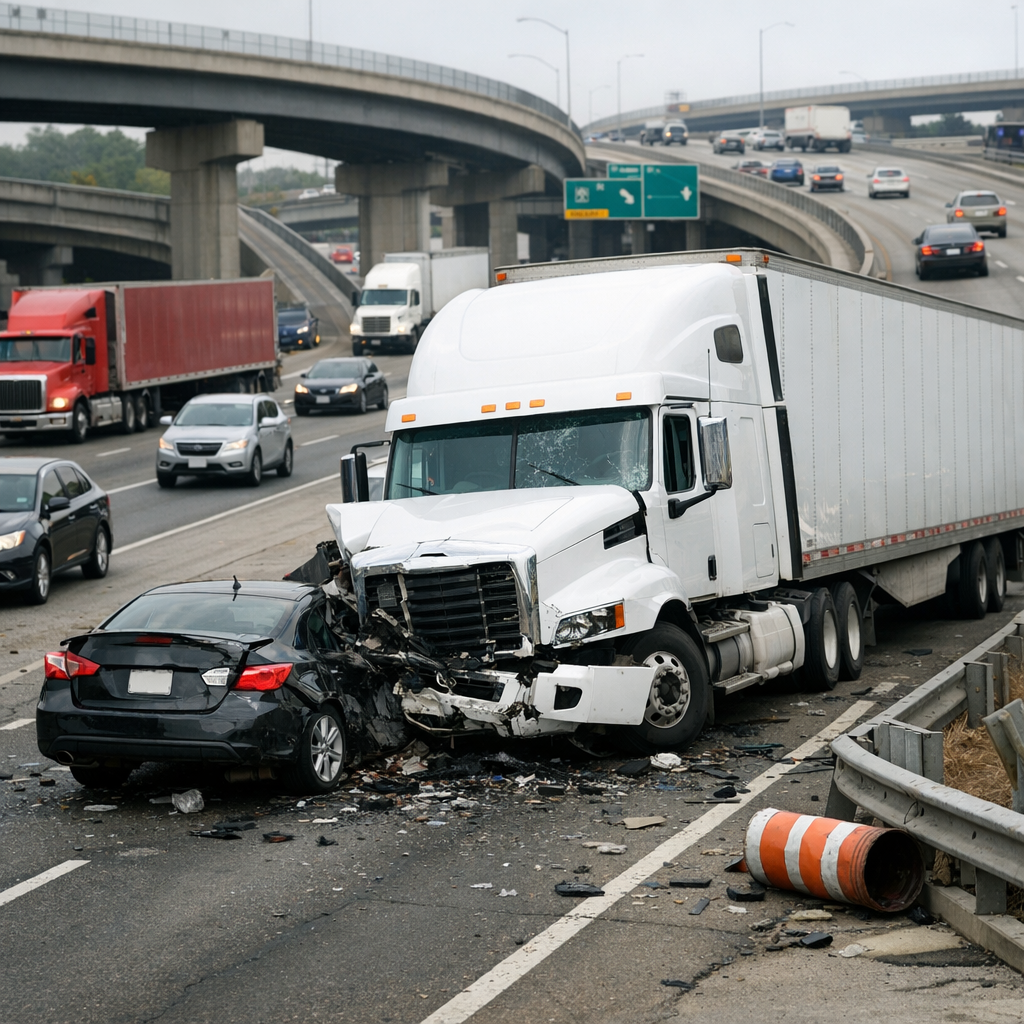
Chain reaction crashes, sometimes called pile-ups, happen when multiple vehicles collide in succession. The presence of a semi truck in such accidents tends to escalate the severity and scope. Semi trucks are considerably larger and heavier than passenger cars, typically weighing anywhere from 20 to 40 times more. This disparity in size and mass influences the way crashes unfold.
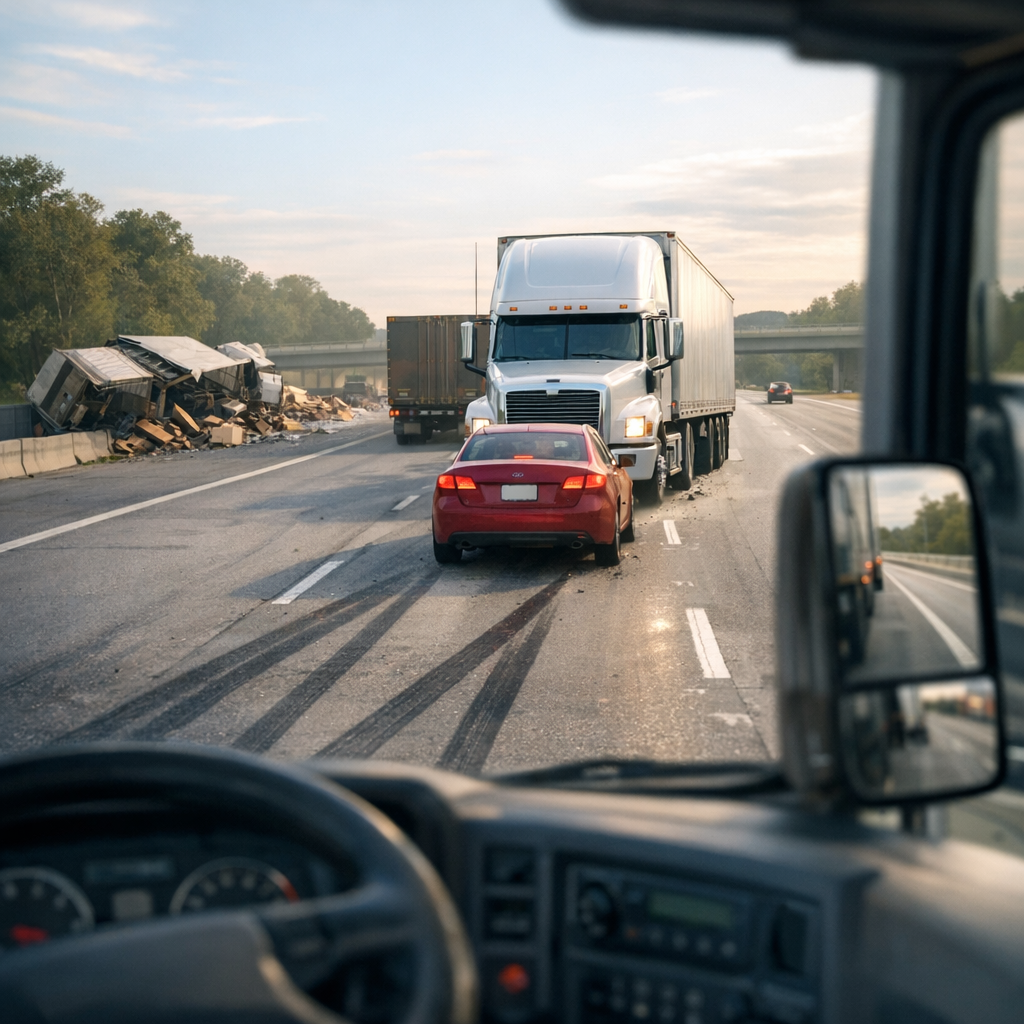
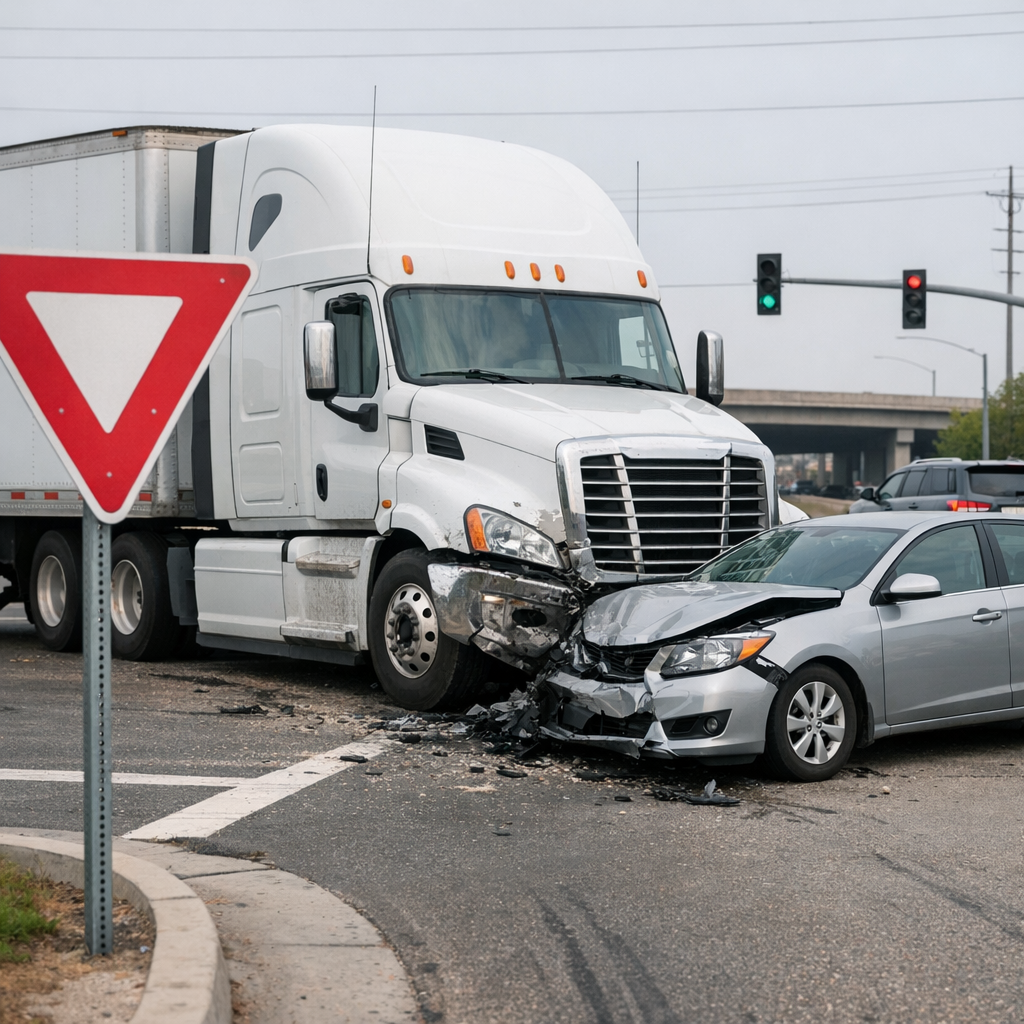
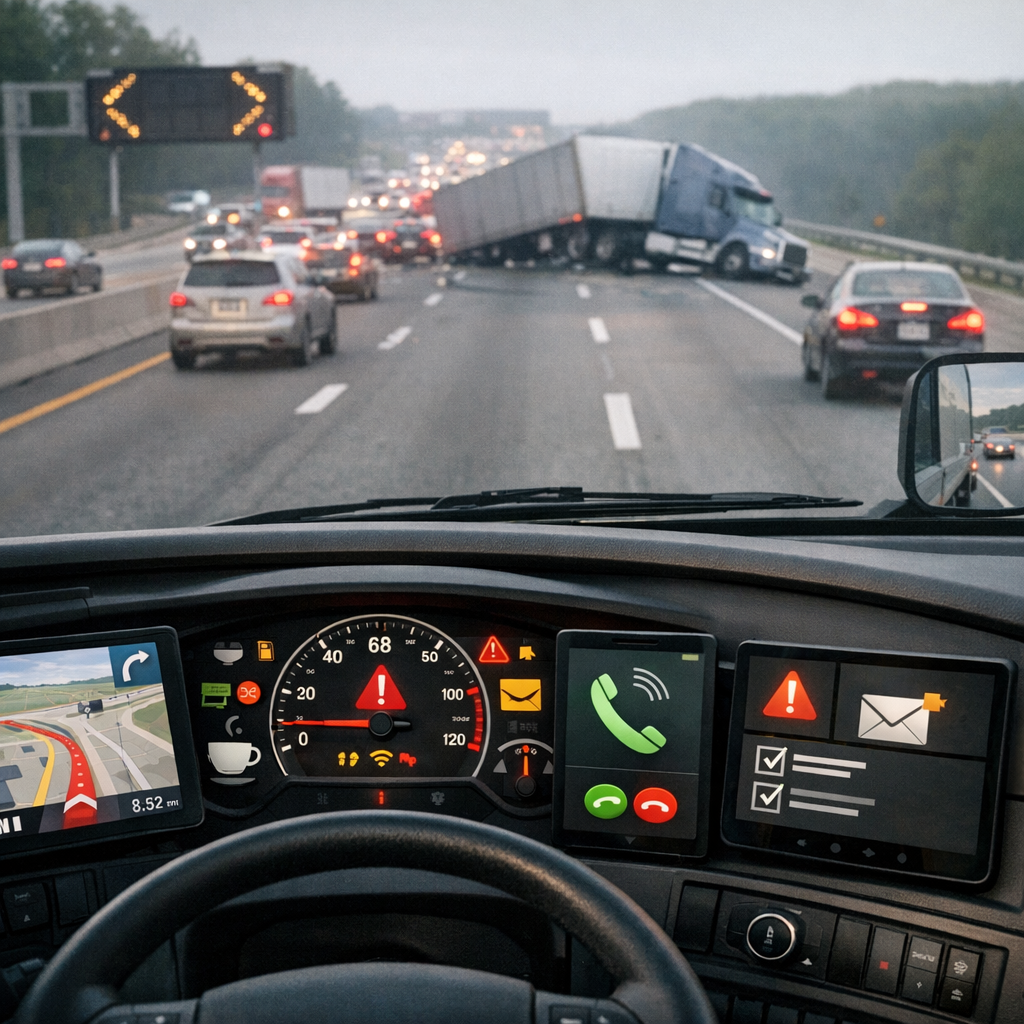
When a semi truck is involved, it’s less able to stop quickly due to its heavy load and longer braking distances. If a vehicle suddenly slows down or stops ahead, the semi truck driver may not have enough time or space to react and halt safely. This often leads to the semi striking one vehicle, which then pushes into others, creating a domino effect. The immense momentum of the truck causes even a small initial collision to multiply rapidly, involving multiple cars or trucks.
Factors That Make Semi Trucks Prone to Involvement in Multi-Vehicle Collisions
Several factors increase the likelihood that semi trucks will cause or be part of chain reaction semi crashes. For one, limited visibility plays a significant role. Semi trucks have large blind spots on all sides, making it challenging for the driver to spot smaller vehicles close around them. In dense traffic or poor weather, these blind spots can reduce time available to respond.
Road conditions also contribute. On highways or busy interstate roads where semi trucks are common, traffic often moves at high speeds. When sudden braking occurs, the safe following distances needed for these large trucks are sometimes not respected by other drivers, or the truck itself cannot maintain that gap. This can quickly escalate to rear-end collisions involving multiple vehicles.
Another important aspect is the nature of semi trucks’ braking systems. While commercial trucks have advanced air brake systems, the physics involved means they require longer distances to come to a complete stop. This braking delay, especially on slick or uneven surfaces, makes it difficult to avoid collisions when traffic becomes congested abruptly.
Insights That Might Be Overlooked About Chain Reaction Semi Crashes
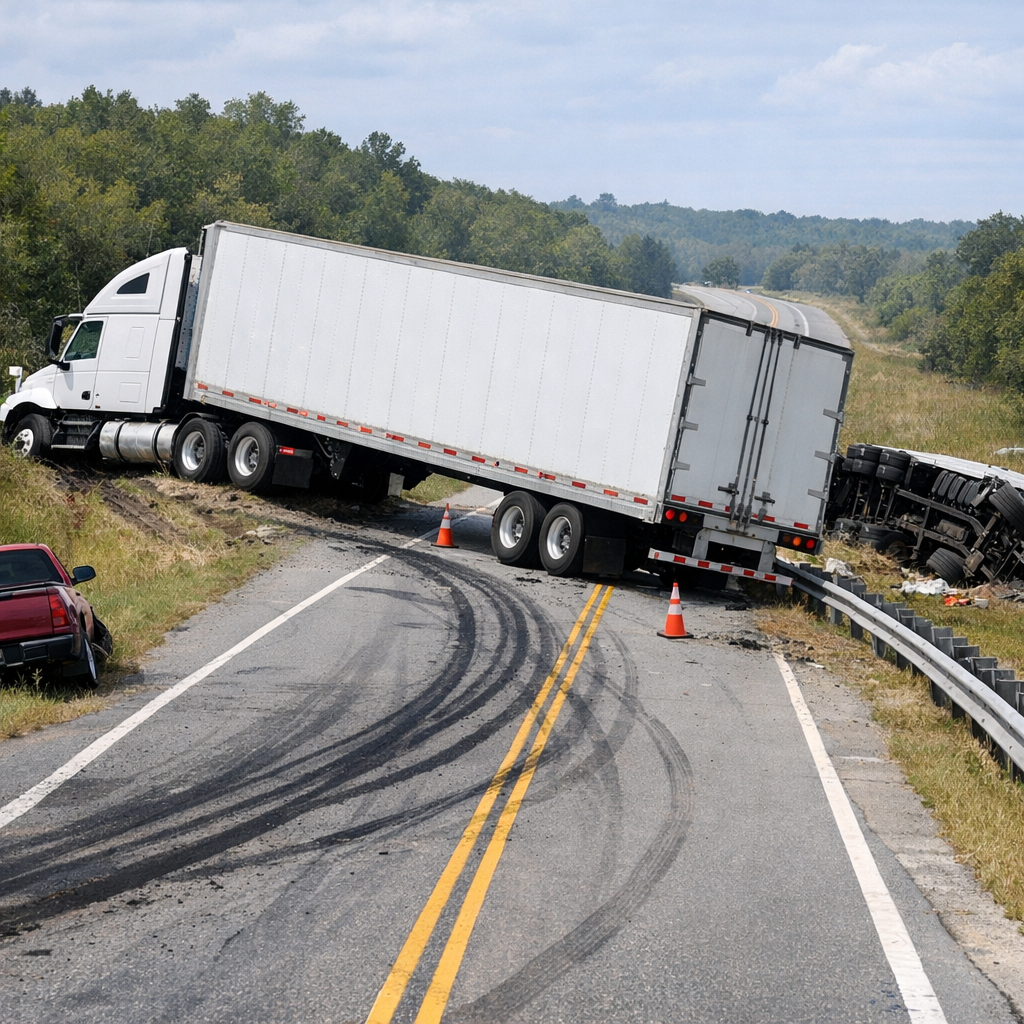
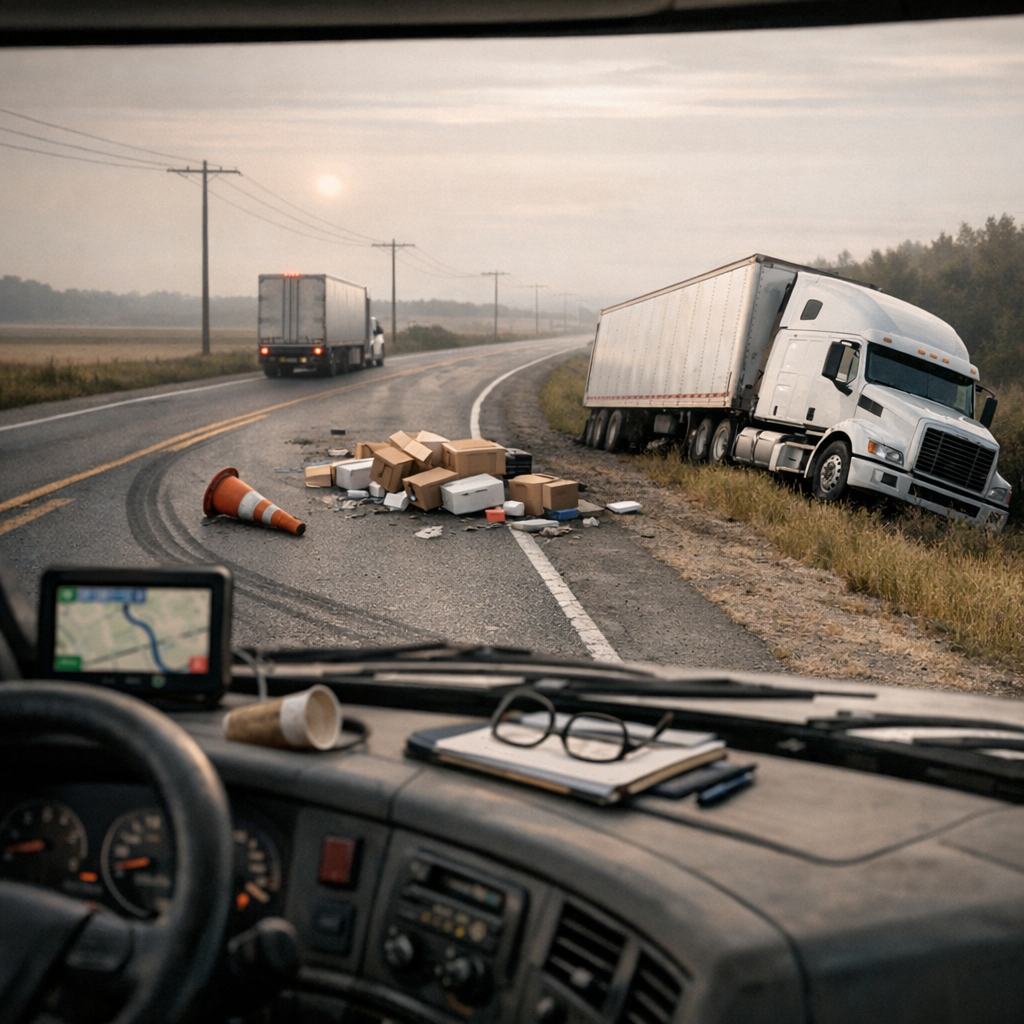
It is often assumed that these crashes happen purely because of driver error, but the mechanical and environmental factors deserve attention as well. For example, the weight distribution of goods carried by the semi can affect vehicle stability. Poorly loaded trucks may have a higher risk of jackknifing or losing control, which can set off multi-vehicle collisions.
Weather conditions are another hidden influence. Rain, fog, snow, or ice can reduce visibility and traction, compounding the challenges truck drivers face. In poor weather, the stopping distance increases even more, making chain reaction crashes more likely.
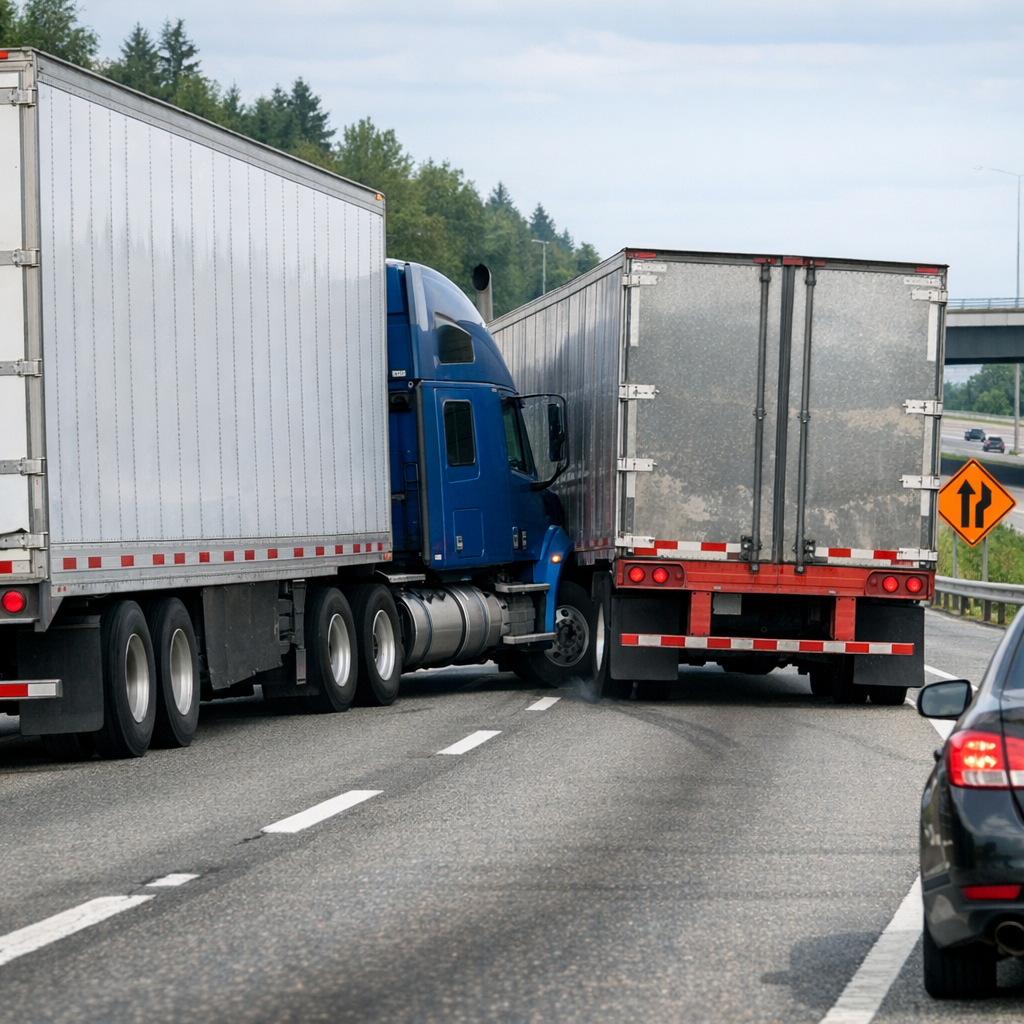
Traffic engineering and highway design can also be contributing factors. On certain roads, merges, exits, or lane reductions can create bottlenecks where trucks and cars are forced to operate in closer proximity than ideal. This environment increases the chances of sudden braking and subsequent crashes.
Approaching the Topic With Perspective
Recognizing why semi trucks are commonly involved in chain reaction crashes helps bring a clearer understanding of the challenges inherent in sharing roadways with large commercial vehicles. Semi trucks operate under strict regulations and are driven by trained professionals, but the physics of their size and weight inevitably influence how collisions unfold.
Being aware of the unique conditions semi trucks face allows for a more informed view of traffic safety. Chain reaction semi crashes are complex events shaped by vehicle dynamics, road environments, and weather factors. While they can lead to serious incidents, understanding the reasons behind these crashes contributes to better knowledge of roadway risks and the importance of cautious driving around large trucks.