
Why do injuries worsen after semi truck crashes
Many people wonder why injuries sometimes appear to become worse in the hours or days following a semi truck crash. It is common to hear about individuals who initially feel only minor discomfort or shock at the scene of the accident but then find their symptoms intensify later on. Understanding the reasons behind this progression helps clarify why injuries do not always present immediately and why delayed injuries after a semi crash require attention.
Common questions about delayed symptoms in truck accidents
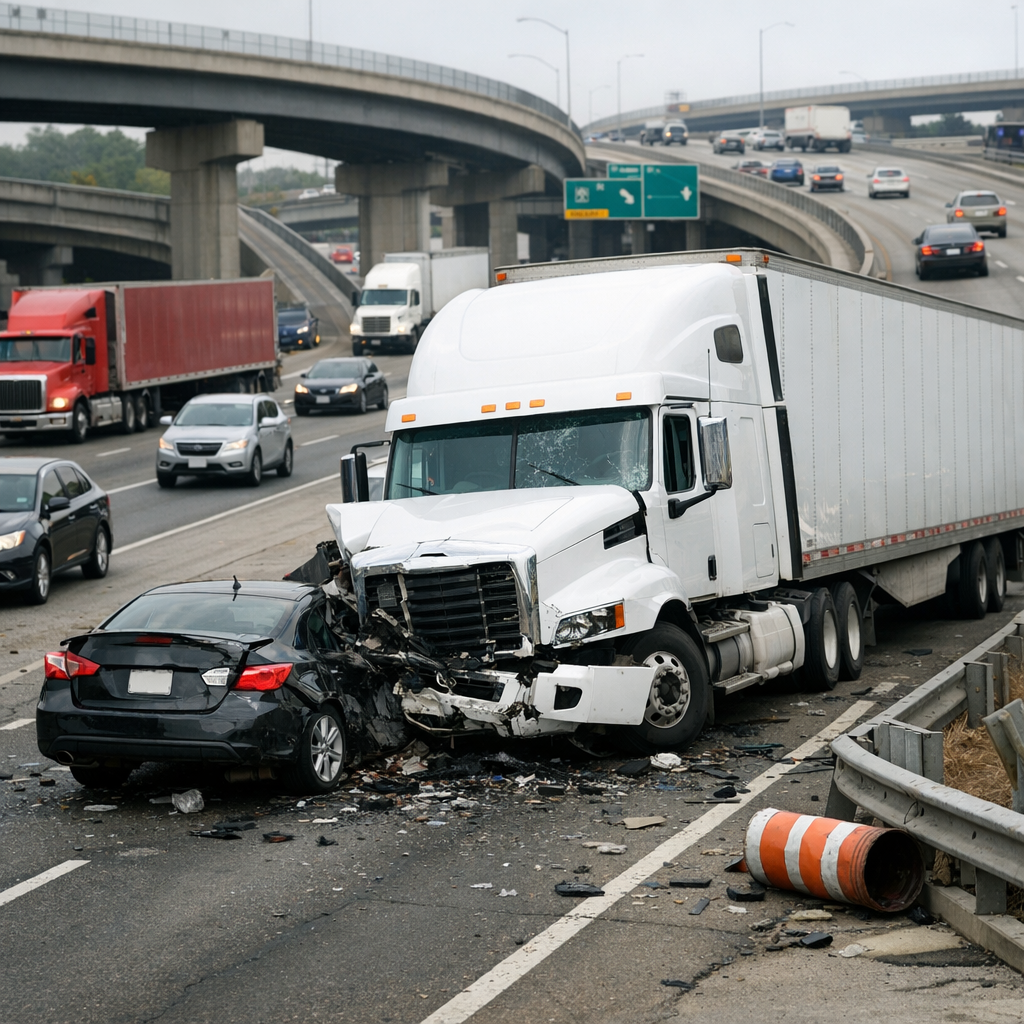
When a semi truck is involved in a collision, the force and size disparity compared to other vehicles draw immediate concern for potential harm. However, the visible damage to a vehicle or oneself does not always match the severity of injuries sustained. After a crash, people ask why their aches, pains, or other health issues seem to worsen instead of improving, leading to confusion and anxiety.
This uncertainty arises partly because the human body reacts in complex ways to high-impact forces. Sensations of injury can be masked by adrenaline in the moments following impact, and some internal damage only becomes apparent over time. Exploring why these delayed injuries occur provides useful insight for anyone involved or interested in the dynamics of semi truck collisions.
Factors influencing injury progression after semi truck crashes
Semi trucks are massive vehicles, often weighing tens of thousands of pounds. The momentum transferred in a collision with smaller vehicles typically generates tremendous force upon impact. This heightened force can stress the body in ways that might not cause immediate, noticeable pain but result in injury that worsens over time.
One factor is the body’s natural acute stress response. Immediately after a crash, adrenaline floods the system, temporarily numbing pain receptors and boosting alertness. This hormonal surge can suppress pain sensations, making injuries feel less severe in the short term. As adrenaline levels decrease, however, the injured areas may begin to throb, stiffen, or swell, revealing the extent of damage that was initially unnoticed.
Additionally, some injuries involve internal tissues, muscles, ligaments, or organs that are not easily visible and do not always cause significant initial discomfort. Conditions such as whiplash, muscle strains, or internal bruising may develop gradually. Due to the high-impact forces in semi truck collisions, these internal damages are often more significant and complex than with smaller vehicle crashes, contributing to a delayed onset of symptoms.
Less obvious challenges behind injury worsening
Beyond the physiological responses, the mechanics of a semi truck crash can contribute to subtle yet severe damage. The height and weight of a semi truck often result in unique injury patterns, such as crushing injuries beneath the truck or compression injuries from the force of impact.
Seats and seatbelts, although safety features, may also play a role. In accidents involving large trucks, the sudden acceleration and deceleration forces can cause occupants’ bodies to undergo intense jolts, leading to injuries that manifest later. The alignment and force vectors experienced may produce stress on joints and connective tissues that only become painful after a delay.
Moreover, after an accident, individuals might initially focus on visible injuries such as cuts or bruises, overlooking or underestimating deeper musculoskeletal problems. This oversight can give the impression that injuries have suddenly worsened when, in reality, some symptoms simply take time to become noticeable.
Environmental factors during the crash and aftercare also influence the progression of injuries. Cold weather, for instance, can stiffen muscles and joints, exacerbating pain as the body recovers. Inadequate rest or movement too soon after trauma may contribute to symptom escalation as well.
Understanding the gradual nature of post-accident injury symptoms
The concept of delayed injuries after a semi crash highlights the importance of recognizing that not all trauma is immediately apparent. The human body’s complexity and the extreme forces involved in large truck collisions mean that injury assessment requires ongoing attention.
Even when pain or discomfort seems mild or absent initially, monitoring symptoms over time is essential. Some conditions may improve with rest, gentle movement, and time, while others might require medical evaluation to prevent further deterioration.
Knowledge of how and why injuries evolve can reduce confusion about the healing process and the timeline of symptom development. Awareness that worsening pain or new symptoms may not indicate a new injury but rather the natural progression of trauma can be reassuring.
Remaining attentive to one’s physical condition and understanding the delayed nature of some injuries are important for informed health management following these events. It also underscores that not all damage is visible at first glance.
Closing thoughts on injury evolution following truck collisions
Injuries that worsen after semi truck crashes result from a combination of mechanical forces, biological responses, and the complexity of trauma to the human body. The immediate aftermath of an accident is just the first phase in a continuum of physical reactions, some of which emerge gradually.
Recognizing the reasons behind delayed injury symptoms enhances comprehension of the recovery process from these high-impact events. It reminds us that trauma is not always straightforward in its presentation and that careful observation over time provides a clearer picture of one’s condition.
Understanding this progression can help manage expectations and emphasize the importance of ongoing self-awareness without causing unnecessary concern.