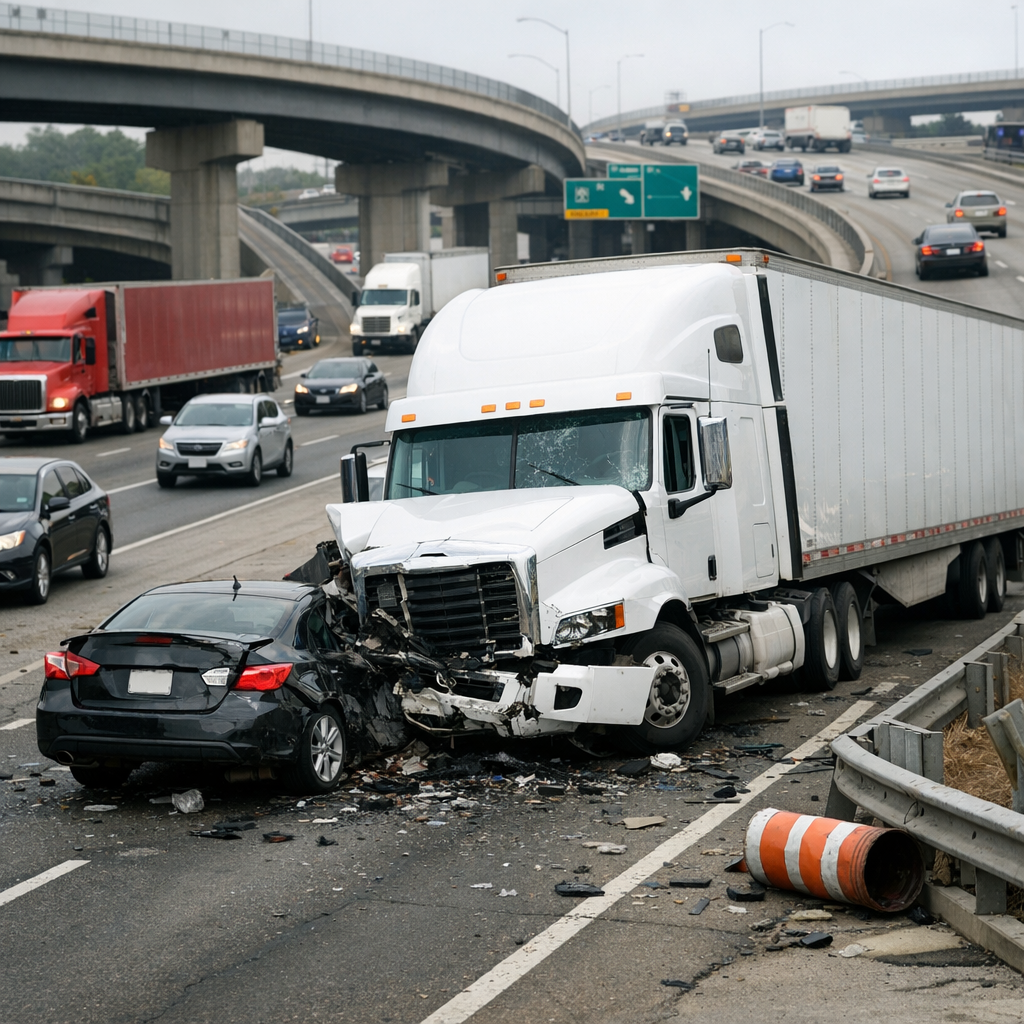

Why Do Big Rig Crashes Feel Disorienting Afterward
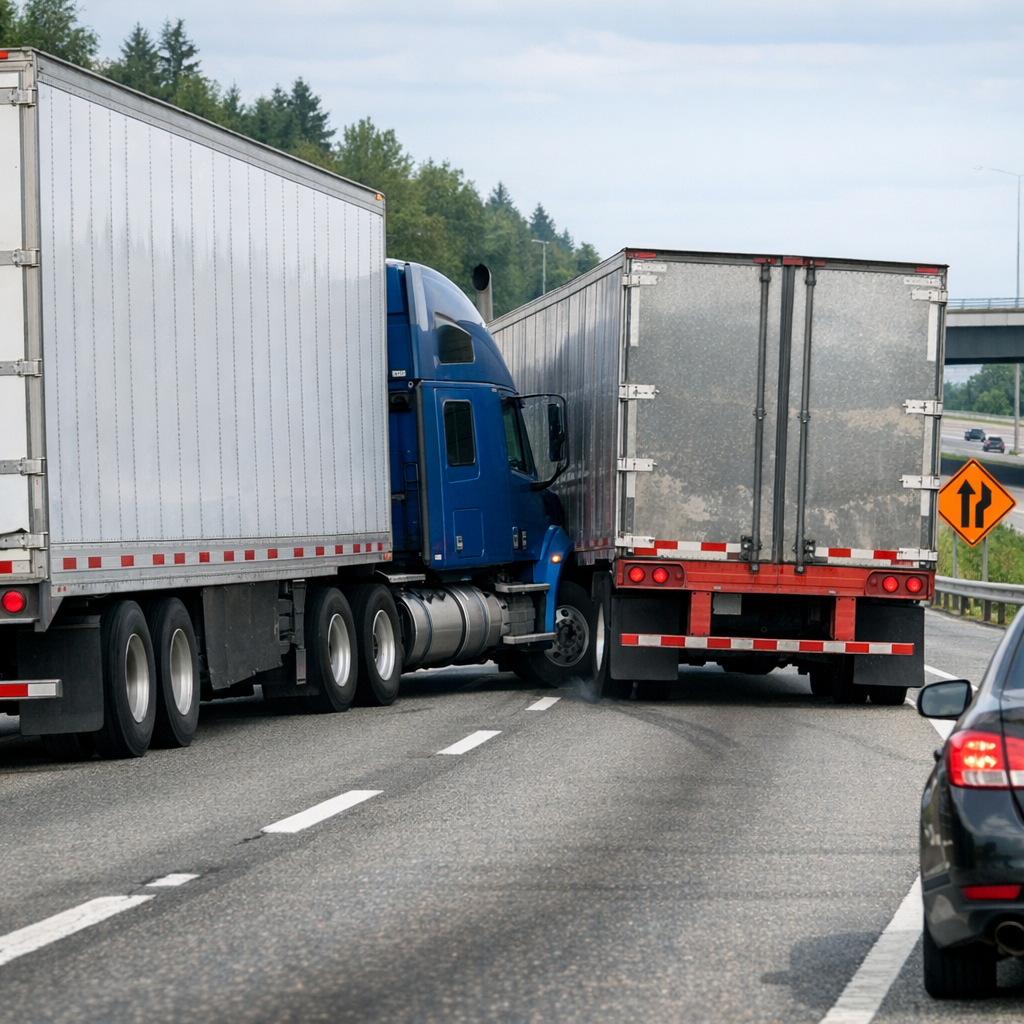
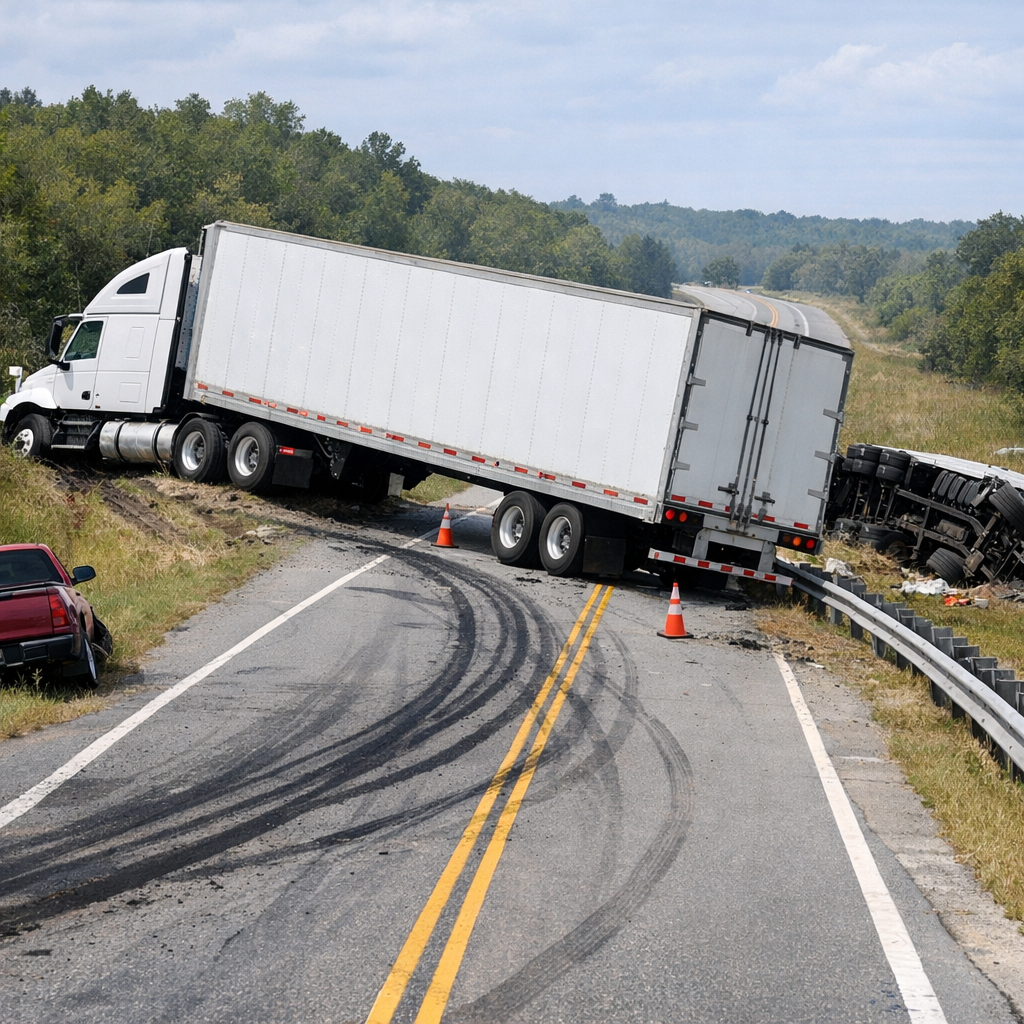
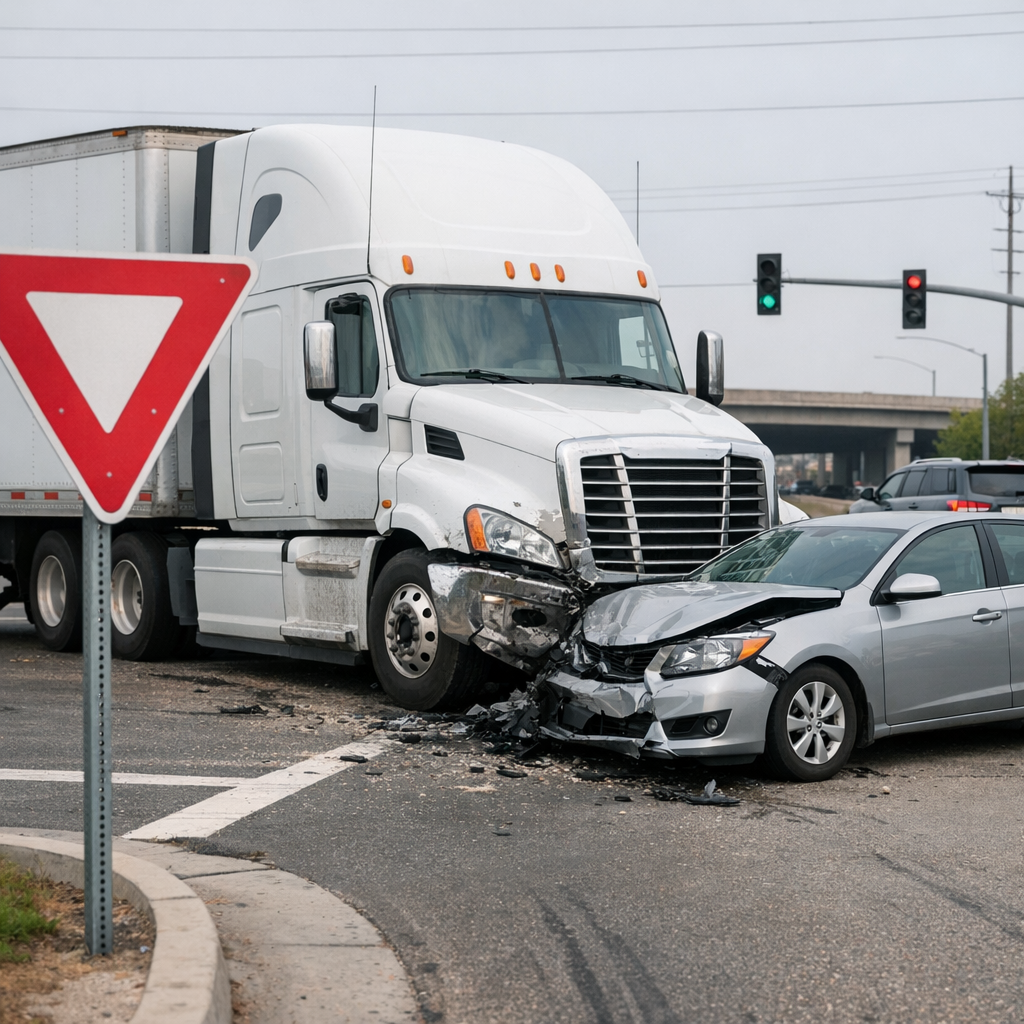
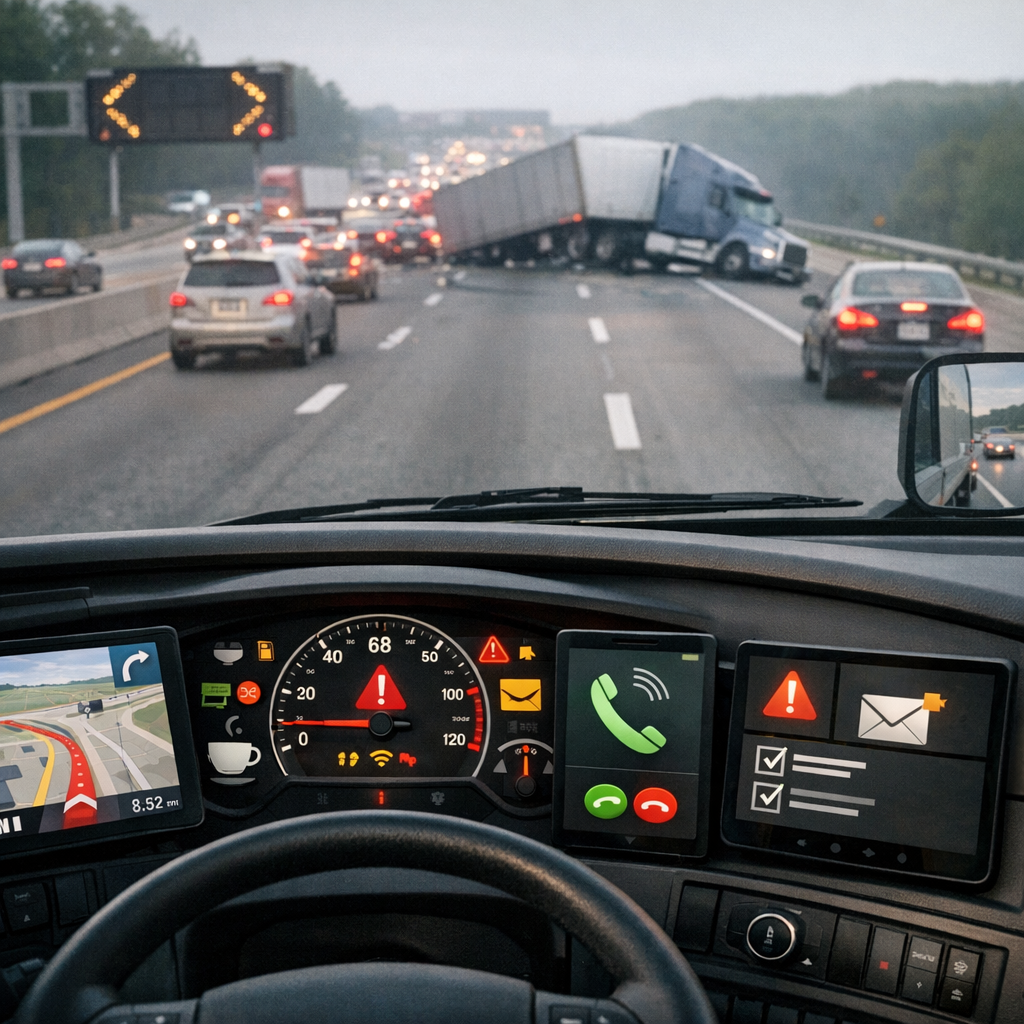
Many individuals who experience or witness a big rig crash often report a strong sense of confusion and physical imbalance immediately following the event. This common reaction leads to questions about why such incidents result in disorientation after a big rig crash. Understanding the reasons behind this sensation involves exploring both the physical impact of the crash and the neurological responses it triggers.
Understanding the Physical Factors Behind Disorientation
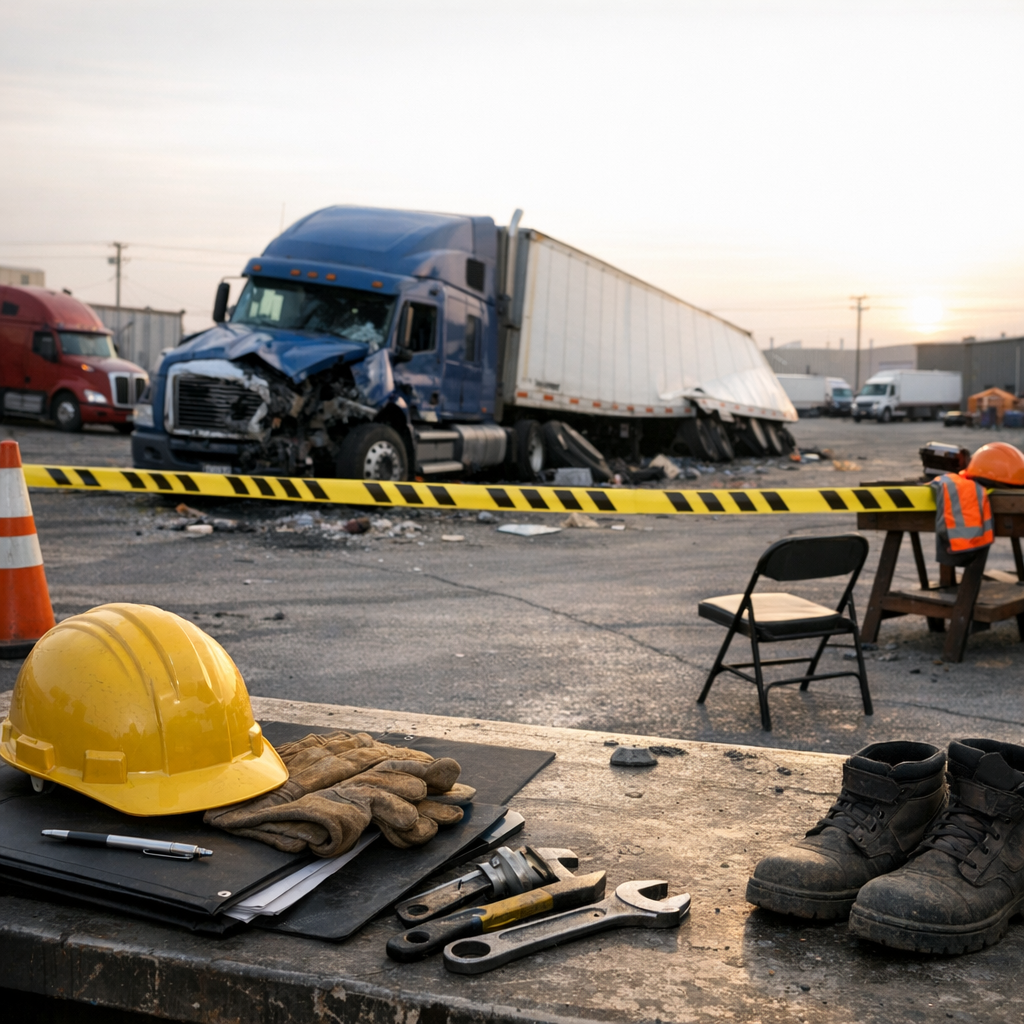
Big rigs are enormous vehicles that weigh much more than typical passenger cars, and when a collision occurs, the forces involved can be extremely intense. The sheer size and momentum of a big rig amplify the physical shock felt by anyone inside or near the crash. The body experiences rapid acceleration or deceleration combined with sudden movements in multiple directions. This abrupt change can overwhelm the body’s equilibrium systems.
Inside the inner ear, the vestibular system plays a critical role in maintaining balance and spatial orientation. A sudden jolt caused by a big rig crash can disrupt the semicircular canals and otolith organs responsible for detecting motion and position. This disturbance often leads to dizziness, imbalance, and a general feeling of vertigo.
Additionally, the impact of a crash may trigger a mild concussion or other forms of brain trauma. The brain processes sensory information related to balance, vision, and body positioning, so even minor neurological disruptions during the accident can cause temporary disorientation.
Exploring Cognitive and Emotional Responses
The sense of disorientation after a big rig crash is not purely physical. Cognitive responses also play a significant part. The human brain reacts strongly to sudden, high-stress events. In the moments following an accident, the brain enters a heightened state of alertness, sometimes referred to as a stress response or acute stress reaction.
During this period, the brain floods with adrenaline and other stress hormones, which can interfere with normal cognitive processing. This biochemical response can cloud memory, slow decision-making abilities, and intensify feelings of confusion. The combination of physical shock and emotional upheaval can create a complex state where disorientation is more pronounced.
Visual distractions caused by flashing lights, debris, and movement can further challenge the brain’s ability to stabilize sensory inputs. This sensory overload contributes to the confusion experienced immediately after a collision.
Contextual Details That Are Often Overlooked
People may not always realize that disorientation after big rig crashes can persist beyond the initial moments of impact. Some individuals report lingering symptoms such as lightheadedness, blurry vision, or difficulty focusing for hours or even days afterward. This is because the systems responsible for balance and cognitive processing often take time to recalibrate after intense trauma.
Environmental factors at the scene can also add complexity. Being surrounded by unfamiliar surroundings, emergency responders, or loud noises can reinforce or prolong feelings of spatial disorientation. For passengers accustomed to smooth vehicle rides, the jarring nature of a crash can create a stark contrast, making the aftereffects more noticeable.
Another point to consider is that people’s physical conditioning and health status can influence how severe their disorientation feels. For example, individuals with pre-existing vestibular disorders, inner ear sensitivities, or neurological conditions may experience stronger or more prolonged disorientation than others.
Managing the Experience in the Aftermath
While the sensation of disorientation following a big rig crash can be unsettling, it is a natural response involving multiple bodily systems working to regain equilibrium. Gradual rest and minimizing sensory stimulation can help the brain and body recover.
In most cases, the intensity of disorientation decreases over time as balance and cognitive functions stabilize. Staying hydrated, avoiding sudden head movements, and allowing the body time to adjust are common ways to support this recovery process.
Understanding that these physical and neurological responses are part of the body’s protective and adaptive mechanisms provides a better appreciation of why disorientation occurs. Recognizing these factors can foster calmness and patience as the system returns to normal functioning after the event.