Why Do Big Rig Crashes Cause Severe Damage
Understanding the Common Curiosity Around Big Rig Accidents
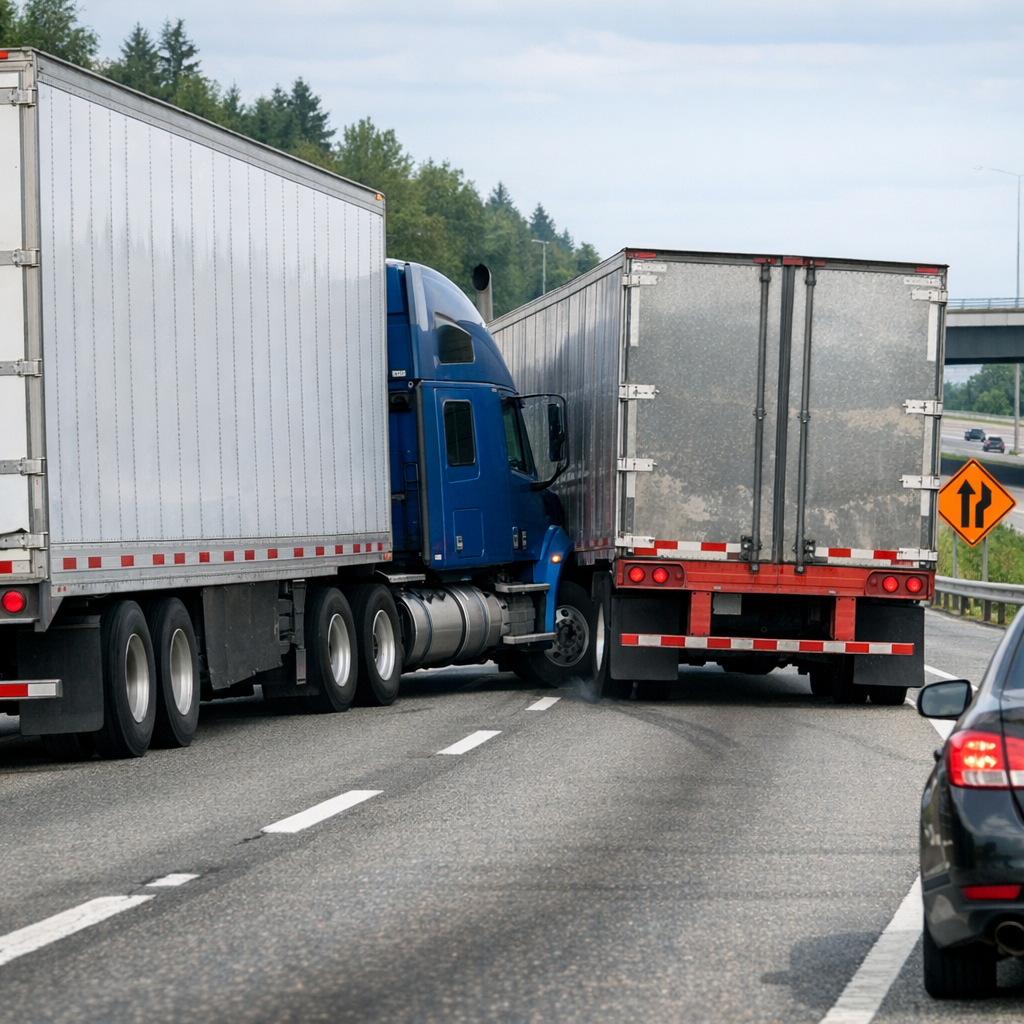
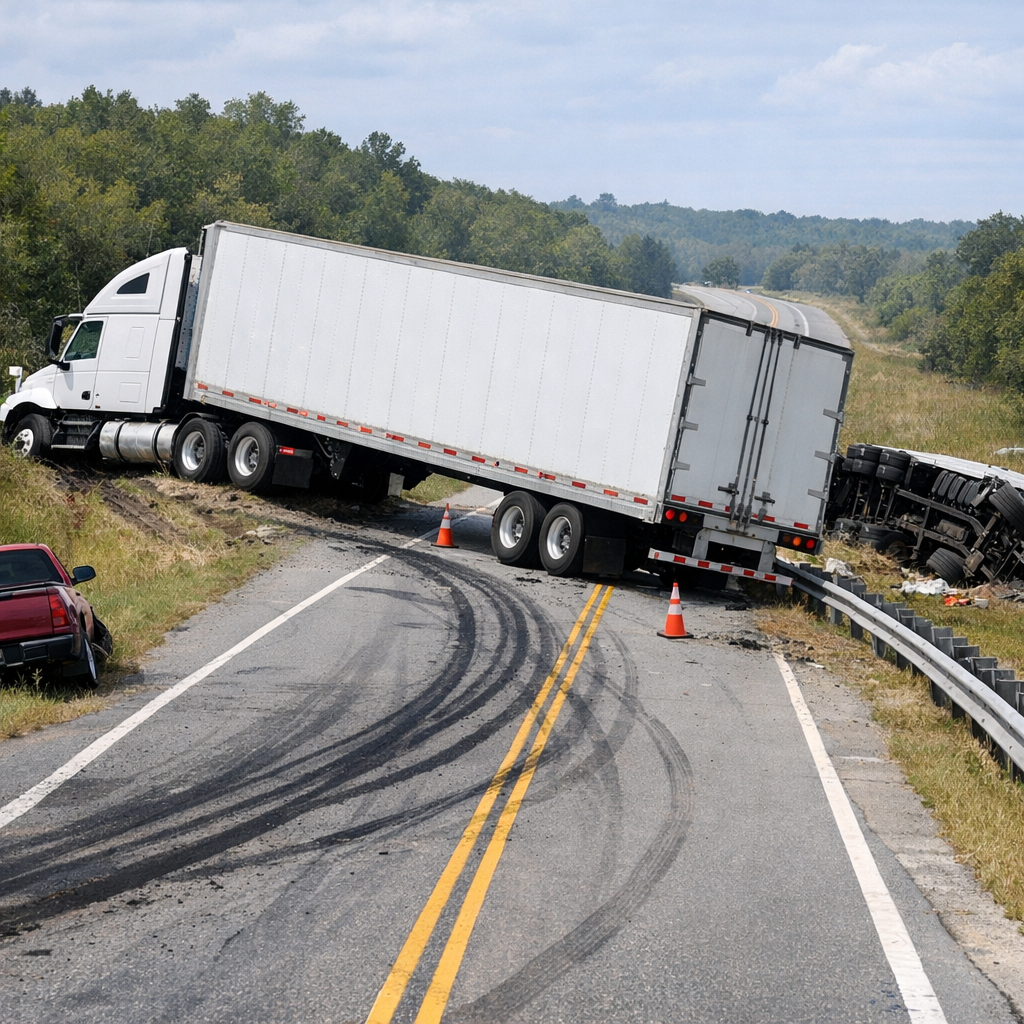
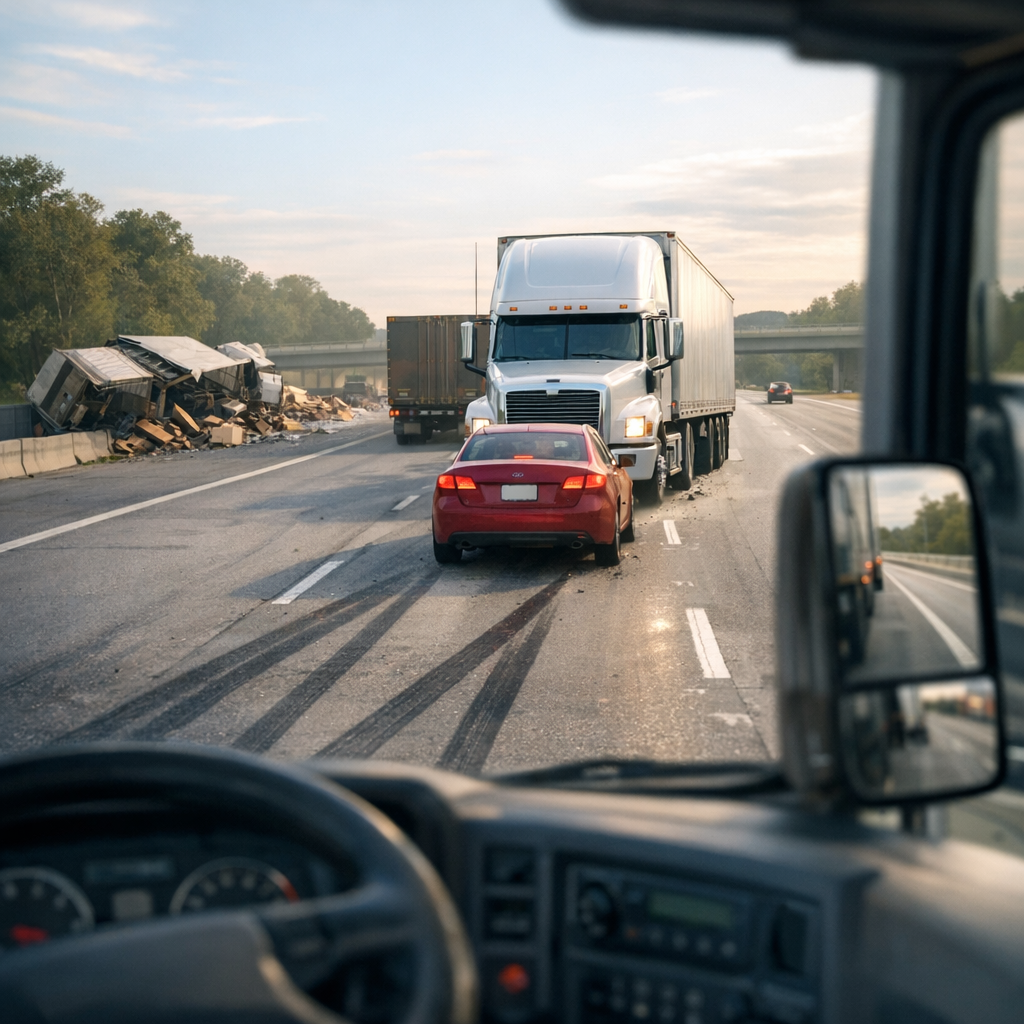
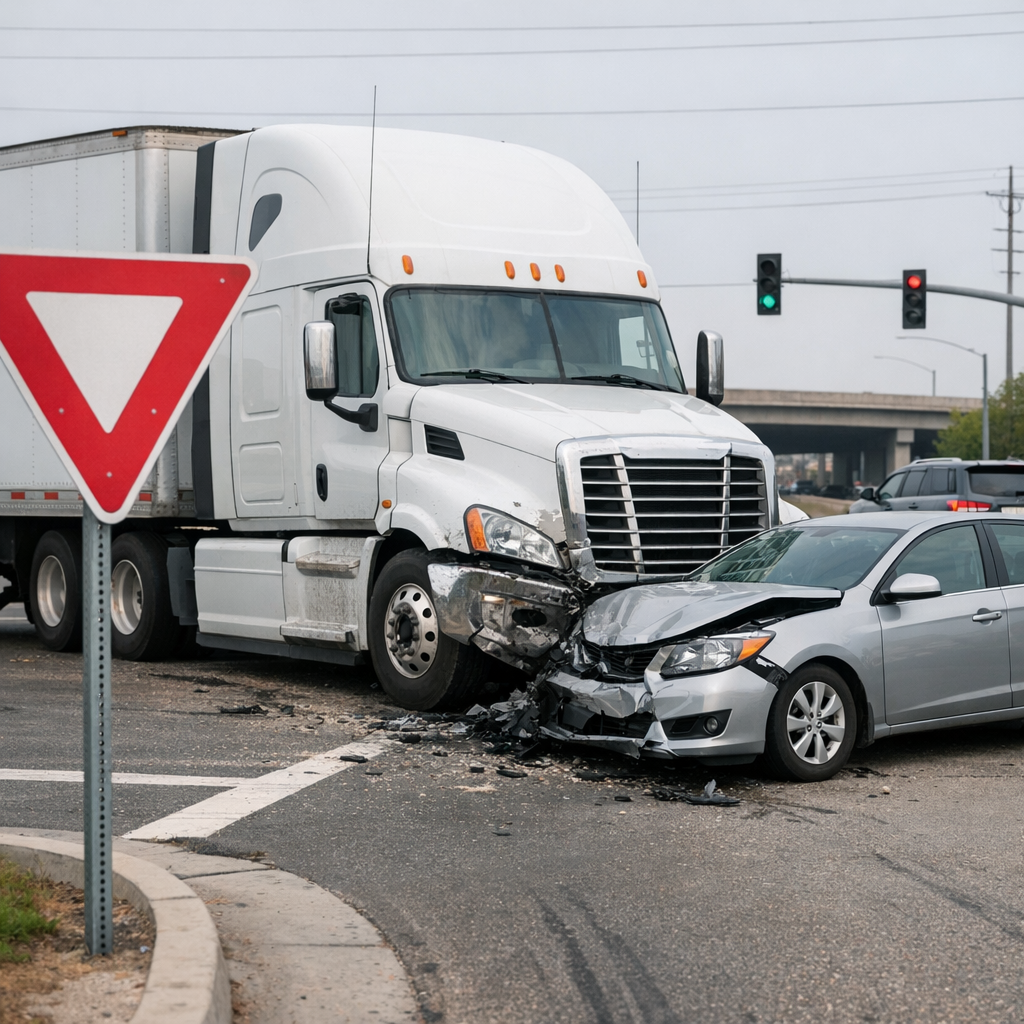
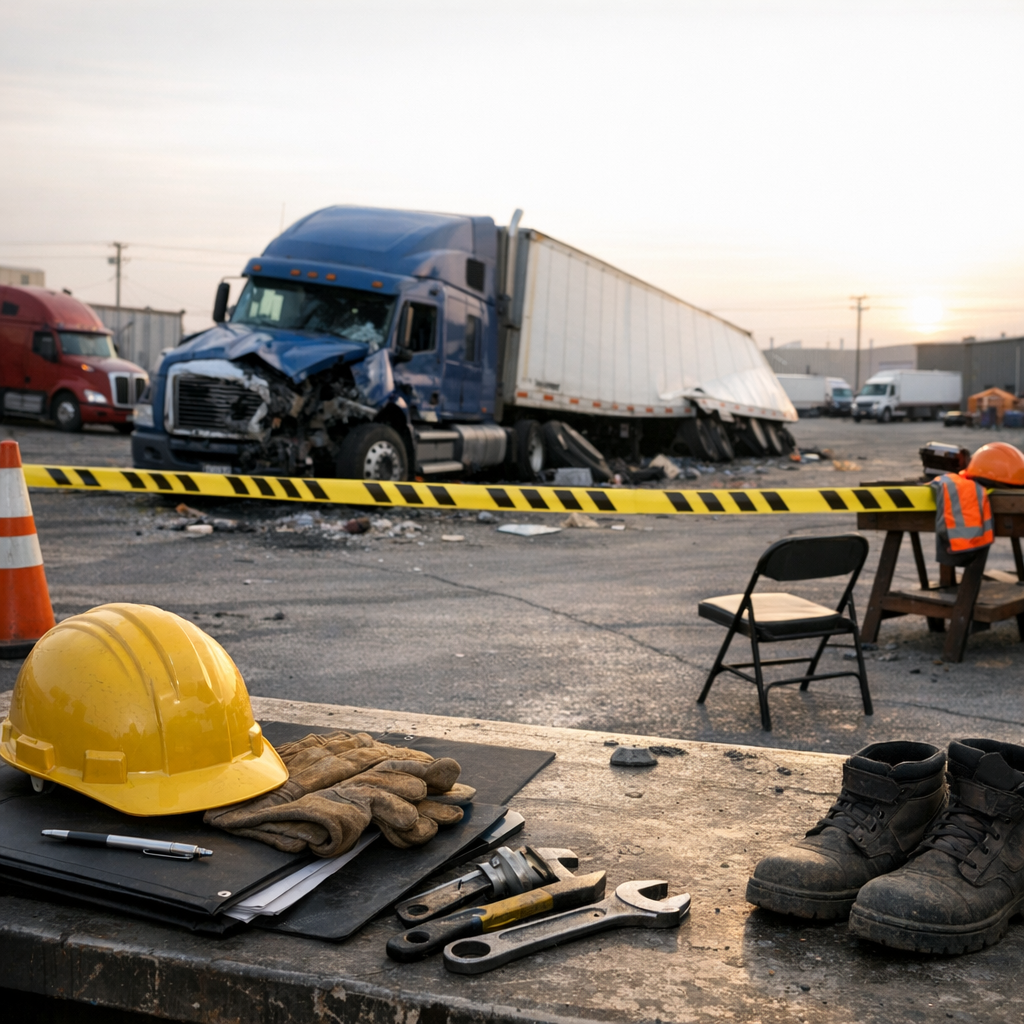
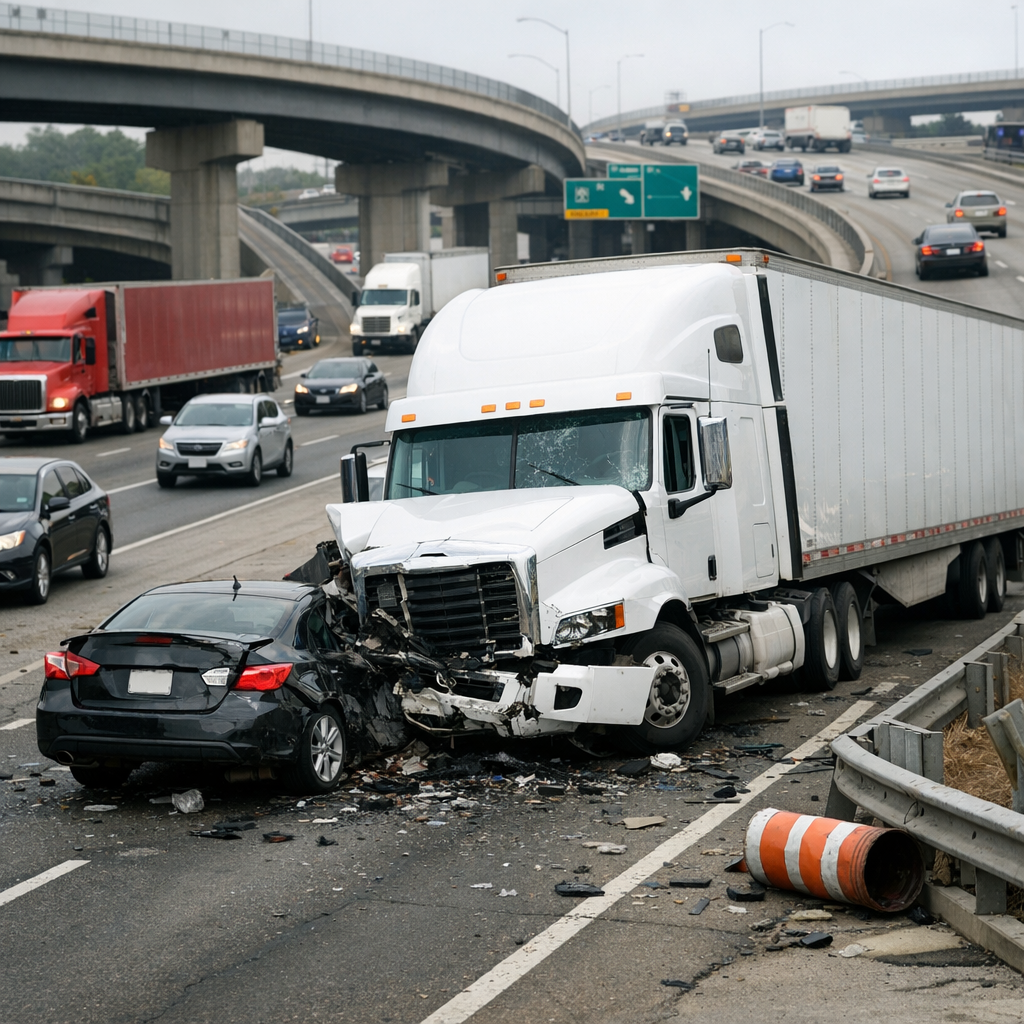
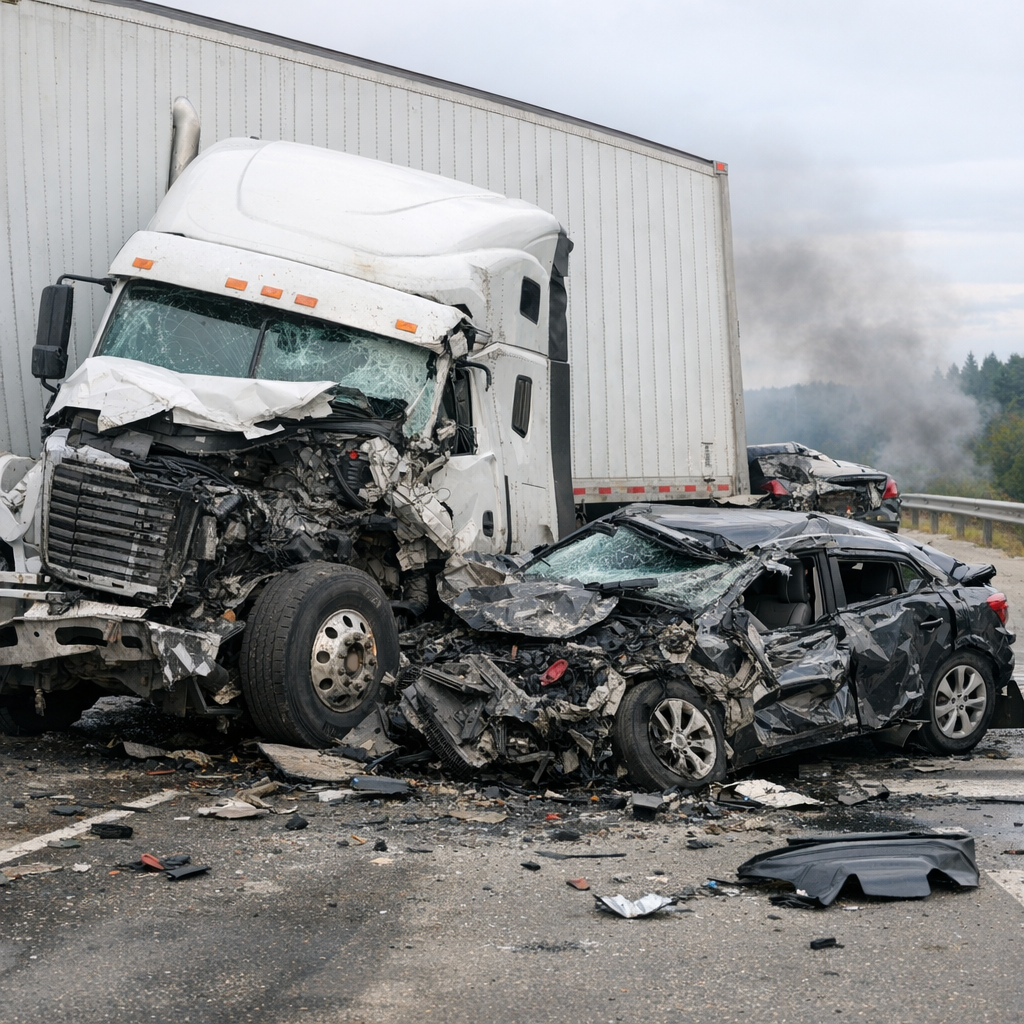
Many people wonder why crashes involving big rigs tend to result in such severe damage. These incidents often dominate news headlines due to their dramatic nature and the extensive impact they have on roadways, vehicles, and human lives. The question arises frequently because accidents involving these large trucks are not only more visually striking but also tend to cause much more significant disruption compared to typical car collisions. Understanding why these crashes cause severe damage helps clarify the unique challenges they present on highways and can provide insight into traffic safety and vehicle dynamics.
The Dynamics Behind Severe Damage in Big Rig Collisions
At the core of the matter is the sheer size and weight of a big rig, also known as a tractor-trailer or semi-truck. These vehicles can weigh up to 80,000 pounds when fully loaded, which is many times heavier than the average passenger car. The mass difference plays an essential role in the severity of damage when a crash occurs. According to basic principles of physics, an object with greater mass tends to exert much more force during a collision, leading to more extensive damage on impact.
The speed at which big rigs travel also contributes to the destructive potential. Despite their size, these trucks often move at highway speeds reminiscent of smaller vehicles, but their momentum is considerably higher. This momentum increases exponentially with weight and velocity, making the force of impact in a crash much more intense. As a result, the structural integrity of smaller vehicles is frequently compromised upon collision, which contributes to the severe damage observed.
Furthermore, the design and structure of big rigs cause additional risks during accidents. Their height and length create blind spots, reducing visibility and reaction time for drivers of both the truck and surrounding vehicles. In a crash, the large dimensions and rigid framework of the rig mean it is less likely to crumple or absorb impact forces as passenger vehicles do. Instead, the rigid parts of the truck can cause greater damage to lighter vehicles through penetration or crushing effects.
Context Often Overlooked in Big Rig Crash Assessments
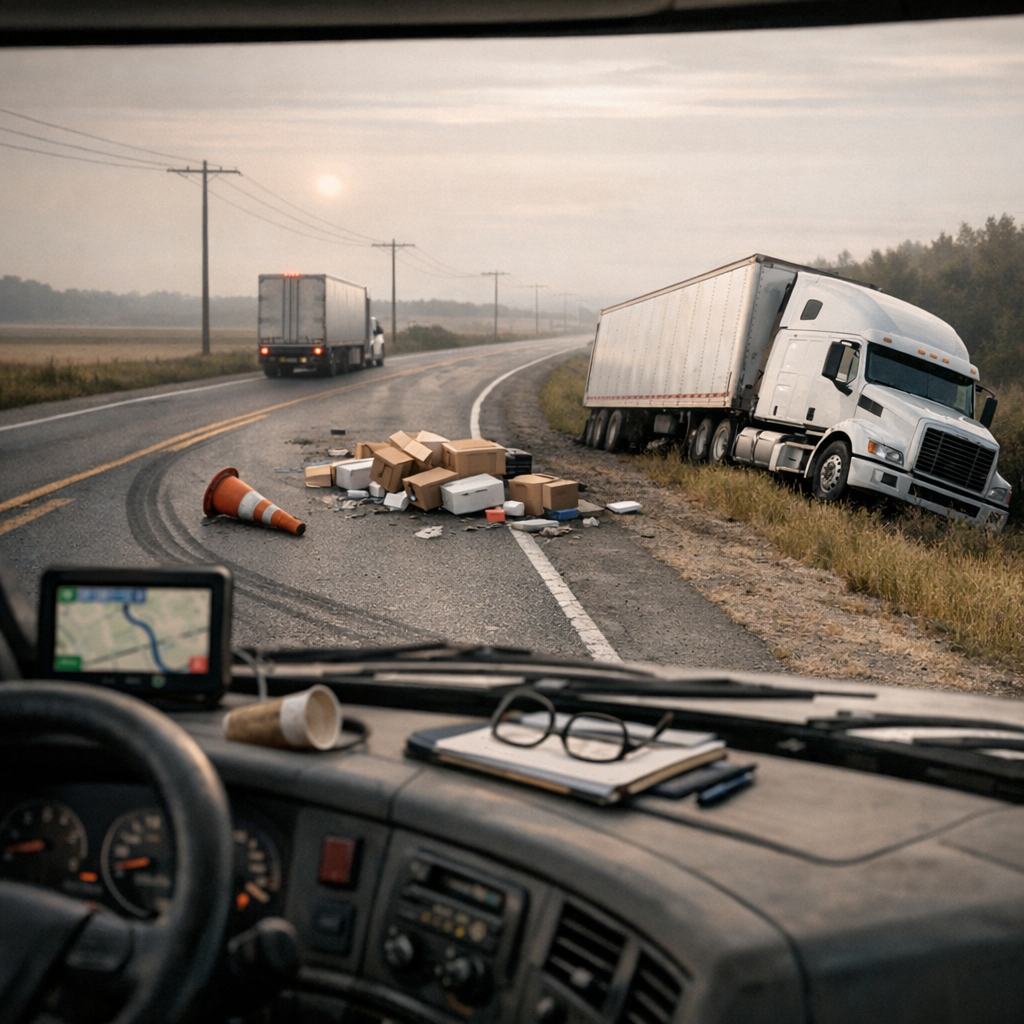
One aspect many people do not immediately consider is the type of cargo being transported. Big rigs often carry heavy or hazardous materials, which can intensify the consequences of a crash. If the cargo shifts, falls off, or leaks during an accident, it can cause additional hazards such as road blockages, chemical spills, or fire risks, compounding the severity of the situation.
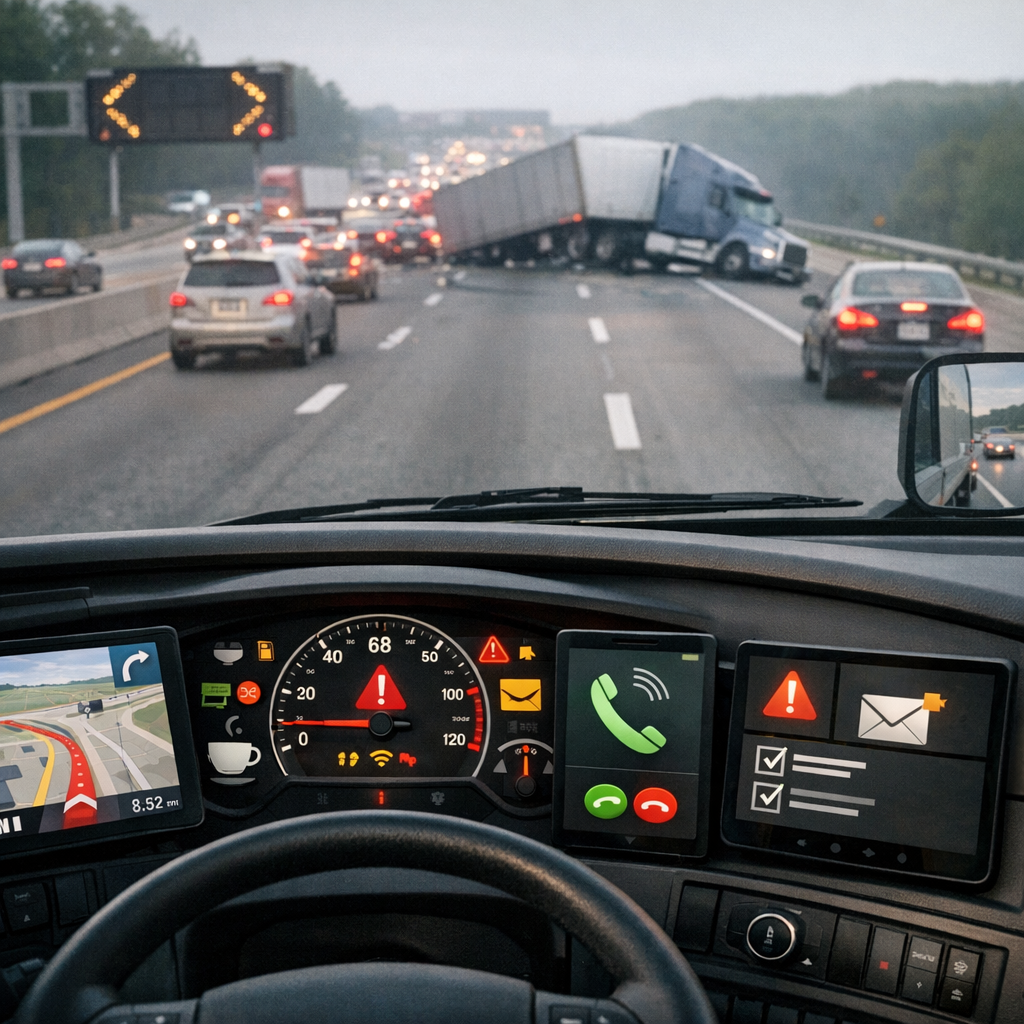
The roadway environment also plays a critical role. Highways frequently serve as the primary routes for big rigs, and accidents in busy or complex traffic conditions can exacerbate the damage. Multi-vehicle collisions are common in these scenarios, where the initial impact from a big rig causes a chain reaction involving other vehicles that can increase overall harm and extend damage beyond the initial crash site.
Additionally, the braking and stopping capabilities of big rigs differ significantly from those of passenger vehicles. Due to the trucks’ weight and load, they require a longer distance to come to a complete stop. In emergency situations, this limitation might prevent timely avoidance of collisions, contributing further to the severity of damage in accidents.
A Measured Perspective on the Impact of Big Rig Crashes
While big rig crashes frequently result in severe damage, it is important to view such events in the broader context of road safety and vehicle engineering. Efforts to improve truck design, such as enhanced braking systems, stability controls, and collision mitigation technologies, continue to evolve. Equally, increasing awareness and safe driving practices among all road users contribute to reducing such incidents.
Understanding the factors behind the severity of damage in big rig crashes provides valuable insight into why these accidents are so impactful. By recognizing the influence of vehicle size, momentum, cargo, and road conditions, it becomes clear that these crashes involve complex dynamics not present in typical smaller vehicle collisions. Appreciating these factors without alarm emphasizes the importance of continued advancements in transportation safety and road management for all travelers.