Why Are Truck Crashes Overwhelming?
Truck crashes often capture significant public attention and generate numerous questions about their causes and consequences. Many people wonder why these incidents seem so overwhelming compared to other types of road accidents. This curiosity stems from the sheer scale of damage and complexity involved when a large commercial vehicle is part of a collision. Understanding what makes truck crashes particularly challenging can provide valuable insight into the nature of these events and their impact on individuals and communities.
Common Concerns Behind the Question
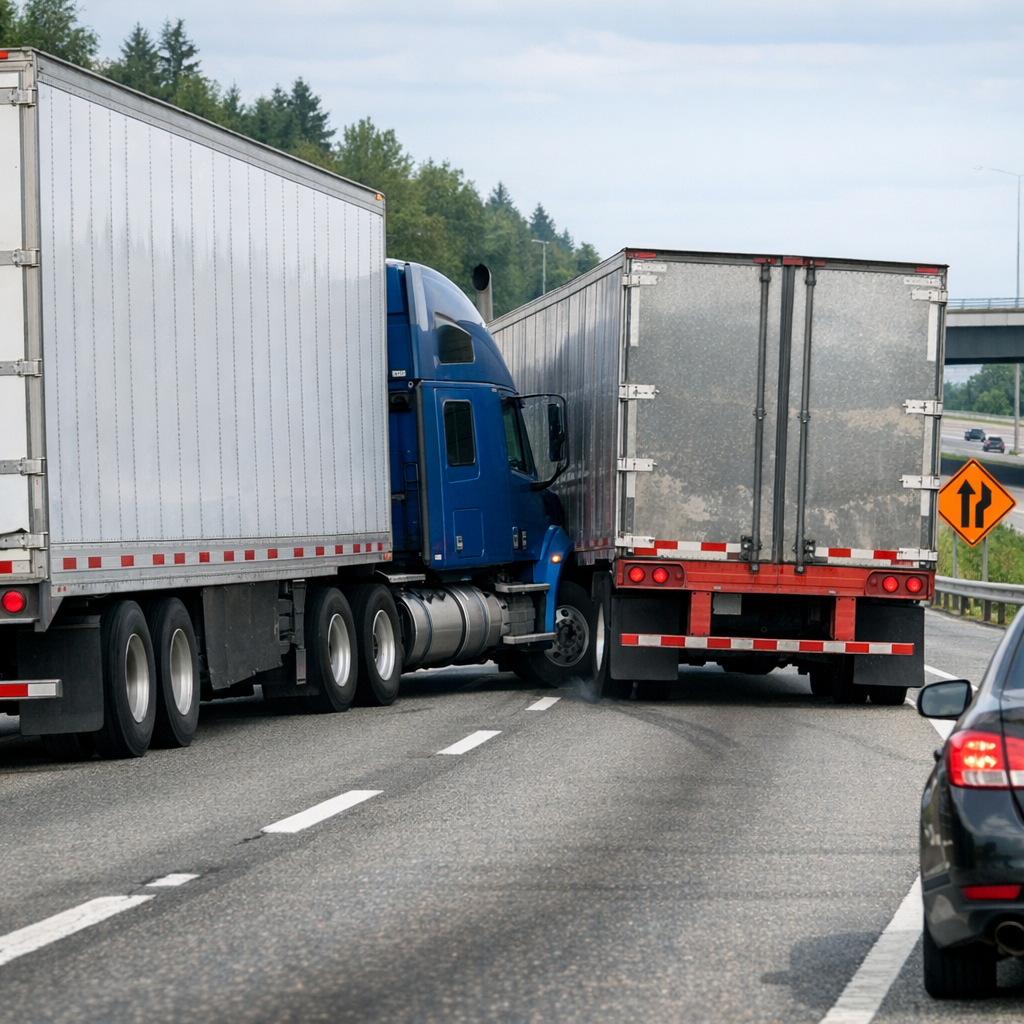
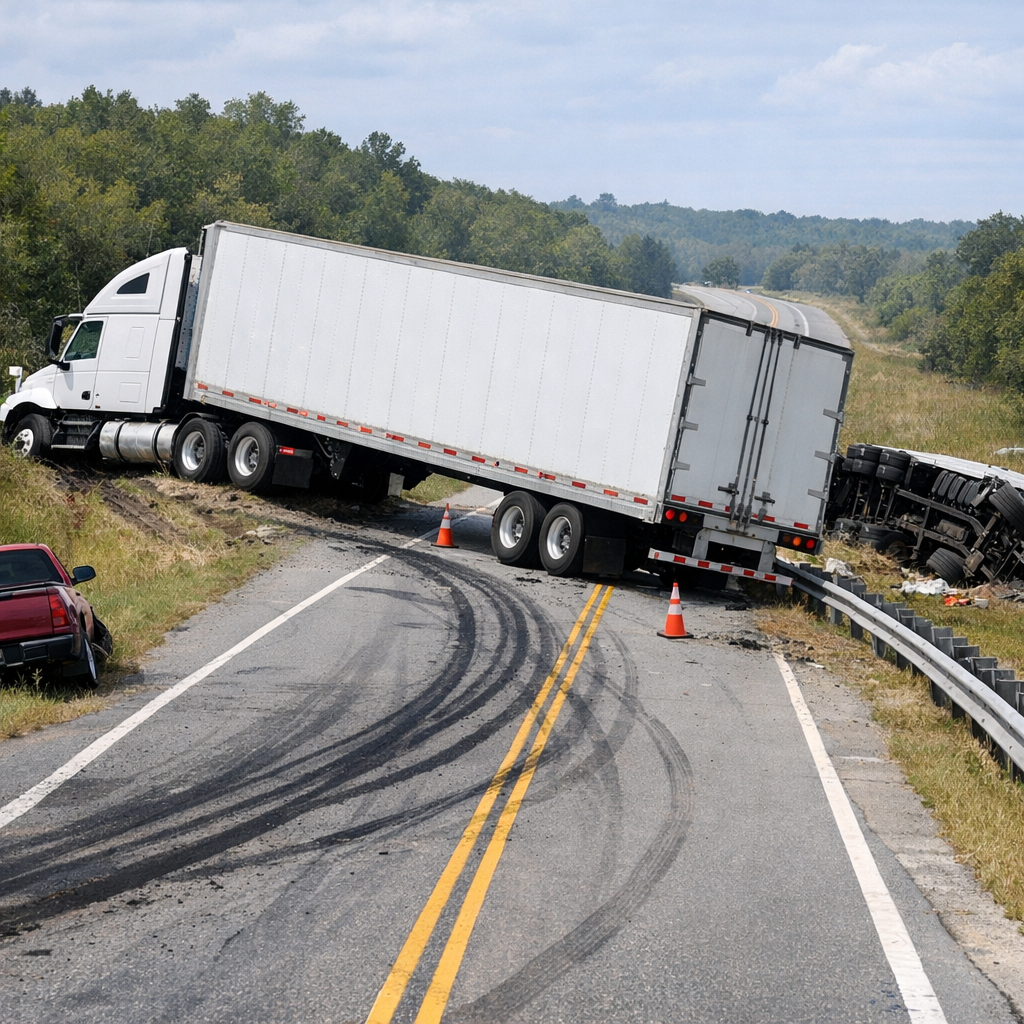
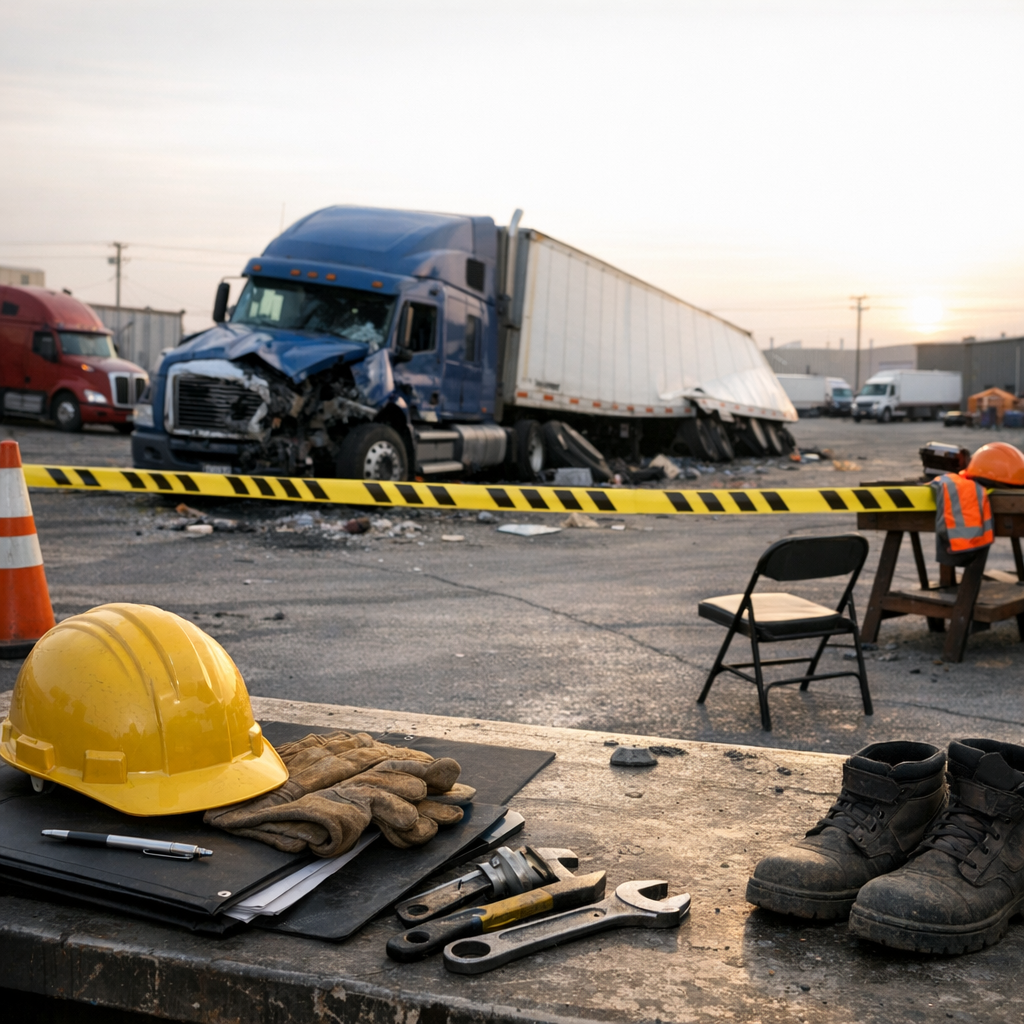
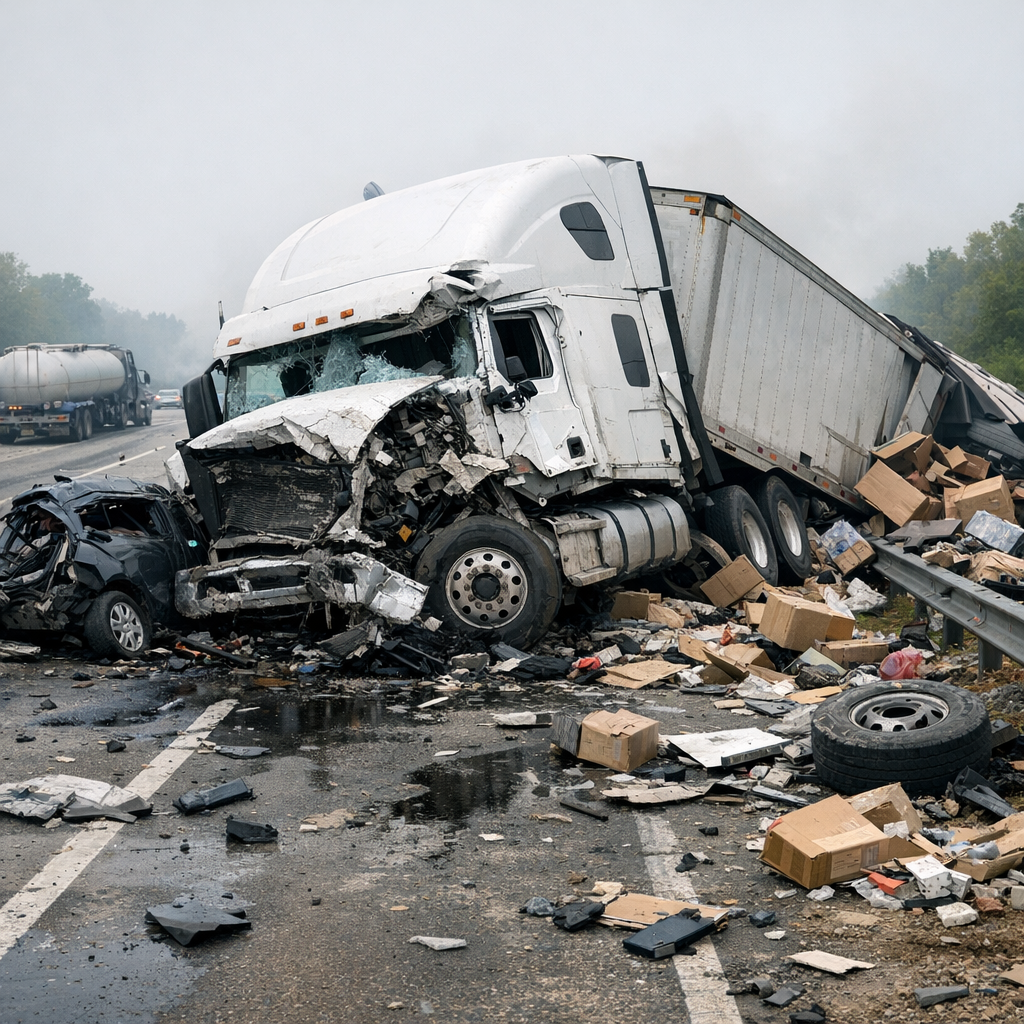
When someone asks why truck crashes are overwhelming, it usually reflects a reaction to the dramatic scenes often depicted in news stories or media coverage. The size and weight disparity between trucks and smaller vehicles create a perception of heightened danger. Additionally, the logistics of managing a crash involving large trucks—such as traffic disruption and delays—can add to the sense of severity. People also associate trucks with commercial operations, which brings concerns about driver fatigue, vehicle maintenance, and cargo hazards.
The Complexity of Truck Crash Dynamics
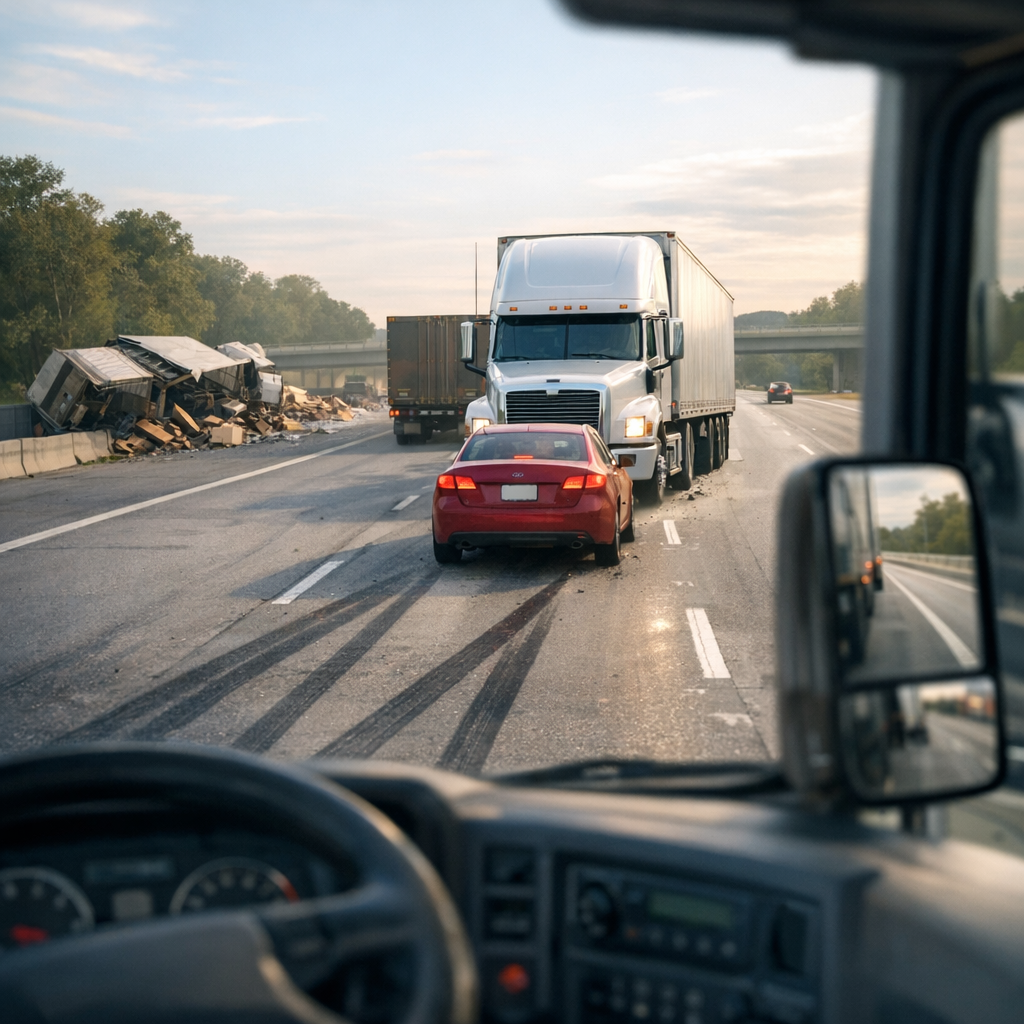
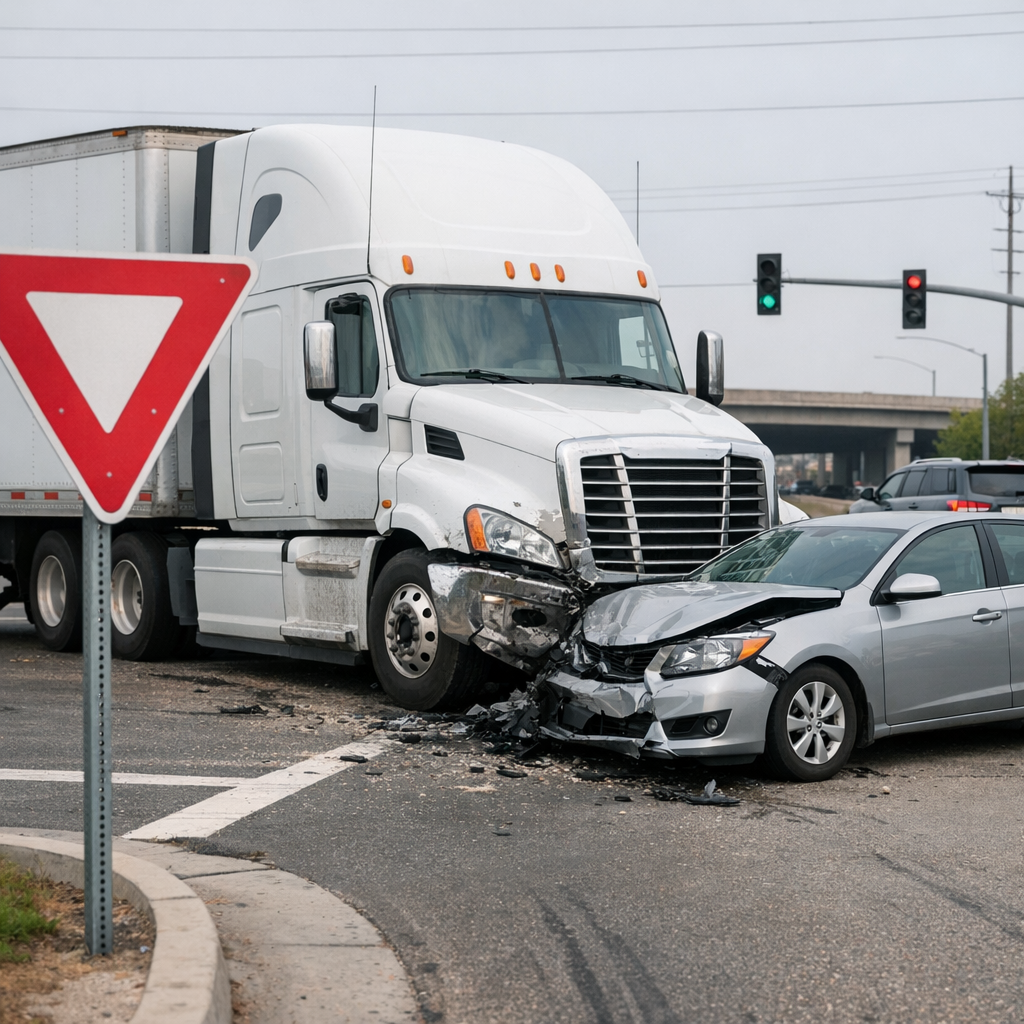
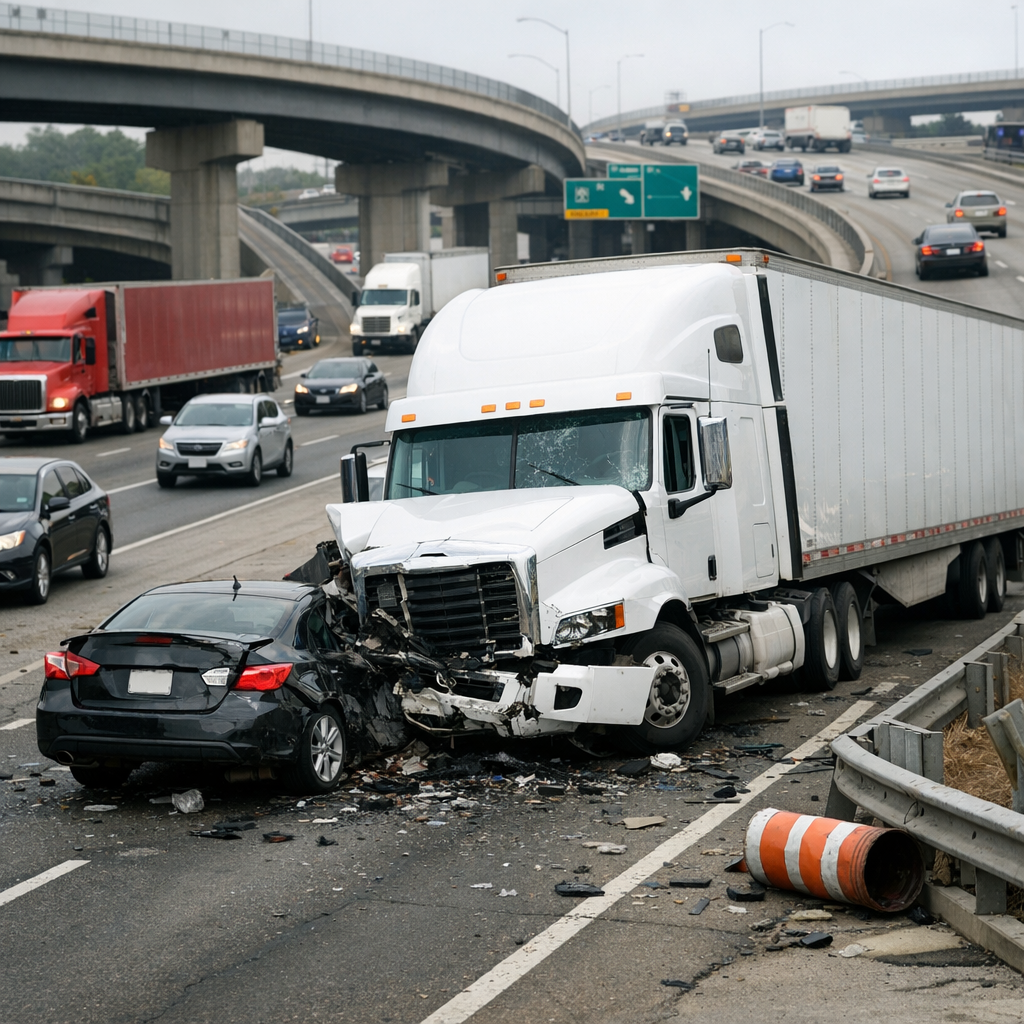
Trucks are much larger and heavier than passenger cars, which greatly influences the severity of collisions. Their size can cause more extensive physical damage to all vehicles involved. The energy transferred in a crash is considerably higher due to the truck’s mass, which often results in more significant damage and injuries. Moreover, the height and structure of trucks can lead to unique types of accidents, such as underride collisions where a smaller vehicle slides underneath the truck’s trailer.
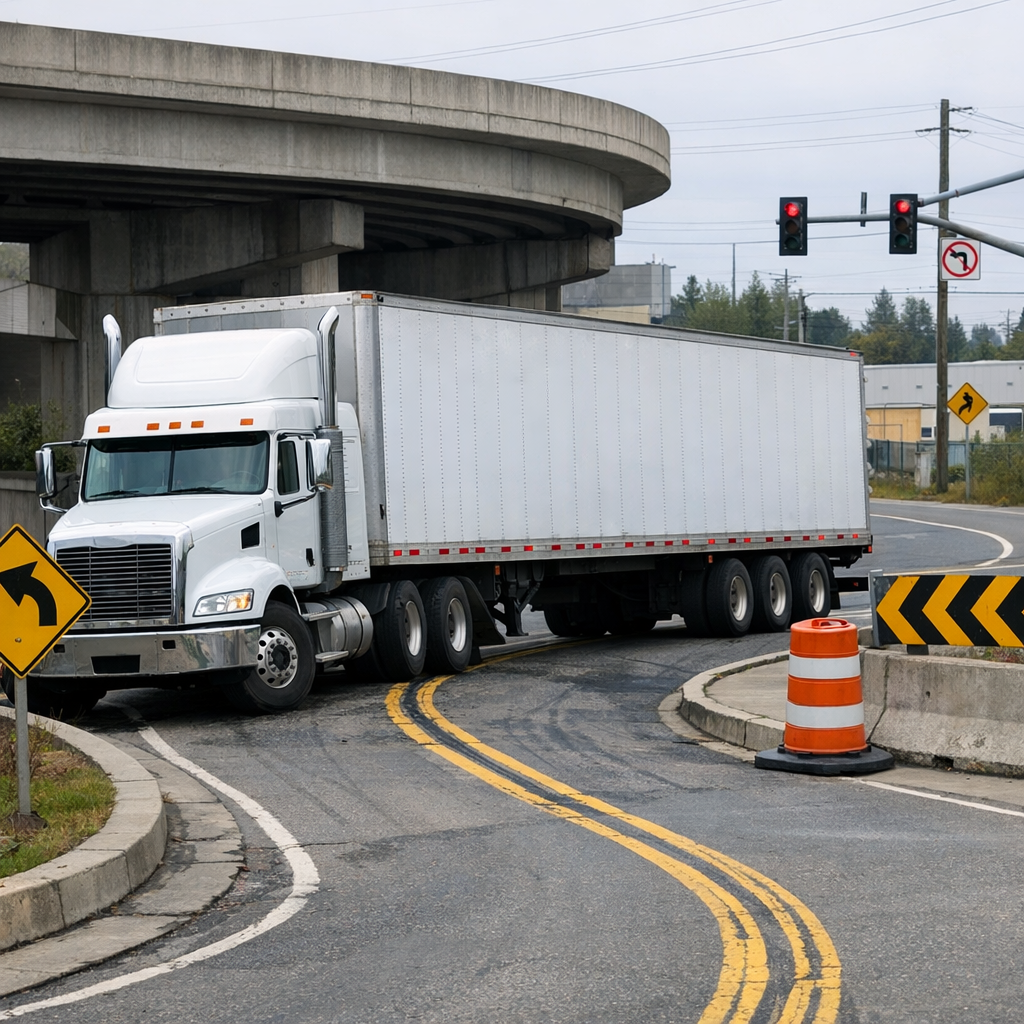
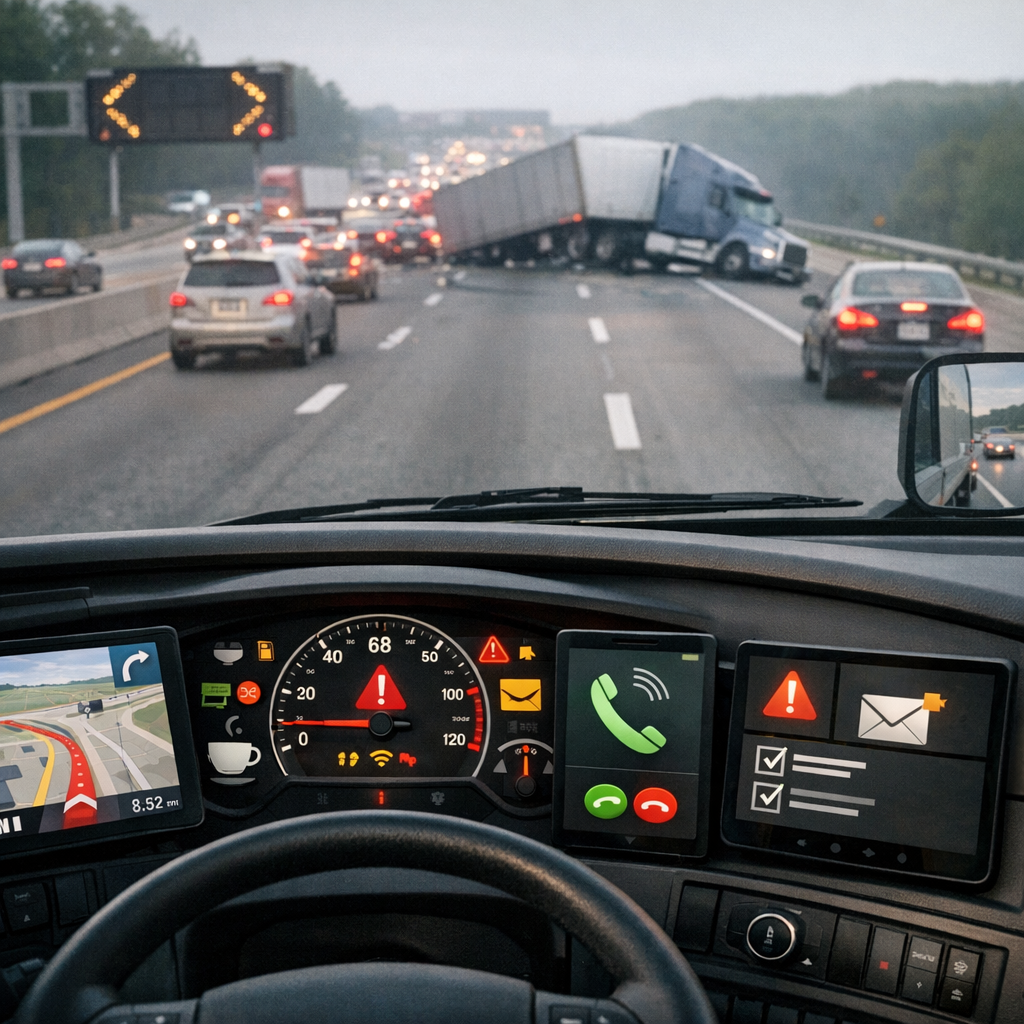
The operation of large trucks requires specialized skills and knowledge. Drivers must be trained to handle long stopping distances, wide turns, and blind spots. When accidents occur, the complexity increases because these factors contribute to the circumstances leading up to and following the crash. Unsafe driving conditions, mechanical failures, or human errors can quickly escalate in severity due to the truck’s operational demands.
Layers of Impact Often Overlooked
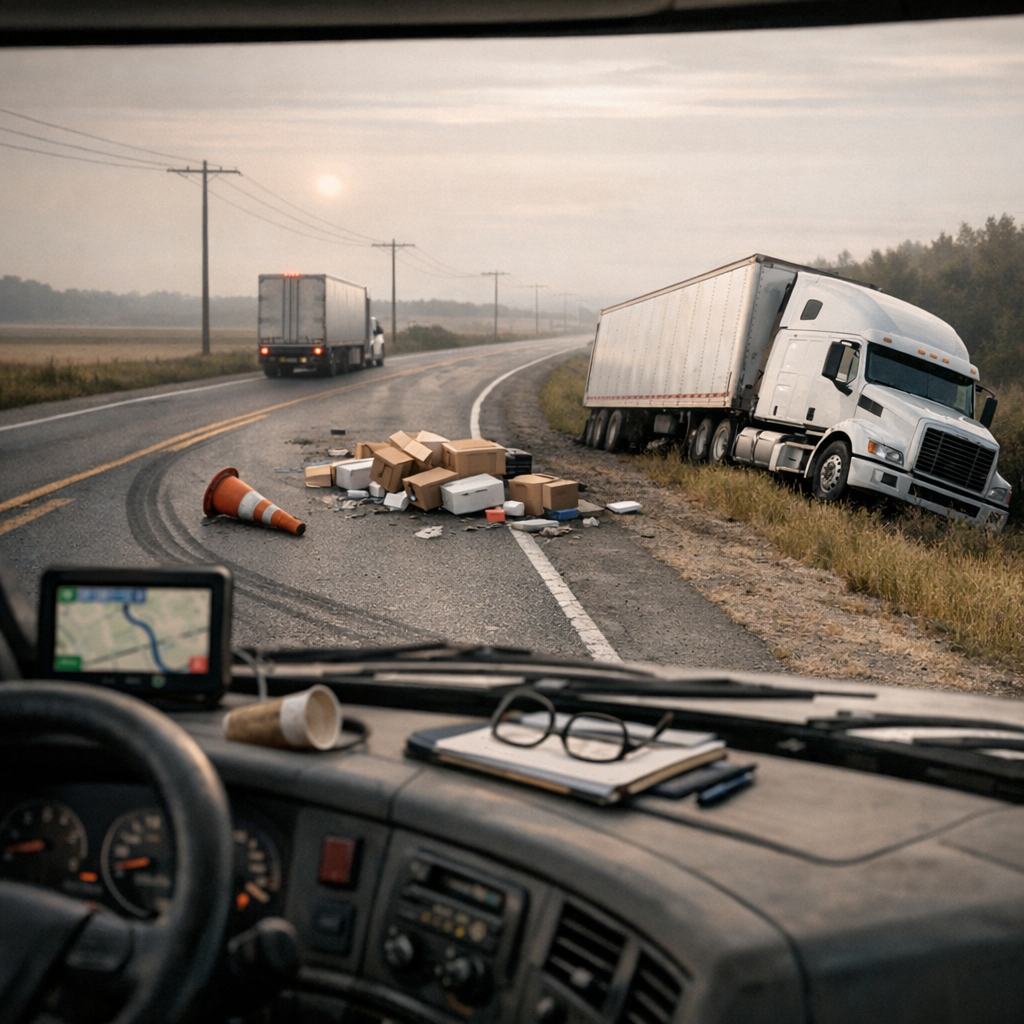
In addition to the immediate physical consequences, the aftermath of a truck crash involves several less obvious challenges. Emergency response teams face complicated logistics when handling such incidents. Extricating individuals from crushed vehicles, controlling hazardous material spills, and managing large-scale traffic diversions require coordinated efforts from multiple agencies.
Infrastructure damage can also be considerable. Roads and bridges may sustain harm that takes significant time and resources to repair. This adds to the disruption for daily commuters and commercial transport alike, often extending the duration of congestion and delays.
Another factor that contributes to the overwhelming nature of these crashes is the potential involvement of hazardous cargo. Many trucks transport chemicals, fuels, or other dangerous goods. Accidents involving such materials may require specialized containment and cleanup procedures, increasing both the risk and response complexity.
Understanding the Broader Picture
Truck crashes often require a multi-faceted approach to comprehend fully. While the immediate visible effects are considerable, there are also systemic issues involved. Regulatory measures, driver health and schedules, vehicle maintenance standards, and road design all play a role in influencing the likelihood and severity of these crashes.
Traffic patterns and weather conditions can further compound risks associated with large trucks. For instance, poor visibility or slick roads may exacerbate challenges for truck operators who need greater stopping distances and careful maneuvering. Infrastructure designed predominantly for smaller vehicles might not always accommodate the needs of heavy trucks, adding to accident risks.
A Measured Perspective on Truck Crash Incidents
Although truck crashes can appear overwhelming due to their scale and complexity, understanding the contributing factors helps frame these events more clearly. Recognizing the physical realities of large vehicles, the operational demands on drivers, and the logistical implications provides a balanced view of why these crashes draw significant attention.
Safety efforts continue to evolve to address many of these challenges, focusing on improving vehicle technology, driver training, and infrastructure. While the consequences of truck collisions may be serious, ongoing advances promote safer road environments for all users. This perspective encourages informed awareness without overstating the unpredictability or inevitability of such incidents.