Why Are Truck Crashes Hard to Process?
Many people wonder why processing truck crashes is often described as complicated and challenging. This question arises because truck accidents can differ significantly from typical vehicle collisions in several ways. Understanding the reasons behind the difficulty in processing these crashes sheds light on the complexities involved and helps clarify common misconceptions.
The Unique Nature of Truck Accidents
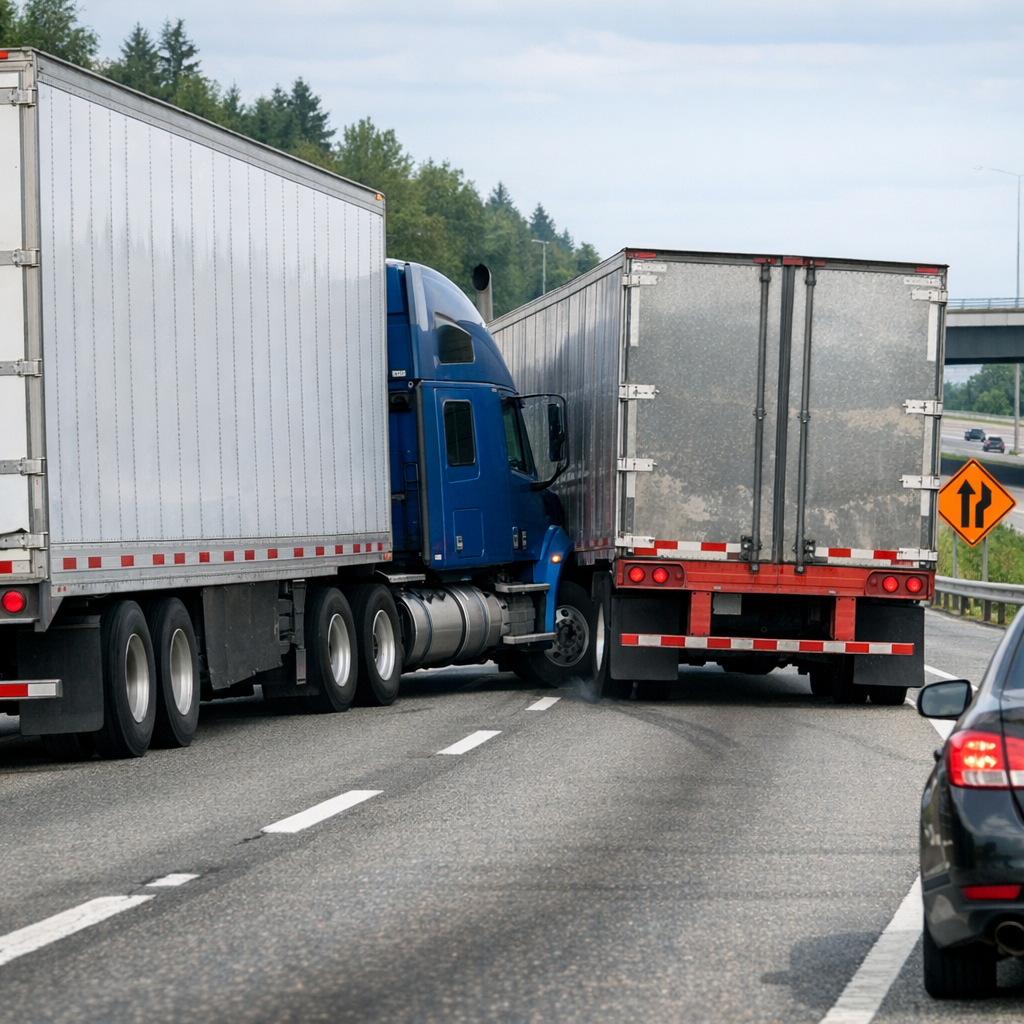
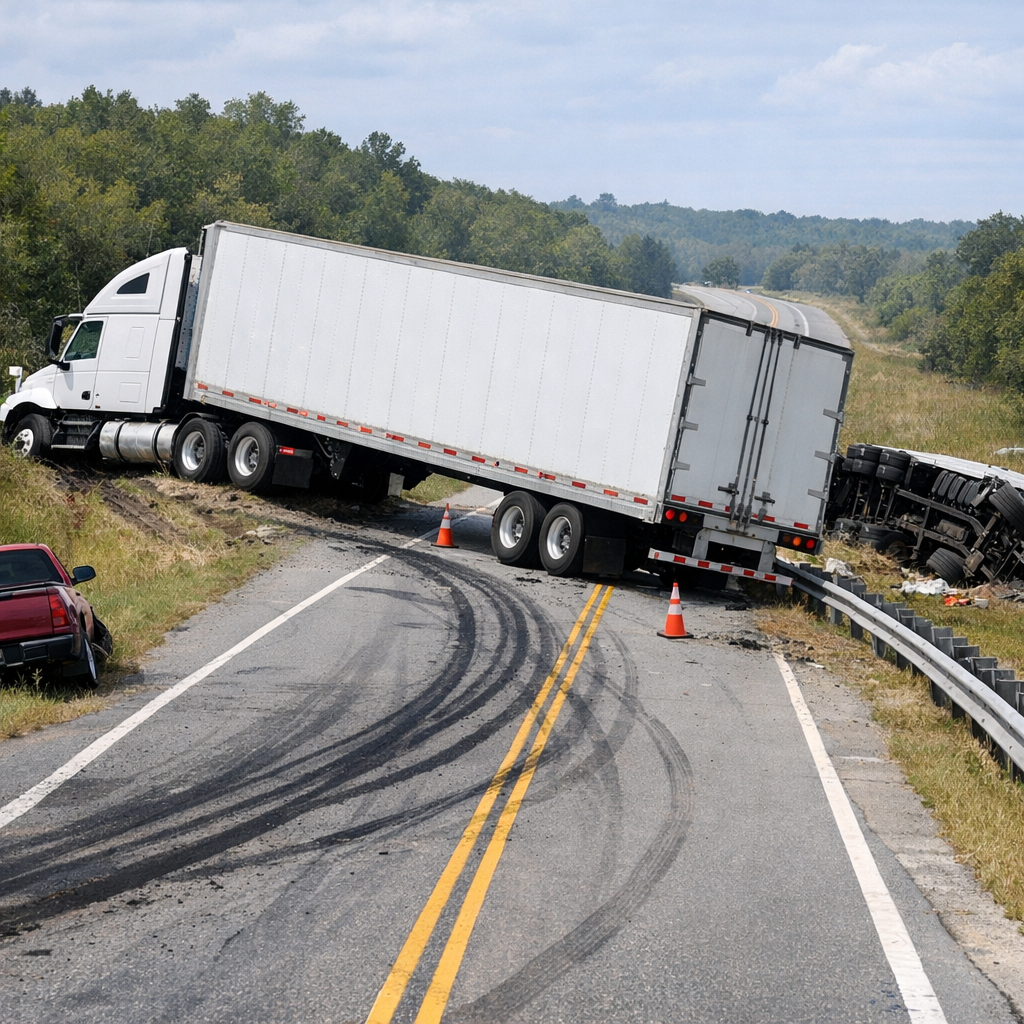
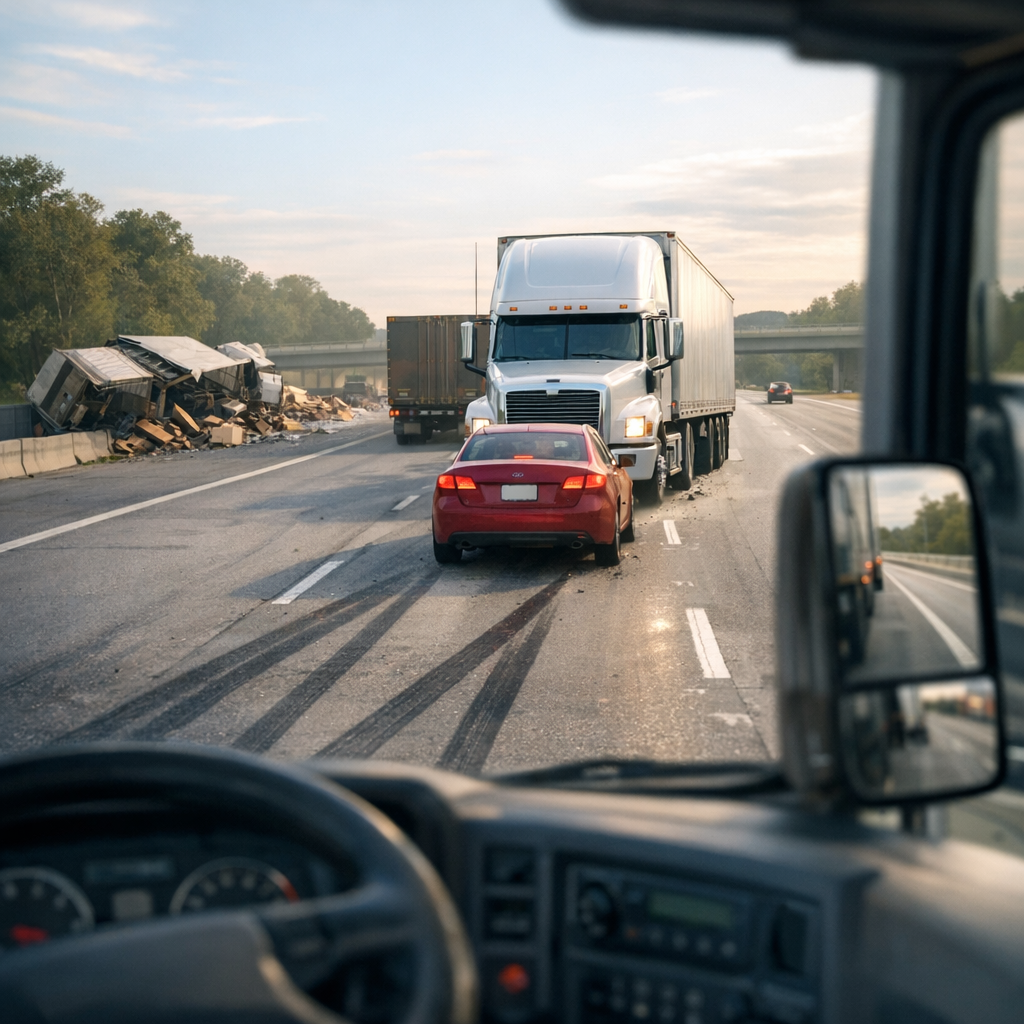
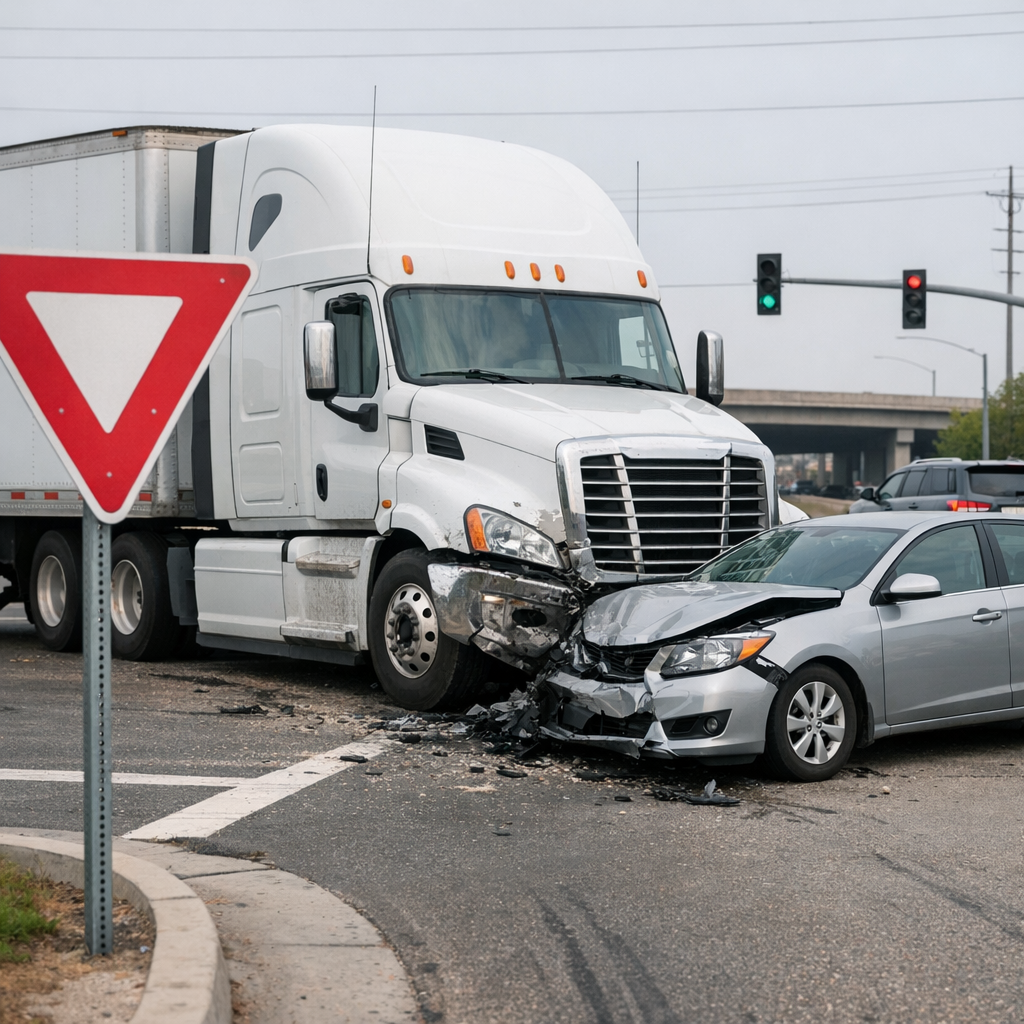
Truck crashes involve large commercial vehicles that operate under different regulations and conditions than passenger cars. The sheer size and weight of trucks contribute to more severe impacts, often resulting in complex crash scenes. Due to these factors, investigating and processing such accidents requires specialized knowledge and procedures.
Involvement of Multiple Parties
Unlike standard car accidents, truck crashes frequently involve multiple parties, including trucking companies, vehicle manufacturers, insurers, and regulatory agencies. The relationships among these entities introduce varied interests and a larger volume of information to sift through. This multiplicity increases the complexity of the crash investigation and documentation.
Specialized Regulations and Compliance Factors
Trucks and their drivers must comply with strict federal and state rules regarding operation, maintenance, and hours of service. Establishing whether these regulations were followed at the time of the crash is a pivotal part of the process. Gathering and interpreting compliance data, such as electronic logging records and inspection reports, adds additional layers of scrutiny.
Intricacies in Evidence Collection and Analysis
The physical and mechanical details involved in truck crashes make evidence gathering more demanding. Processing truck crash scenes often involves detailed examinations of vehicle damage, road conditions, and driver behavior.
Mechanical and Technical Investigations
Heavy trucks contain complex mechanical systems that can influence accident outcomes. Examining potential mechanical failures requires expertise in commercial vehicle technology. Investigators may analyze brakes, tires, and electronic control modules to determine if equipment malfunction contributed to the incident.
Analysis of Data Recorders
Modern commercial trucks are often equipped with electronic logging devices and event data recorders. These recorders store detailed operational data such as speed, braking, and engine performance immediately before a crash. Retrieving and interpreting this information demands technical skills and access to specialized software.
Challenges Stemming from Weigh and Traffic Factors
Trucks operate in environments influenced by various external factors, which can complicate reconstructing the crash scenario.
Weight and Load Considerations
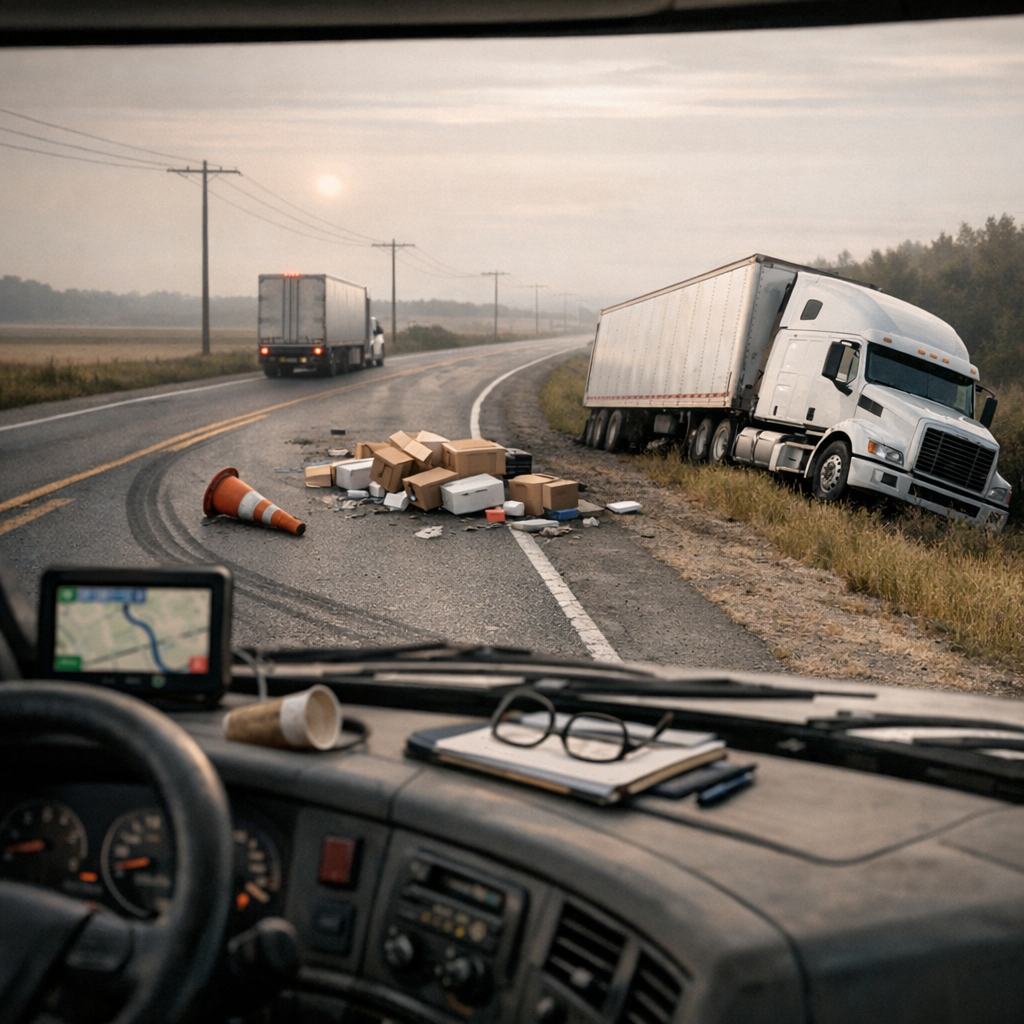
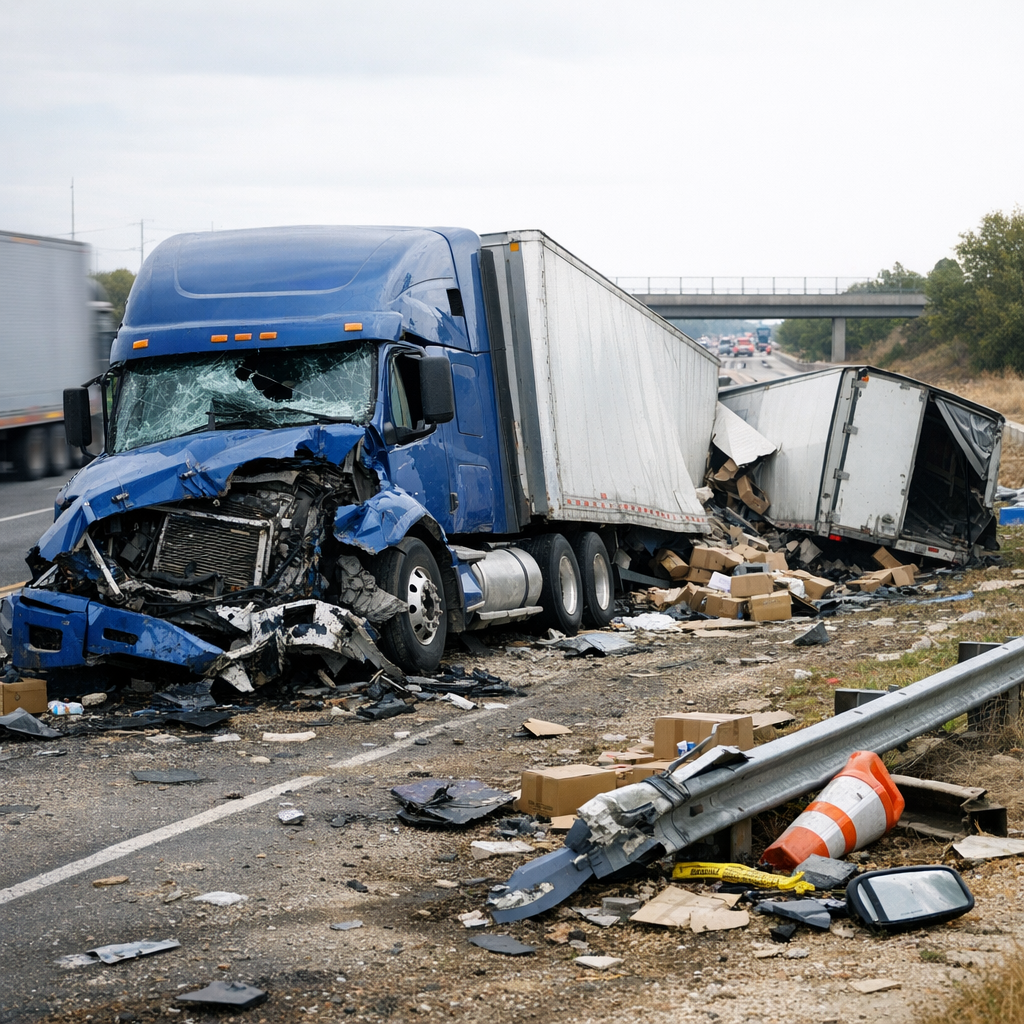
The weight and distribution of a truck’s cargo can affect how a crash unfolds and the resulting damage. Properly assessing these aspects requires reviewing shipping documents and load inspection reports. Understanding how cargo weight influenced vehicle handling is essential for accurate processing.
Impact on Traffic and Scene Reconstruction
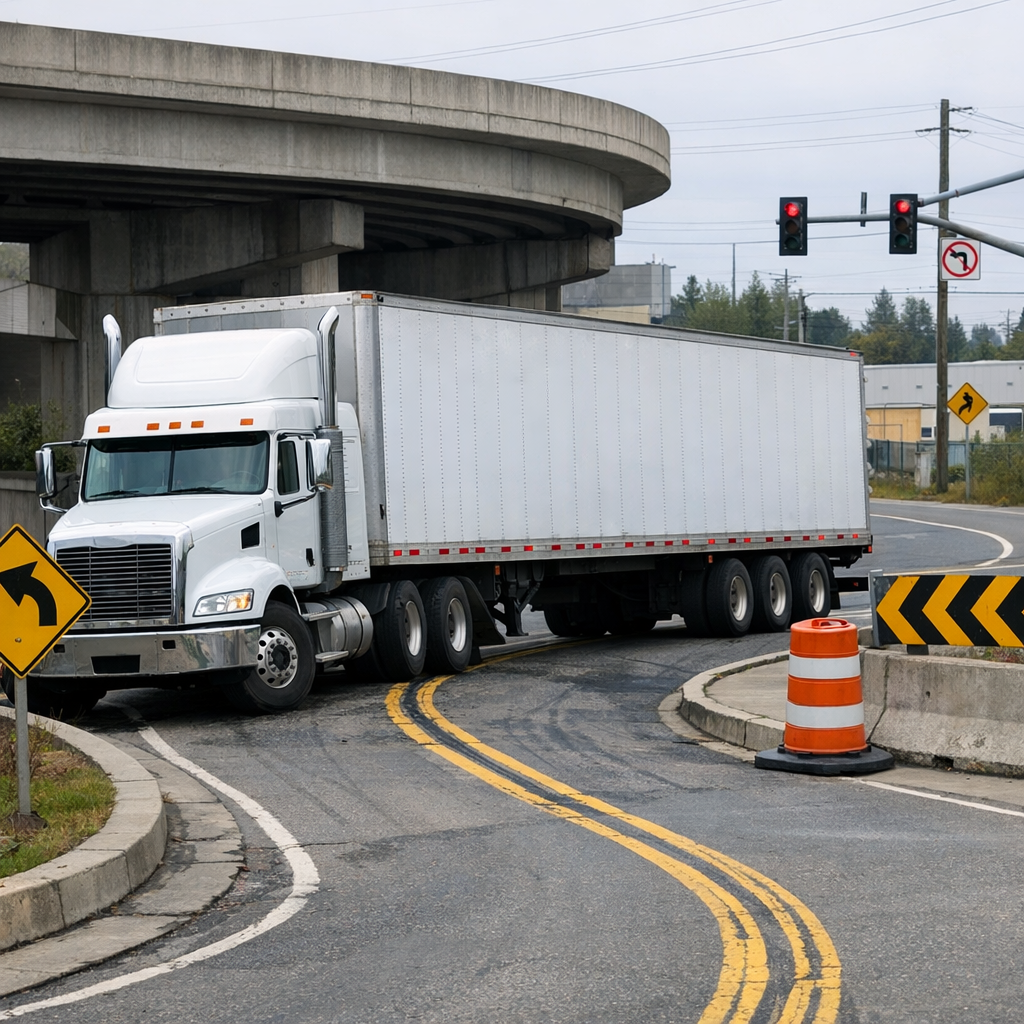
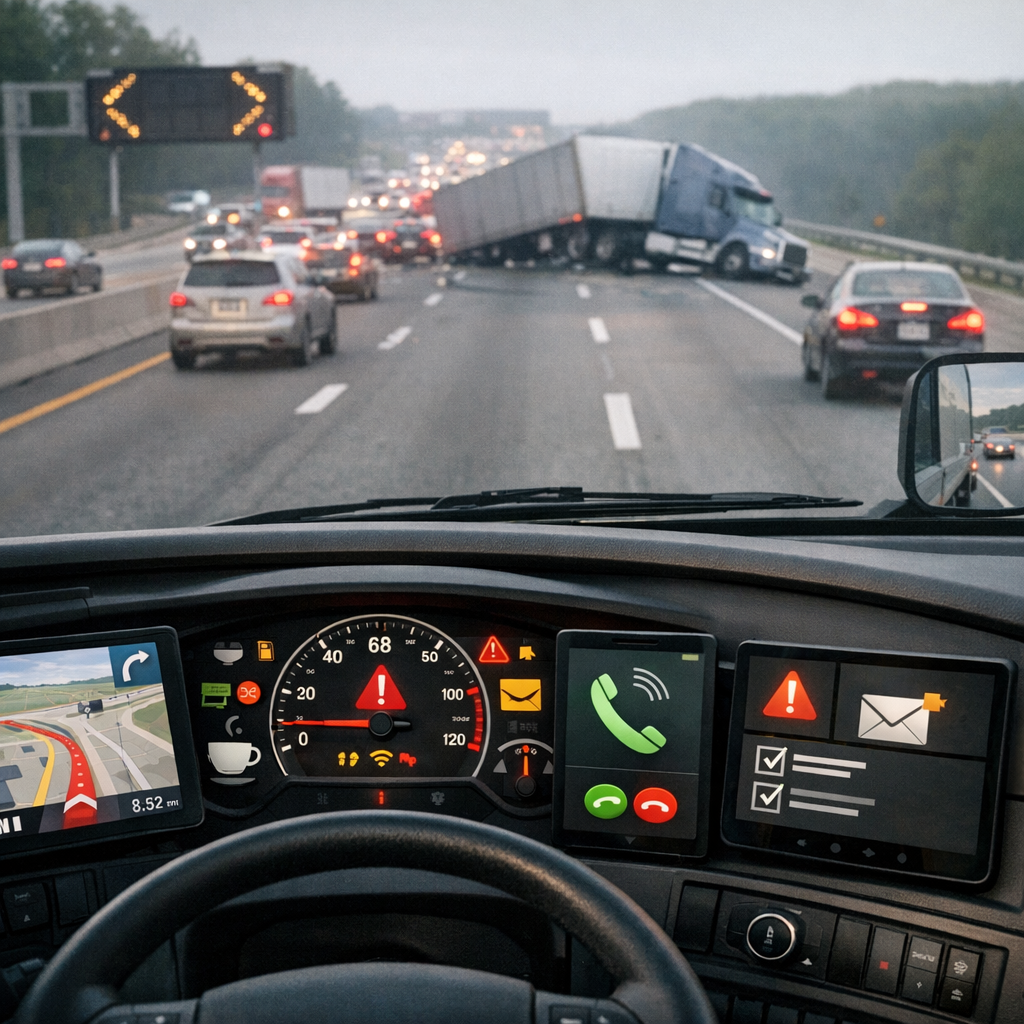
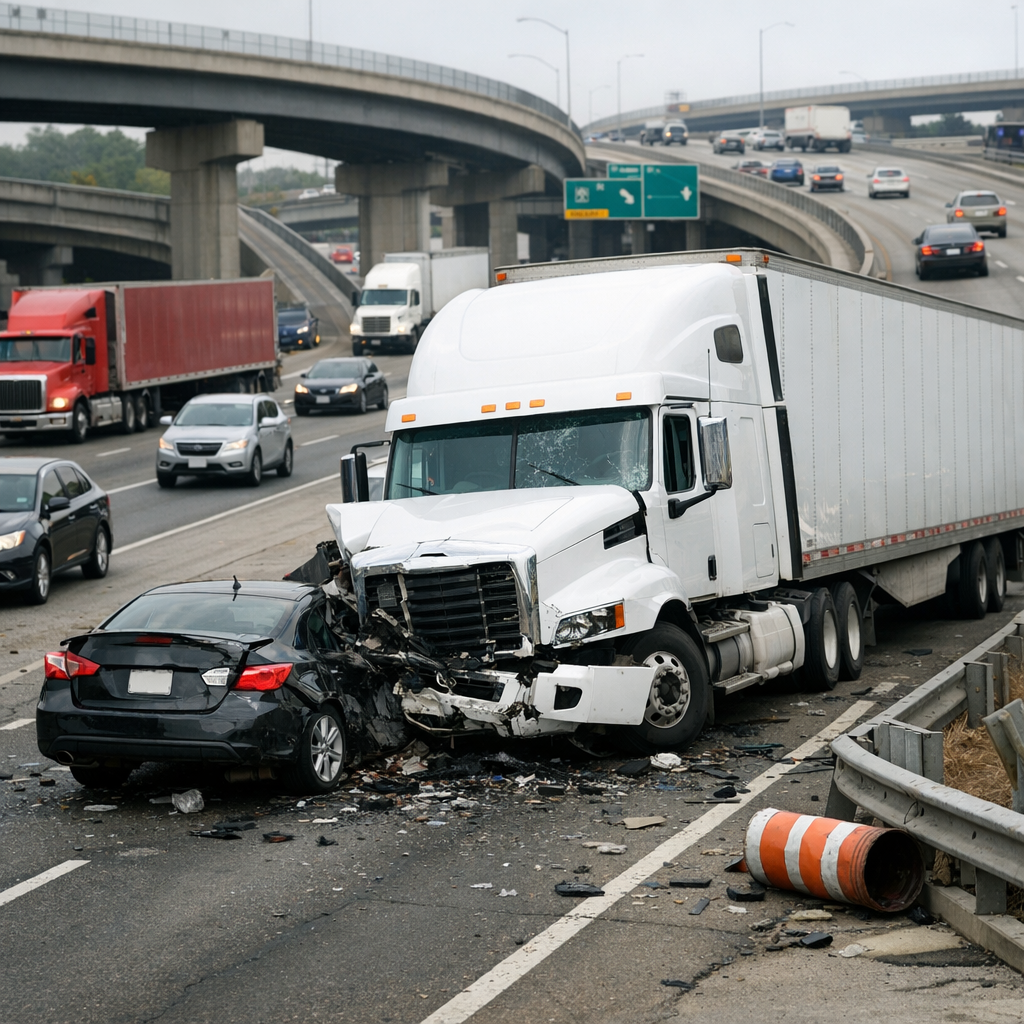
Truck crashes often occur on busy highways or complex intersections, sometimes involving multiple vehicles. This adds challenges for investigators trying to piece together the sequence of events. Traffic patterns, road design, and witness accounts must be carefully analyzed to create an accurate reconstruction of the incident.
Factors Not Often Recognized by the Public
Some elements complicating the processing of truck crashes may not be immediately apparent to those outside the field.
Extended Investigation Timelines
Due to the numerous components involved—including compliance checks, data analysis, and multi-party coordination—processing truck crashes can take considerably longer than typical collisions. This extended timeline is necessary to ensure a thorough and accurate understanding of what happened.
The Role of Third-Party Reports
Agencies such as the Department of Transportation, insurance investigators, and trucking companies often conduct their own examinations. Coordinating and integrating these different reports into a cohesive overview adds another layer of complexity.
Post-Crash Vehicle Condition
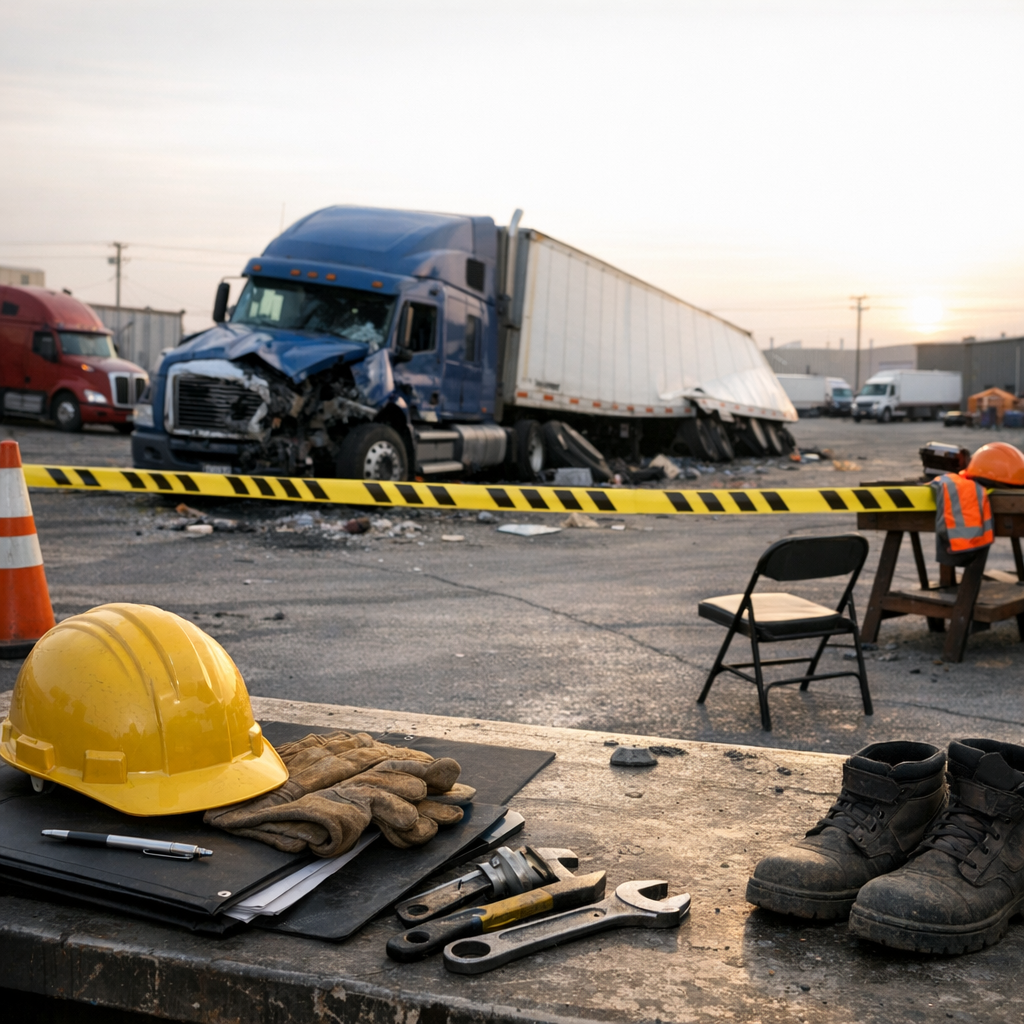
Large trucks sometimes require specialized towing and inspection services after a crash. The condition of the vehicle can affect the ability to conduct timely investigations, especially if parts of the truck or cargo are damaged or dispersed.
Understanding the Complexity Calmly
Processing truck crashes involves numerous technical, regulatory, and logistical challenges that make the process inherently complex. Recognizing the multi-dimensional nature of these crashes helps frame why they are harder to manage than typical vehicle accidents. Awareness of these factors offers valuable perspective for anyone seeking to understand the intricacies behind commercial vehicle collision investigations.