What Should I Expect After a Big Rig Accident
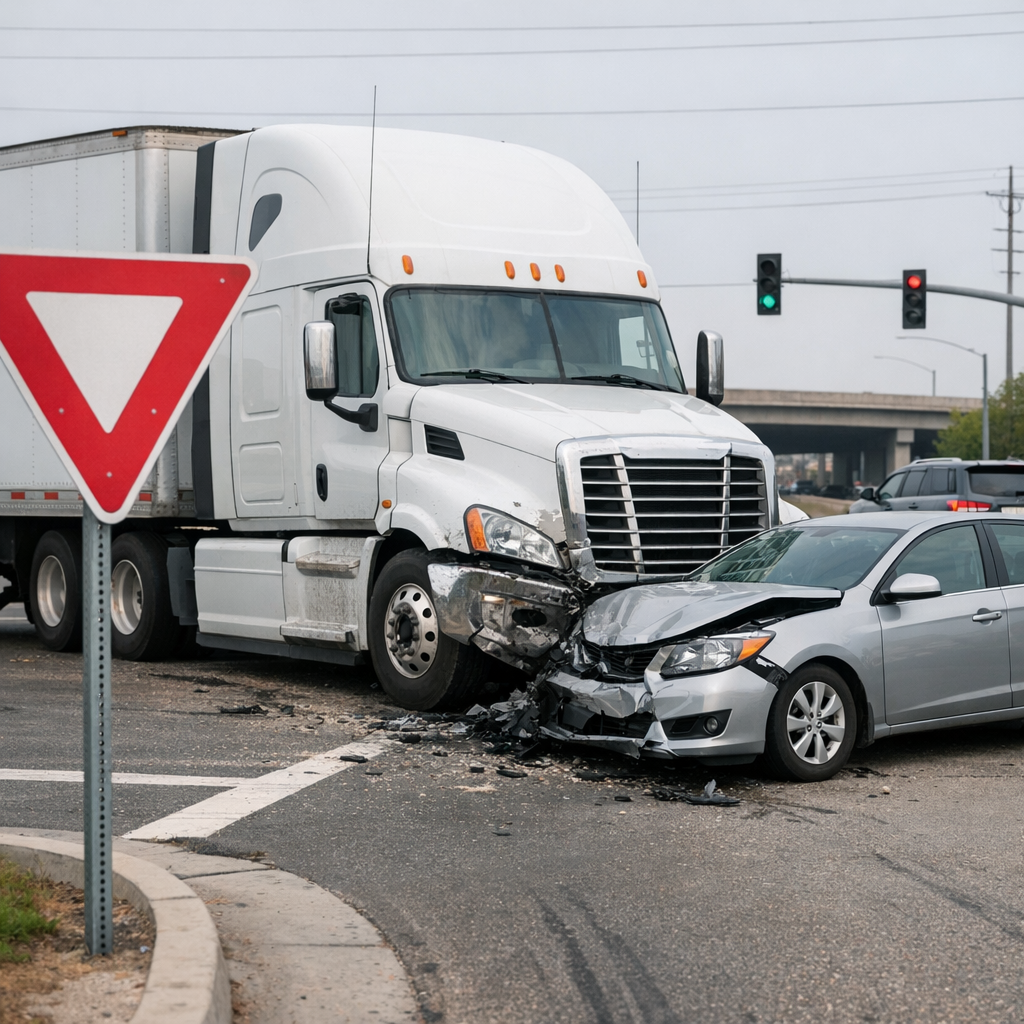
Many people wonder what to anticipate following a big rig accident due to the unique nature of these incidents. Unlike typical car collisions, accidents involving large trucks often involve greater complexity, both in terms of physical impact and the aftermath. This curiosity arises because the scale, potential damage, and ensuing procedures can be significantly different, prompting questions about what unfolds in the hours and days after such an event.
Understanding the Immediate Aftermath of a Big Rig Incident
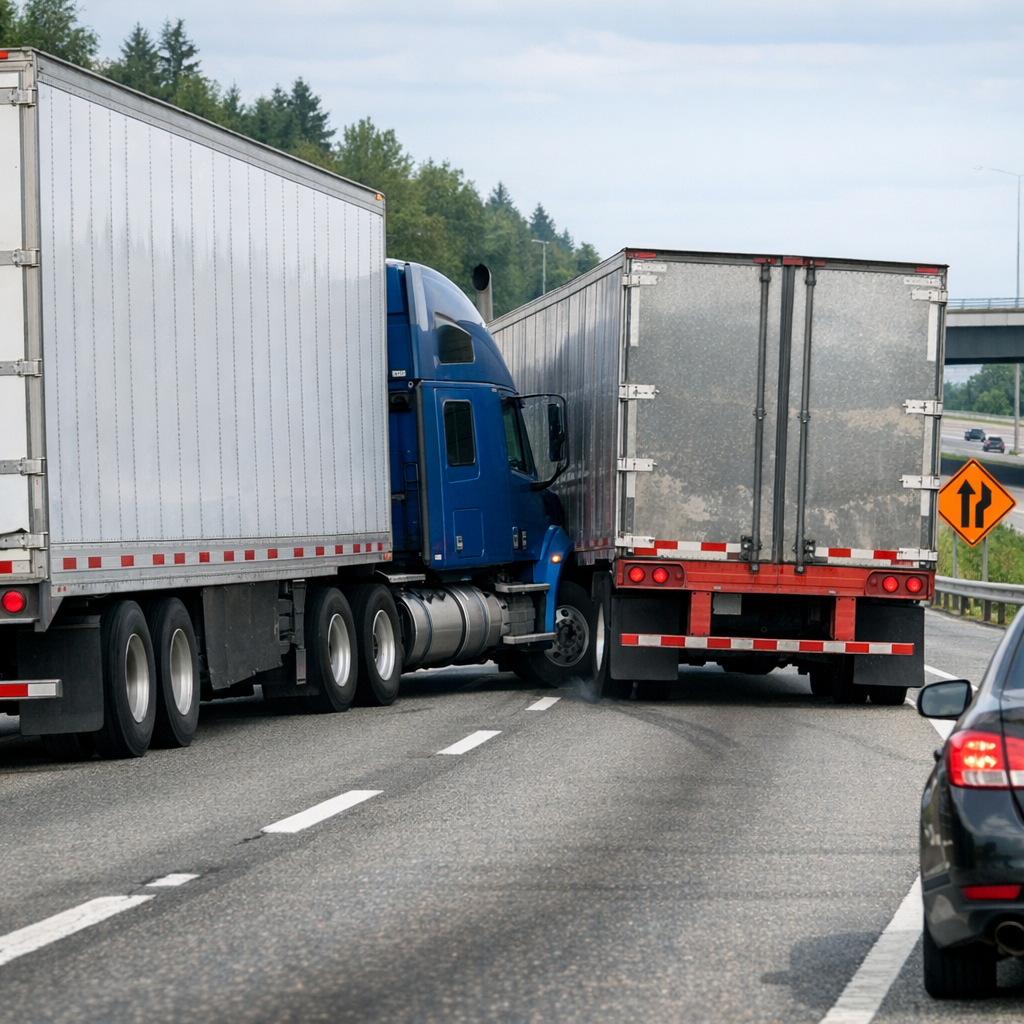
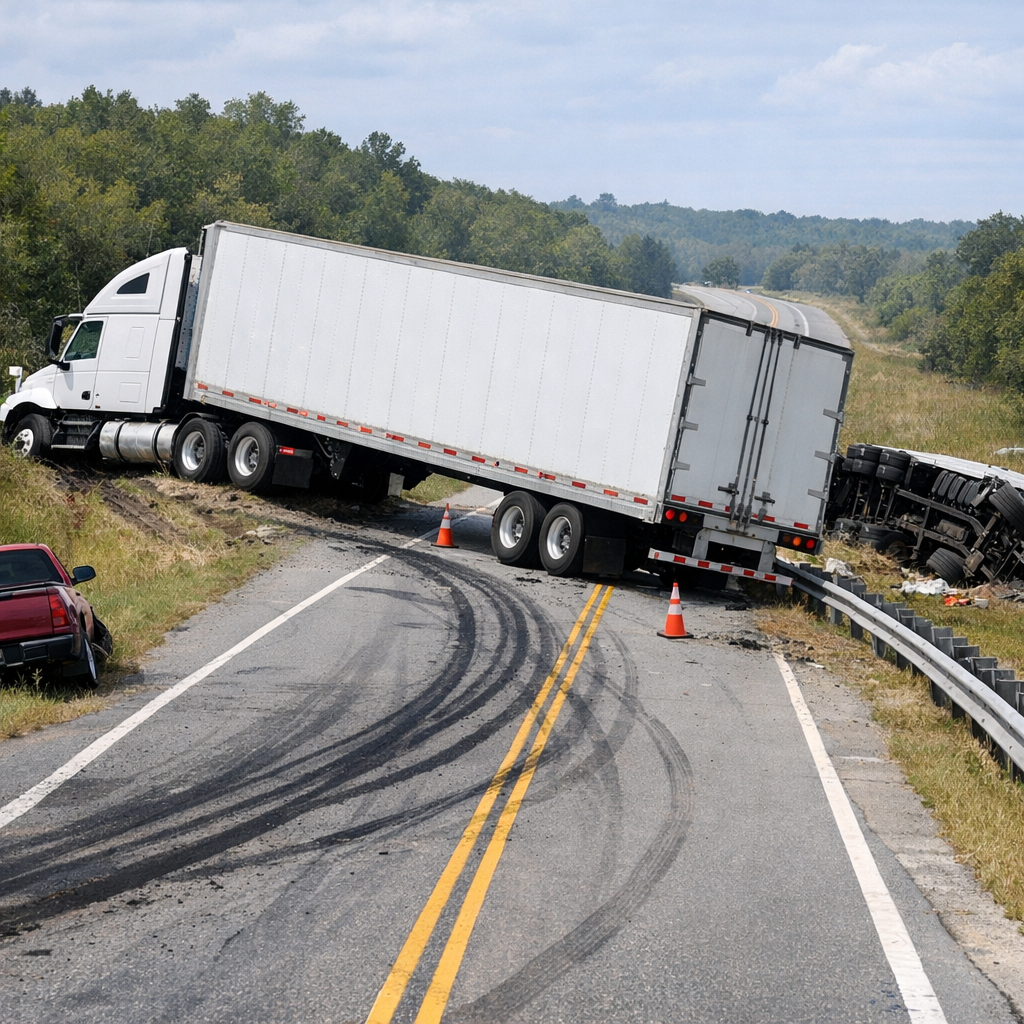
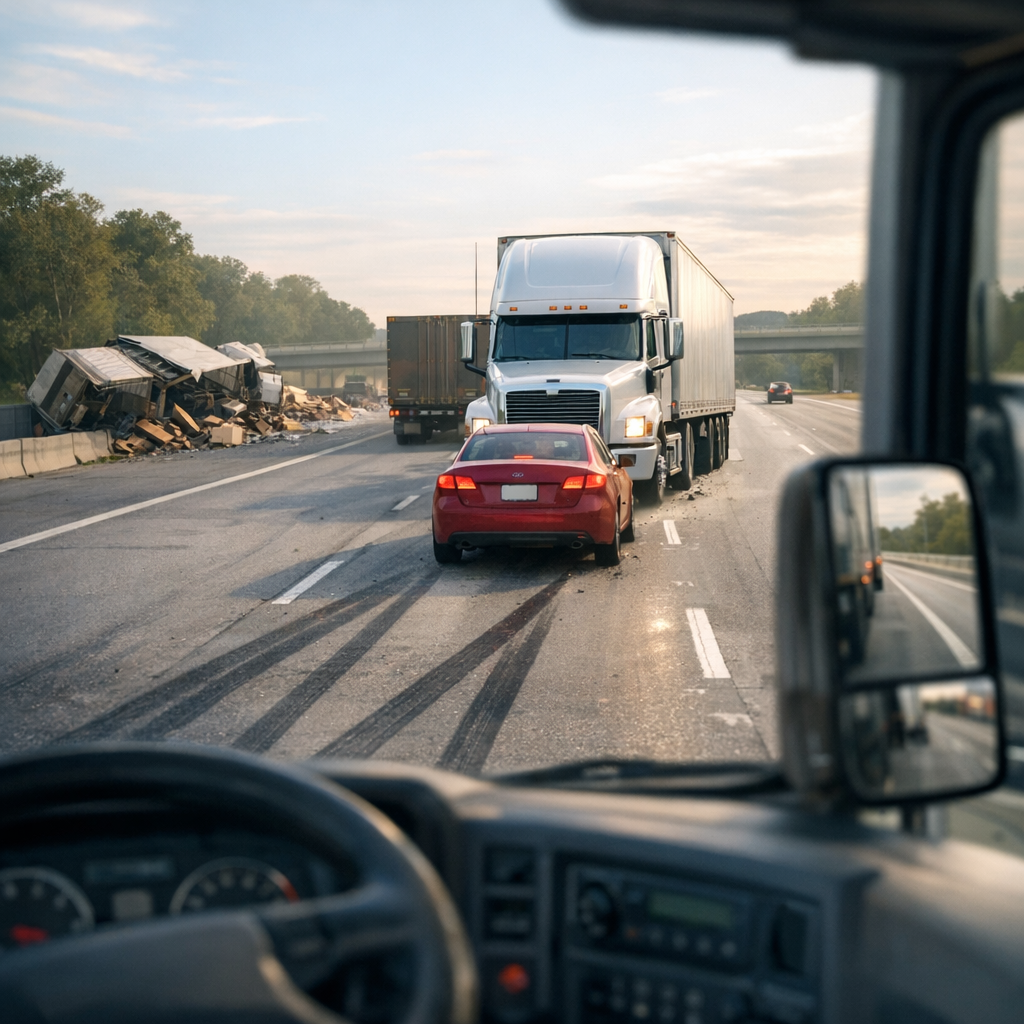
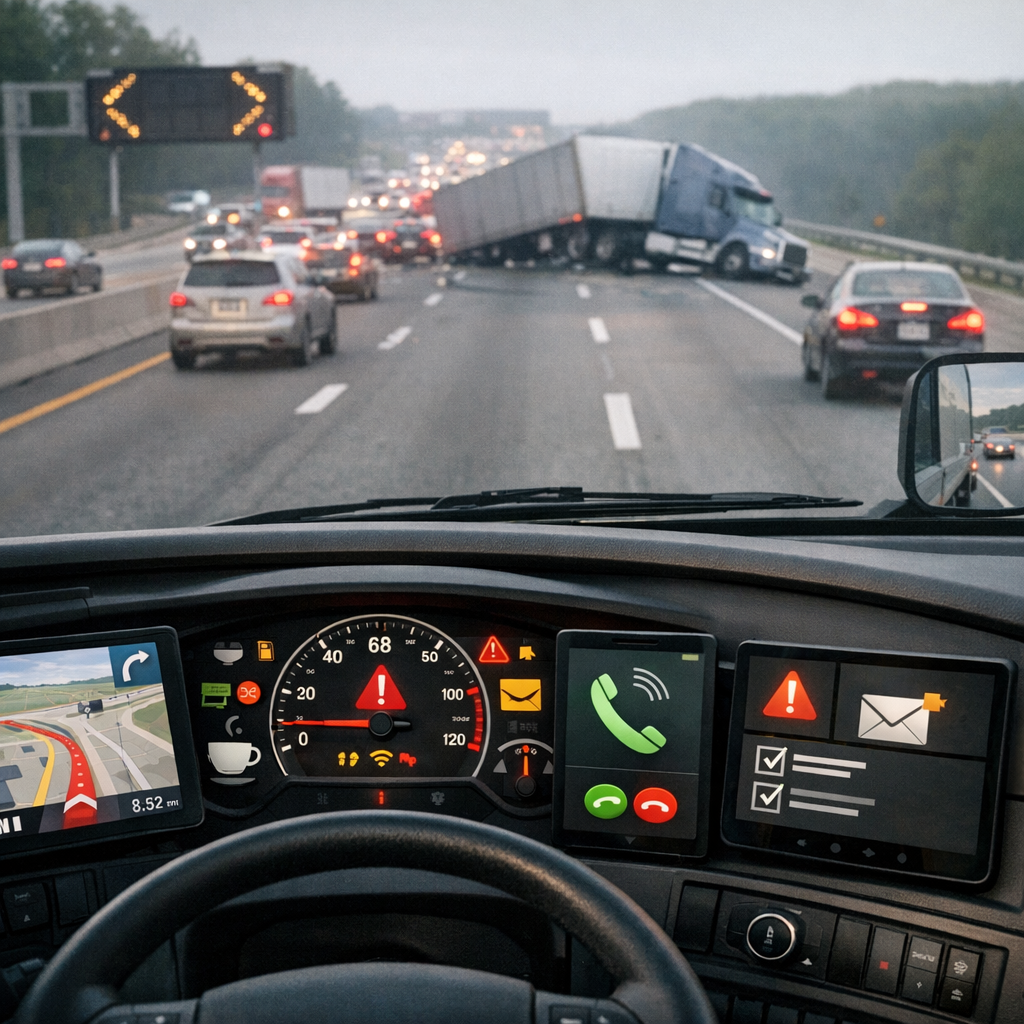
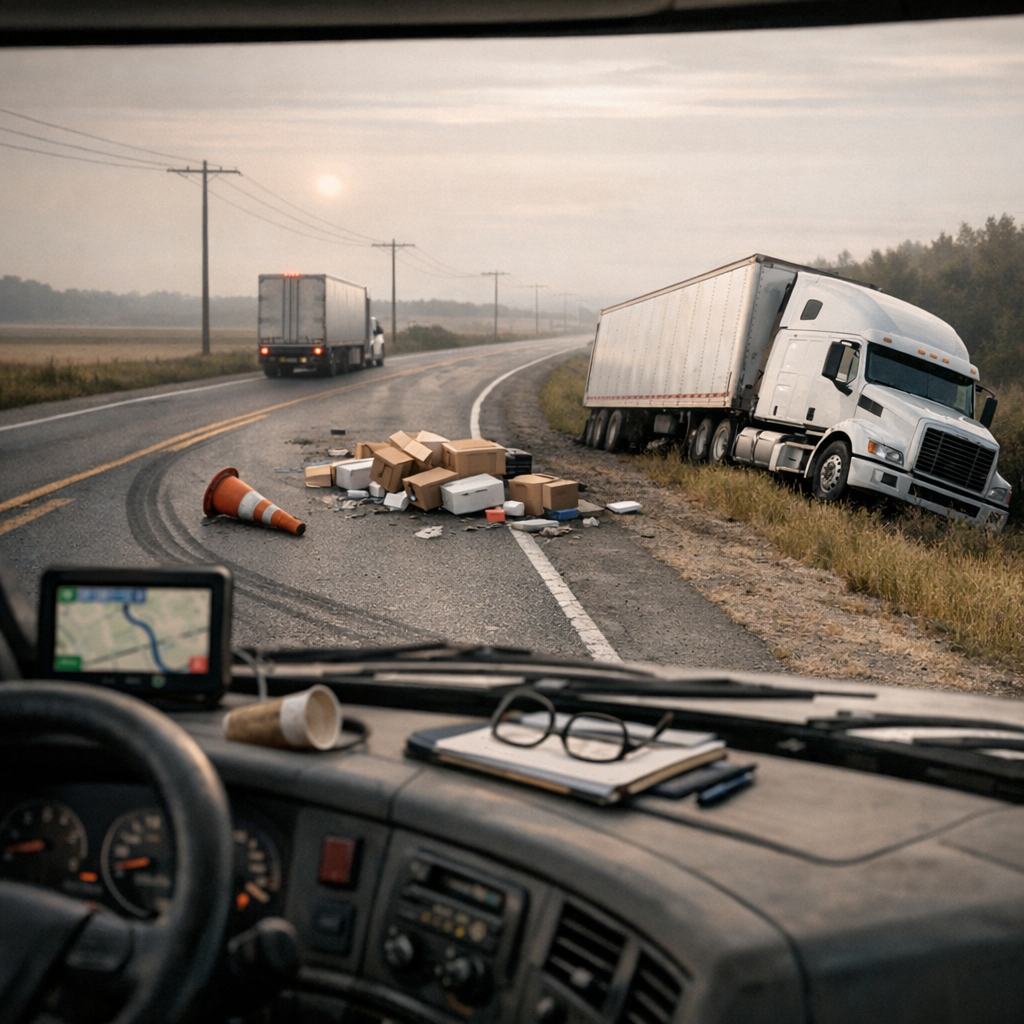
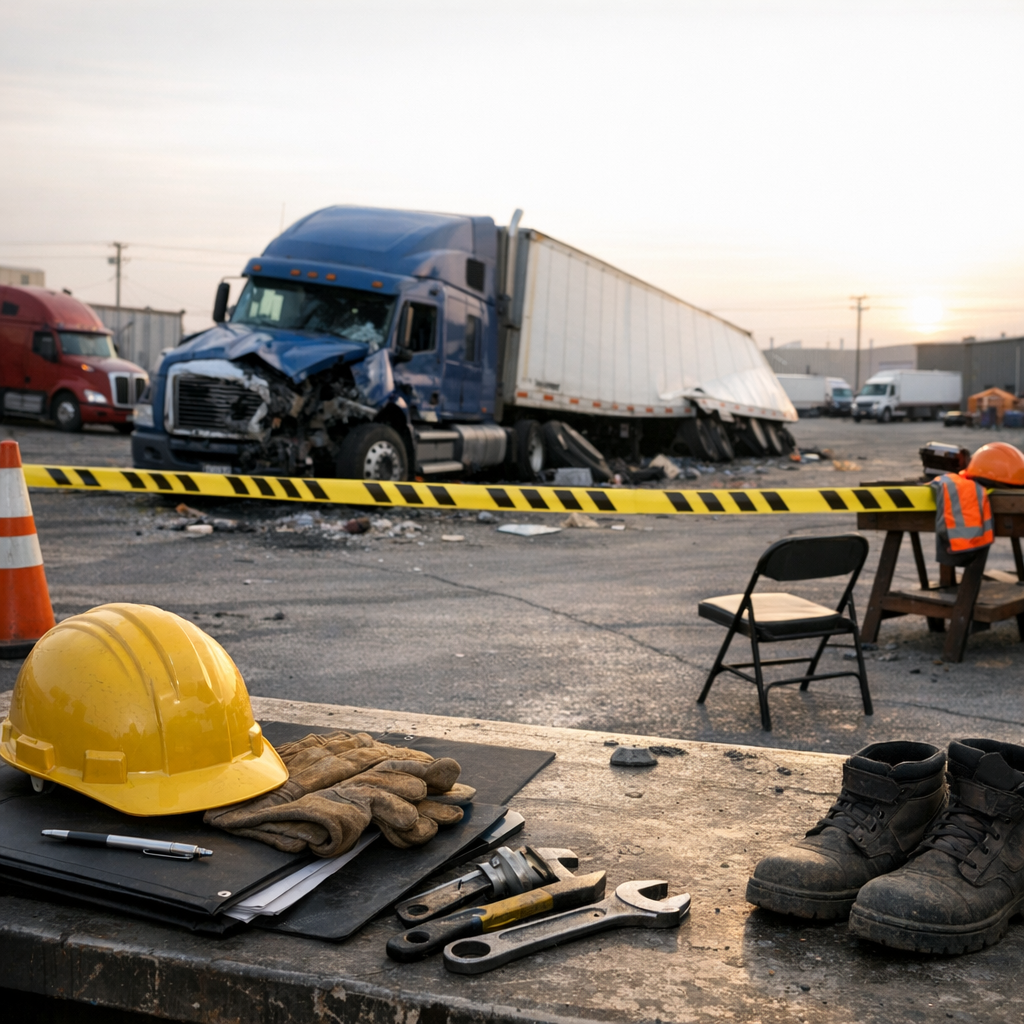
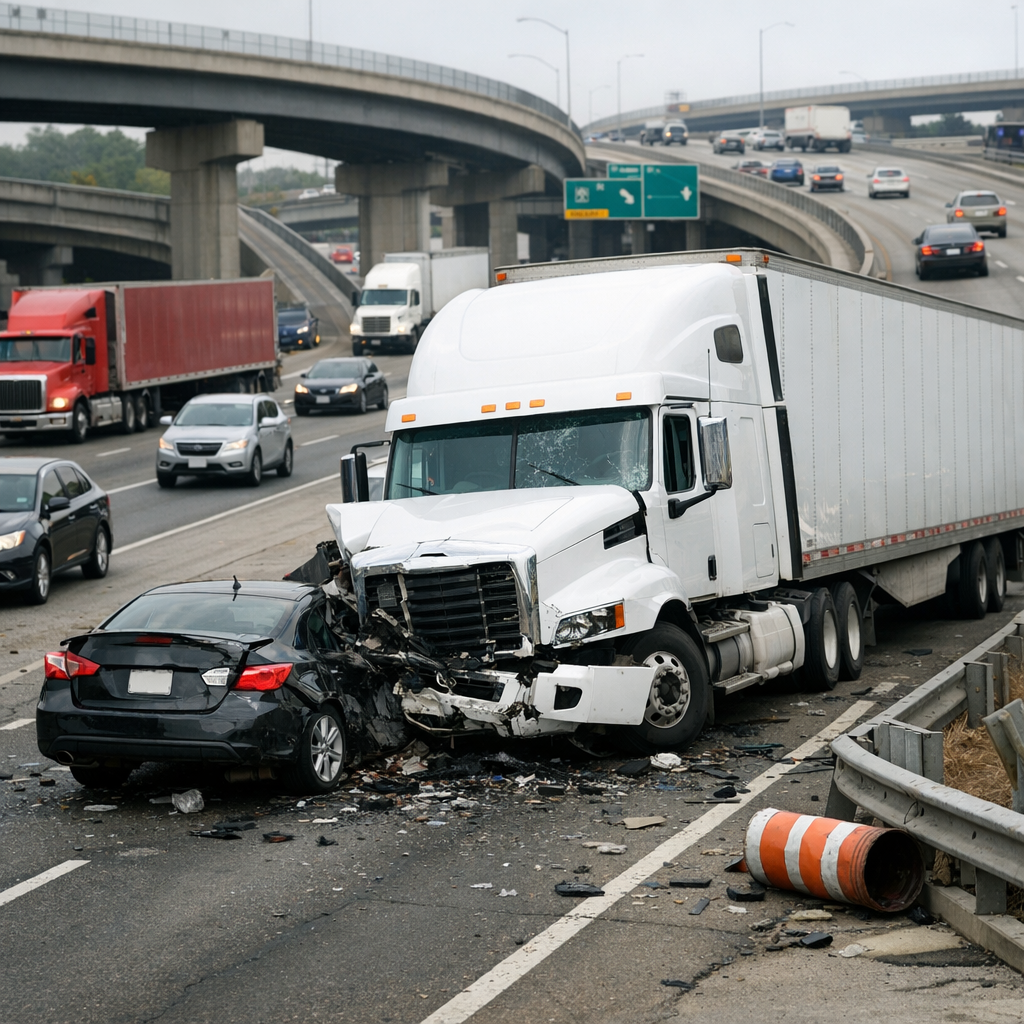
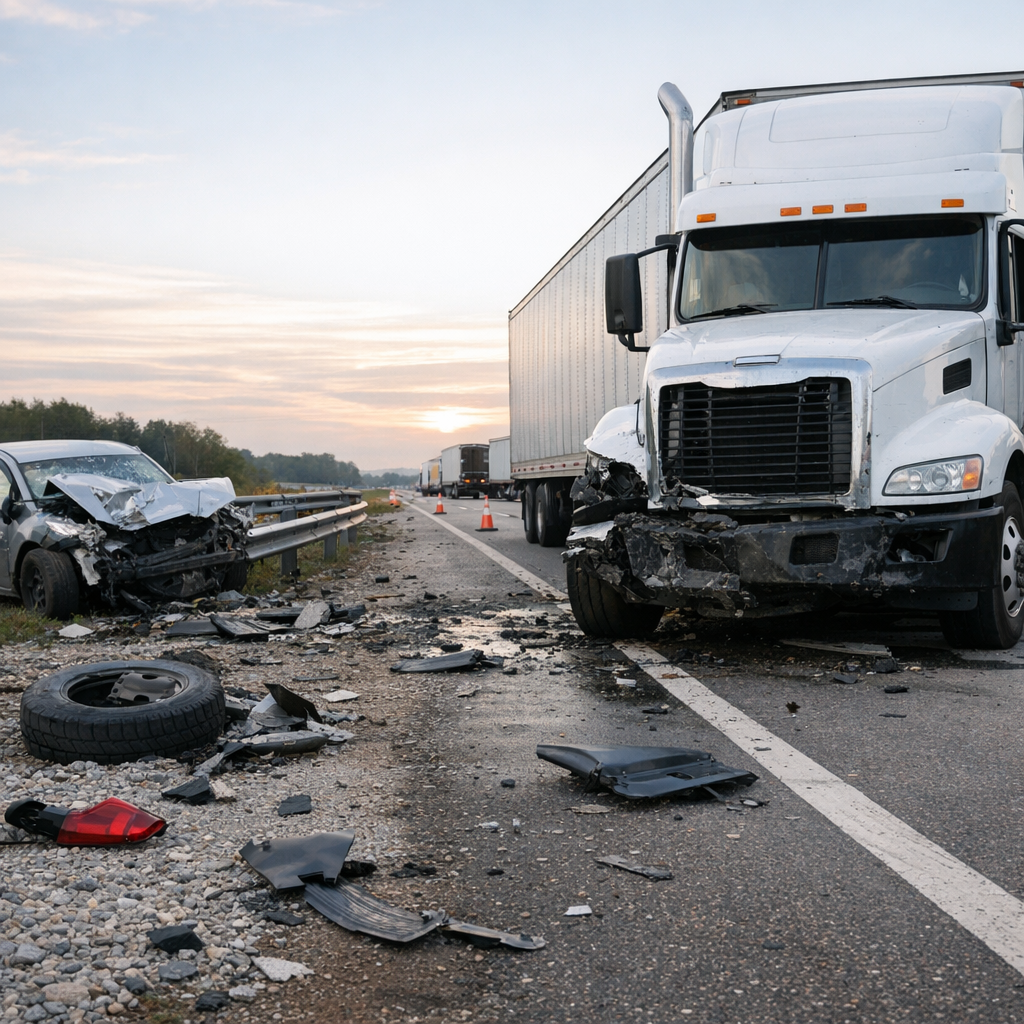
A big rig accident introduces various challenges that distinguish it from smaller vehicle accidents. After the impact, there can be an initial state of confusion or shock as responders arrive and assess the scene. The size and weight of a large commercial truck mean that wreckage can be extensive and roadways may be heavily obstructed.
Emergency services typically prioritize ensuring that all individuals involved receive immediate medical attention. Even if injuries are not apparent at first, the force involved in these collisions can result in hidden or delayed symptoms. Traffic management becomes a critical issue as authorities work to clear the highway or roadway and maintain safety for other drivers.
Less Obvious Factors Affecting Post-Accident Response
Beyond the visible chaos, several important factors influence what happens next. Big rig trucks often carry substantial cargo, which can add complexity if the load spills or poses additional hazards. Responders may need to address potential environmental concerns if the truck is transporting hazardous materials.
Documentation and reporting processes are also more extensive. Information about the truck itself—such as driver logs, vehicle inspection records, and freight details—becomes relevant. This can affect how the scene is handled and how the incident is studied afterward.
Furthermore, there may be a comprehensive investigation phase that stretches beyond the physical site. Specialized agencies might become involved to determine causes, such as mechanical failure or road conditions, which can influence wider traffic safety considerations.
Contextual Insights Not Always Considered
Many people might not realize the scale of coordination involved after a big rig accident. Multiple parties can participate in managing the aftermath, including fire departments, environmental teams, transportation agencies, and insurance entities. The process of towing or removing a large truck is more complicated and generally takes longer than clearing smaller vehicles.
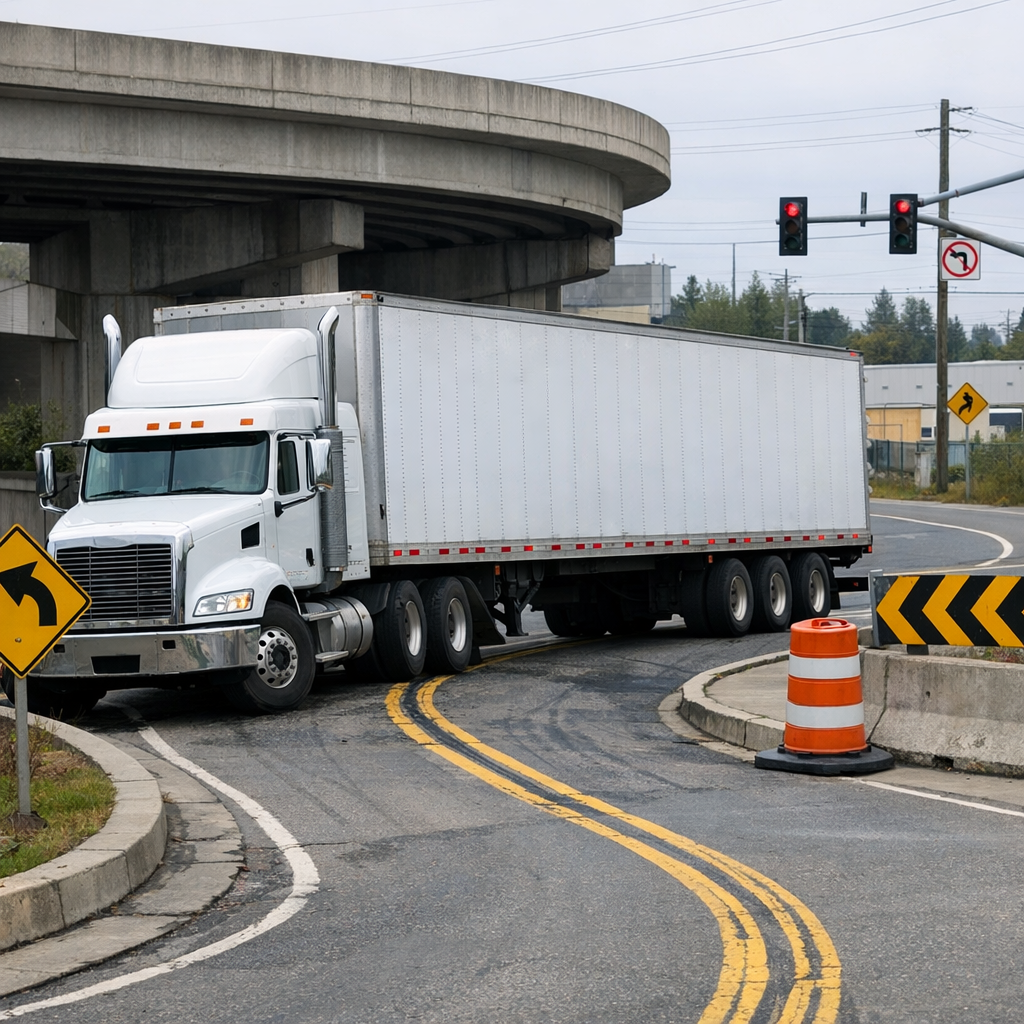
There can also be significant impacts on local traffic patterns. Detours and closures might last hours or even days, affecting commutes and freight logistics. The ripple effects sometimes extend beyond the immediate vicinity, highlighting the importance of infrastructure readiness and contingency plans.
Another aspect often overlooked is the psychological impact on those involved or witnessing the accident. Stress and coping mechanisms may come into play, influencing how individuals process what has happened and navigate the following days.
What Happens in the Days Following a Collision With a Big Rig
After the initial incident has been managed, the focus gradually shifts from emergency response to recovery and assessment. Depending on the severity, this may include vehicle repairs, health monitoring, or personal adjustments due to changes in mobility or routine.
Communications among various parties involved become more structured, with documentation and analysis continuing behind the scenes. Official reports and insurance evaluations might take time to complete, reflecting the complexity of large vehicle accidents.
In some cases, roadways affected by the accident undergo inspection and potential maintenance before reopening. This ensures safety and helps prevent similar occurrences in the future. Additionally, communities often review these events to improve response protocols and raise awareness about big rig safety.
Being aware of these procedural steps and considerations can provide a clearer picture of what lies ahead after such a serious incident. While it may feel overwhelming initially, understanding the layers involved helps frame expectations in a realistic and orderly manner.