
What Makes Semi Truck Injuries Complex
Common Curiosity Behind Semi Truck Injuries
Many people are curious about what distinguishes injuries involving semi trucks from typical vehicle accidents. The question often arises because semi trucks are noticeably larger and heavier than passenger vehicles, and collisions involving these massive vehicles frequently result in more severe consequences. People wonder why these injuries seem to carry additional complications and challenges, making recovery and understanding the impact less straightforward than with other types of accidents.
The complexity behind semi truck injuries is not always apparent at first glance. Those affected or simply interested in road safety may ask this question to better grasp why standard approaches to injuries don’t always apply.
Understanding the Nature of Semi Truck Injuries
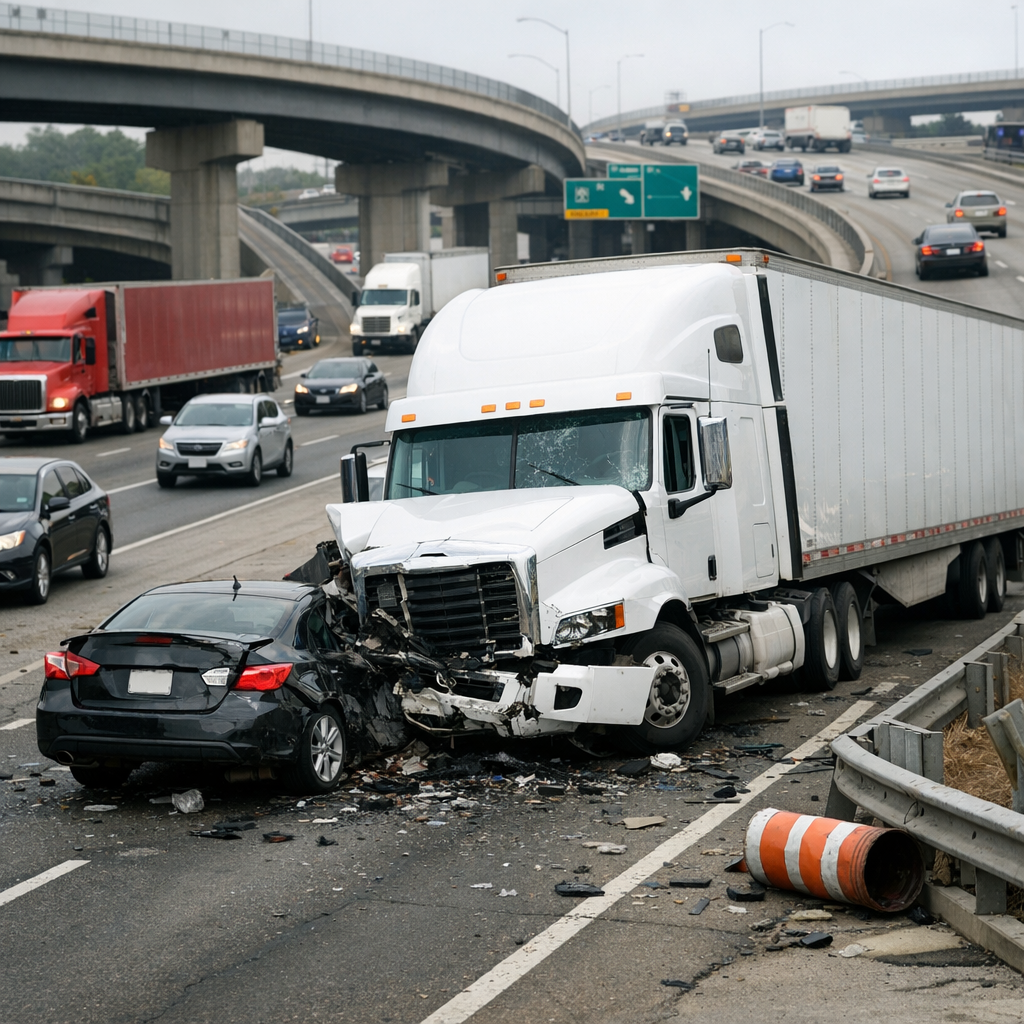
Semi trucks are enormous machines, weighing up to 80,000 pounds when fully loaded. This immense weight and size contribute significantly to the types and severity of injuries sustained in collisions. The force generated in an accident involving a semi truck can cause injuries that are both physically severe and medically intricate.
One factor contributing to complexity is the multiple injury sites victims often experience. Unlike smaller accidents where injury may be localized, victims of semi truck incidents frequently suffer from a combination of trauma. These can include fractures, internal organ damage, head injuries, and spinal trauma all at once. The interrelated nature of these injuries makes diagnosis and treatment more complicated.
In addition to physical trauma, semi truck crashes often involve secondary mechanisms of injury. Victims may be ejected from vehicles or crushed between heavy components. The impact forces can result in blunt force trauma alongside penetrating injuries caused by shattered glass or metal.
The Role of Accident Dynamics
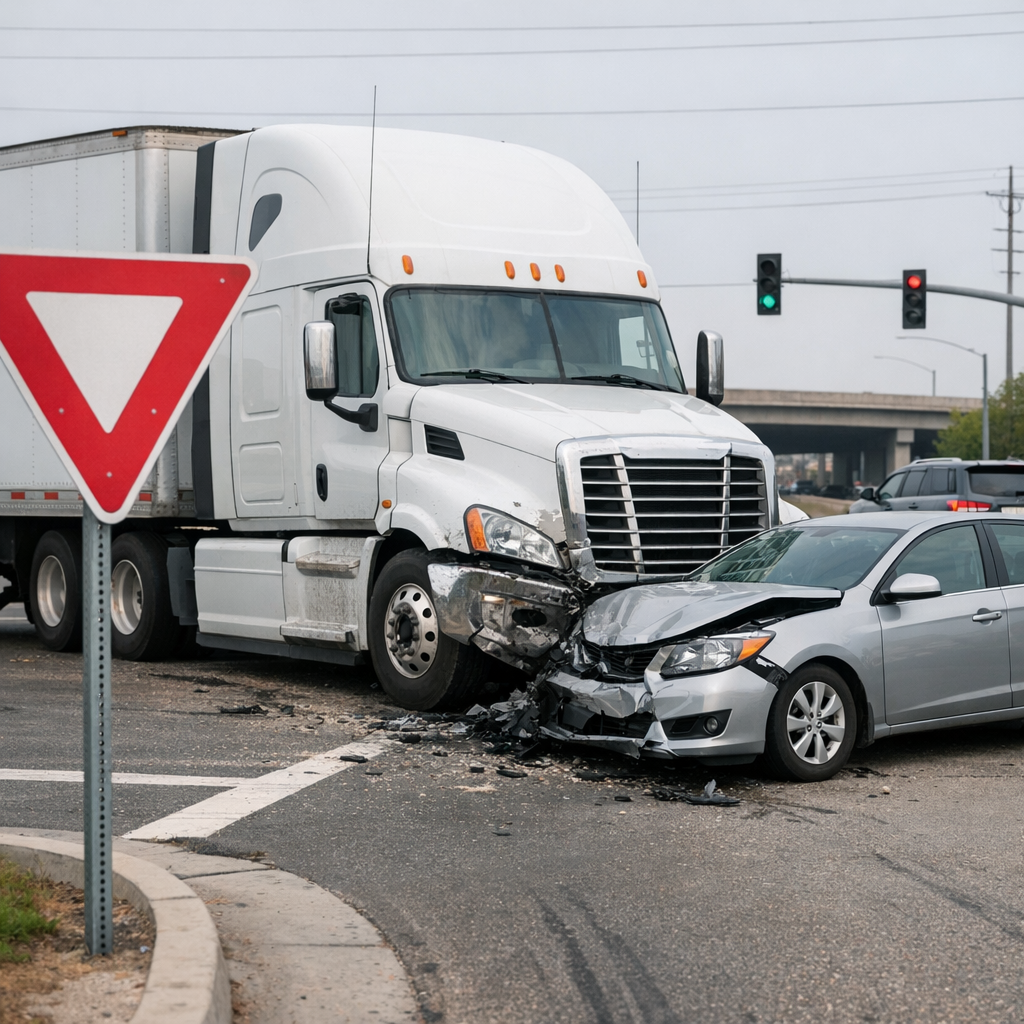
The specifics of how a semi truck accident unfolds contribute to the complexity of injury patterns. Semi trucks have long trailers, higher ground clearance, and different braking capabilities compared to passenger vehicles. These factors influence the nature and severity of collisions.
For instance, underride accidents—where a smaller vehicle slides beneath the trailer of a semi truck—are a particular hazard. These crashes often cause horrific trauma to occupants because the passenger compartment is compromised by the truck’s undercarriage.
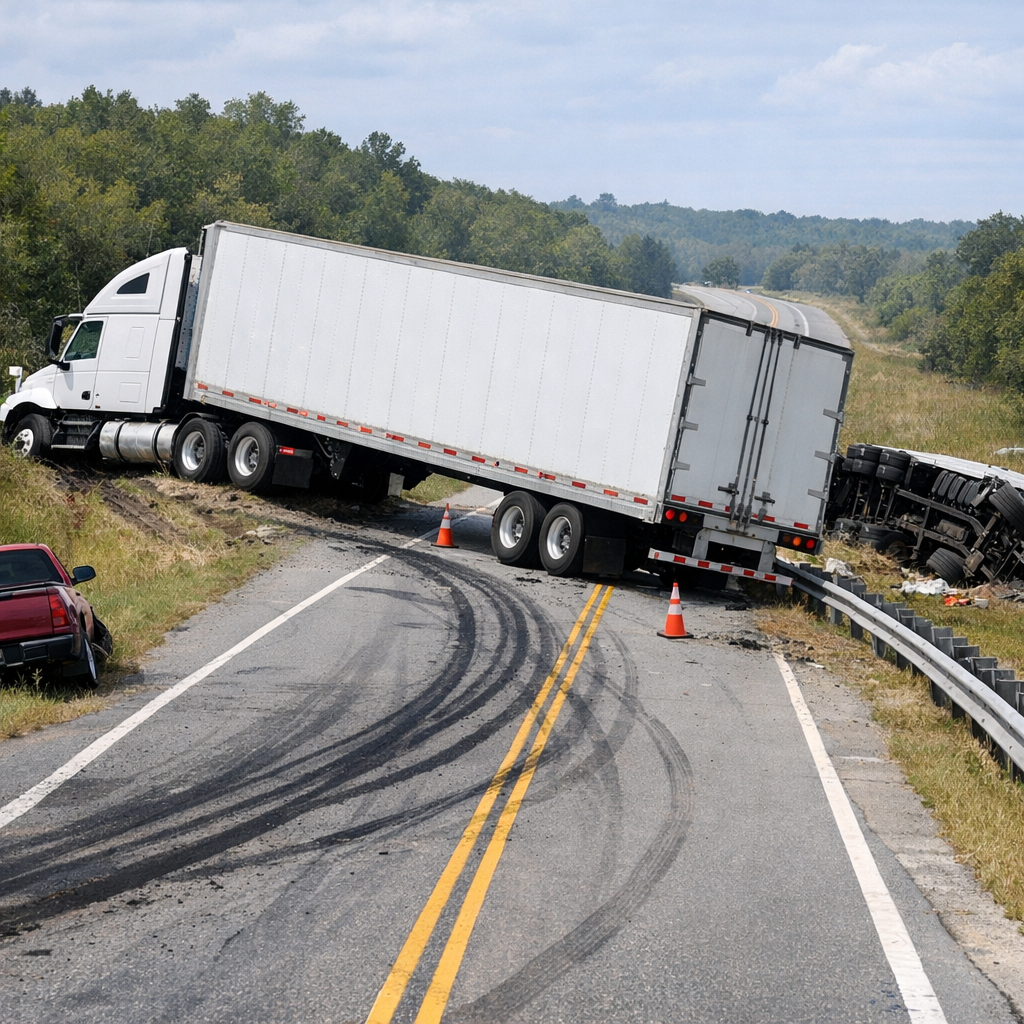
Rollovers and jackknifing also add layers of difficulty. When a semi truck rolls or folds in on itself, occupants in surrounding vehicles may face multiple impact angles and forces. This chaotic motion increases the likelihood of unpredictable injury patterns that can be hard to manage medically.
Hidden Dimensions of Injury Complexity
Beyond visible injuries, semi truck collisions may produce less obvious but significant complications. Internal injuries, such as damage to organs or blood vessels, are sometimes not immediately apparent at the scene. These hidden injuries can exacerbate conditions quickly, requiring ongoing monitoring and intervention.
The sheer scale of force involved often causes severe soft tissue damage, which might not be apparent initially yet contributes to long-term disability or chronic pain. The recovery trajectory may be prolonged due to this subtle tissue destruction.
Another aspect not often realized is the coordination required in medical care after semi truck accidents. Because of the multiplicity and severity of injuries, treatment typically involves a multidisciplinary team of healthcare specialists. This means ongoing communication between emergency personnel, surgeons, rehabilitation experts, and others to address complex needs comprehensively.
Medical and Physical Challenges in Healing
The process of healing from complex semi truck injuries can be challenging. Recovery may demand extended hospital stays and specialized care. The body’s response to multiple traumas simultaneously can complicate rehabilitation efforts.
Physical therapy is often more involved because patients might be dealing with impairments in mobility, nerve function, and coordination caused by diverse injury types. Pain management also becomes more nuanced, as the origins of discomfort may be multifaceted due to overlapping injury regions.
The psychological toll of enduring such severe injury and extended treatment periods adds another layer to the recovery experience, even though this area lies outside the strictly physical or medical scope.
Concluding Insights on Injury Complexity
Understanding what makes semi truck injuries complex helps in appreciating the multifaceted challenges they present. The unique characteristics of semi trucks, combined with the mechanisms of their collisions, create situations where injuries are often severe, widespread, and uncommon in nature compared to typical accidents.
This complexity extends beyond initial trauma to how the injuries are identified, treated, and managed over time. Navigating the physical aftermath involves intricate medical care and carefully coordinated rehabilitation efforts.
Recognizing these factors can provide a more informed perspective on why semi truck injuries require special attention and why they can prove so demanding to address fully.