What Makes Recovery After Truck Crashes Difficult
Understanding the Common Curiosity About Recovery Challenges
When individuals inquire about recovery difficulty after truck crashes, it often stems from a desire to grasp the unique obstacles involved. Truck accidents frequently involve severe impacts due to the size and weight of commercial vehicles, leading to injuries and consequences that can differ greatly from those in typical car collisions. People are naturally curious about why recovering from these incidents seems more complex and prolonged, aiming to comprehend both the physical and non-physical factors that contribute to the overall difficulty.
The Complex Nature of Injuries Sustained in Truck Accidents
Recovering from a truck crash generally presents more challenges because the types of injuries sustained are often more severe and multifaceted. The sheer mass and momentum of a truck can cause catastrophic damage, resulting in traumatic injuries that might affect multiple parts of the body simultaneously. This can include complex fractures, spinal cord injuries, internal organ damage, and traumatic brain injuries, making the healing process extensive and intricate.
Physical trauma is frequently only part of the recovery challenge. Soft tissue damage, nerve injuries, and chronic pain syndromes can persist long after the initial wounds heal. Such conditions may require ongoing medical interventions, physical therapy, and rehabilitation, extending the duration and complexity of recovery.
The Role of Psychological and Emotional Strain
Beyond the visible physical wounds, the psychological and emotional aftermath presents an additional layer of difficulty. Experiencing a truck crash can be a highly traumatic event, often triggering stress-related responses. Mental health factors such as anxiety, depression, and post-traumatic stress can intertwine with physical recovery, influencing overall well-being.
The mind-body connection plays a significant role in healing. When psychological distress is present, it can slow recovery, affect pain perception, and reduce motivation to adhere to rehabilitation regimens. This holistic challenge is an often-overlooked aspect that contributes to prolonged recovery difficulty after truck crashes.
The Impact of Recovery Environment and Support Systems
Another aspect that complicates recovery is the environment in which healing takes place. Adequate access to specialized care, rehabilitation facilities, and consistent support from family and community can significantly influence outcomes. However, not everyone has equal access to comprehensive medical and therapeutic resources, potentially hindering progress.
Moreover, lifestyle adjustments necessary after a truck crash, such as modifications to living spaces or changes in employment status, can add stress. These factors might lead to social isolation or financial strain, indirectly affecting recovery pace and quality.
The Challenges Created by the Scale and Dynamics of Truck Crashes
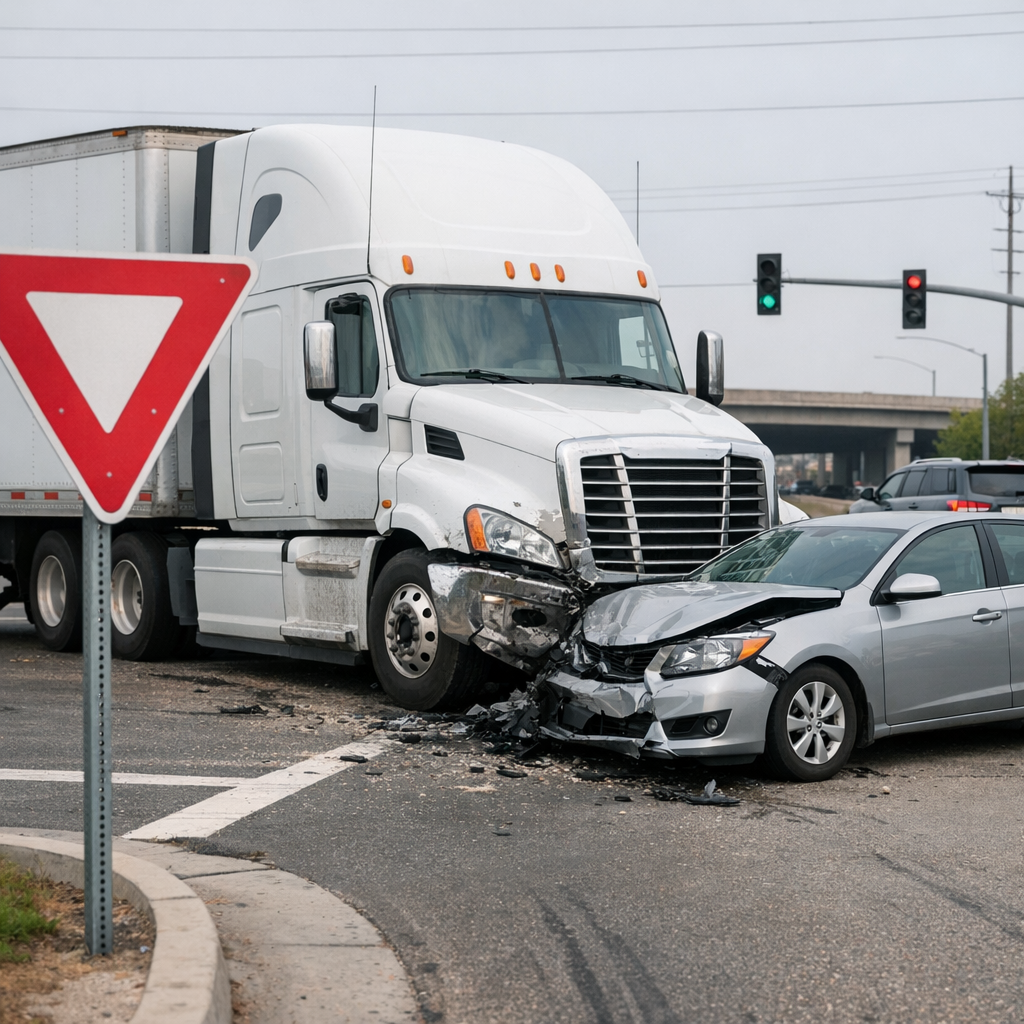
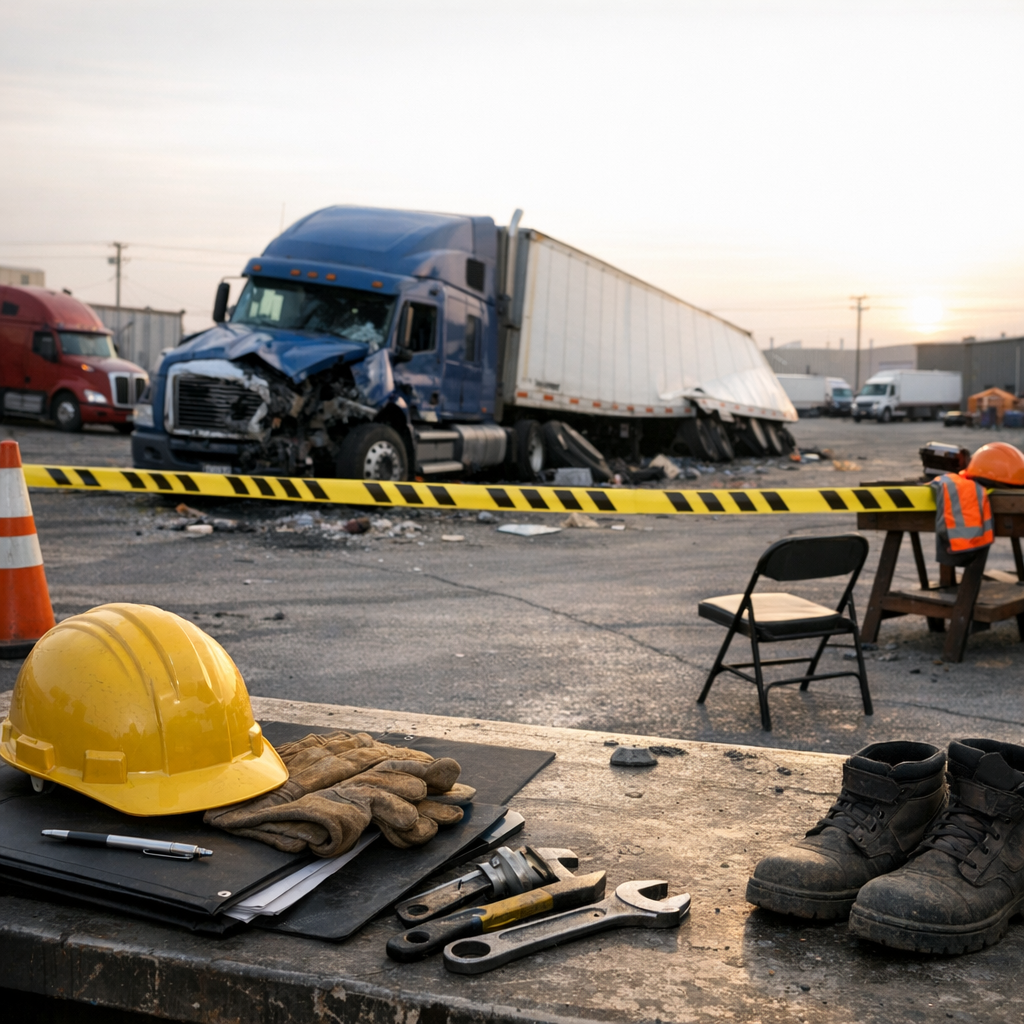
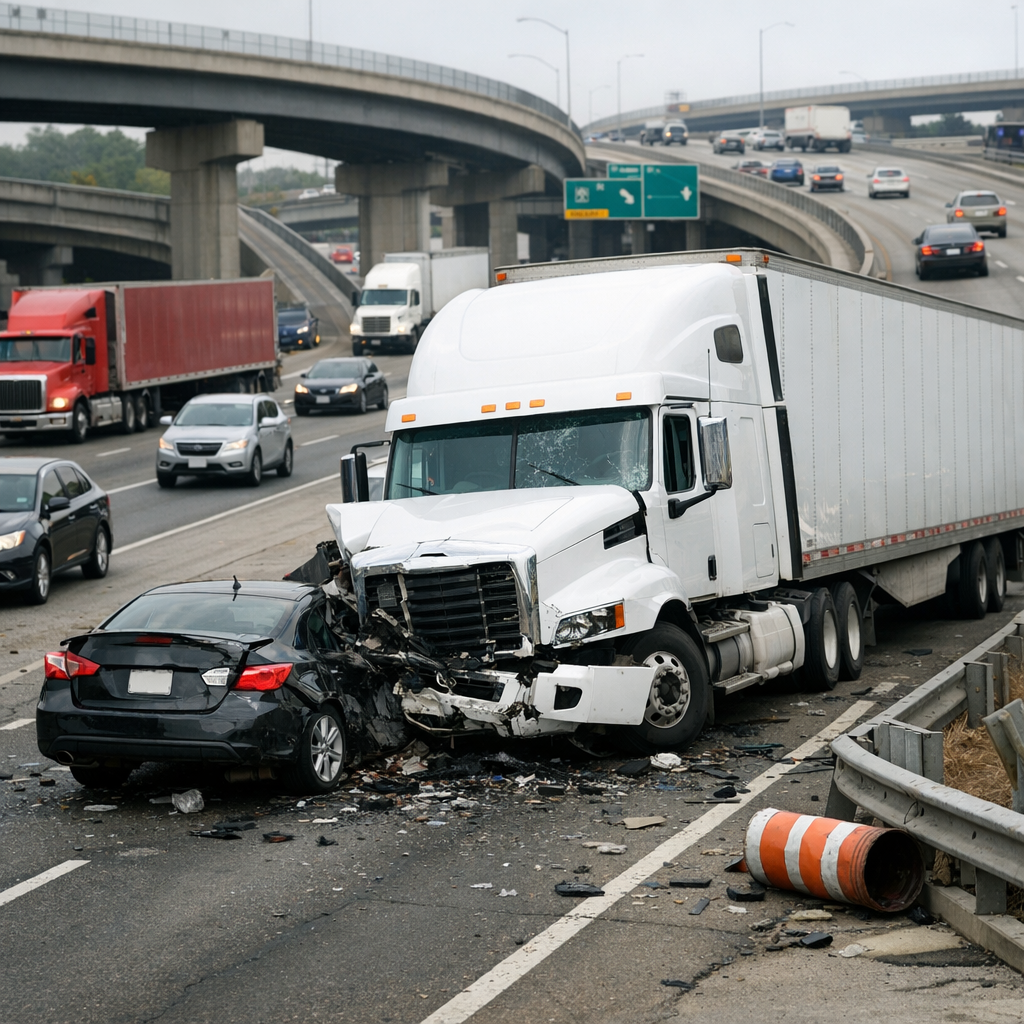
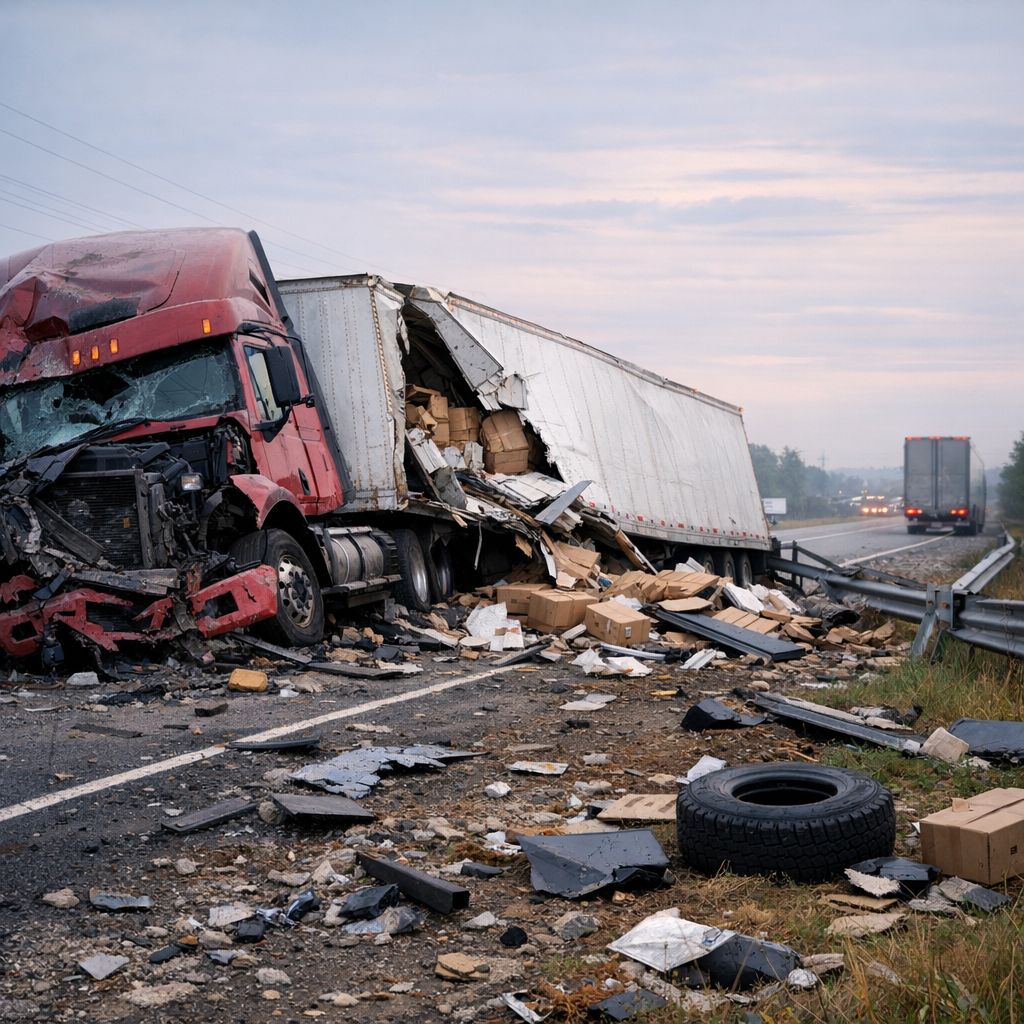
Truck crashes differ in dynamics compared to typical vehicle accidents due to the vehicle size, speed, and load carried. This means that accident scenes often result in complex injury patterns and substantial vehicle damage, which can complicate the immediate post-incident phase. Medical responders and healthcare providers might face challenges in stabilizing patients and managing multiple injuries effectively from the start.
Additionally, recovery difficulty is compounded by the slow and gradual nature of healing from high-impact trauma. Scar tissue development, complications such as infections or secondary injuries during recovery, and the necessity for prolonged physical therapy all contribute to extended rehabilitation periods.
Factors Affecting Long-Term Functional Recovery
The ultimate goal for many recovering from truck crashes is to regain functional independence. However, long-term functional recovery can be difficult due to the severity of injuries that affect mobility, cognitive function, or sensory abilities. Relearning basic skills or adapting to new physical limitations can be a gradual process that requires patience and persistence.
Rehabilitation may include numerous phases, requiring consistent updates to treatment plans as recovery progresses or complications arise. This dynamic and demanding process can be physically and mentally taxing, further highlighting why recovery difficulty after truck crashes is often substantial.
A Broader Perspective on Healing After Truck Accidents
Recovering from a truck crash is not solely a medical process but a multi-dimensional journey that touches on many aspects of a person’s life. Understanding the combination of severe injuries, psychological impacts, environmental factors, and the complexities of trauma management helps explain why this recovery process tends to be challenging.
While the road to recovery can be lengthy and layered, awareness of these factors can lead to realistic expectations and a more informed outlook. Recognizing the challenges allows for a comprehensive approach to healing, focusing on gradual improvement and adapting to individual needs during this process.