What Complications Follow Truck Collision Injuries
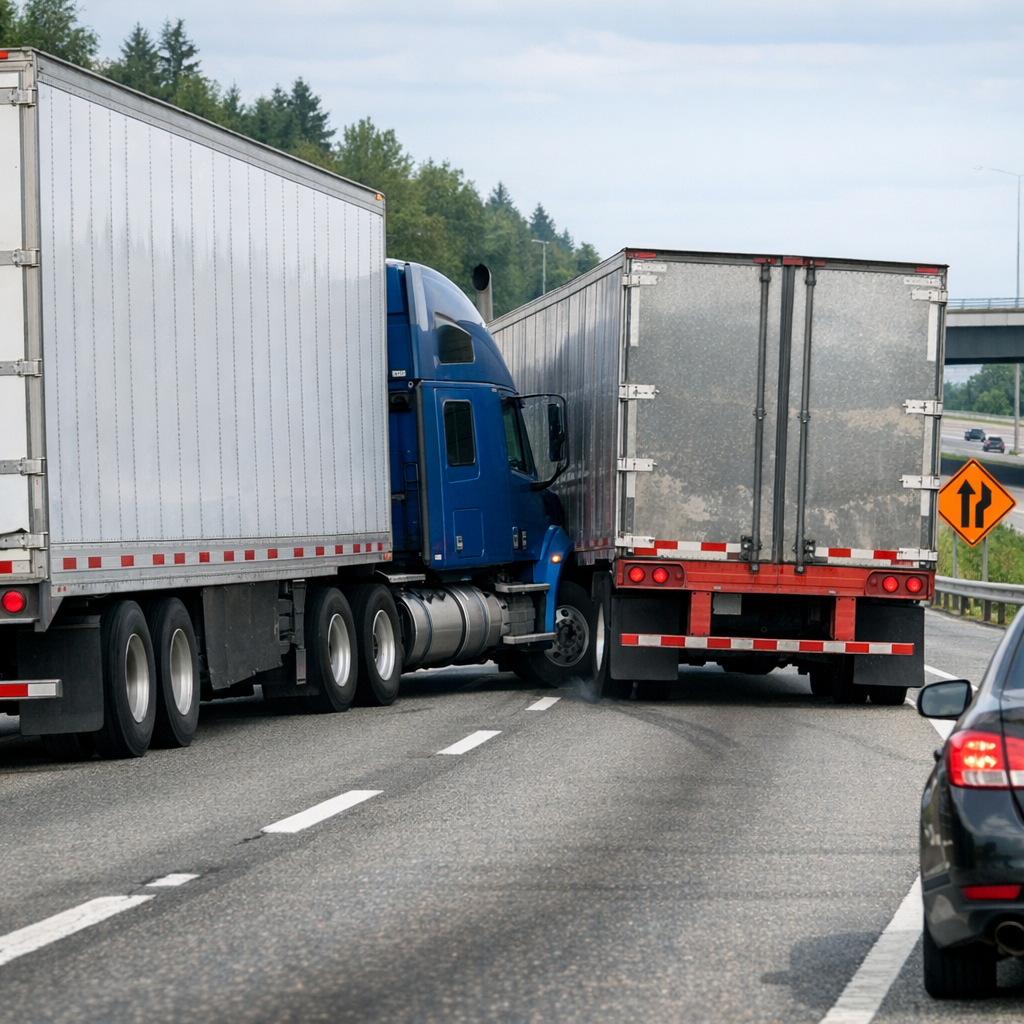
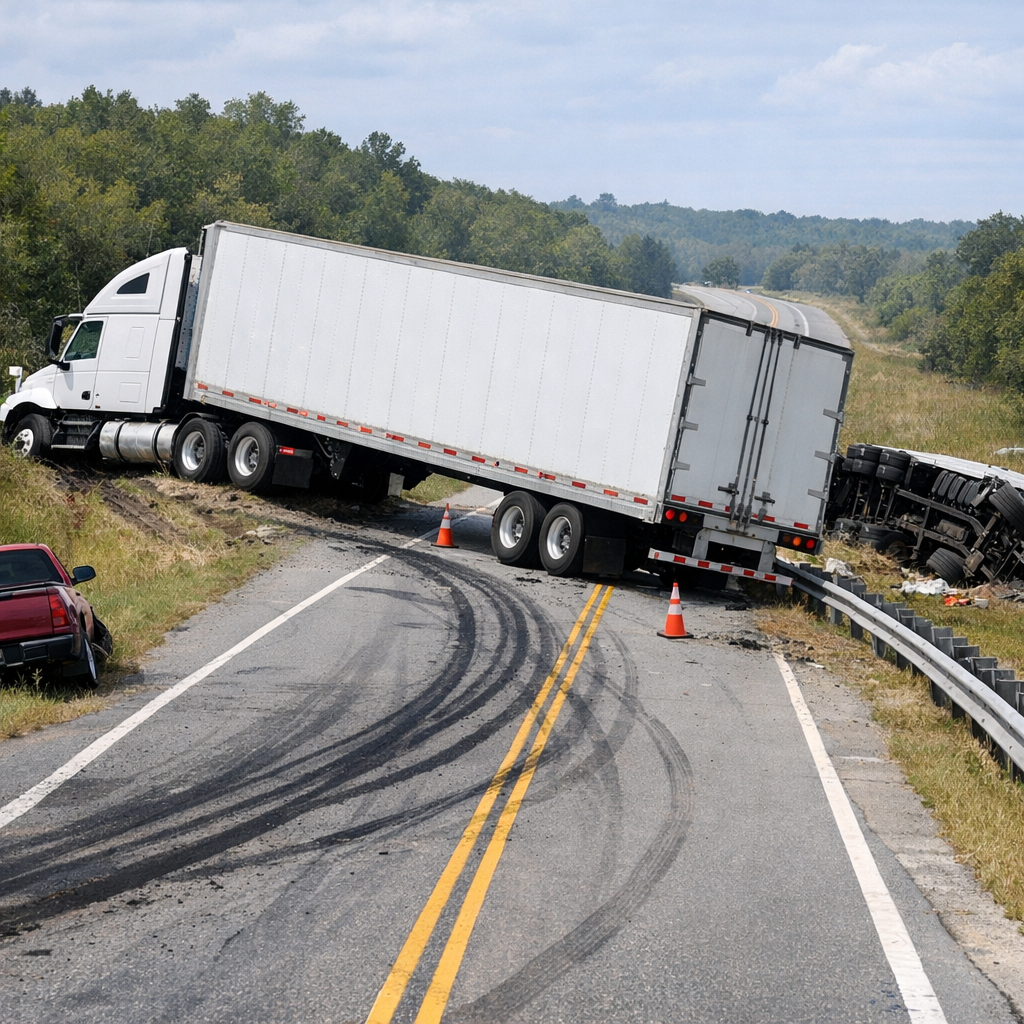
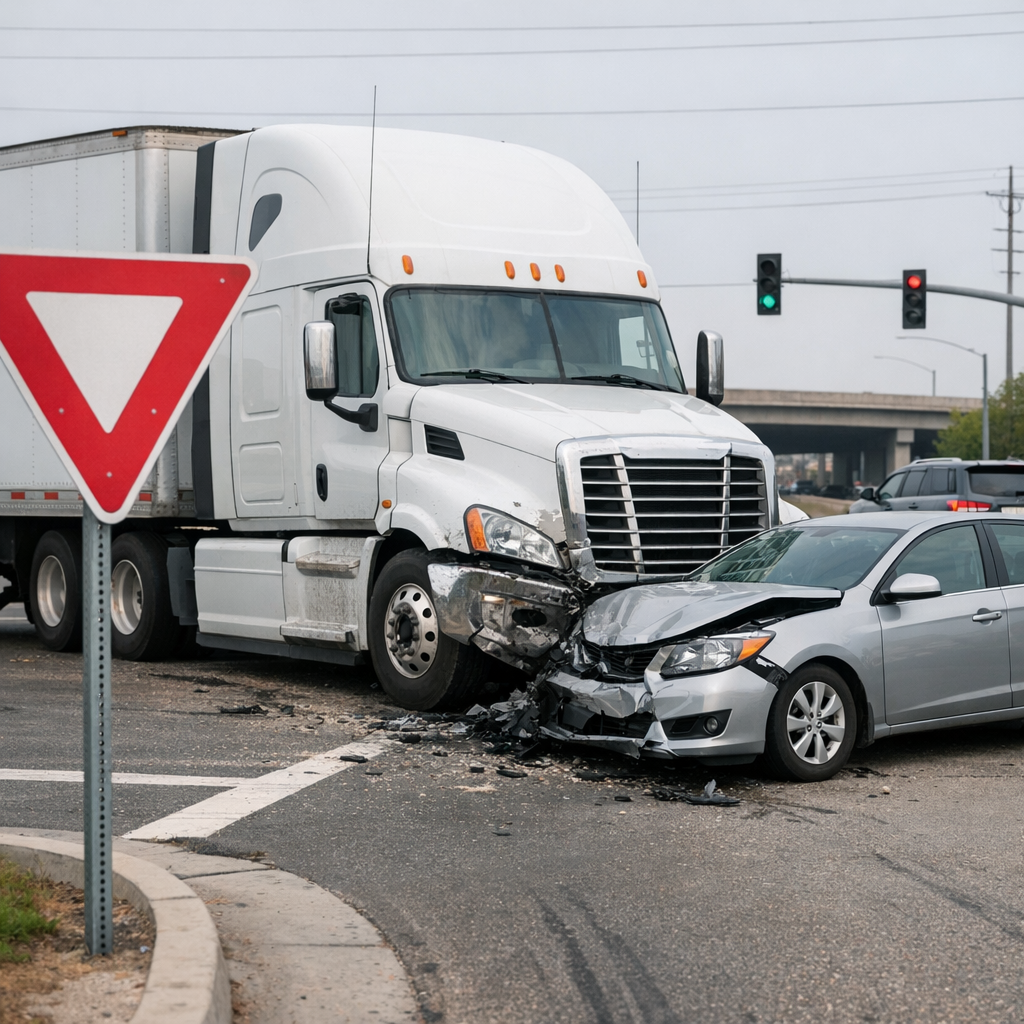
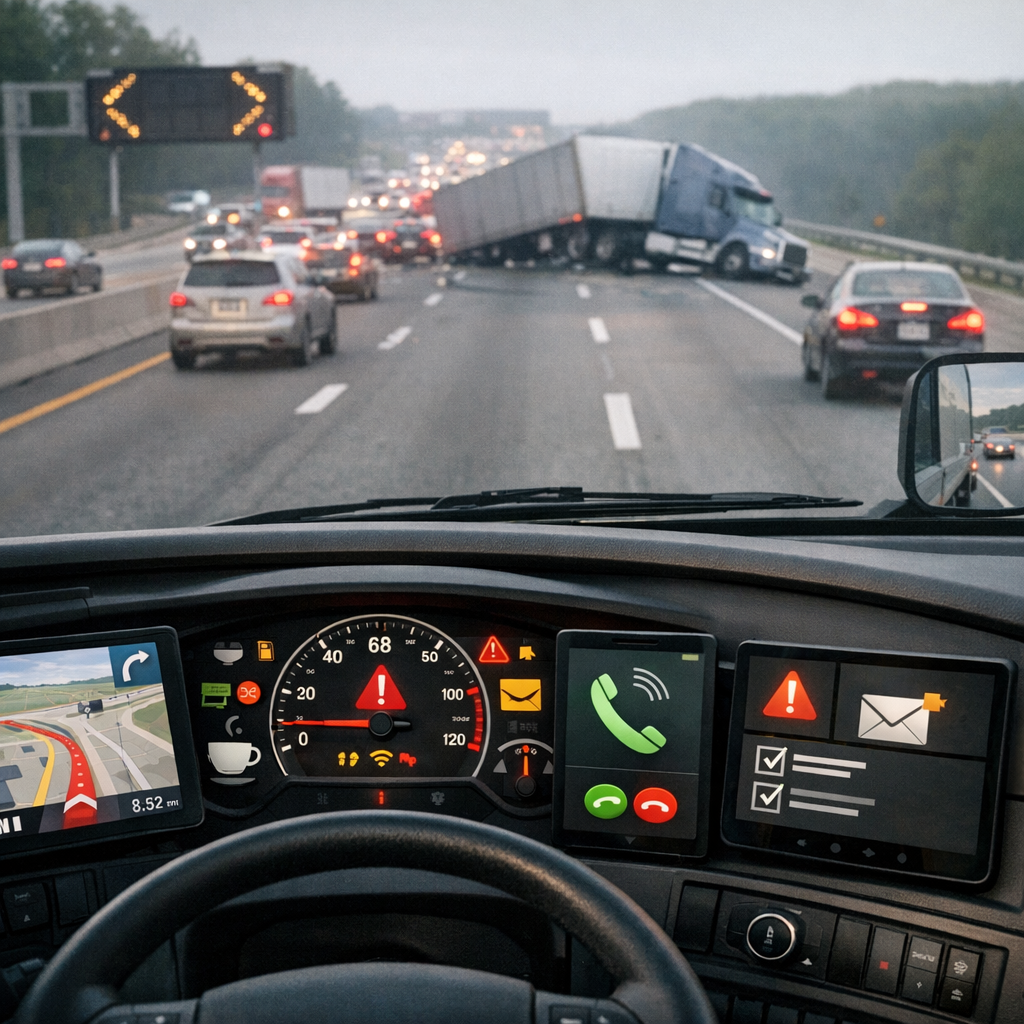
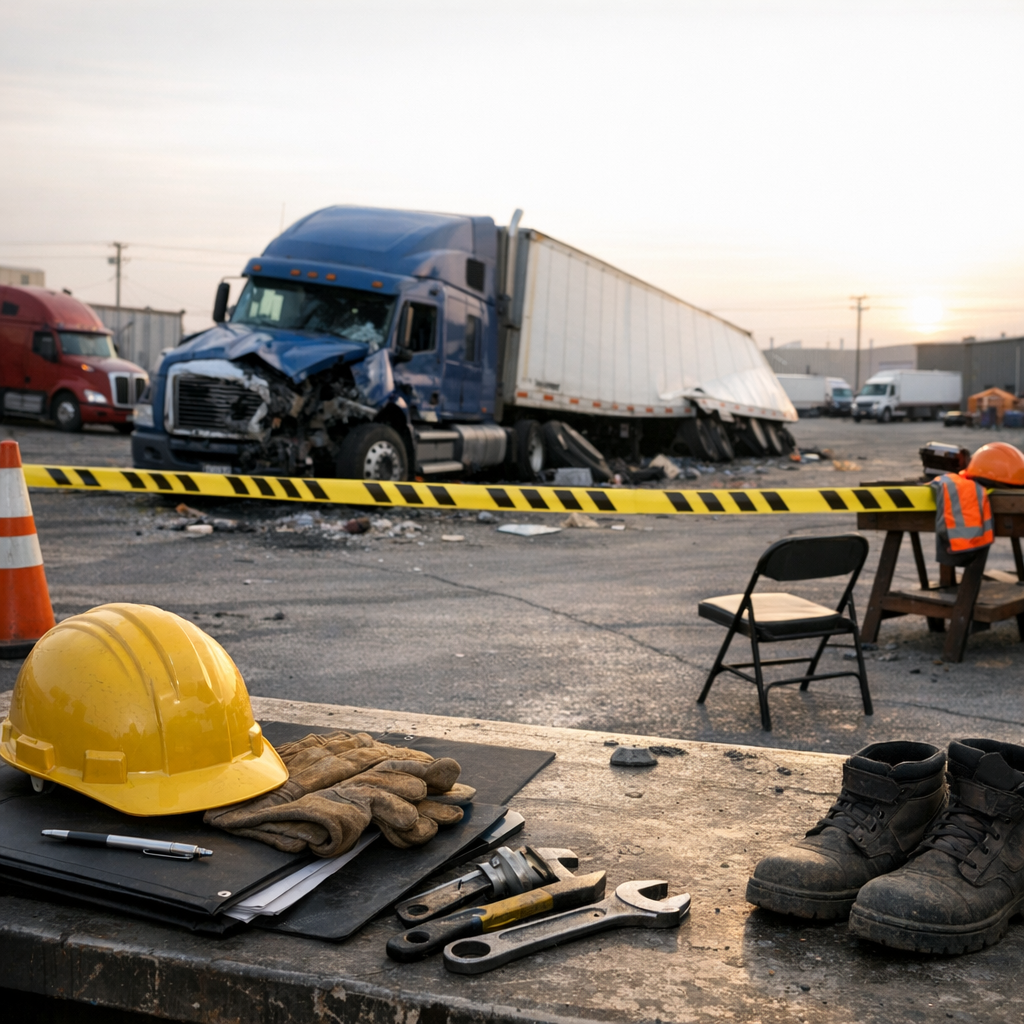
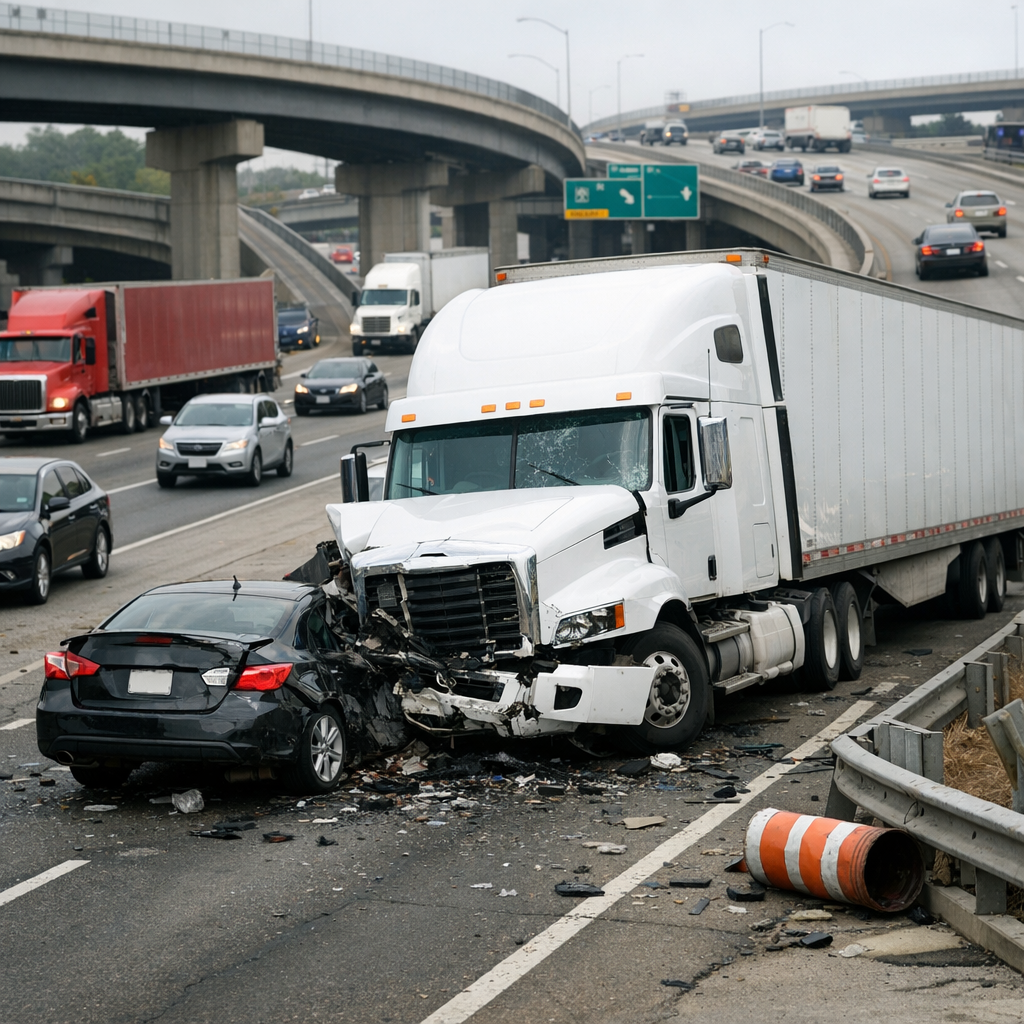
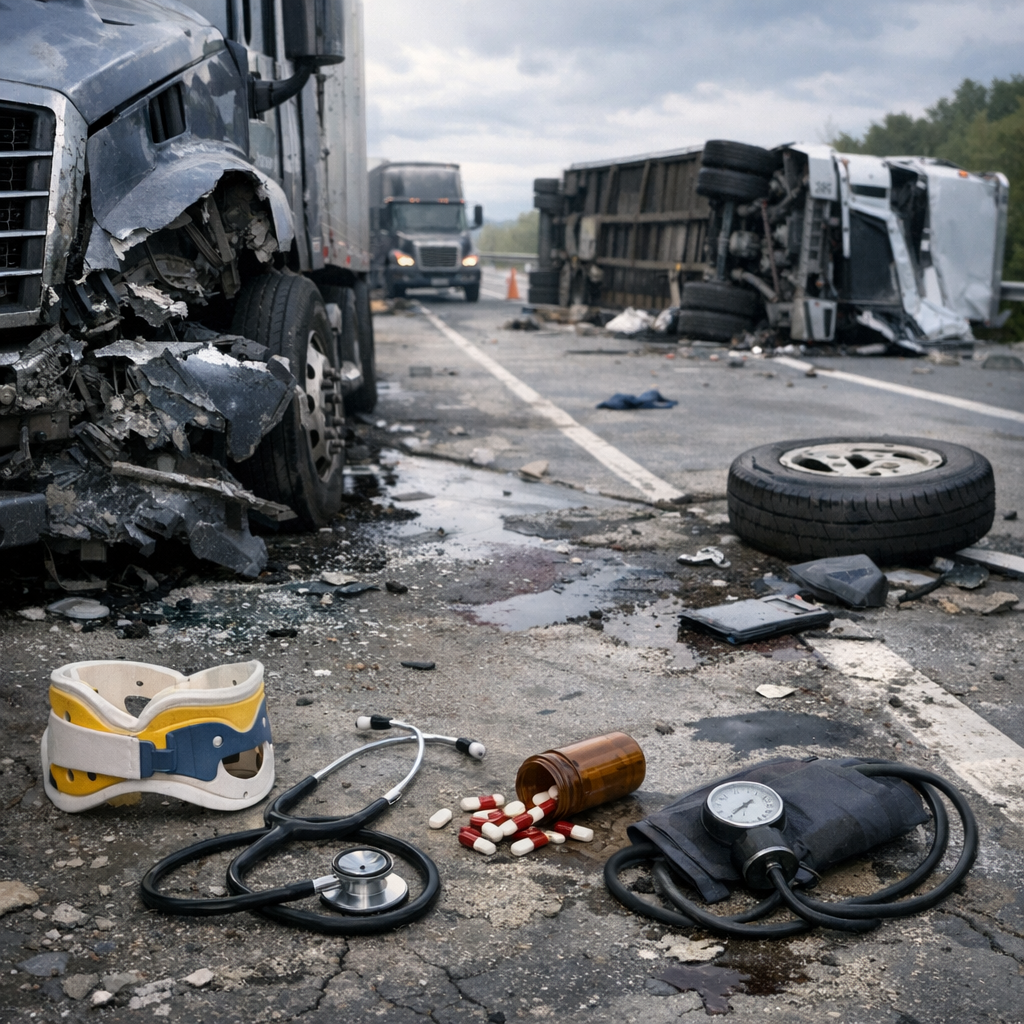
Many people wonder about the complications that follow truck collision injuries because these accidents often involve significant force and can lead to complex medical situations. Truck collisions generally result in more severe impacts than typical vehicle accidents, raising concerns about both immediate and long-term health outcomes. Understanding the potential complications is important not only for those directly involved but also for families, caregivers, and anyone interested in road safety and injury recovery.
Understanding the Complexity of Truck Collision Injuries
Injuries from truck collisions are frequently more complicated than those from smaller vehicle accidents due to the sheer size and weight difference involved. The impact force in truck collisions can cause extensive damage to the body, sometimes affecting multiple systems at once. These injuries can range from broken bones to traumatic brain injuries, yet the true challenge often lies in the complications that develop afterward.
Medical Complications Arising After Initial Injuries
One significant issue following a truck collision injury is the development of secondary medical conditions. For example, fractures can lead to complications such as infections or improper healing, which may cause chronic pain or deformity. Soft tissue injuries, like ligament tears or muscle damage, often contribute to prolonged mobility problems and can trigger conditions such as arthritis later in life.
Another area of concern involves internal injuries. Damage to organs may not be fully evident immediately after the collision. Complications such as internal bleeding, organ failure, or the formation of blood clots can arise hours or even days after the initial trauma, complicating the recovery process.
Neurological and Psychological Effects
Beyond physical injuries, truck collisions can cause neurological complications. Traumatic brain injuries from blunt force trauma can lead to long-lasting cognitive issues, memory loss, and difficulties with concentration. Even mild concussions should be closely monitored, as symptoms can evolve and impact daily functioning over time.
Psychological complications are also common but sometimes overlooked. Experiencing a severe truck collision can precipitate post-traumatic stress disorder (PTSD), anxiety, and depression. These mental health challenges can interfere with rehabilitation and overall well-being, making comprehensive care essential.
Broader Implications and Less Recognized Issues
Many people might not realize that complications from truck collision injuries may extend well beyond physical or psychological health. Chronic pain, for instance, is a frequent, lingering complication that can alter a person’s lifestyle significantly. This type of pain does not always correlate directly with the severity of visible injuries but can persist for months or years, affecting sleep, mood, and physical activity.
Furthermore, complications related to mobility are often underestimated. Injuries affecting the spine, hips, or legs can compromise movement, potentially leading to long-term disability. This can trigger a cascade of secondary health problems, such as muscle atrophy or cardiovascular decline due to lowered activity levels.
Another important consideration involves complications in recovery management. Healing from truck collision injuries often requires extensive rehabilitation, and setbacks such as infections, scarring, or neurological deficits can prolong the process. Complications in treatment adherence or unexpected medical conditions may arise, requiring ongoing medical attention.
Social and Daily Life Impact
The repercussions of these complications frequently extend into daily life and social participation. Individuals struggling with mobility issues or chronic pain may find it difficult to maintain employment or engage in social activities. These challenges contribute to feelings of isolation and frustration, which can further influence mental and emotional health.
Care routines can become complex, especially when cognitive or psychological effects are involved. Families and caregivers might face additional demands, highlighting the broader societal impacts of complications following truck collision injuries.
Comprehensive View on Recovery and Adaptation
While complications following truck injuries can be serious, it is important to recognize that recovery and adaptation are ongoing processes. Treatment approaches have evolved to address both physical and psychological aspects comprehensively. Many individuals experience gradual improvements over time with proper medical care and support systems.
Taking a holistic approach that considers all potential complications—from infections to mental health—is key to improving outcomes. Monitoring symptoms, regular medical follow-ups, and attention to lifestyle adjustments all play important roles in managing long-term effects.
Health complications after truck collisions are multifaceted and sometimes unpredictable. Awareness of their potential complexity helps set realistic expectations and encourages a balanced perspective on the recovery journey.