What challenges follow major truck collisions
Many people ask about the challenges that follow major truck collisions because these types of accidents often involve serious consequences and complex situations. Unlike typical car accidents, major truck crashes can produce a variety of difficulties that extend beyond the immediate impact. Understanding these challenges helps individuals and communities better prepare for what comes next and gain insight into the broader effects of such incidents.
Understanding the complexity of major truck crashes
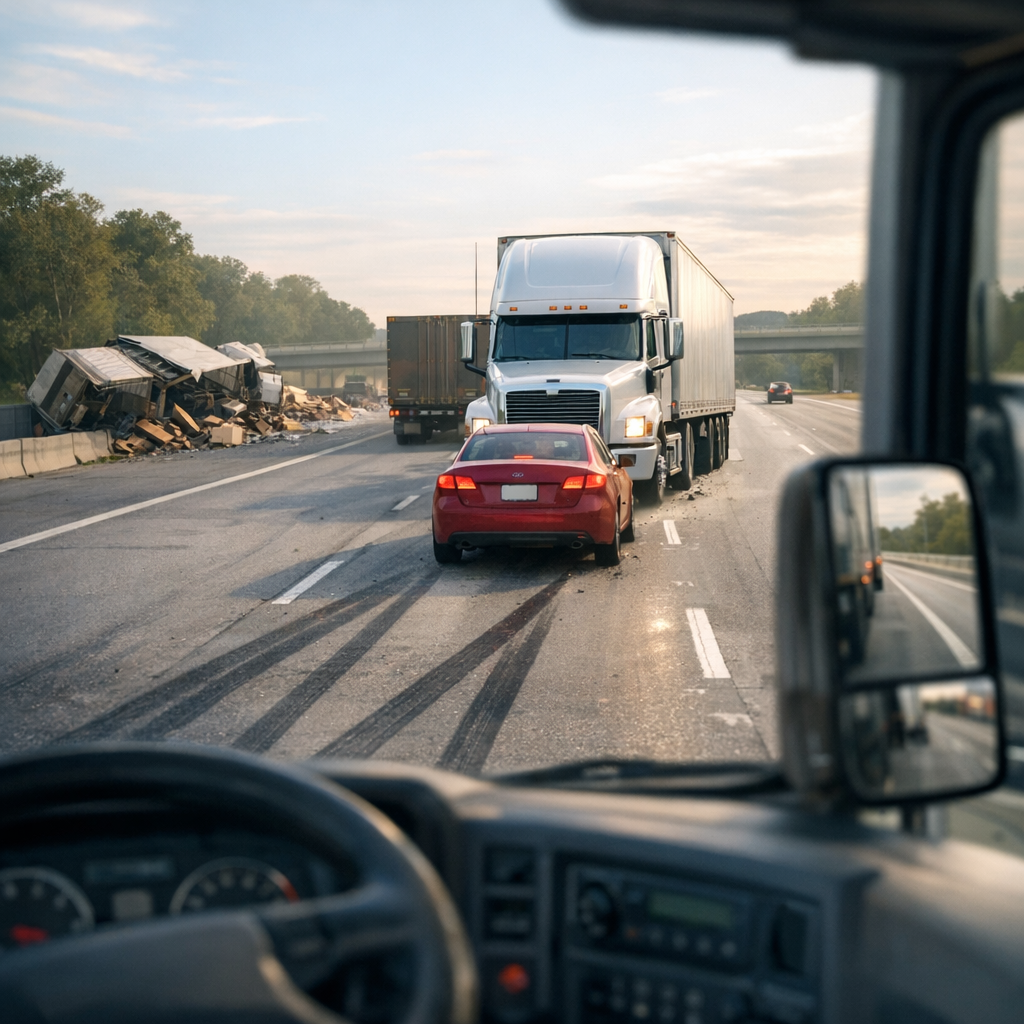
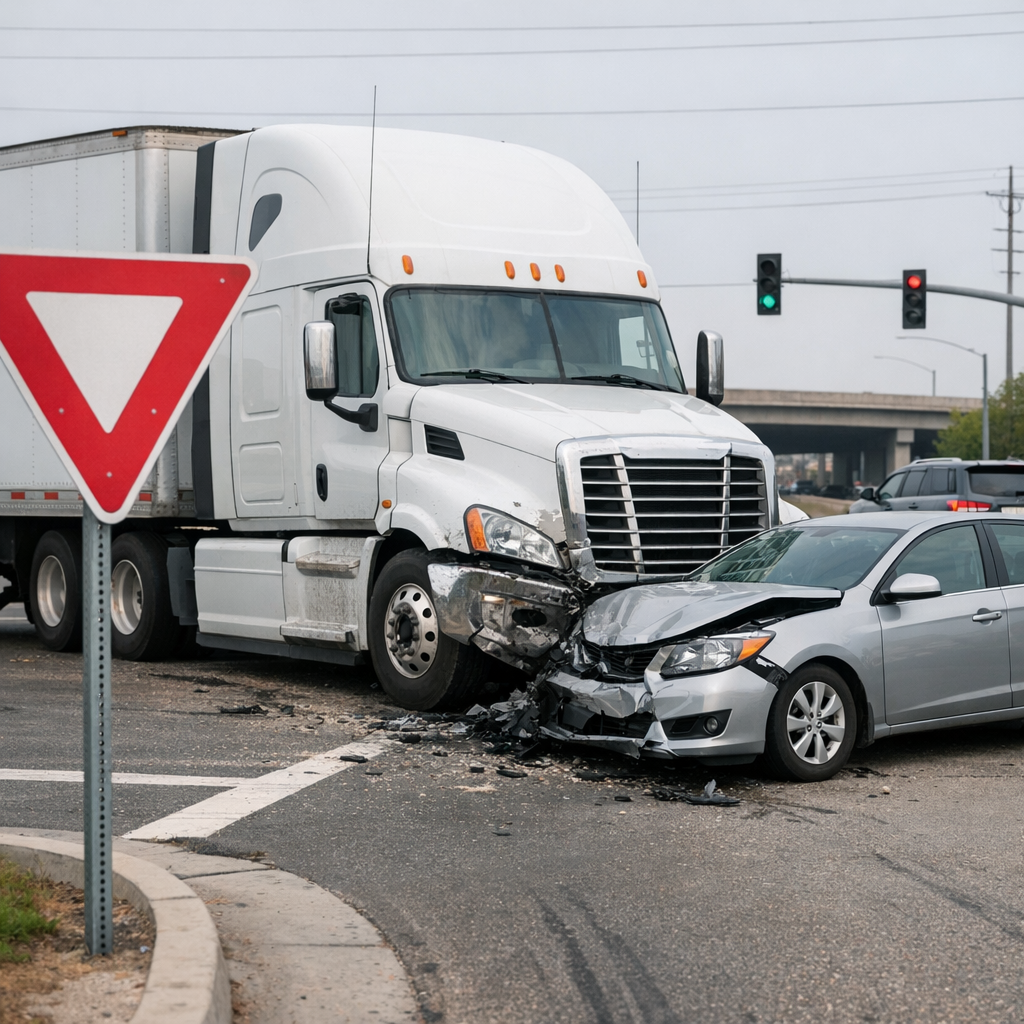
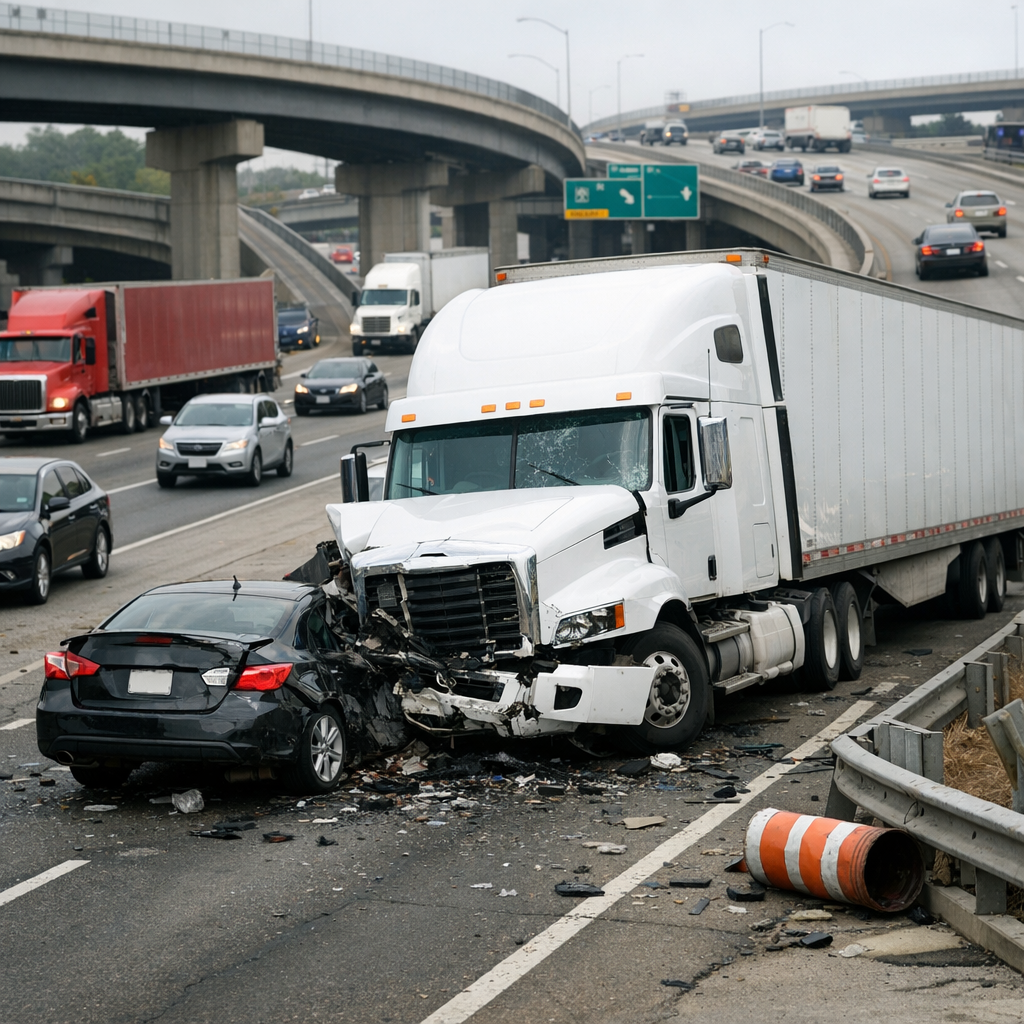
A major truck collision involves large commercial vehicles, which are significantly heavier and larger than passenger cars. This disparity in size and weight often results in more extensive physical damage and a heightened risk of injury. Because of this, the aftermath of a major crash usually involves an intricate mixture of challenges that affect those directly involved as well as bystanders and surrounding infrastructure.
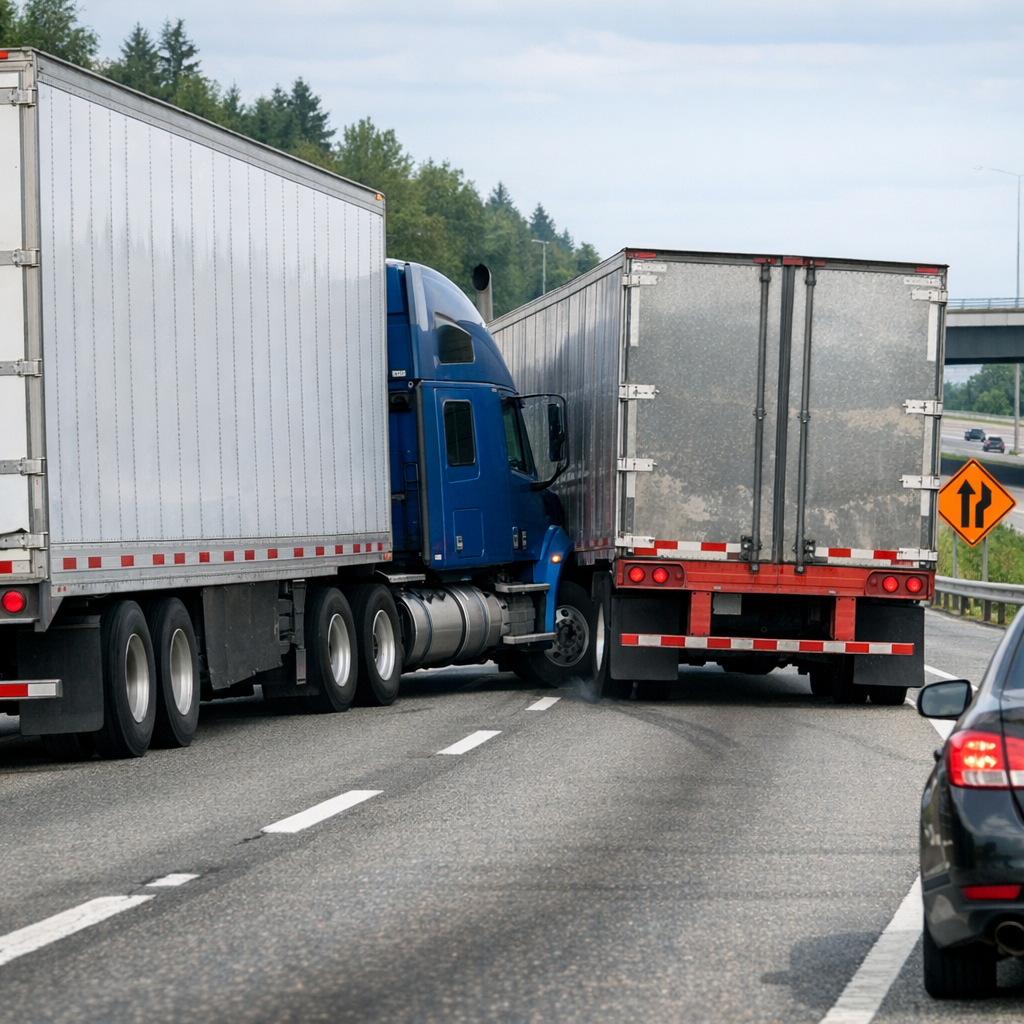
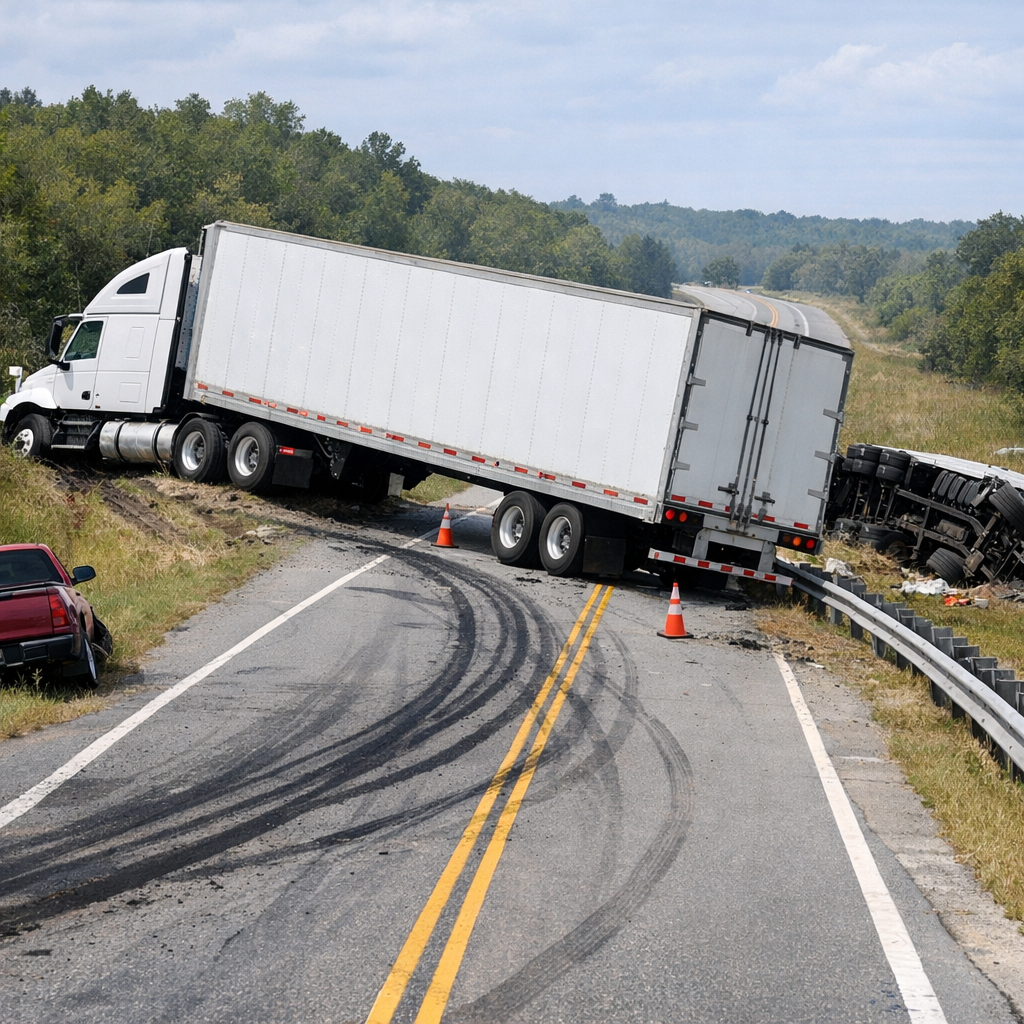
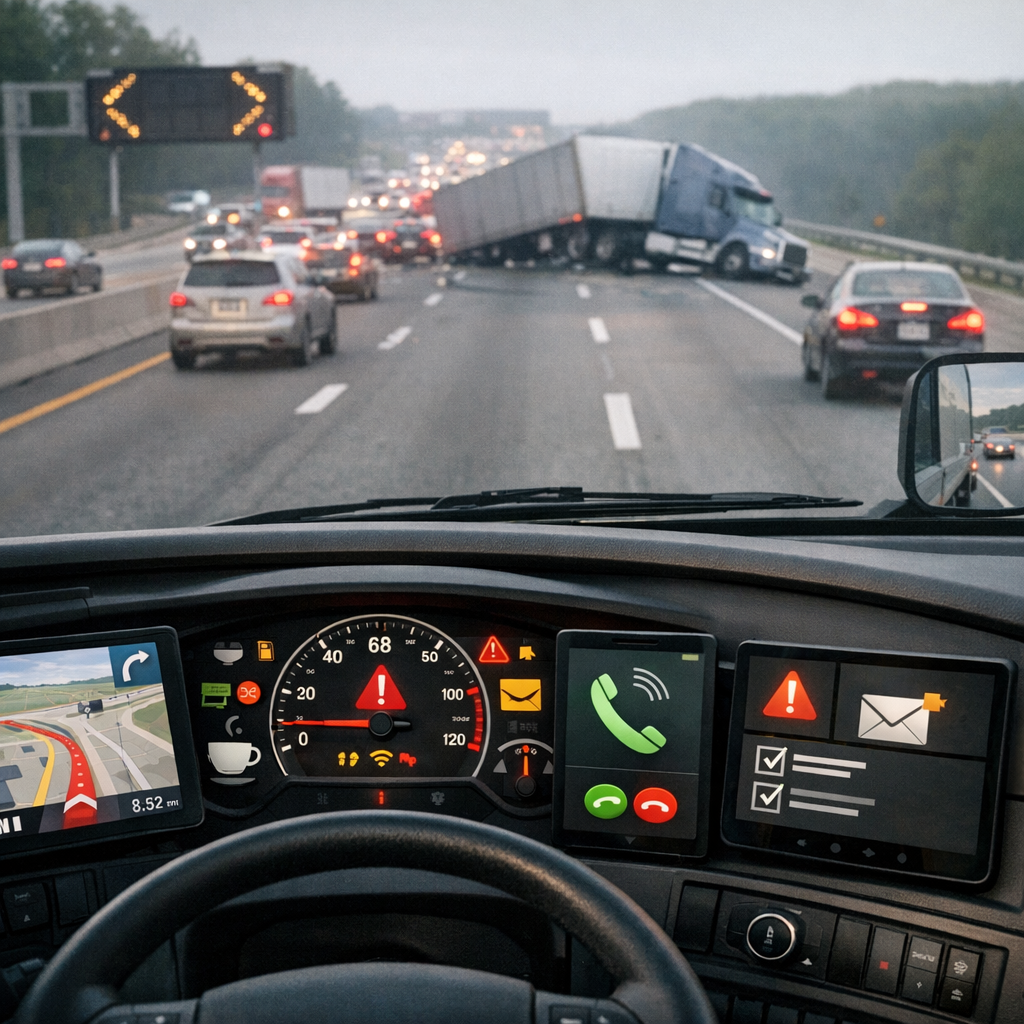
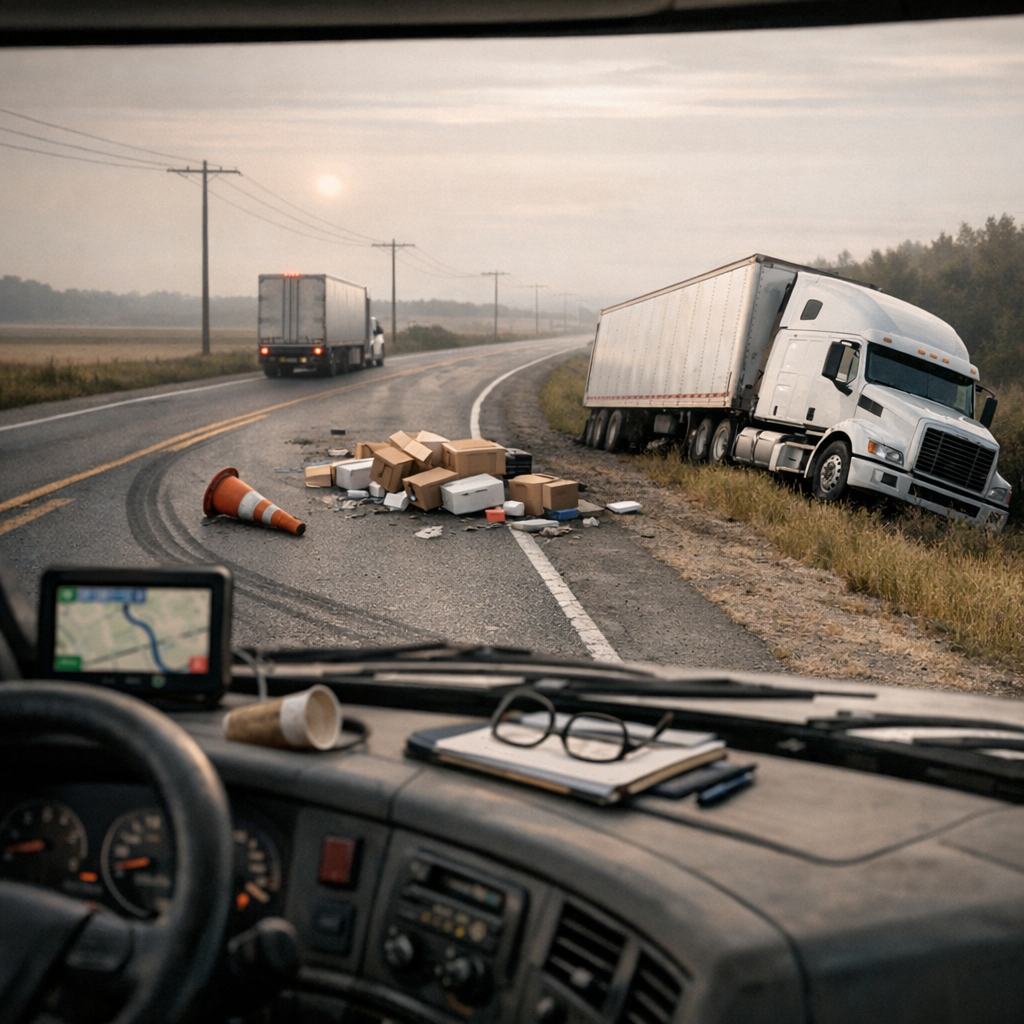
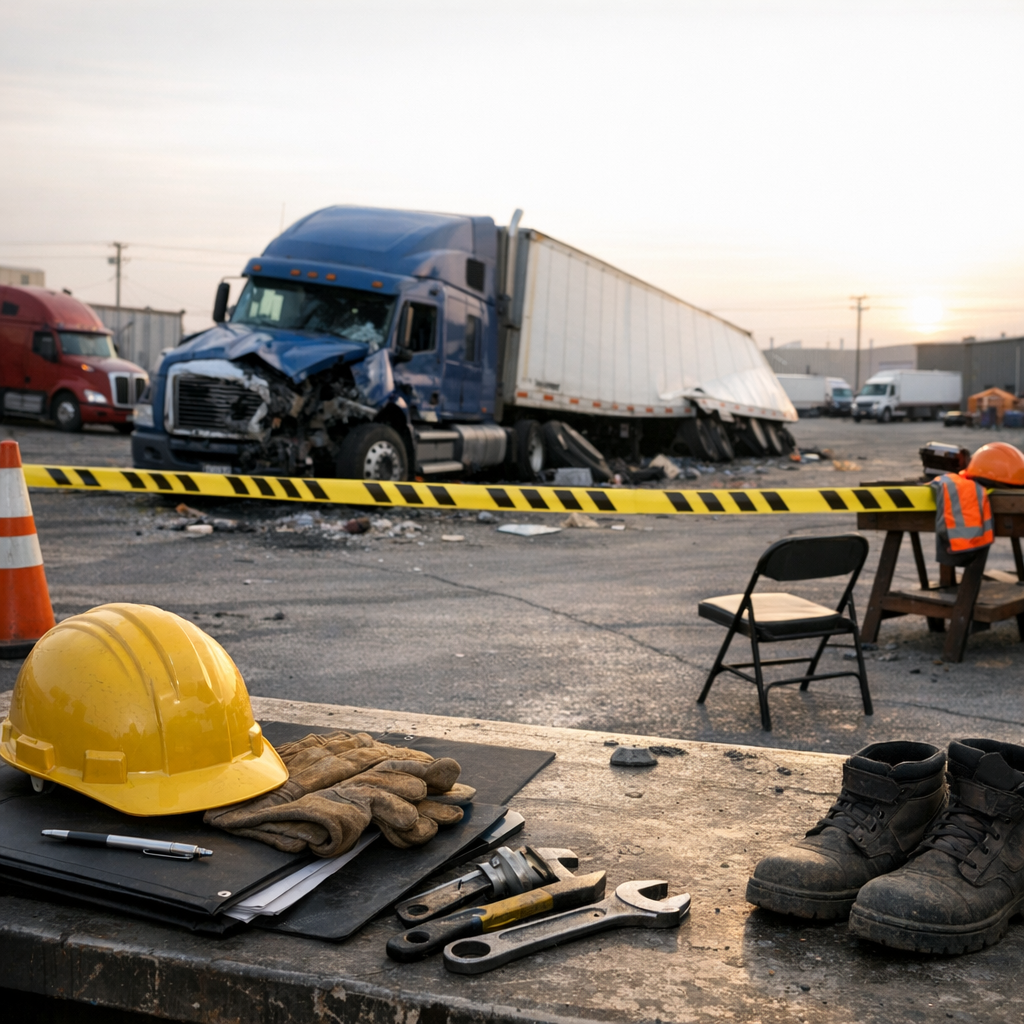
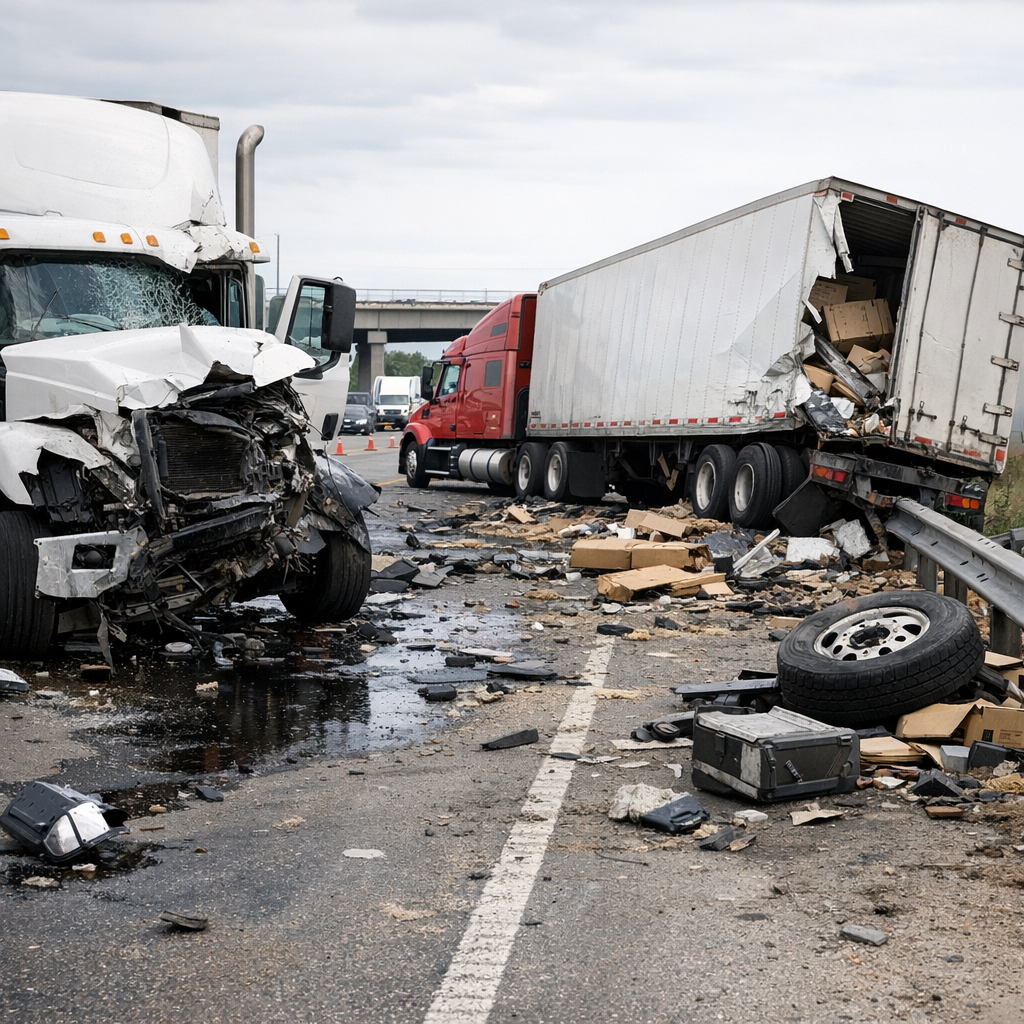
One of the most immediate difficulties following a major truck crash is dealing with the scale of destruction. These wrecks frequently block roadways for extended periods, causing substantial traffic disruption. Cleanup and removal of debris might require special equipment and coordinated efforts from multiple agencies, contributing to delays and logistical hurdles.
Hidden implications and ongoing concerns
Beyond the visible impact of damaged vehicles and obstructed roads, there are longer-term issues that many people do not immediately consider. Environmental concerns can arise if a truck is carrying hazardous or flammable materials. Spills or leaks from such cargo create a risk of contamination and may require specialized remediation measures, which can extend the duration of the disruption and complicate the recovery process.
Health challenges also emerge because of the severity of injuries common in major truck collisions. Emergency responders and medical facilities may face increased demand, and those involved often endure lengthy recovery periods. While the physical injuries are more obvious, the psychological effects on drivers, passengers, and witnesses can be significant and persist over time.
The role of investigation and coordination in aftermath management
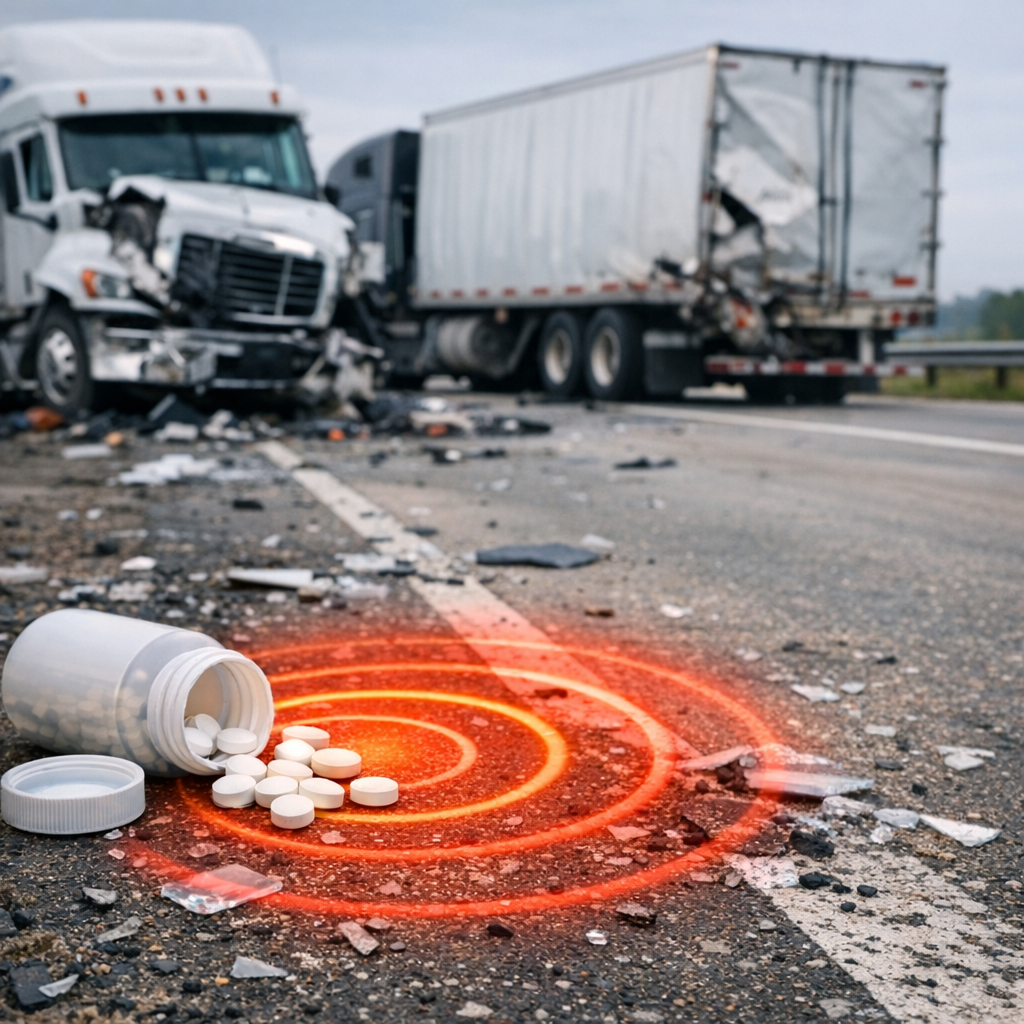
Another challenge following a major truck crash involves thorough investigation and documentation. Authorities need to determine the cause of the collision, which involves analyzing vehicle conditions, road safety factors, and compliance with commercial transportation regulations. This investigative process can be complex and time-consuming, as it requires coordination among multiple agencies such as law enforcement, transportation departments, and environmental officials.
Inter-agency collaboration is vital for restoring normal traffic flow, addressing safety concerns, and preventing similar incidents in the future. The coordination extends to managing legal and regulatory frameworks, overseeing clean-up efforts, and ensuring public communication. For the public, these processes may mean temporary inconveniences, but they are essential steps in handling the aftermath responsibly.
Broader effects on infrastructure and local communities
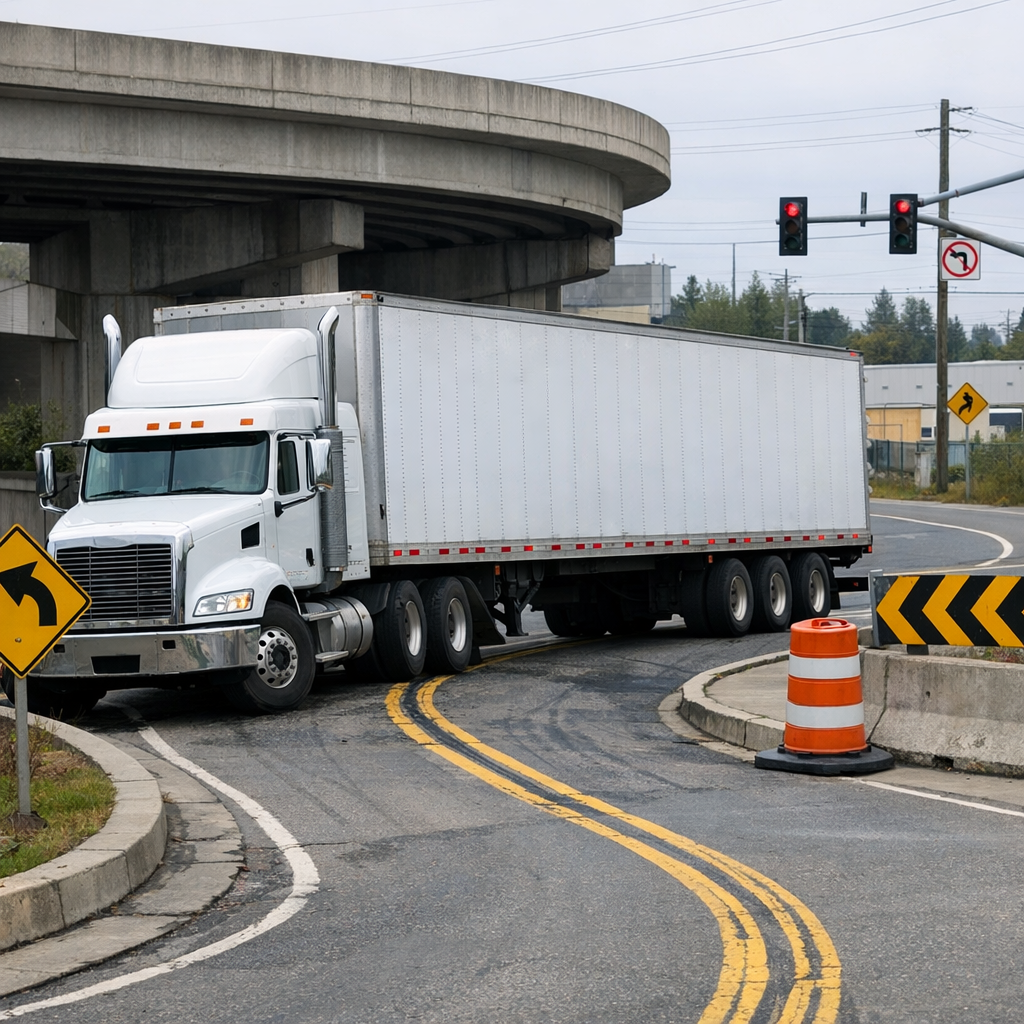
Beyond individual impacts, major truck collisions can strain local infrastructure, especially if bridges, overpasses, or road surfaces are damaged. Repairing this damage often requires significant time and resources, potentially impacting local economies due to extended detours and transport delays.
In addition, communities near highways or major transportation routes may experience ongoing disruptions if a collision occurs. Emergency response access, delivery of goods, and daily commutes can all be affected. These community-wide challenges highlight that the consequences of a major truck crash reach beyond those immediately involved and can ripple through the larger environment.
Considering the wider perspective on recovery
Recovery from a major truck collision is not only about clearing a crash site or treating injuries. It involves addressing a web of interconnected challenges that span environmental safety, infrastructure integrity, public health, and community well-being. Understanding these factors fosters a more comprehensive view of what follows such an event.
While the challenges are many and sometimes complex, ongoing advancements in vehicle safety, emergency response protocols, and transportation infrastructure aim to mitigate the impact of these crashes over time. Recognizing the scope of post-collision issues can encourage more informed discussions and better preparation for future incidents.