Traffic Flow Misjudgment by Truck Drivers
Traffic flow misjudgment by truck drivers is a critical factor influencing road safety in many regions worldwide. Commercial trucks, due to their size and operational constraints, require precise judgment of traffic conditions to navigate safely. When such judgment errors occur, they contribute significantly to accidents, injuries, and even fatalities on highways and urban roads alike. Understanding the mechanisms behind traffic flow misjudgment, its impact on real-world crashes, and the underlying reasons why it happens can offer a clearer picture of this complex issue.
Causes of Traffic Flow Misjudgment by Truck Drivers
Traffic flow misjudgment arises when truck drivers incorrectly interpret or anticipate the movement of other vehicles or the general flow of traffic around them. Several systemic and perceptual factors interplay in producing these misjudgments.
Perceptual Limitations and Blind Spots
Truck drivers face inherent challenges due to their limited visibility. The design and size of trucks create large blind spots, sometimes called “no-zones,” which hide other vehicles from the driver’s view. These blind spots make it difficult for drivers to accurately gauge the positioning and speed of nearby cars, often leading to errors in predicting traffic flow.
Limited visual information results in reliance on mirrors and electronic aids. However, even these tools cannot provide a complete picture, especially in complex traffic conditions like merging lanes or congested urban intersections. The inability to fully see surrounding vehicles complicates the driver’s judgment on when it is safe to change lanes, accelerate, or brake.
Cognitive Load and Fatigue
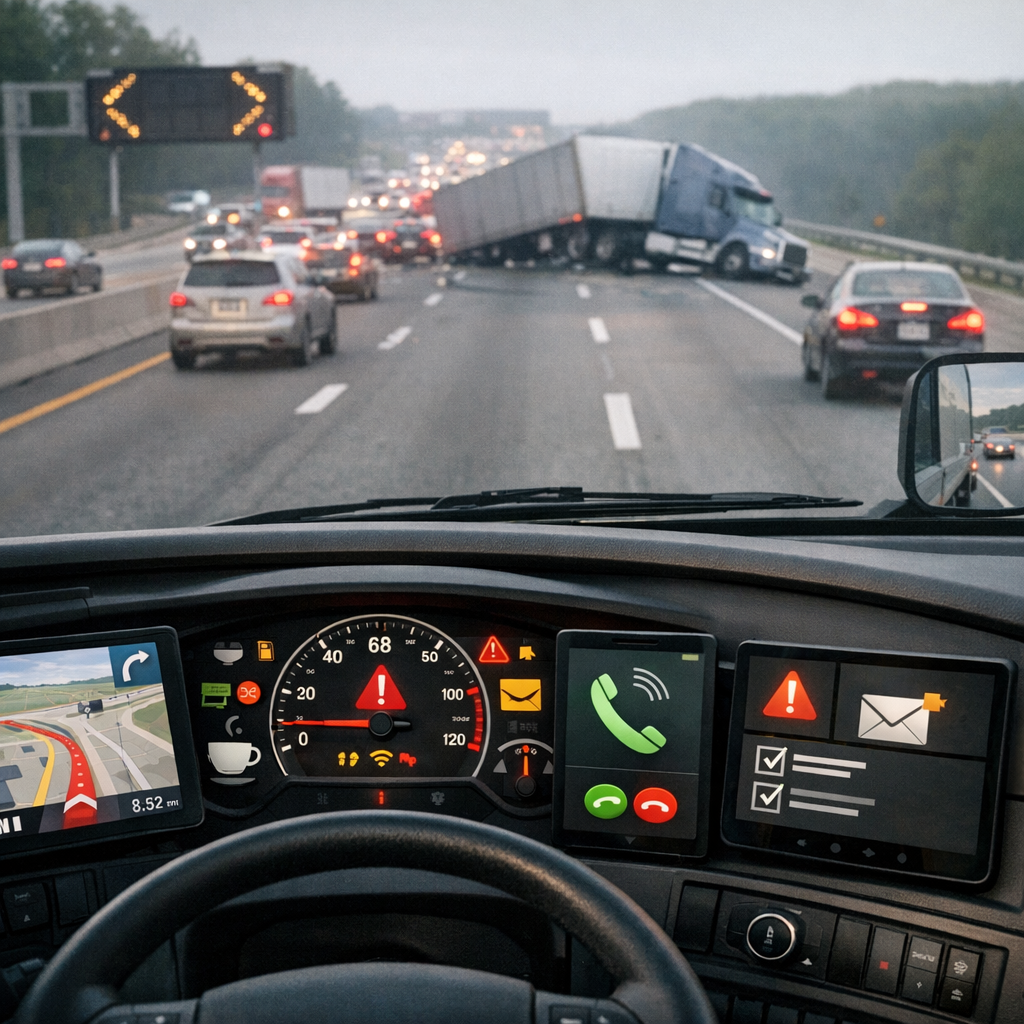
The mental demands placed on truck drivers can also contribute to traffic flow misjudgments. Driving large commercial vehicles requires continuous alertness, decision-making, and adaptability. Cognitive overload from processing numerous stimuli can impair judgment.
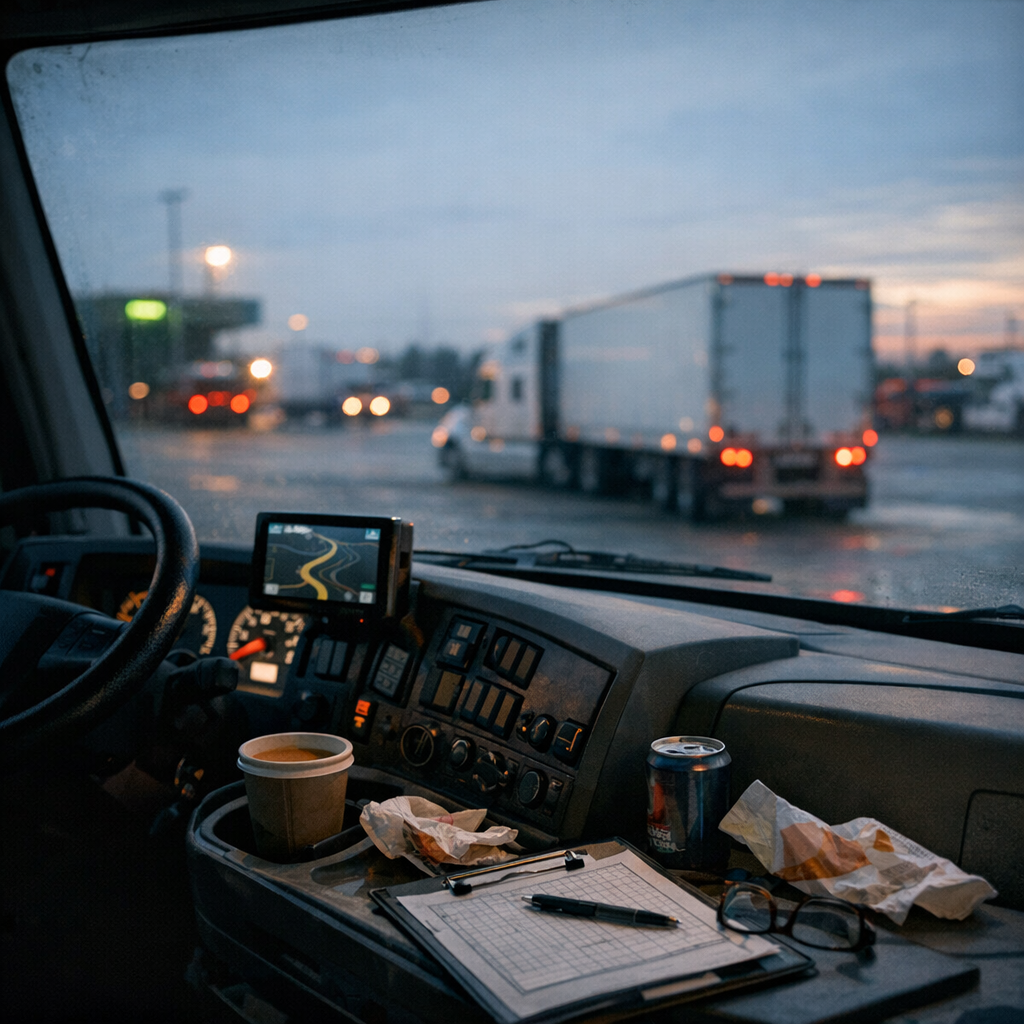
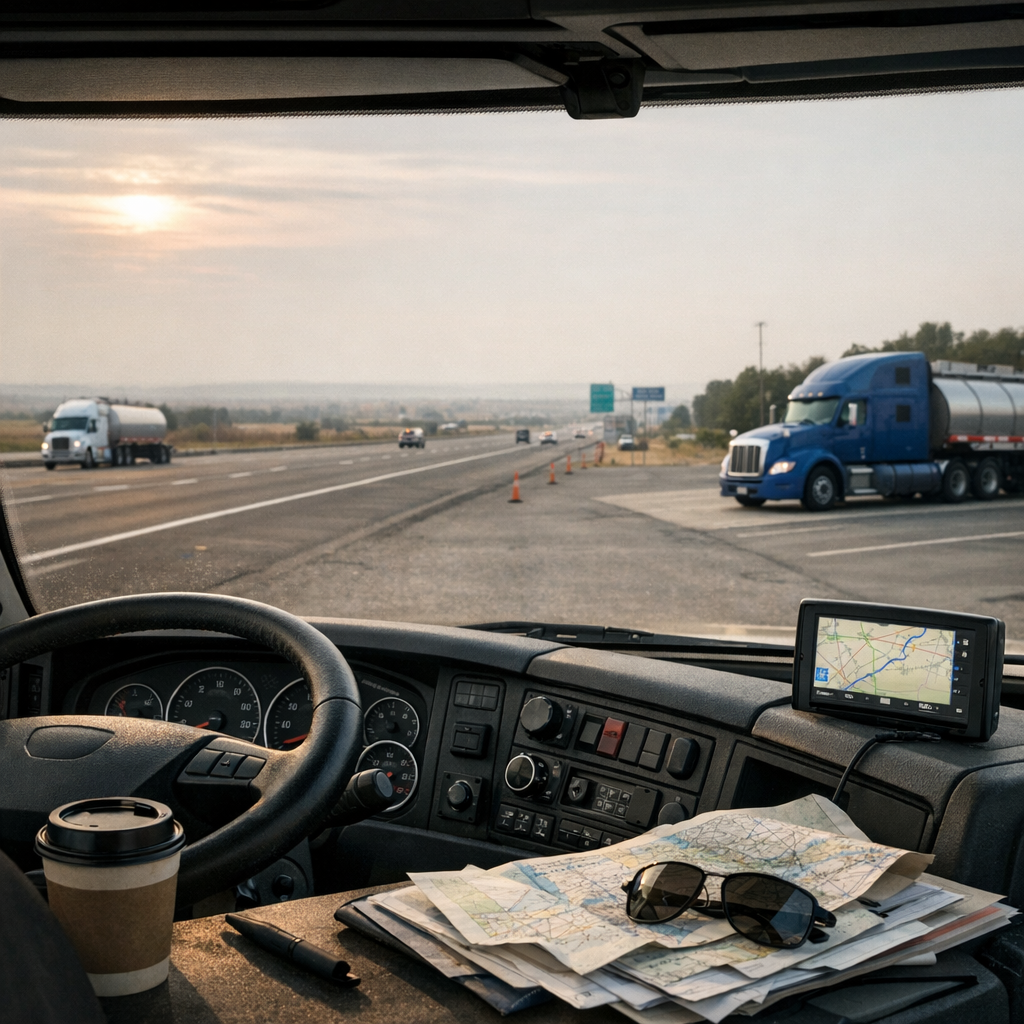
Fatigue is another critical factor. Long hours on the road, irregular schedules, and the monotonous nature of highway driving may reduce a driver’s attention span. Reduced vigilance can lead to slower reaction times and faulty assessments of traffic dynamics. Fatigued drivers might underestimate the distance and speed of other vehicles or miss subtle changes in flow patterns.
Vehicle Dynamics and Operational Constraints
The physical characteristics of trucks significantly affect the flow of traffic around them. Heavy loads, longer stopping distances, and slower acceleration make trucks less agile than passenger vehicles. Drivers must constantly evaluate these limitations when navigating traffic.
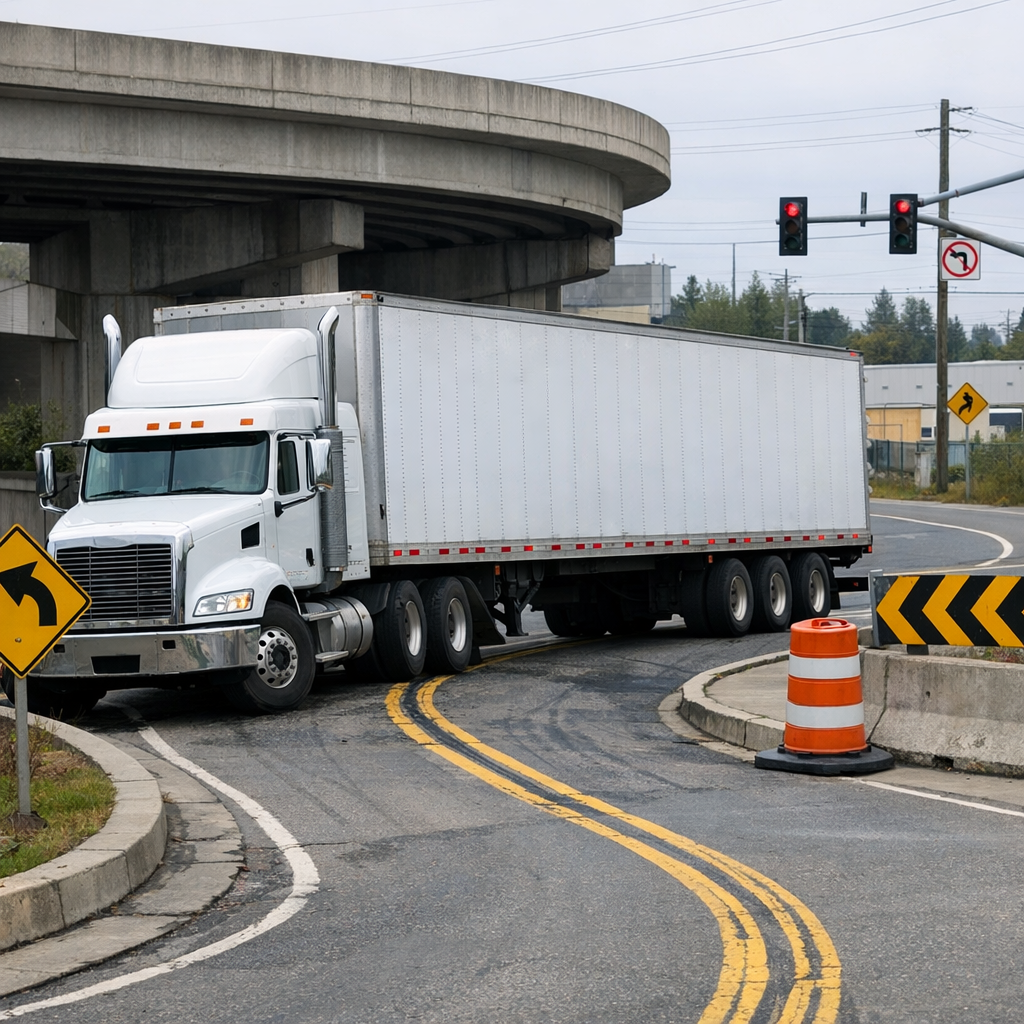
Misjudgment often occurs because truck drivers might overestimate their vehicle’s maneuverability or underestimate the time needed to complete maneuvers such as lane changes and turns. This discrepancy between perceived and actual vehicle performance affects how they interpret traffic flow conditions, potentially resulting in dangerous decisions.
Environmental and Traffic Complexity
Roadway design, weather conditions, and traffic density add layers of complexity to how traffic flow is perceived by truck drivers. Complex roadway layouts like weaving sections or multi-lane interchanges challenge even experienced drivers.
Adverse weather—rain, fog, or snow—reduces visibility and alters vehicle handling. In such situations, judging distances and speeds becomes more difficult, increasing the likelihood of misjudgment. Moreover, high-density traffic environments create erratic vehicle behaviors and frequent speed fluctuations, complicating the ability to predict future flow patterns reliably.
How Traffic Flow Misjudgment Imbalances Truck Navigation
The process of estimating traffic flow involves continuous scanning of the environment and making predictions about others’ movements. When a truck driver misjudges traffic flow, these predictions diverge significantly from reality, impairing safe navigation.
Timing Errors in Maneuver Execution
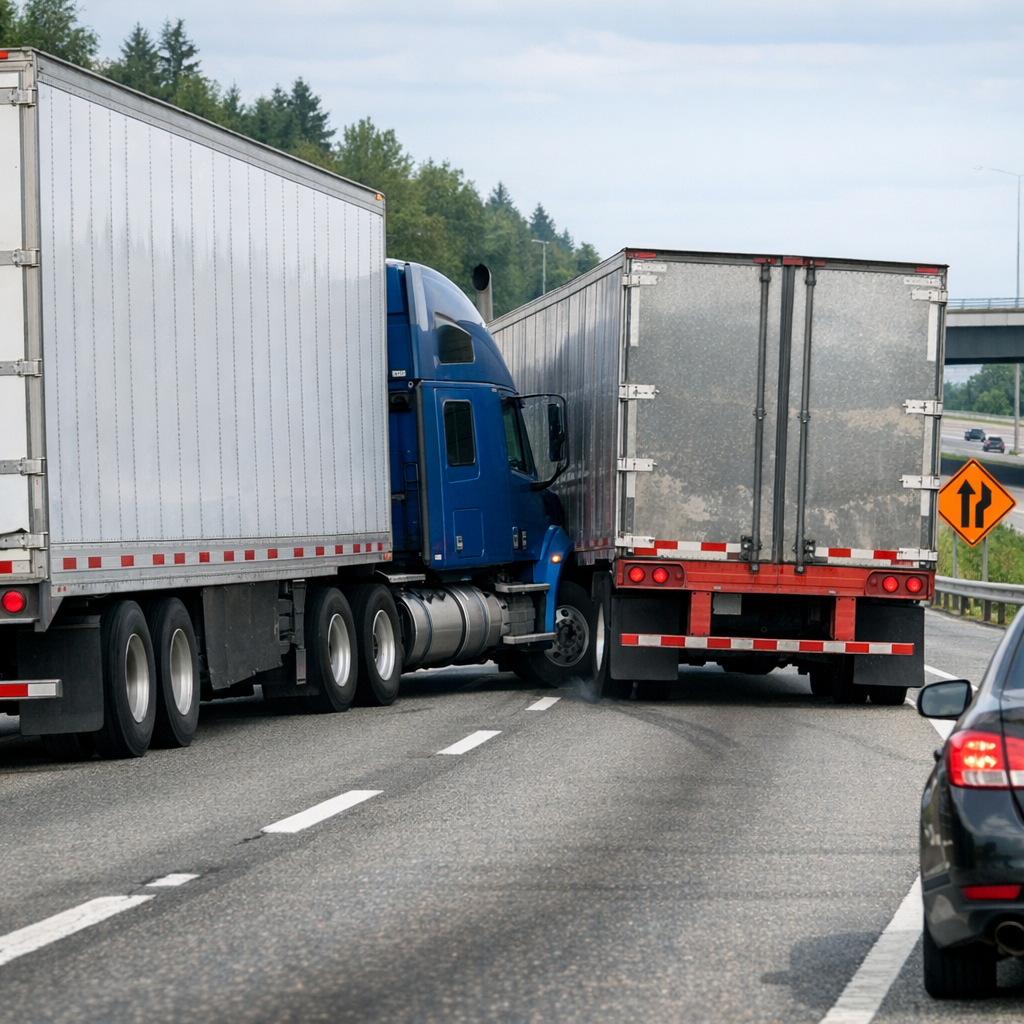
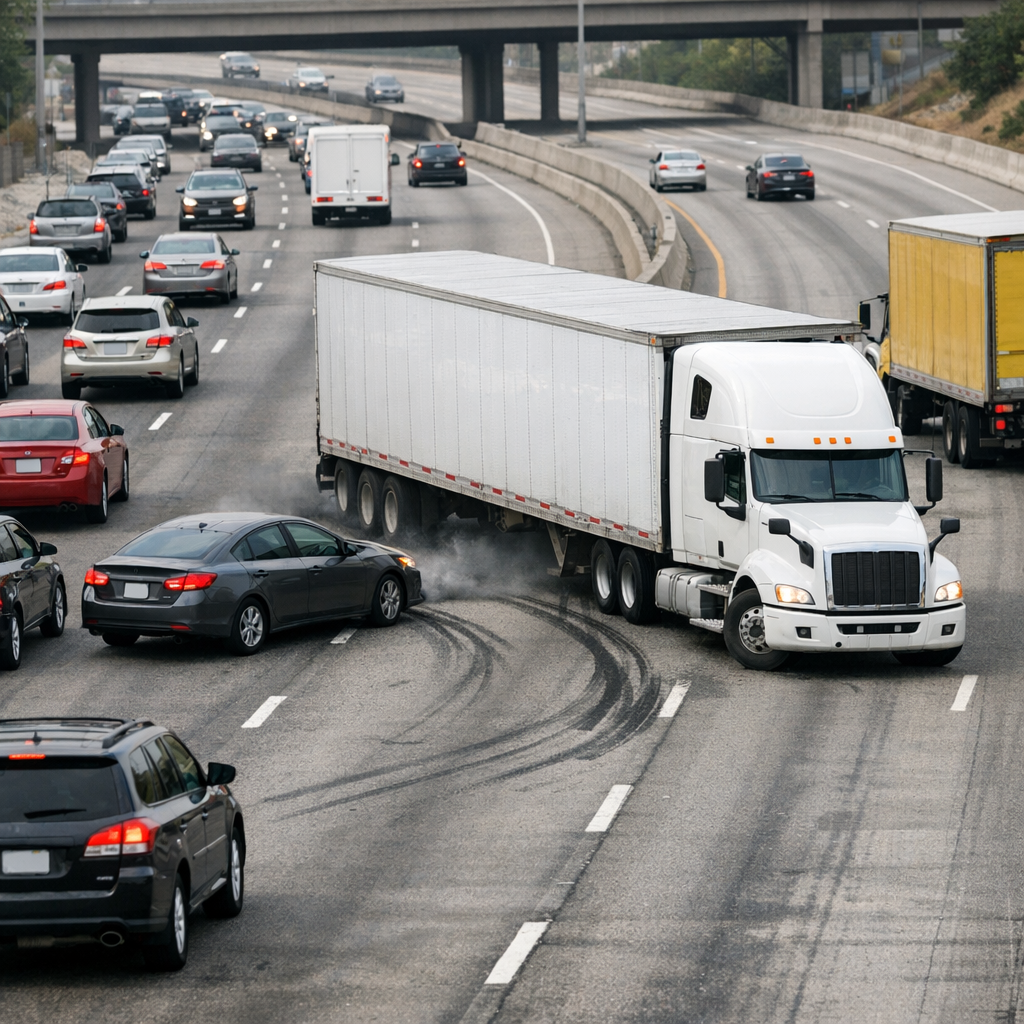
Traffic flow misjudgments often manifest as poor timing during maneuvers. For example, a truck driver may attempt to merge onto a highway assuming a sufficient gap in traffic exists. If that gap is smaller or closing faster than perceived, the maneuver can be risky. Similarly, during lane changes, incorrect assessment of vehicle speed and distance can lead to side collisions or forcing slower vehicles to brake abruptly.
These timing errors disrupt not only the truck’s path but also influence surrounding vehicles, potentially triggering chain reactions or sudden evasive actions that precipitate crashes.
Misestimation of Speed and Distance
Accurate perception of speed and distance is fundamental in predicting traffic flow. Misjudgments often include underestimating the speed of oncoming vehicles or overestimating safe clearance when turning or stopping. This can be exacerbated by the truck’s elevated driving position, altering spatial perception and making vehicles appear farther or slower than they are.
Errors in speed and distance estimation compromise how truck drivers adjust their speed, braking, and lane positions within traffic, elevating collision risks especially in mixed-traffic conditions with faster moving cars and motorcycles.
Disruption of Traffic Patterns
When a truck driver misreads traffic flow, their interactions may disrupt the natural rhythm of traffic. Sudden braking, unexpected lane changes, or hesitations by the truck can induce ripple effects throughout the traffic stream.
These disruptions can cause congestion, forcing other drivers into aggressive maneuvers or abrupt stops, increasing the likelihood of multi-vehicle pile-ups or side-swipes, especially in dense traffic corridors or on highways with limited shoulder space.
Why Traffic Flow Misjudgment Matters in Real-World Crashes
The consequences of traffic flow misjudgment in truck operations extend beyond individual driver errors. They are central to understanding accident causation, injury severity, and traffic disruption.
Increased Accident Severity Due to Vehicle Size
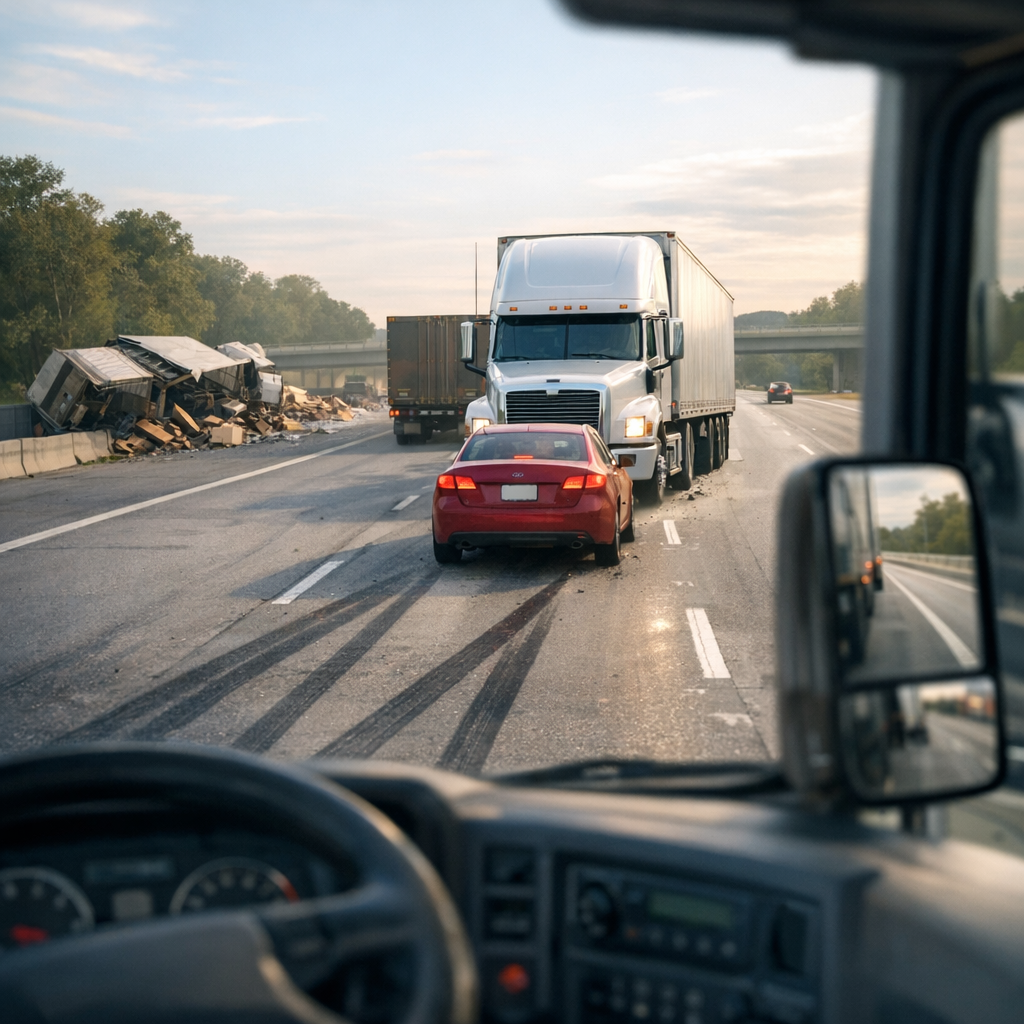
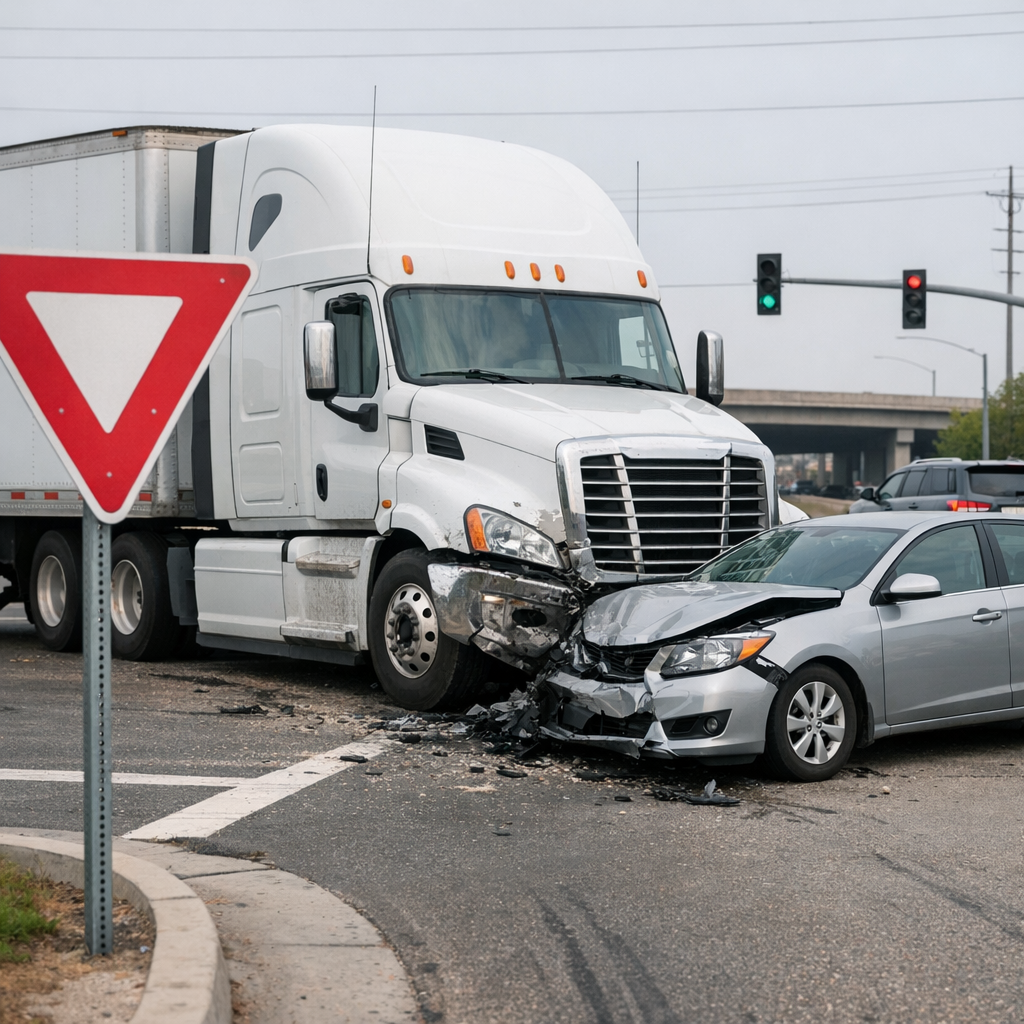
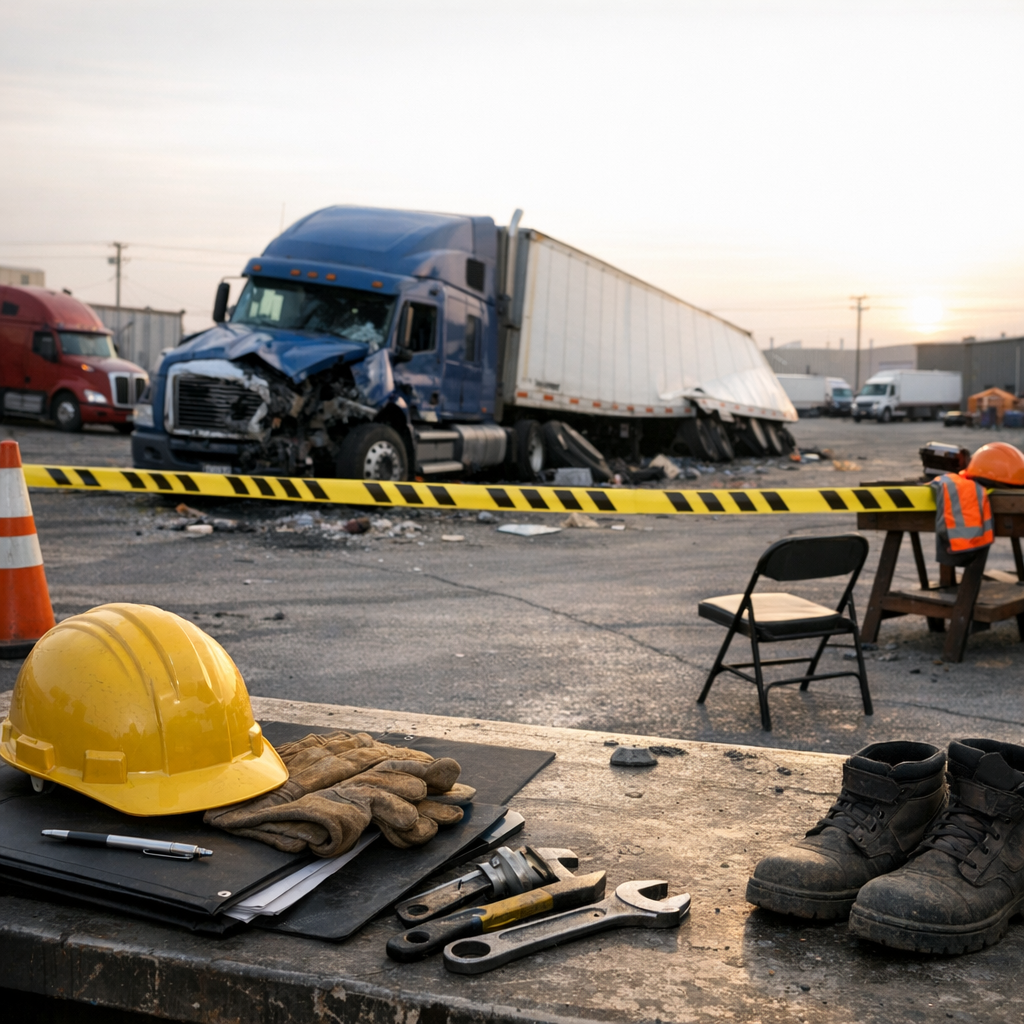
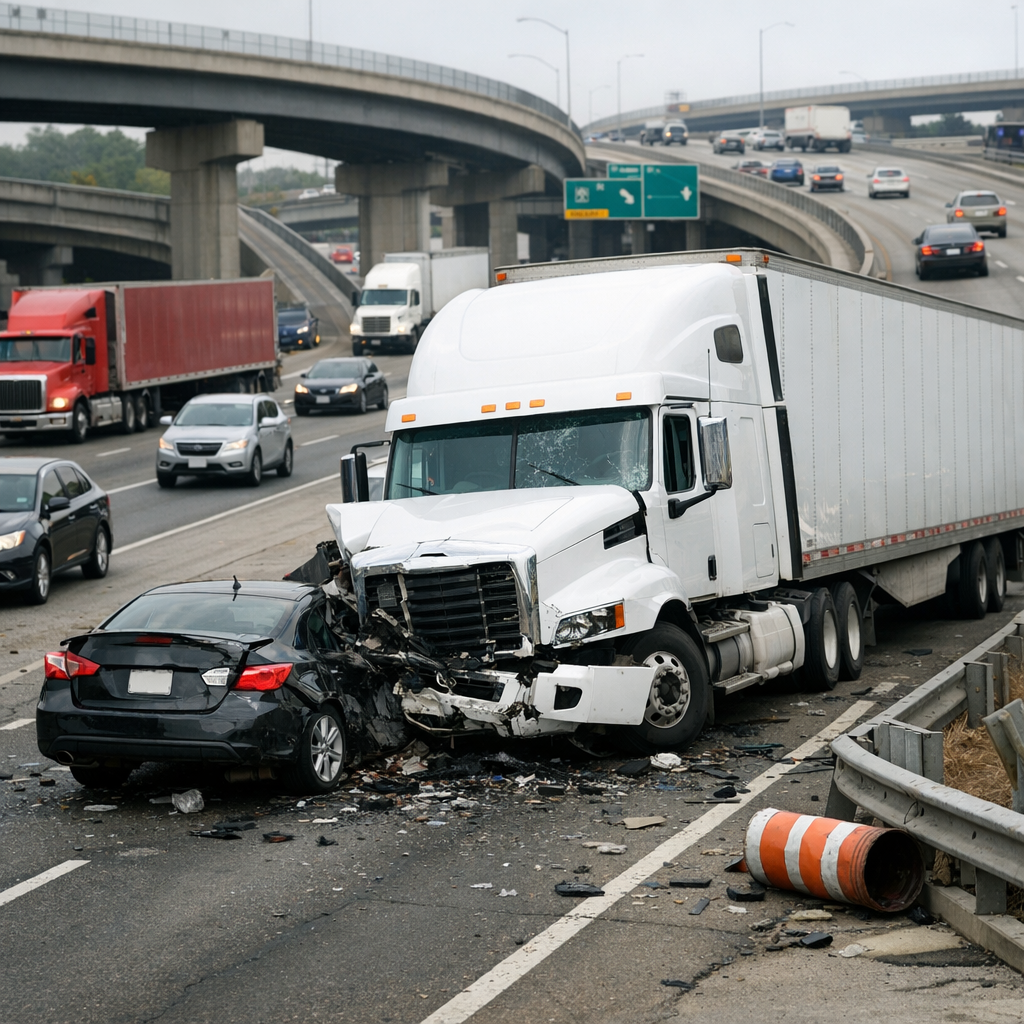
Because trucks are substantially larger and heavier than passenger vehicles, any collision resulting from traffic flow misjudgment tends to be more severe in terms of injury and property damage. Truck drivers’ miscalculations in traffic flow not only put themselves at risk but also significantly endanger occupants of smaller vehicles sharing the road.
Complex Crash Dynamics
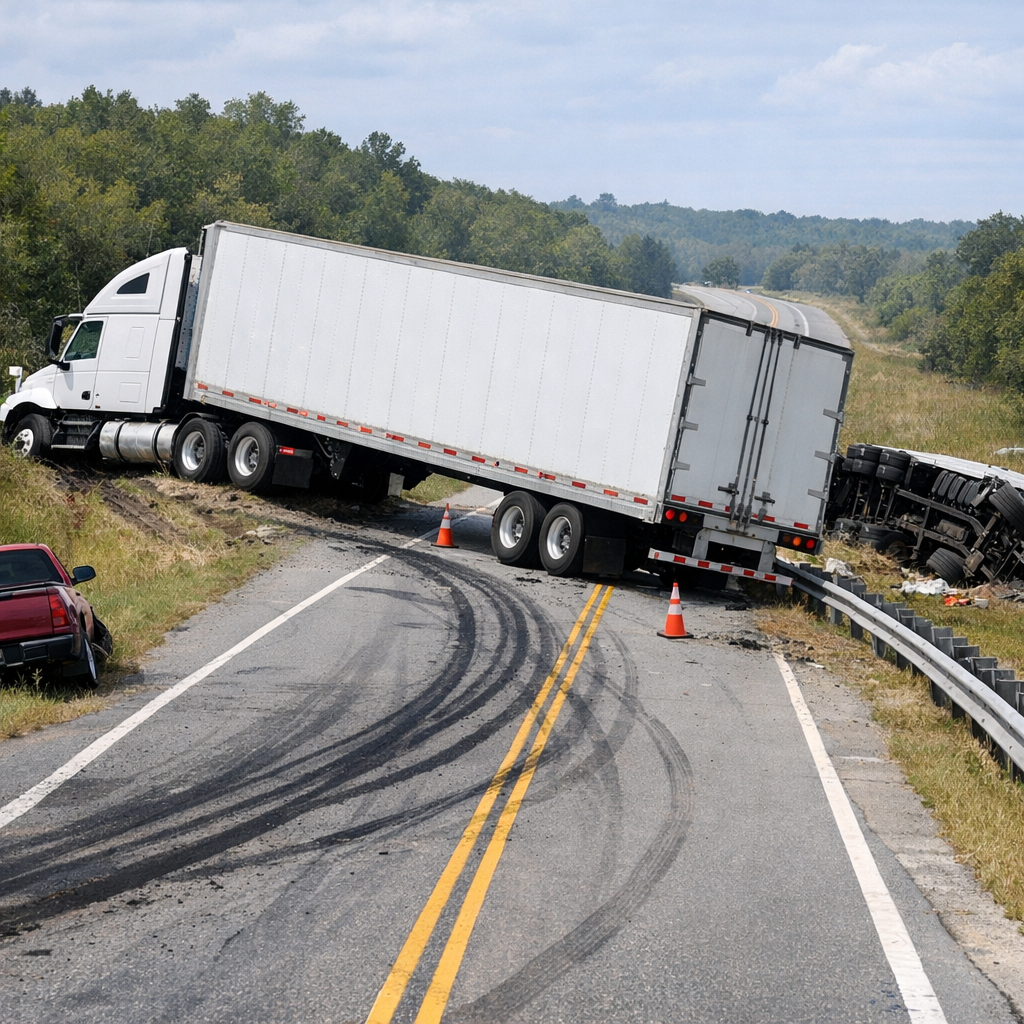
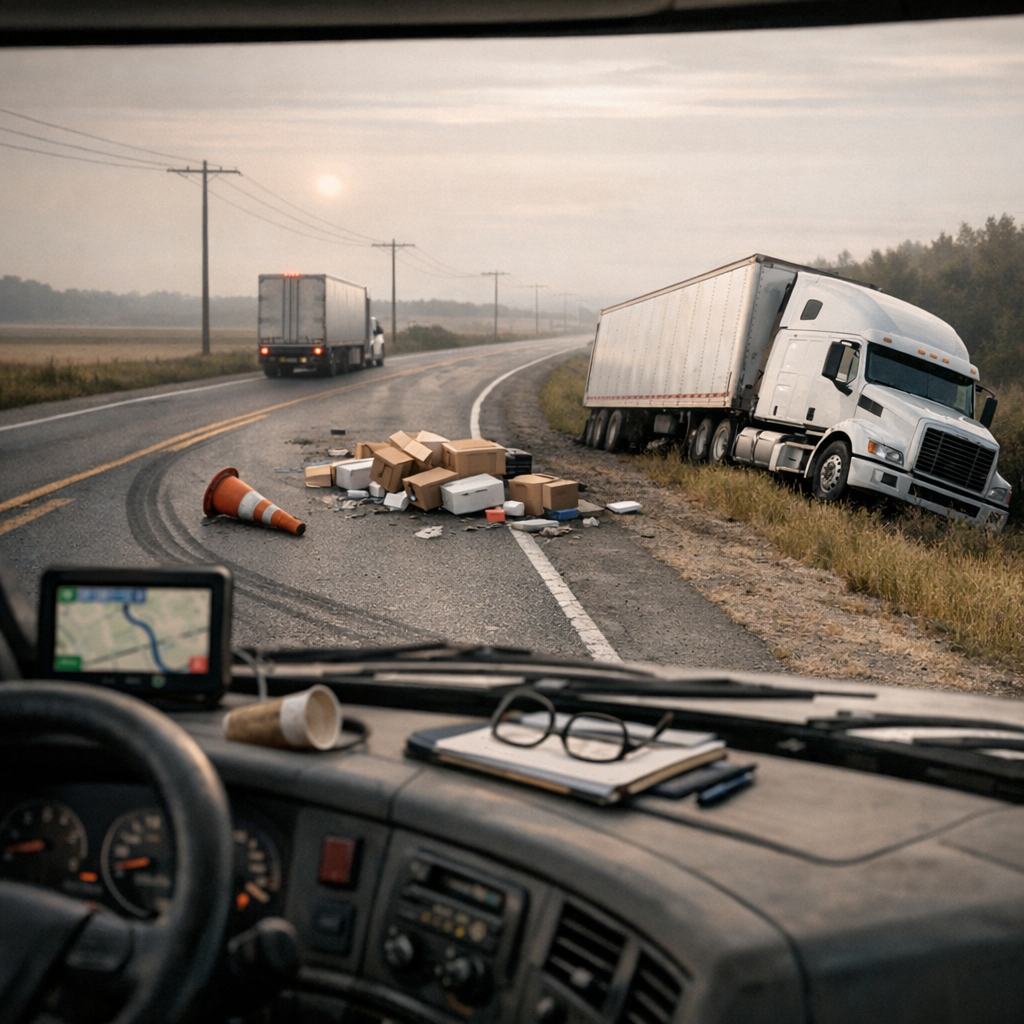
Many crashes involving trucks are complex, involving multiple vehicles and dynamic interactions over several seconds. Traffic flow misjudgments can initiate a sequence of events that escalates into a serious accident. For instance, a misplaced merge attempt by a truck can lead to a chain reaction involving several cars, causing pile-ups that extend for miles.
Understanding the role of misjudgment helps in reconstructing crash scenes and identifying contributory behavioral factors besides mechanical failure or environmental conditions.
Influence on Traffic Safety and Roadway Efficiency
Beyond individual crashes, widespread traffic flow misjudgment affects overall traffic safety and efficiency. Prolonged traffic slowdowns, congestion, and secondary accidents often result from initial misjudgments by large vehicles disrupting the flow.
Consequently, traffic flow misjudgment not only compromises safety but also influences economic costs associated with delays, fuel consumption, and roadway wear.
Concluding Perspective
Traffic flow misjudgment by truck drivers emerges from a complex interplay of human perception, vehicle dynamics, environmental conditions, and cognitive challenges. It reflects the difficulties faced by drivers when interpreting and adapting to constantly changing traffic environments.
These misjudgments underline the intricate nature of road safety involving commercial vehicles, highlighting the importance of continuous research and understanding of driver-vehicle interaction. Observing these phenomena from a neutral viewpoint enriches the broader conversation on traffic management and safety improvement, recognizing the human and technical factors shaping modern transportation systems.