
Stunning Insights: Understanding Rear End Semi Truck Crashes Effectively
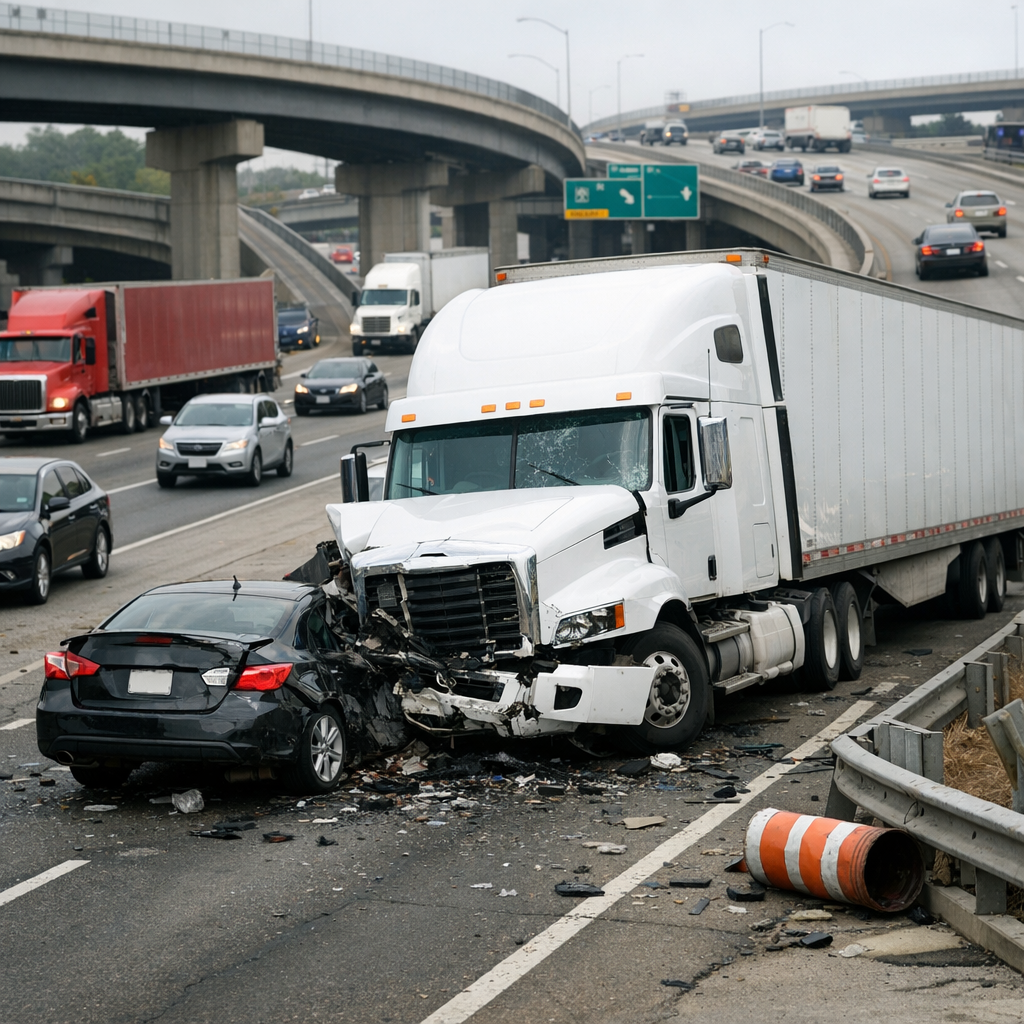
A rear end semi crash poses serious risks to all vehicles involved. These accidents often lead to devastating injuries and substantial property damage. Understanding the common causes and preventive measures can help improve road safety and mitigate the risks associated with truck rear end accidents.
The Landscape of Rear End Semi Crashes
The dynamics of truck rear end accidents are particularly concerning due to their size and weight. A fully loaded semi can weigh up to 80,000 pounds, making it significantly heavier than standard passenger vehicles. When a car collides with a truck from behind, the outcomes can be tragic.
According to the National Highway Traffic Safety Administration (NHTSA), rear-end collisions represent one of the most frequent types of vehicular accidents on U.S. roads. Factors contributing to these incidents commonly include driver error, inclement weather, and inadequate truck maintenance.
Common Causes of Rear End Semi Accidents
1. Distracted Driving
One notable cause of many rear end crashes is distracted driving. With smartphones, GPS devices, and other gadgets in play, drivers can lose focus on the road. NHTSA documents reveal that distracted driving accounts for approximately 3,000 fatalities each year in the United States. When a driver takes their attention away from the road, they may fail to notice stops or slowdowns, leading to collisions.
2. Tailgating
Tailgating, or following too closely, tends to be a significant factor in rear end semi crashes. Many drivers misjudge the stopping distance they require. This behavior is even riskier when a smaller vehicle follows a large truck. A semi drivers’ response time may be slower, given the weight and size of their vehicle. This can lead to tragic outcomes when a small vehicle is too close behind.
3. Weather Conditions
Weather can play a crucial role in truck rear end accidents. Rain, snow, fog, and ice can reduce visibility and increase stopping distances. In adverse weather, drivers may wish to maintain speed rather than slow down for potential hazards. However, this approach can lead to dangerous situations. According to the Federal Highway Administration, adverse weather conditions contribute to nearly 20 percent of all vehicular crashes annually.
4. Mechanical Failures
Mechanical failures, particularly brake issues, contribute significantly to rear end truck accidents. Malfunctioning brake systems or poor maintenance can impair a truck’s stopping capabilities. The Federal Motor Carrier Safety Administration (FMCSA) stresses the importance of regular maintenance checks; however, some trucking companies neglect this vital aspect, increasing the risk of accidents.
Preventive Measures
Driver Education and Training
Educating drivers on the risks associated with a rear end truck accident is crucial. Training programs should emphasize defensive driving techniques and the importance of maintaining a safe following distance. This knowledge can help prevent potentially fatal collisions.
Regular Vehicle Inspections
Ensuring regular inspections can significantly reduce mechanical failures. Trucking companies must adhere to strict maintenance schedules as outlined by FMCSA regulations. Keeping brakes, tires, and other essential systems in good repair can help prevent rear end crashes.
Implementing Technology
Utilizing technology can also help enhance truck safety. Advanced Driver Assistance Systems (ADAS), including automatic emergency brakes and collision warning systems, can alert drivers to potential dangers. Implementing such systems may help reduce the incidence of rear end collisions and enhance overall road safety.
Legal and Financial Implications
Truck accidents, especially rear end collisions, often lead to complex legal scenarios. Determining fault in these accidents can be challenging. Multiple parties, including the truck driver, trucking company, and even manufacturers, can bear liability.
In cases where negligence is evident, victims may pursue compensation for medical bills, lost wages, and pain and suffering. Given the stakes involved, victims need to consult with legal experts familiar with trucking laws to navigate the complexities.
Supporting Statistics
Statistics provide a profound insight into the severity of rear end semi crashes. According to FMCSA, about 30 percent of all fatal crashes involving large trucks result from rear-end collisions. These numbers call for urgent attention to safety measures and driver education.
Moreover, data from the Insurance Institute for Highway Safety highlights a staggering spike in severe injuries resulting from truck accidents in urban environments. Urban settings frequently have congested traffic, which increases the likelihood of vehicular encounters, particularly rear-end crashes.
Conclusion: Advocating for Safer Roads
Understanding the dynamics of a rear end semi crash offers insights into improving safety on our roads. With knowledge of the contributing factors, effective preventive measures, and the complexities of the legal aftermath, stakeholders can work toward reducing incidents and enhancing safety for all road users.
While the responsibility to prevent these accidents falls on various parties, from individual drivers to trucking companies, creating a culture of safety remains essential. Advocating for education, maintenance, and the use of advanced safety technology can significantly impact reducing the frequency and severity of rear end truck accidents.
References
– National Highway Traffic Safety Administration
– Federal Highway Administration
– Federal Motor Carrier Safety Administration
– Insurance Institute for Highway Safety