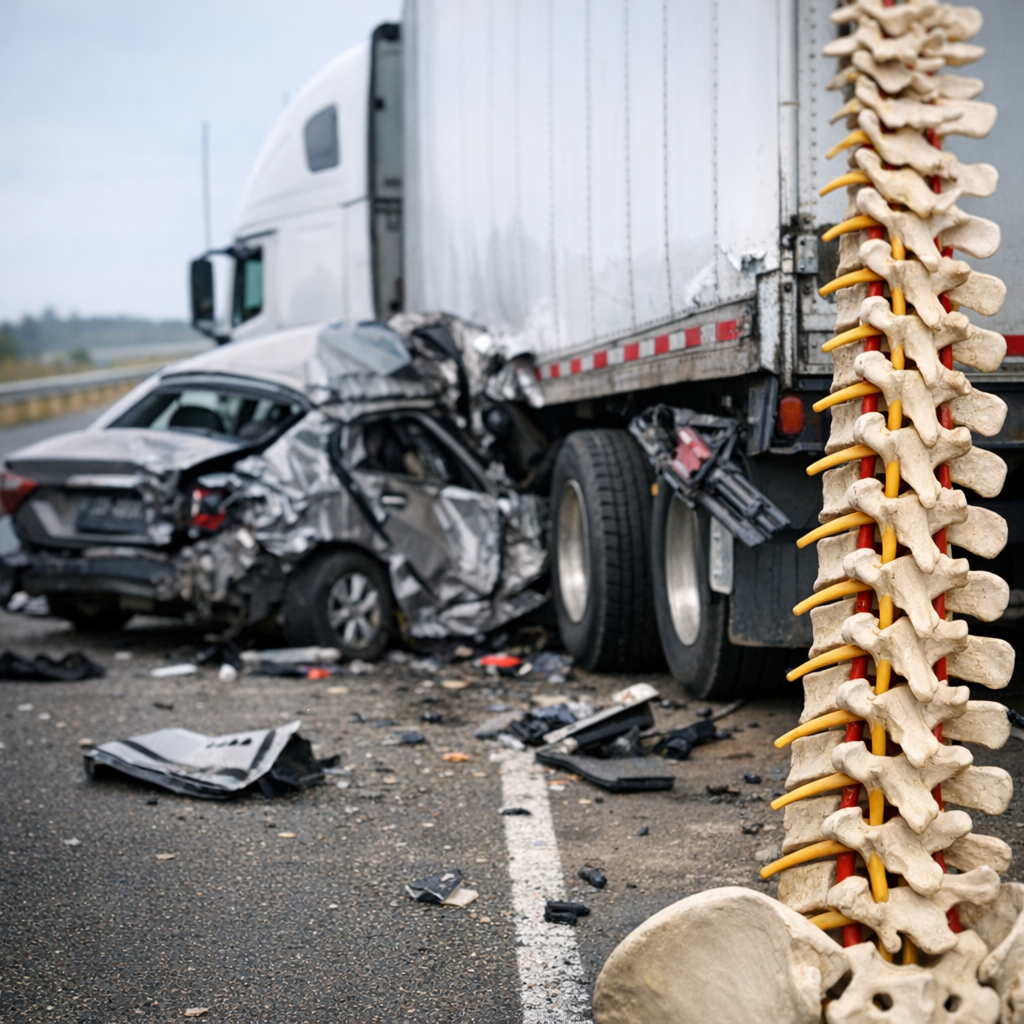
Spinal Injuries After a Big Rig Crash
Understanding the Outcome of Spinal Injuries After a Big Rig Crash
Spinal injuries following a collision with a big rig can vary widely in severity and impact. The spinal cord, housed within the vertebral column, plays a critical role in transmitting signals between the brain and the rest of the body. Damage to this area, whether from fractures, dislocations, or direct trauma, can result in a range of outcomes.
In the context of a big rig crash, the sheer force involved often leads to significant trauma to the spine. Injuries may include fractures to the vertebrae, dislocation of spinal segments, or damage to the spinal cord itself. In some cases, these injuries are classified as traumatic spinal cord injuries (SCI), which can lead to partial or complete loss of sensory and motor function below the site of injury.
The specific outcomes depend on the location and extent of the injury. Cervical spine injuries may affect the neck and upper body, potentially causing quadriplegia, while thoracic or lumbar injuries generally affect the torso and lower limbs. The intensity of the accident, the angle of impact, and the individual’s physical condition all contribute to the resulting damage.
Long-Term Effects on Daily Life
Spinal injuries resulting from a big rig crash can create lasting changes in a person’s ability to perform everyday tasks. In the immediate aftermath, individuals often face hospital stays with intensive medical care, including surgeries and rehabilitation. Over time, the effects of the injury become more apparent in daily routines.
Physical mobility may be limited, with some individuals experiencing partial or complete paralysis. This can affect basic activities such as walking, dressing, or feeding oneself. Adaptations in living spaces and the use of assistive devices may become necessary as part of managing these changes.
Sensory impairments are also common, with some patients reporting diminished sensation or altered perception in affected areas. This can complicate simple tasks and increase the risk of skin injuries or other complications.
Individuals with spinal injuries may require ongoing medical care, including physical therapy to maintain muscle strength and prevent secondary complications. Fatigue and chronic pain are often reported, which can influence productivity and participation in social activities.
Cognitive and psychological effects may emerge indirectly due to the challenges associated with managing a spinal injury. Although the injury itself does not affect the brain, the lifestyle adaptations and physical limitations may contribute to feelings of frustration or isolation over time.
Common Concerns Related to Spinal Injuries After Big Rig Crashes
One prevailing concern is the potential for permanent disability after a spinal injury. The severity of damage to the spinal cord is a primary factor in determining the likelihood of recovery versus lasting impairment. Given the complex nature of the nervous system, outcomes can sometimes be unpredictable.
Secondary complications are another area of concern. These can include pressure ulcers, respiratory issues, urinary tract infections, and muscle spasticity. These conditions often require vigilant monitoring and management to prevent further health problems.
Pain management also presents challenges. Neuropathic pain, resulting from nerve damage, can persist long after the initial injury and may not respond well to traditional pain treatments.
There may be uncertainty regarding treatment options, especially when spinal instability or neurological loss exists. Medical interventions vary, ranging from immobilization to surgical stabilization, but outcomes can differ based on individual circumstances.
Emotional and social concerns are frequently raised as well. Adjusting to significant changes in physical capacity can affect relationships, employment prospects, and overall quality of life. However, the degree and nature of these impacts differ widely among individuals.
Informational Summary
Spinal injuries following a big rig crash represent a complex medical outcome with effects that span both physical and everyday functional domains. The extent and location of the injury significantly influence the specific outcome and the level of impairment experienced.
These injuries often result in changes requiring adaptation in daily life, sometimes involving long-term medical care and rehabilitation. Physical limitations, sensory changes, and potential secondary complications are part of the broader picture.
Common concerns include the potential for permanent disability, pain management, and complications linked to spinal cord damage. Attention to these issues is important in understanding the full scope of spinal injuries after such accidents.
Overall, spinal injuries after a big rig crash present a multifaceted condition that encompasses immediate trauma and ongoing management challenges. Providing clear and factual information about these injuries helps to shed light on their broad impact without imposing emotional or advisory tones.