Speeding Causes of Big Rig Crashes
Speeding remains one of the most significant contributors to traffic accidents worldwide. When it comes to big rigs, or large commercial trucks, the dangers linked to high speeds are amplified due to the massive size and weight of these vehicles. Understanding the causes behind speeding in big rigs is essential for grasping why crashes happen and the complex dynamics involved. This article explores the key factors driving speeding behaviors among big rig drivers, how these causes function, and the role they play in real-world crashes.
Educational Overview of Speeding in Big Rigs
Big rigs are heavier and require longer stopping distances than passenger vehicles. The consequences of speeding are therefore more severe. Speeding in big rigs refers to operating these large trucks beyond posted speed limits or conditions safe for the road environment. Several systemic and situational causes contribute to this behavior. These range from pressures related to logistics and schedules to individual decisions and environmental challenges.
Speeding is not merely a reckless choice; it is often influenced by a combination of operational demands and personal factors. The interplay of these elements means that speeding big rig crashes frequently involve more than just a single cause. Understanding these causes in depth allows for a clearer view of how speeding contributes to accidents involving massive commercial vehicles.
How Operational and Human Causes Lead to Speeding in Big Rigs
Logistical Pressures and Carrier Demands
One of the primary contributors to speeding among big rig drivers is the pressure to meet tight delivery deadlines. Transportation companies often enforce strict schedules to maintain customer satisfaction and operational efficiency. Drivers may feel compelled to drive faster to stay on track, especially during long hauls covering hundreds of miles.
The nature of freight contracts and compensation structures sometimes incentivizes faster driving. When drivers are paid based on the number of deliveries or miles covered, there can be a natural tendency to increase speed to maximize earnings. This creates a systemic environment where speeding becomes more likely, driven by economic and performance factors within the trucking industry.
Individual Driver Behavior and Decision-Making
Beyond external pressures, individual choices and habits significantly influence speeding in big rigs. Factors like overconfidence, fatigue, or misjudgment contribute to decisions to drive at unsafe speeds. Some drivers may underestimate the risks associated with driving too fast or believe they can handle the vehicle safely regardless of speed.
Additionally, rural or long highway stretches can create a false sense of security. Without frequent traffic or law enforcement presence, drivers may be tempted to speed. The mindset that speeding is manageable in these conditions often leads to dangerous situations when unexpected road or traffic hazards arise.
Environmental and Road Conditions
Certain road characteristics and environmental conditions can indirectly cause speeding in big rigs. Wide, straight highways with minimal traffic can encourage drivers to maintain high speeds. Good weather and clear roads often embolden drivers to accelerate to speeds they would avoid in more challenging conditions.
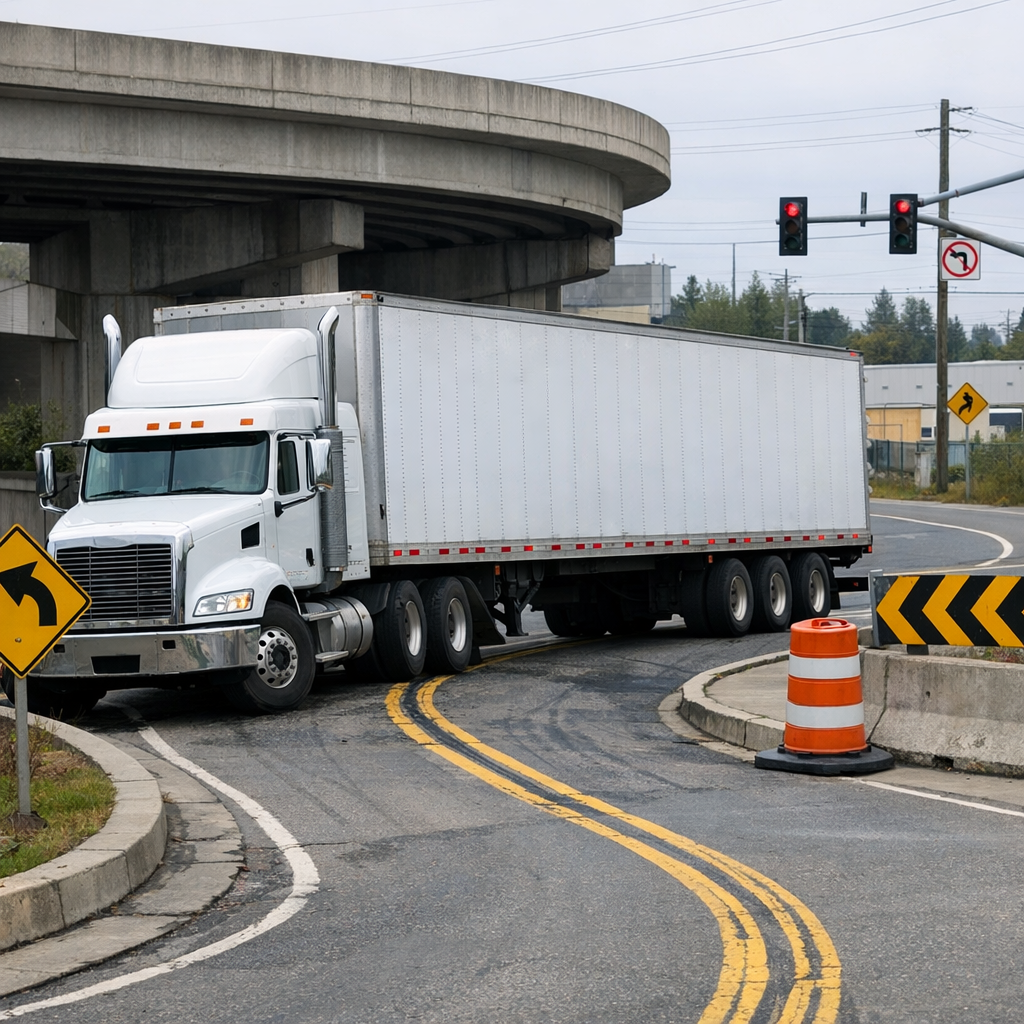
Conversely, certain environments may exacerbate the dangers of speeding. Sharp curves, steep inclines, or wet and icy surfaces require slower speeds to maintain control. When speeding occurs in these hazardous conditions, the risk of losing control or being unable to stop in time is dramatically increased.
Why Speeding Matters in Real-World Big Rig Crashes
Increased Stopping Distances and Reduced Reaction Time
Speeding significantly affects a big rig’s ability to stop or maneuver safely. Due to their tremendous weight, large trucks need longer distances to come to a complete stop. This margin grows exponentially as speed increases. A speeding big rig driver has less time to react to sudden road hazards, other vehicles’ actions, or unexpected obstacles.
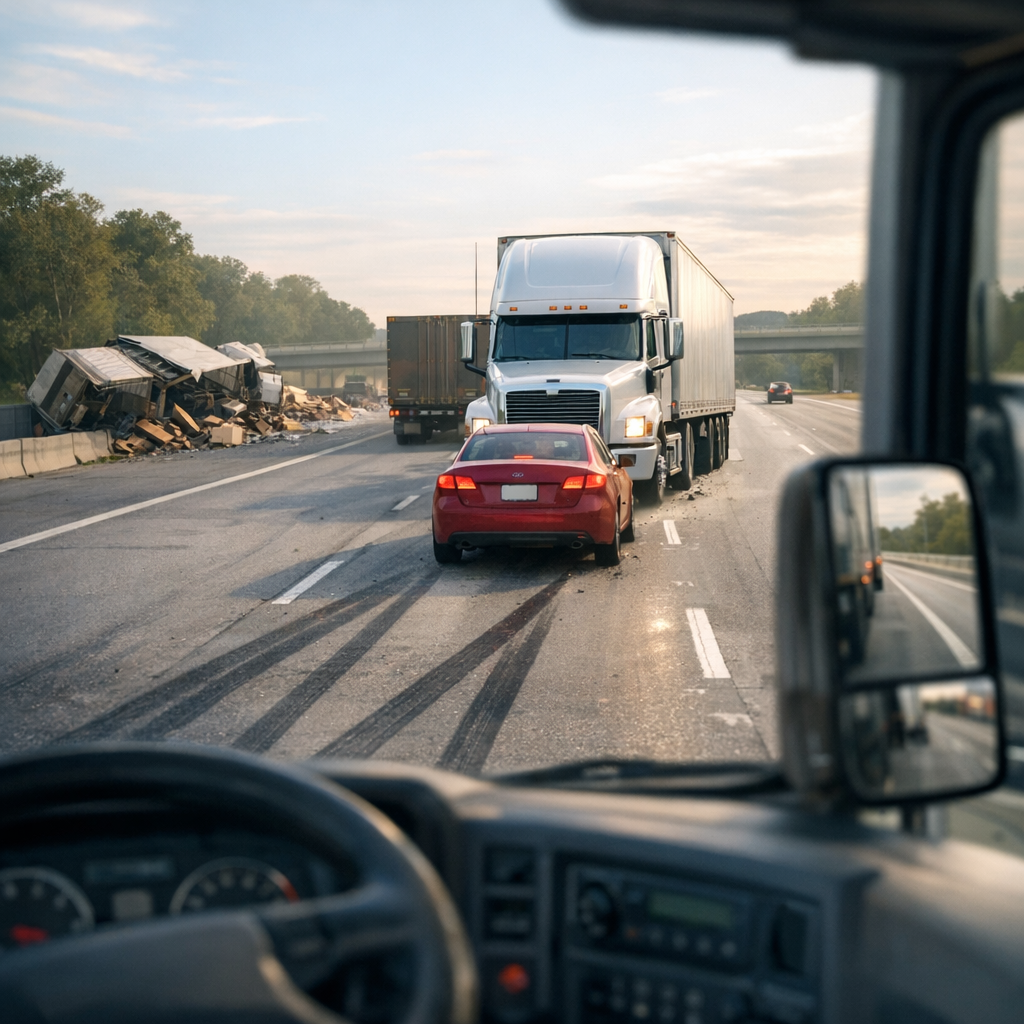
These limitations often translate into crashes when a driver is unable to avoid collisions caused by slowed or stopped traffic ahead. The severity of such crashes is generally greater because of the higher kinetic energy involved when speeding.
Loss of Vehicle Control and Stability
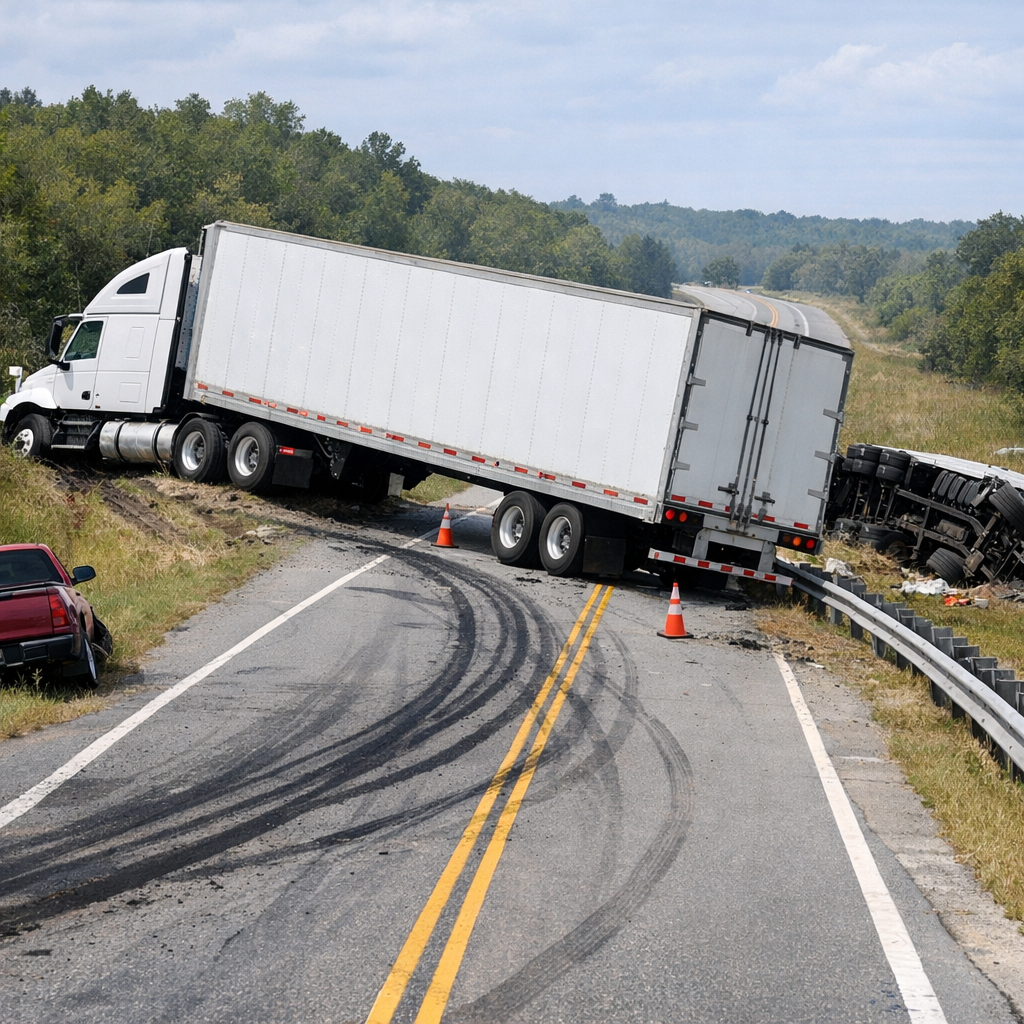
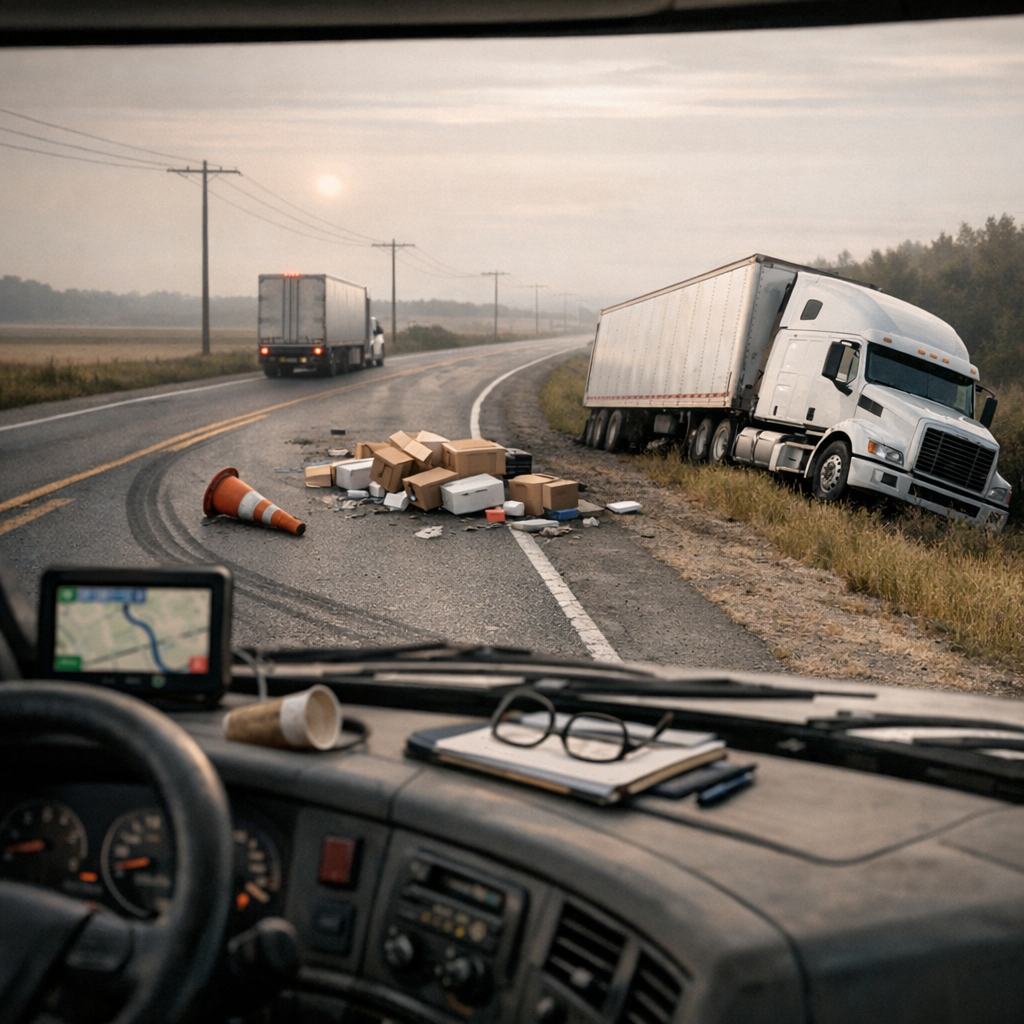
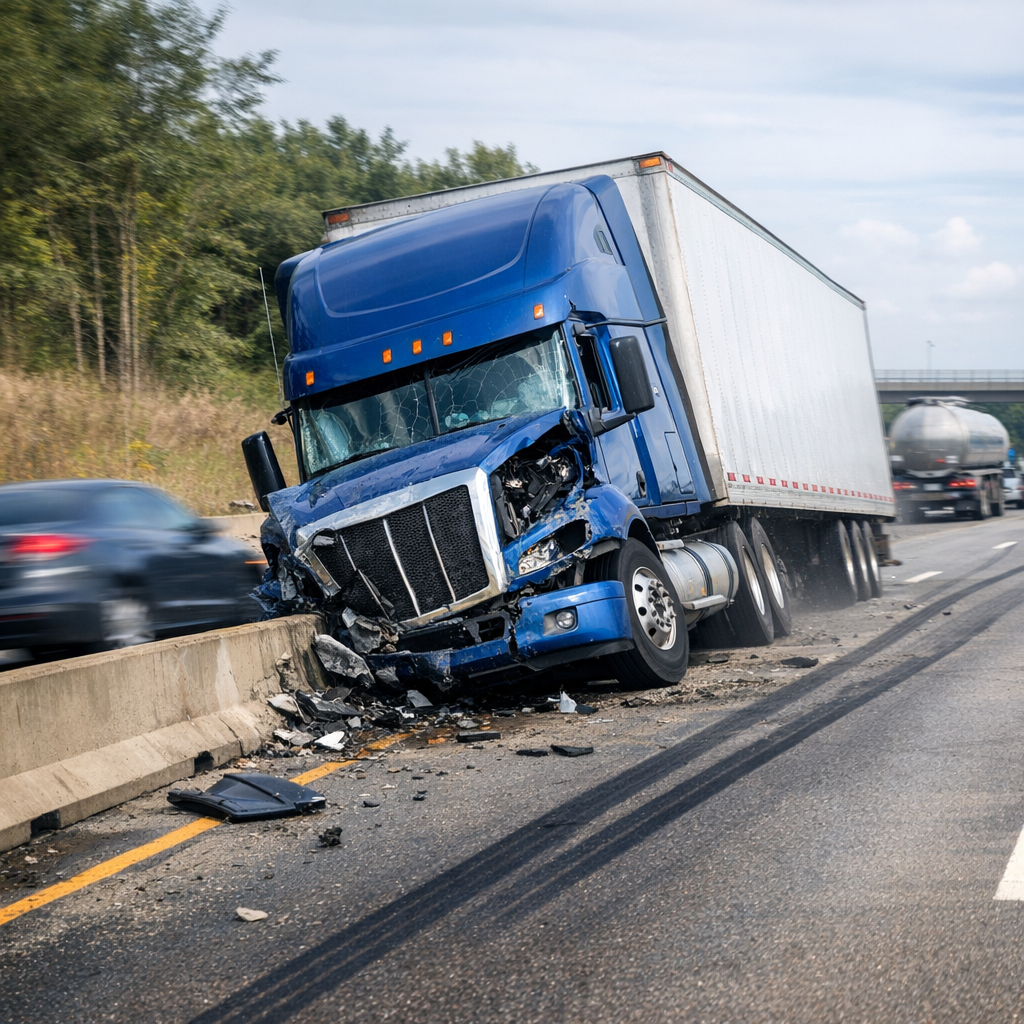
The physics of large trucks traveling at high speeds pose unique dangers. The elevated center of gravity combined with heavy loads can cause instability at elevated speeds, especially during sharp turns or evasive maneuvers. Speeding big rigs are more prone to rollover accidents due to the reduced margin of balance.
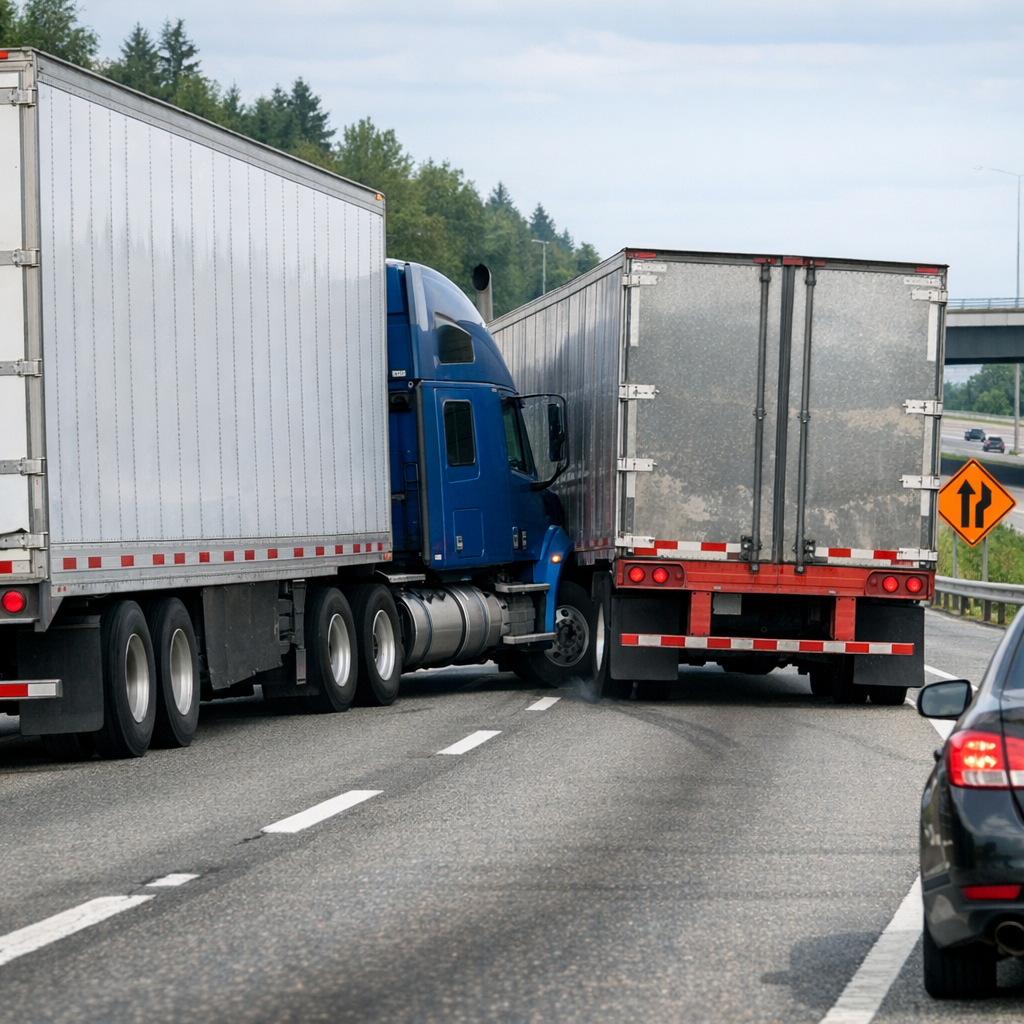
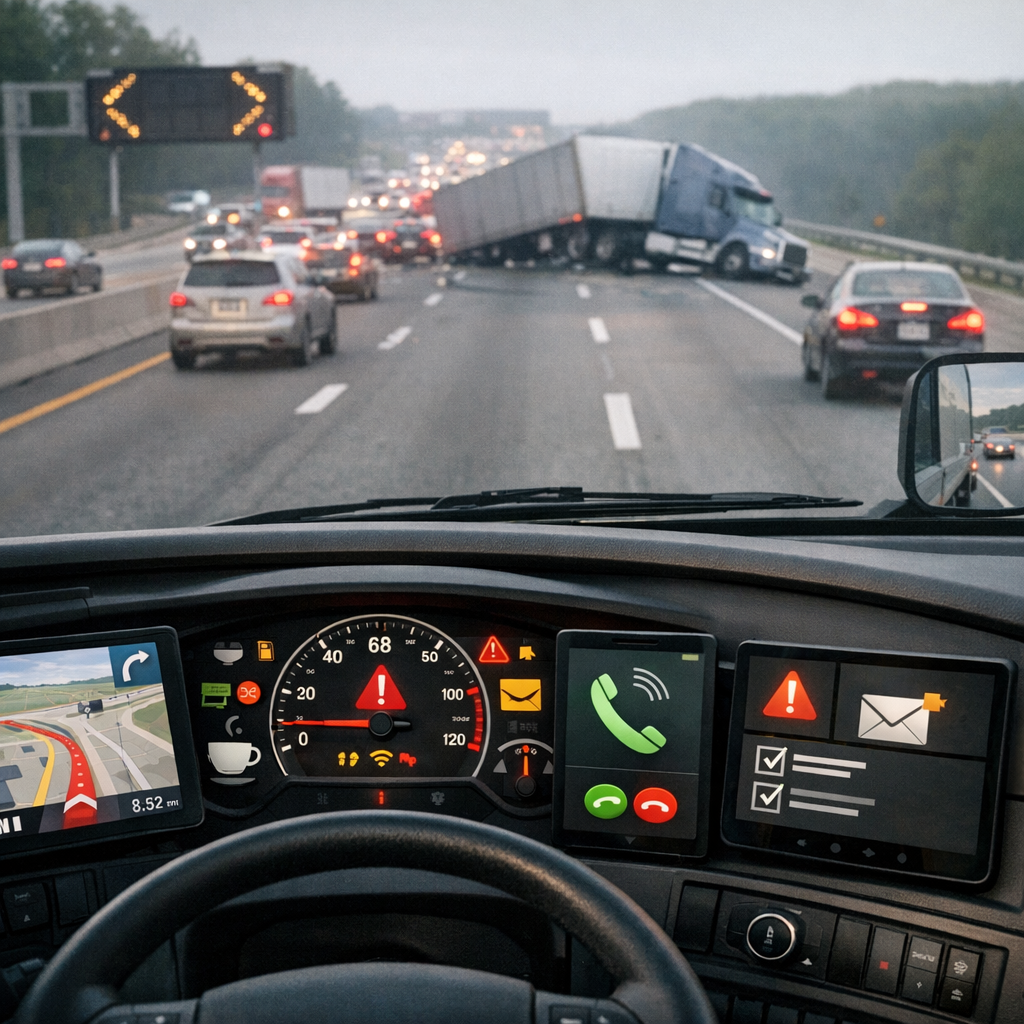
Speed and weight together magnify the challenge of maintaining vehicle control. Excessive speed can cause trailer sway, jackknifing, or fishtailing. When these conditions occur, drivers often lose control, resulting in catastrophic crashes involving multiple vehicles or even road blockages causing further collisions.
Amplified Crash Impact and Severity
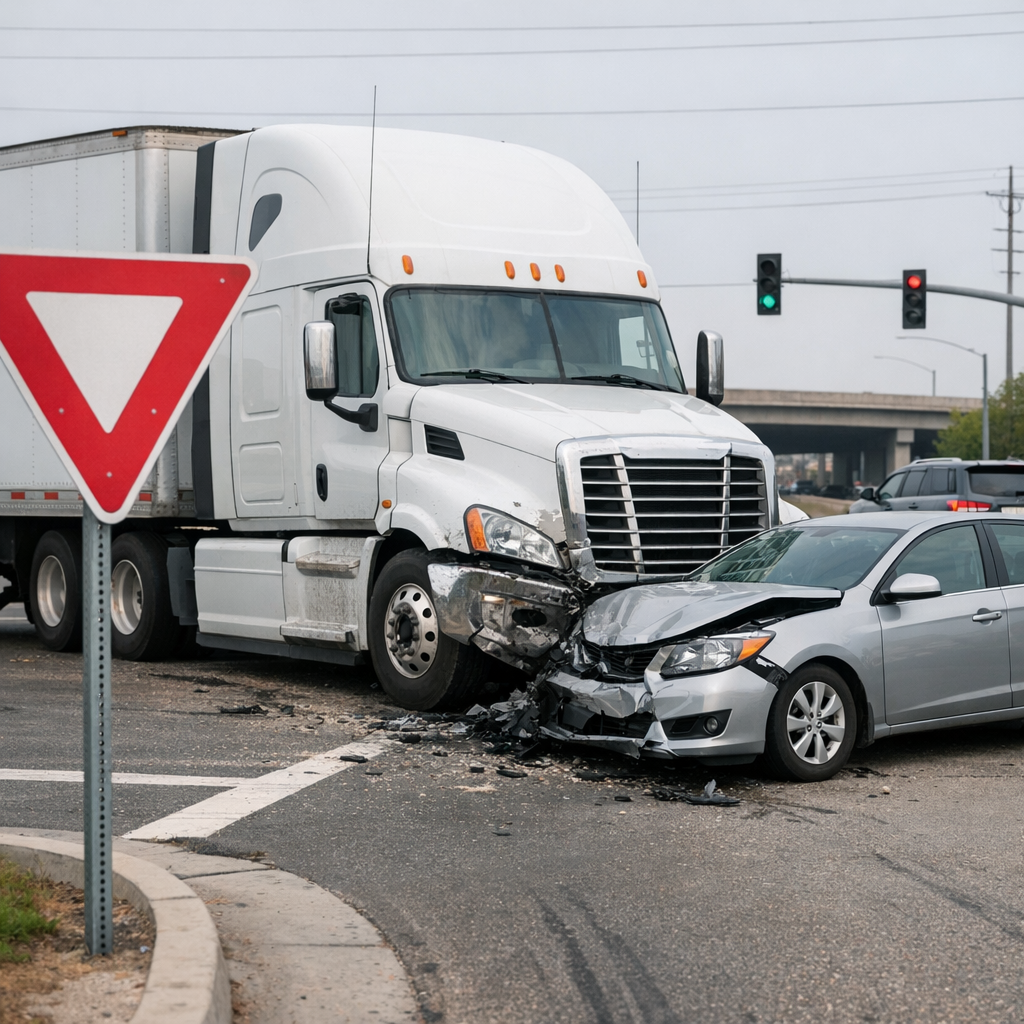
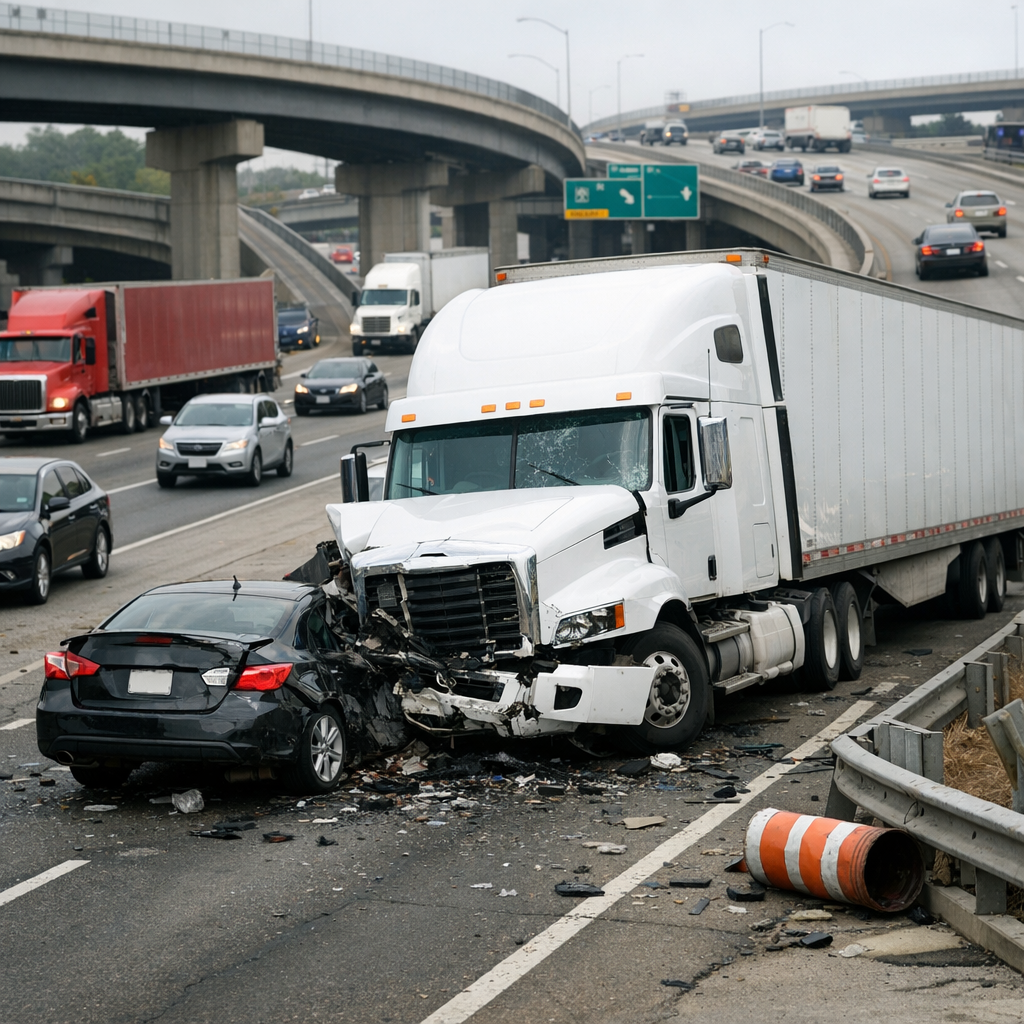
The severity of crashes involving speeding big rigs is notably higher compared to other vehicles. Crashes occurring at high speeds produce greater force on impact, which translates to more extensive damage and a higher likelihood of severe injuries or fatalities. The combination of large mass and speed creates forces that exceed what passenger cars and even first responders may expect.
These impacts not only affect the big rig itself but also cause significant harm to surrounding vehicles, infrastructure, and road users. High-speed crashes involving big rigs frequently lead to secondary crashes, prolonged traffic disruptions, and complex emergency responses.
Neutral Close on Speeding and Big Rig Safety Dynamics
Speeding among big rig drivers results from a complex array of operational demands, individual choices, and environmental factors. This multifaceted phenomenon plays a critical role in many truck-related crashes, influencing their frequency and severity. Understanding the causes of speeding big rigs without attributing simplified blame allows for a more nuanced view of commercial trucking risks.
Speeding impacts driver reaction, vehicle control, and overall crash dynamics in ways distinct from smaller vehicles. Acknowledging these factors provides a foundation for analyzing big rig crashes and the multifaceted context in which they occur. Further exploration may focus on the engineering, regulatory, and behavioral aspects that intersect with speeding to influence road safety involving large commercial trucks.