
Soft Tissue Damage After Big Rig Accidents
Understanding Soft Tissue Damage After Big Rig Collisions
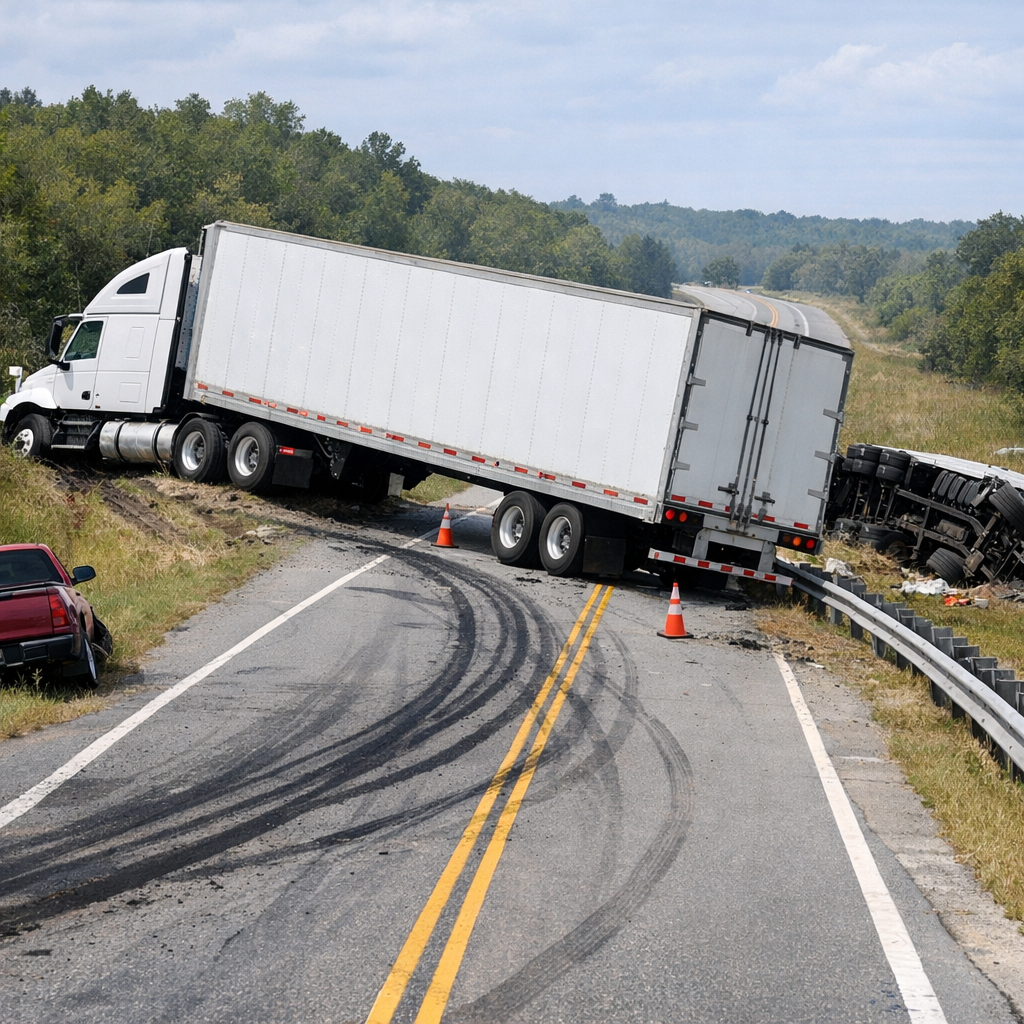
Soft tissue damage following big rig accidents is a frequently encountered outcome due to the intense forces involved in such incidents. Soft tissues include muscles, ligaments, tendons, and fascia, which support and stabilize the body’s skeletal structure. When a big rig accident occurs, the impact can cause these tissues to stretch, tear, or sustain bruising. This type of injury can vary in severity, from mild strains and sprains to more serious tears requiring extended medical management.
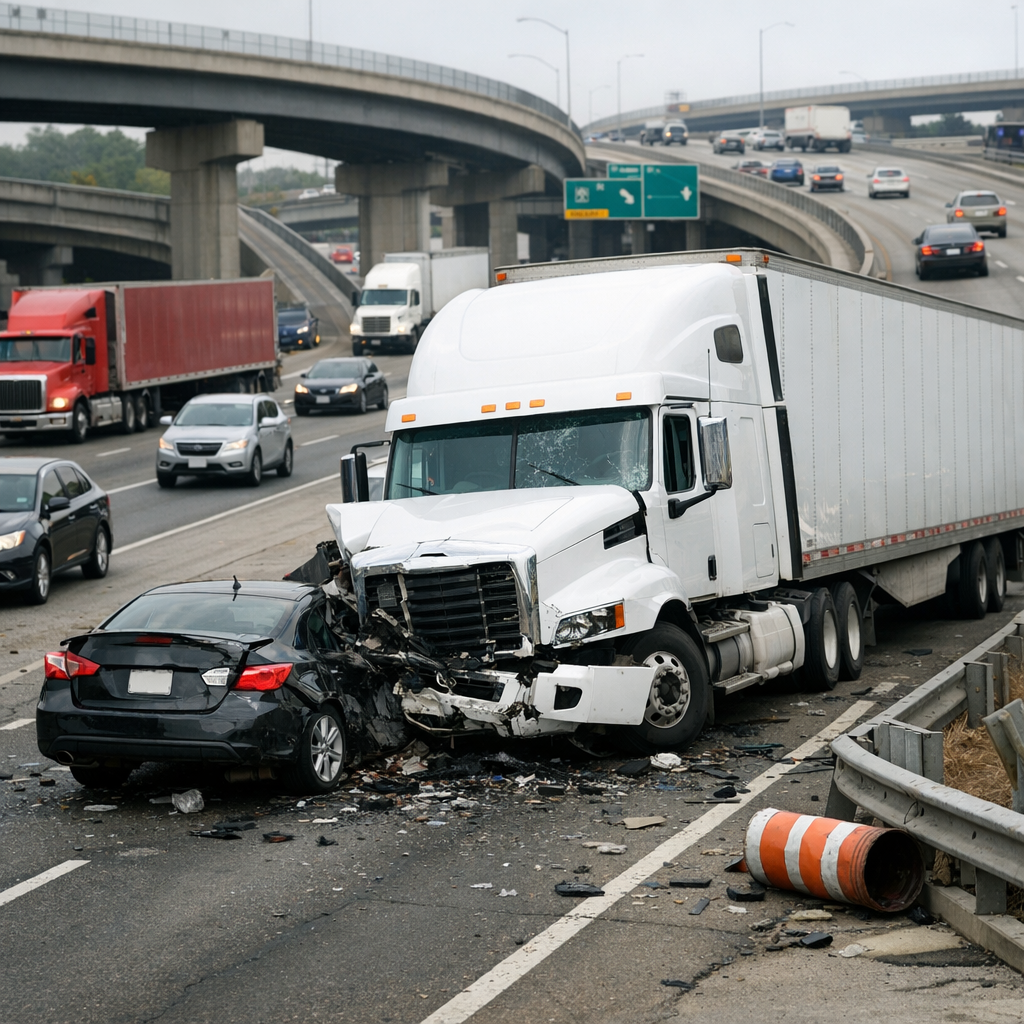
In big rig collisions, the sheer size and momentum of the truck significantly influence the extent of soft tissue injury. The abrupt acceleration and deceleration forces can cause whiplash-like symptoms, while direct impact or crushing injuries might result in contusions or lacerations to muscles and connective tissues. Soft tissue damage in this context often occurs alongside other injuries, but it may also be the primary source of pain and functional limitation.
Long-Term Effects of Soft Tissue Injuries from Big Rig Accidents
Soft tissue injuries sustained during a big rig accident can impact daily life for weeks, months, or even longer. Initially, pain and inflammation may limit mobility and the ability to perform everyday tasks such as lifting, carrying, or walking. The injury may also affect posture and alignment, as the muscles and ligaments involved in supporting the body’s structure may not function properly.
Over time, some individuals experience persistent discomfort or stiffness in the injured area. This chronicity can arise from incomplete healing, scar tissue formation, or altered biomechanics driven by compensation. For example, a torn ligament in the shoulder might reduce the range of motion and strength, leading to difficulties in reaching overhead or performing repetitive work-related activities.
In some cases, the soft tissue damage results in recurring flare-ups triggered by certain movements or stressors. These flare-ups can complicate rehabilitation efforts and daily routines, requiring ongoing adjustments to activity levels. While many soft tissue injuries improve with time and conservative measures, the recovery trajectory may vary depending on the location and severity of the injury, as well as individual health factors.
Common Concerns Following Soft Tissue Injuries in Big Rig Accidents
One typical concern after sustaining soft tissue damage in a big rig accident is the potential for long-term disability. Given that these injuries affect the connective structures responsible for movement and stability, there is apprehension about regaining full function. Questions often arise regarding the likelihood of permanent weakness, limited range of motion, or the necessity of surgical intervention.
Another frequent issue involves pain management, especially when discomfort lingers or becomes chronic. People affected by soft tissue injuries may wonder about the effectiveness and safety of various pain relief options, as well as how to balance activity with rest to avoid aggravating the injury.
There is also concern about the identification and diagnosis of soft tissue injuries. Because many such injuries do not show up clearly on standard imaging tests like X-rays, there can be uncertainty about the extent of the damage and the appropriate treatment plan. This uncertainty sometimes fuels anxiety about prognosis and recovery times.
Furthermore, the ability to return to previous occupational or recreational activities is often a source of worry. Big rig accidents may result in changes to functional capacity, influencing a person’s ability to work in physically demanding jobs or participate in hobbies that require strength and flexibility.
Closing Overview on Soft Tissue Injuries From Big Rig Accidents
Soft tissue damage following big rig accidents is a complex outcome with varying degrees of impact on an individual’s life. These injuries involve critical structures that support movement and stability, and their recovery can influence day-to-day activities and overall physical function. Understanding the nature of soft tissue damage helps frame expectations about the possible progression and challenges encountered during healing.
While the process may involve discomfort and limitations, soft tissue injuries are recognized as a significant component of motor vehicle accident trauma. The course of recovery commonly depends on multiple factors, including injury specifics, overall health, and rehabilitative efforts. Awareness of these aspects fosters a clearer perspective on the realities associated with soft tissue injury in the aftermath of big rig collisions.