
Shoulder Injuries from Big Rig Collisions
Understanding the Outcome of Shoulder Injuries from Big Rig Collisions
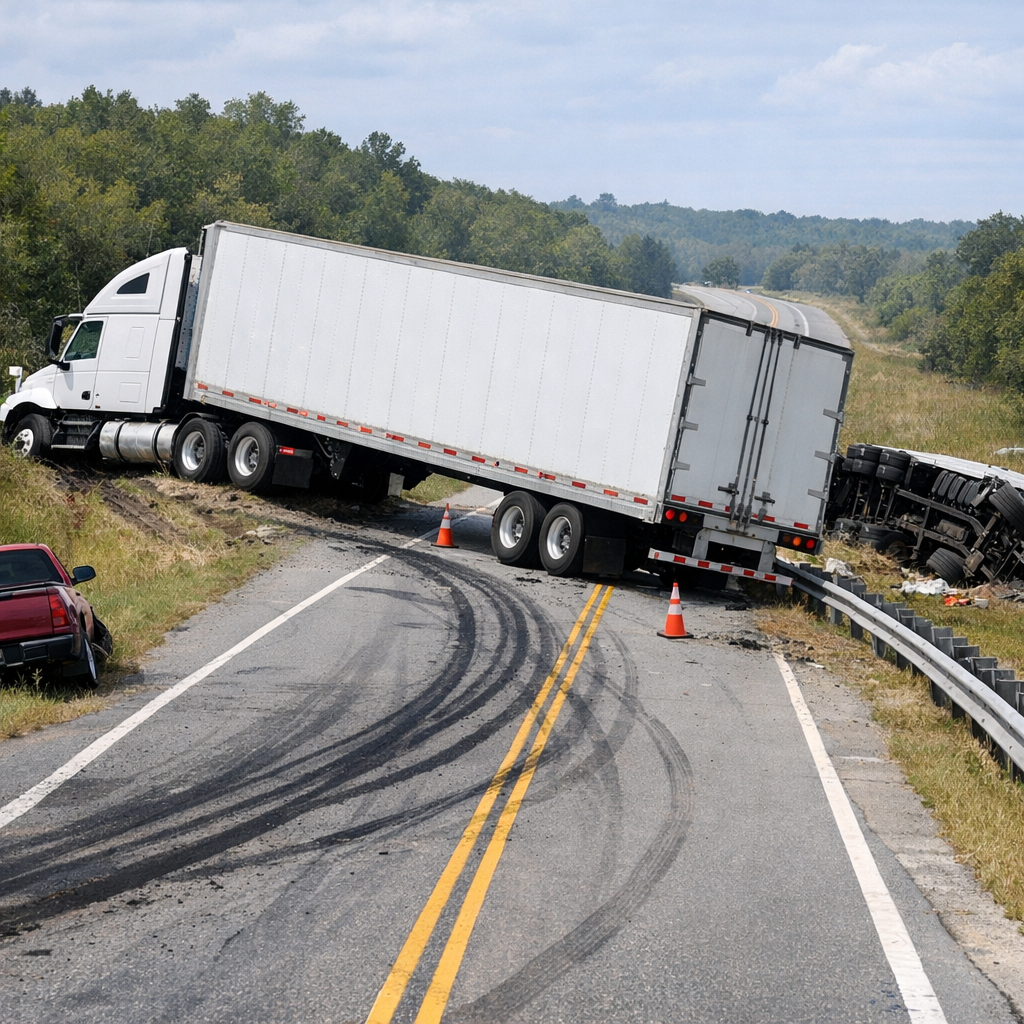
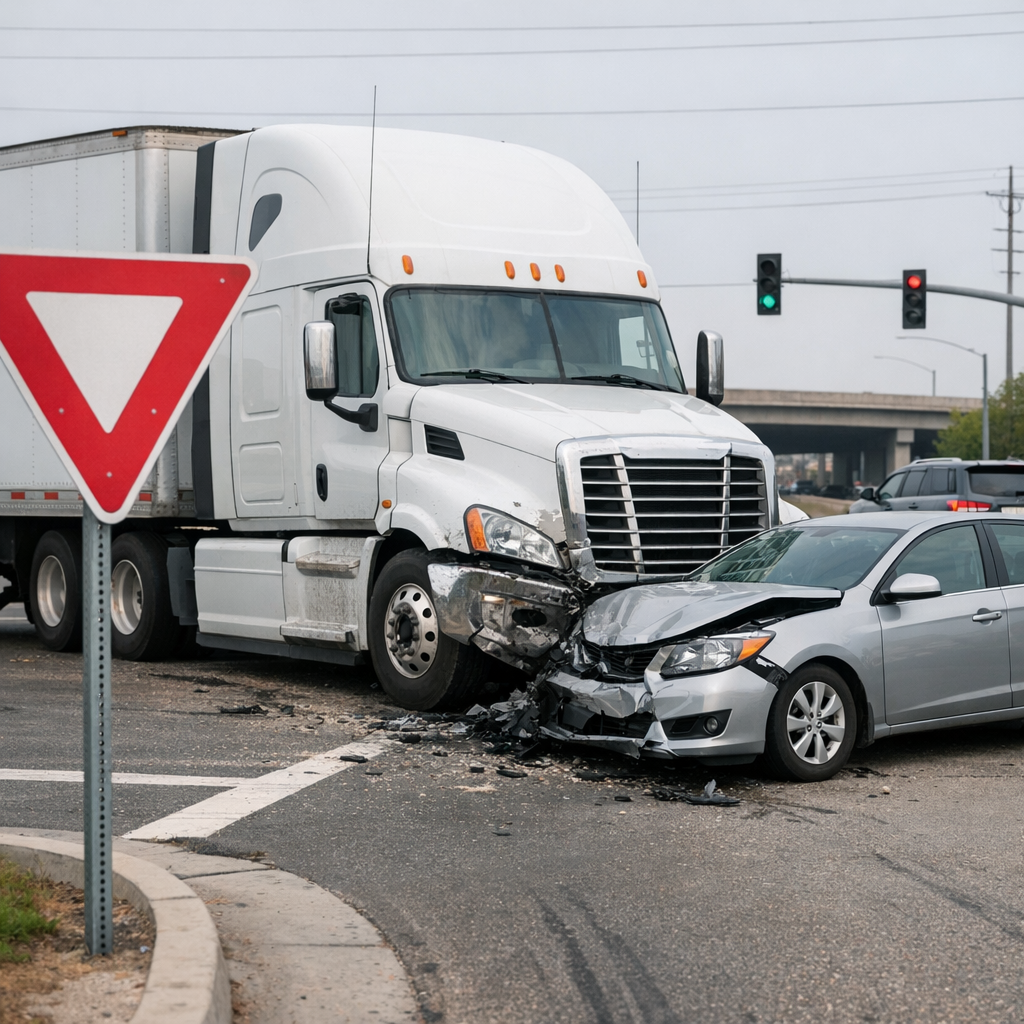
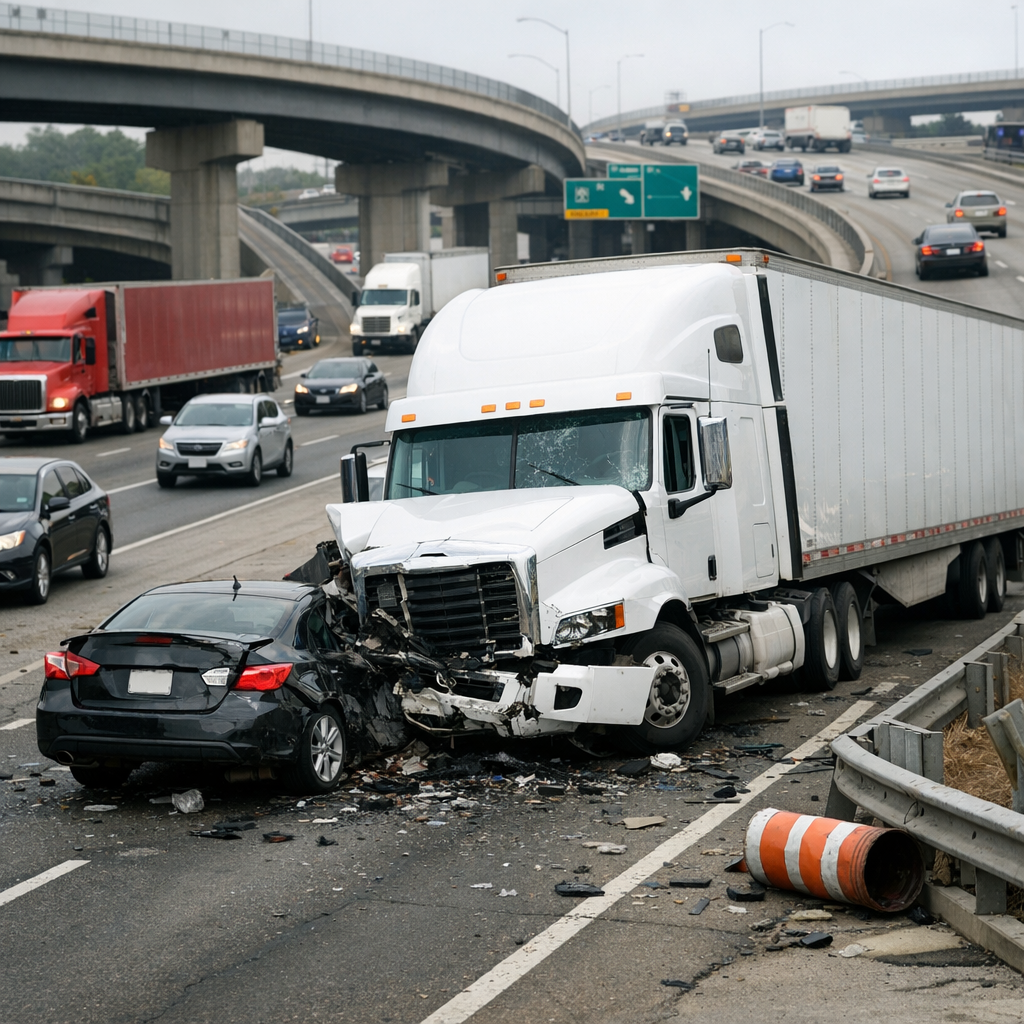
Shoulder injuries resulting from big rig collisions often involve significant trauma due to the size and force exerted by these large vehicles. When a collision occurs, the impact can cause a variety of injuries to the shoulder area, including fractures, dislocations, rotator cuff tears, and soft tissue damage. The shoulder’s complex structure—composed of bones, muscles, tendons, and ligaments—makes it susceptible to different types of injury during violent forces such as those in a big rig accident.
These injuries can range from mild strains or sprains to severe damage, affecting the shoulder’s ability to function properly. The outcome depends on multiple factors such as the speed of impact, the position of the body at the moment of collision, and the presence of protective measures like seatbelts or airbags. Medical imaging and clinical evaluations typically help determine the precise nature and extent of the injury.
Effects on Daily Life Over Time
Shoulder injuries from big rig collisions often have a lasting impact on everyday activities. In the early stages following the injury, individuals may experience pain, stiffness, and limited mobility. These symptoms can make simple tasks like dressing, grooming, or even reaching overhead difficult. Over time, depending on the severity, some shoulder injuries might impair strength and range of motion more permanently.
Chronic pain and discomfort are commonly reported among those who have sustained major shoulder damage. This can influence one’s ability to work, especially in professions requiring physical labor or repetitive arm movements. Activities such as lifting objects, driving, or participating in recreational pursuits might become challenging or impossible without accommodating the injury.
Physical therapy, rest, or medical interventions often aim to restore function, but some lasting limitations can persist. The fluctuating nature of pain and inflammation also means that symptoms may wax and wane, sometimes resurfacing with certain movements or activities. Adapting to these limitations often becomes part of daily living for individuals with shoulder injuries from collisions involving big rigs.
Common Concerns Related to Shoulder Injuries Big Rig Accidents
Concerns about shoulder injuries after collisions with big rigs typically revolve around diagnosis, treatment options, recovery prospects, and long-term effects. Initial uncertainty about the extent of damage is common, as some injuries might not be immediately evident without thorough medical assessment. This can include soft tissue tears or nerve involvement that might develop symptoms over time.
There is also apprehension regarding the potential for secondary complications. For example, untreated or improperly healed shoulder injuries can lead to arthritis, persistent weakness, or deformities. Pain management is another concern, as individuals seek ways to balance relief with maintaining function.
The impact on employment and lifestyle is frequently a topic of discussion. Individuals may worry about their ability to return to previous levels of activity or work duties. The financial and emotional aspects associated with rehabilitation, medical care, and time away from work are often part of these concerns, even when only considering the physical injury itself.
Informational Summary of Shoulder Injury Outcomes from Big Rig Collisions
Shoulder injuries sustained in big rig collisions present a range of possible outcomes, influenced by injury type and severity. These injuries can affect the structure and function of the shoulder, leading to limitations in mobility and strength that may persist over time. The daily life of an affected individual can involve challenges related to pain, movement, and routine tasks.
While many shoulder injuries require medical evaluation and potential treatment, understanding the nature of these injuries is essential. Ongoing symptoms and concerns commonly arise, underscoring the importance of monitoring recovery and physical capacity. The complexity of shoulder injuries from such high-impact events highlights the variable prognosis and individual nature of healing and adaptation.
The information gathered about shoulder injuries in big rig collisions adds to a broader awareness of how such trauma can influence physical health outcomes. Recognizing the potential severity and impact provides context for the lived experience following these events.