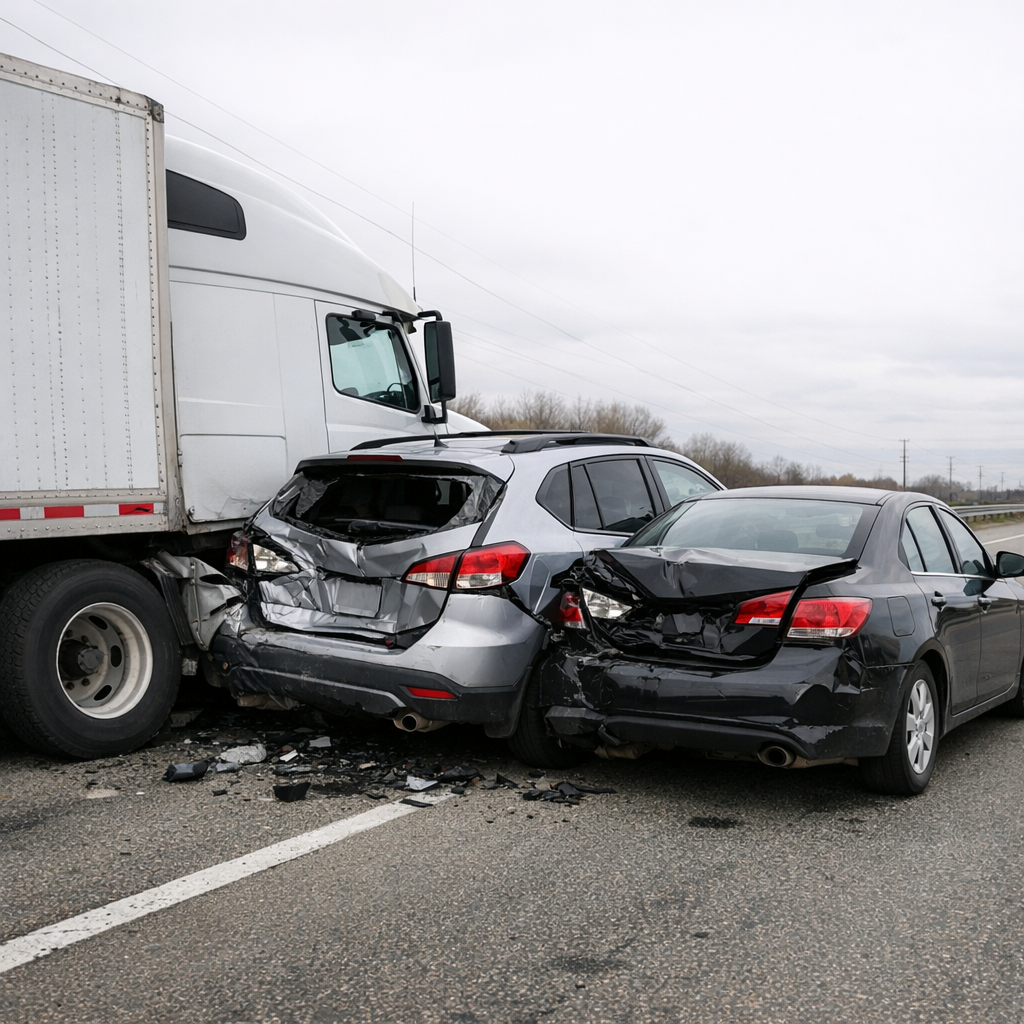
Semi Truck Pushed My Vehicle Into Another Car
Being involved in a crash where a large semi truck pushes your vehicle into another car can be a startling experience. Such accidents often involve considerable force due to the size and weight of semi trucks, resulting in complex damage patterns and a range of practical concerns. Understanding what typically happens in these situations and the common outcomes can help those involved navigate the aftermath with more clarity.
What Usually Happens in a Semi Pushed Vehicle Crash
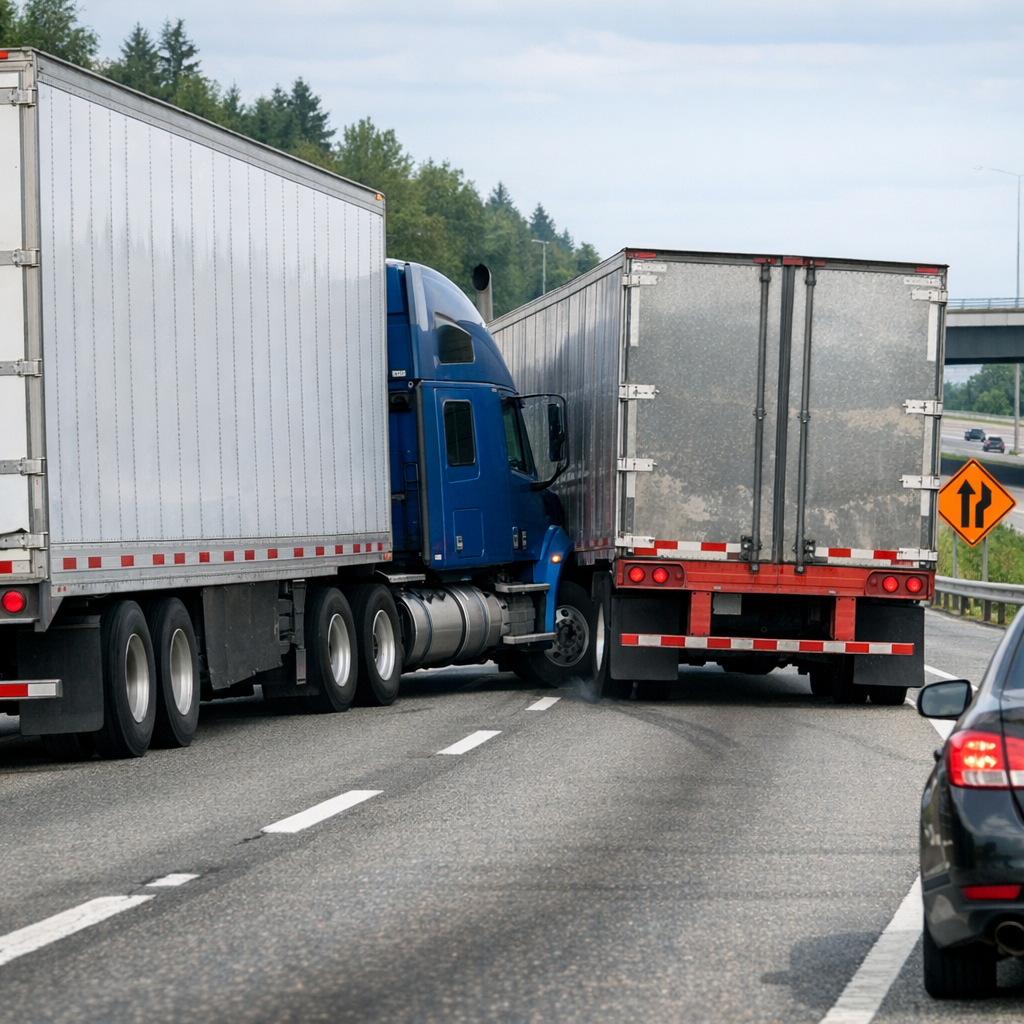
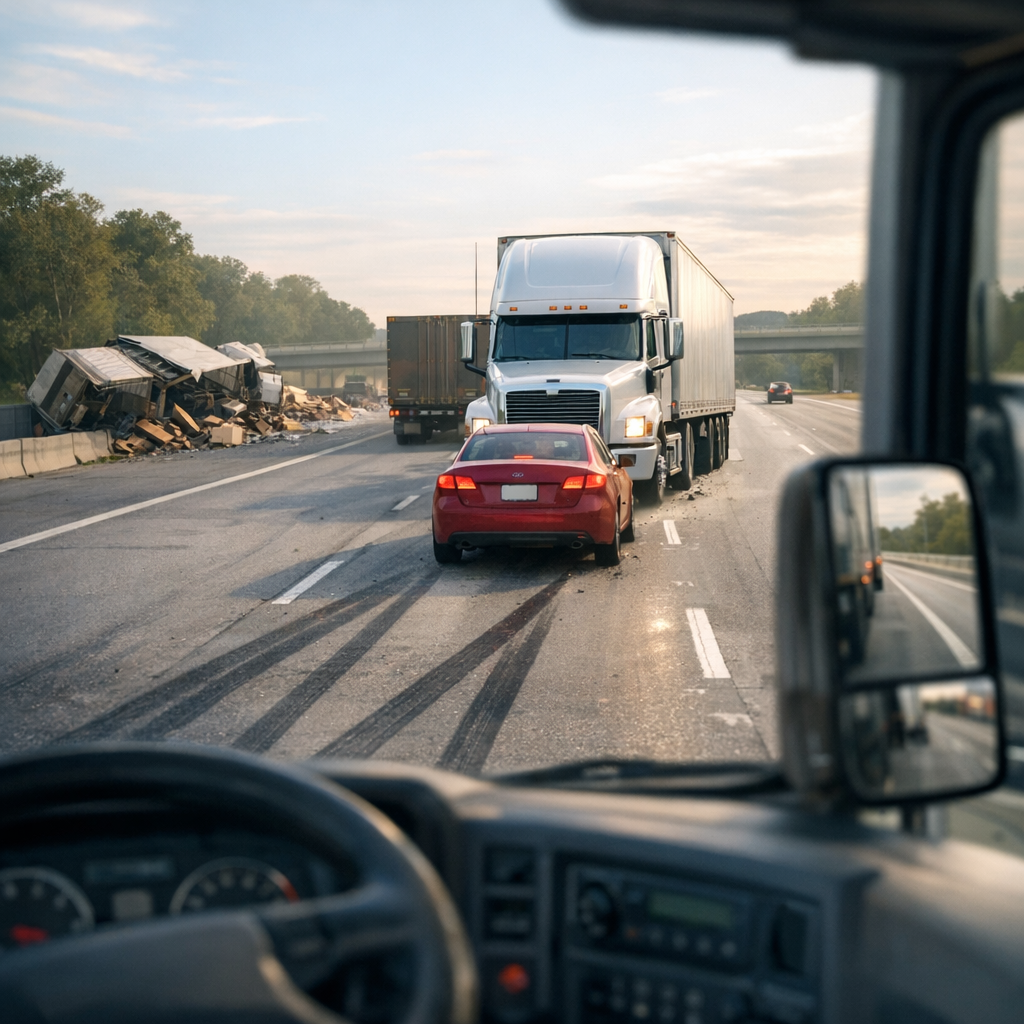
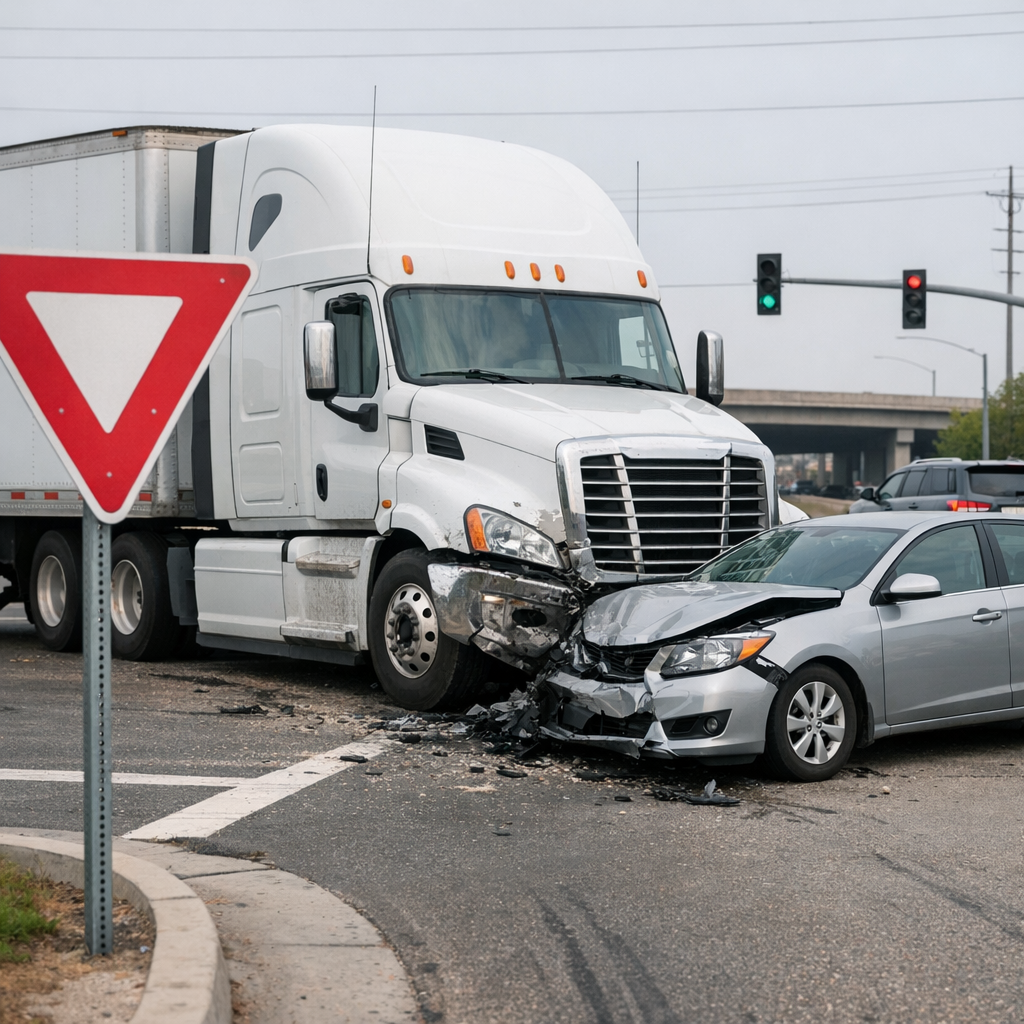
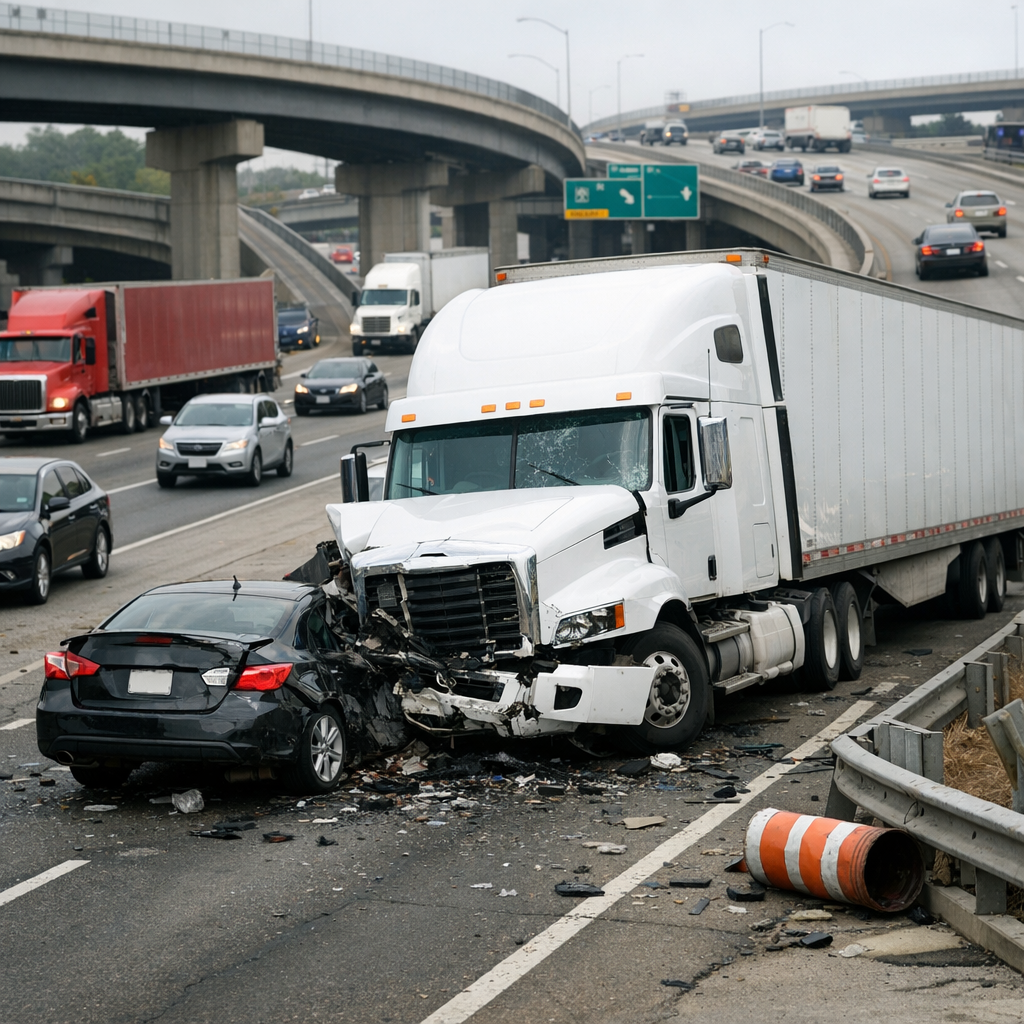
When a semi truck impacts a smaller vehicle, the momentum of the truck often causes the smaller vehicle to be forced forward or sideways. In some cases, this leads to a chain reaction where the smaller vehicle collides with another car ahead or beside it. This type of accident can occur during sudden stops, lane changes, or when traffic congestion causes vehicles to be in close proximity.
Force and Vehicle Movement in Multi-Car Collisions
The mass of a semi truck means even low-speed impacts can move smaller vehicles unexpectedly. When a semi pushes a car into another, the initial collision may not seem severe, but the secondary impact often causes additional damage. The direction and speed of the vehicles involved influence how and where the vehicles come to rest after the crash.
Typical Physical and Vehicle-Related Outcomes
Damage to Vehicles Involved
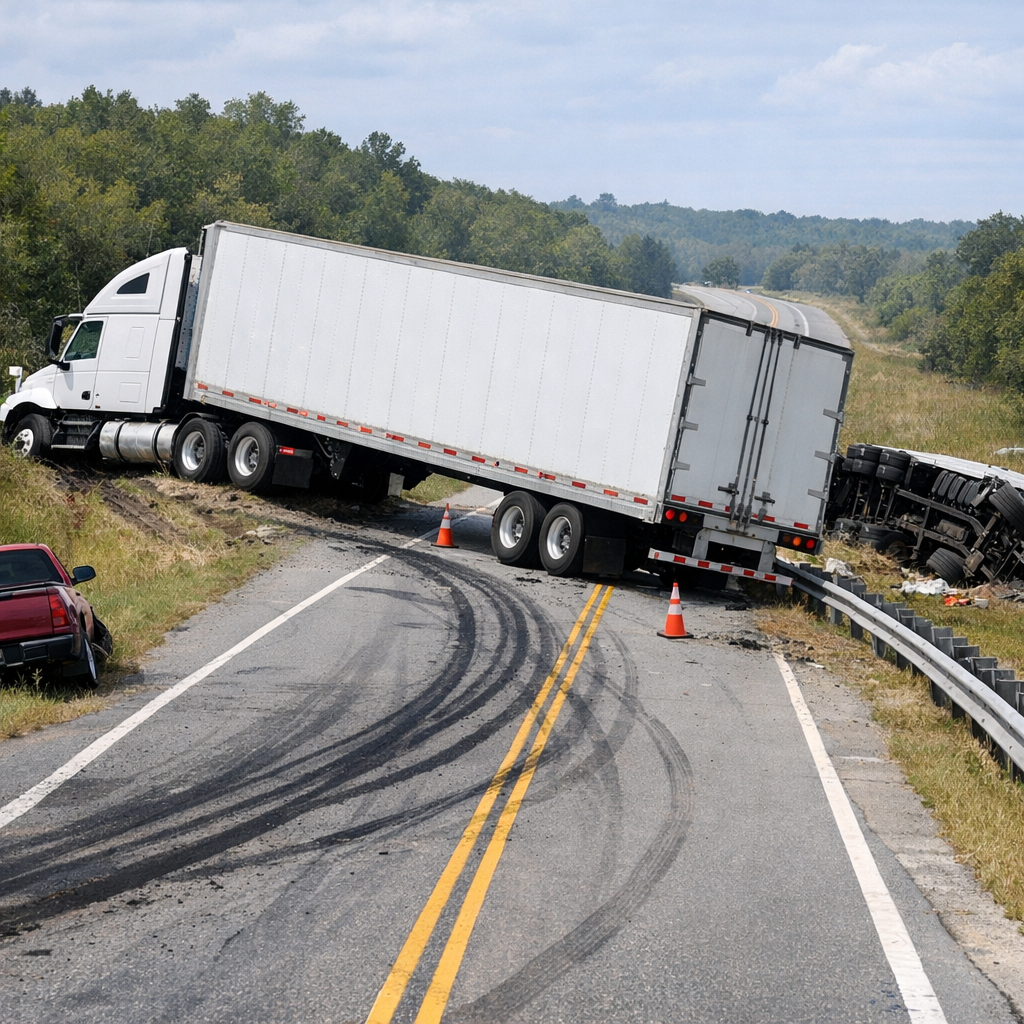
In these crashes, the vehicle directly impacted by the semi usually sustains significant front or rear damage, depending on the nature of the push. The car it is pushed into may also show damage consistent with a rear-end or side collision. Semi trucks, while sturdy, can incur damage to the trailer or lower chassis but typically experience less visible harm.
Common Traffic and Road Conditions Impacting Collisions
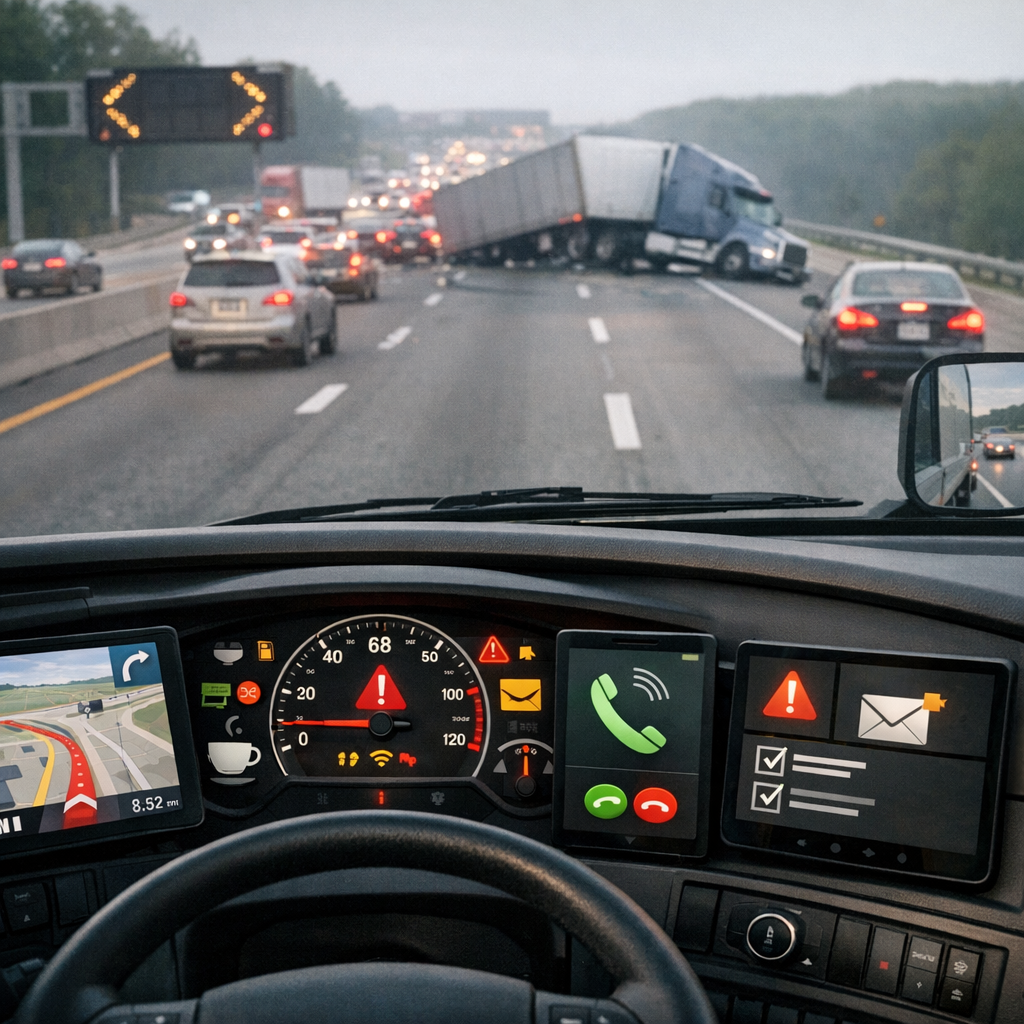
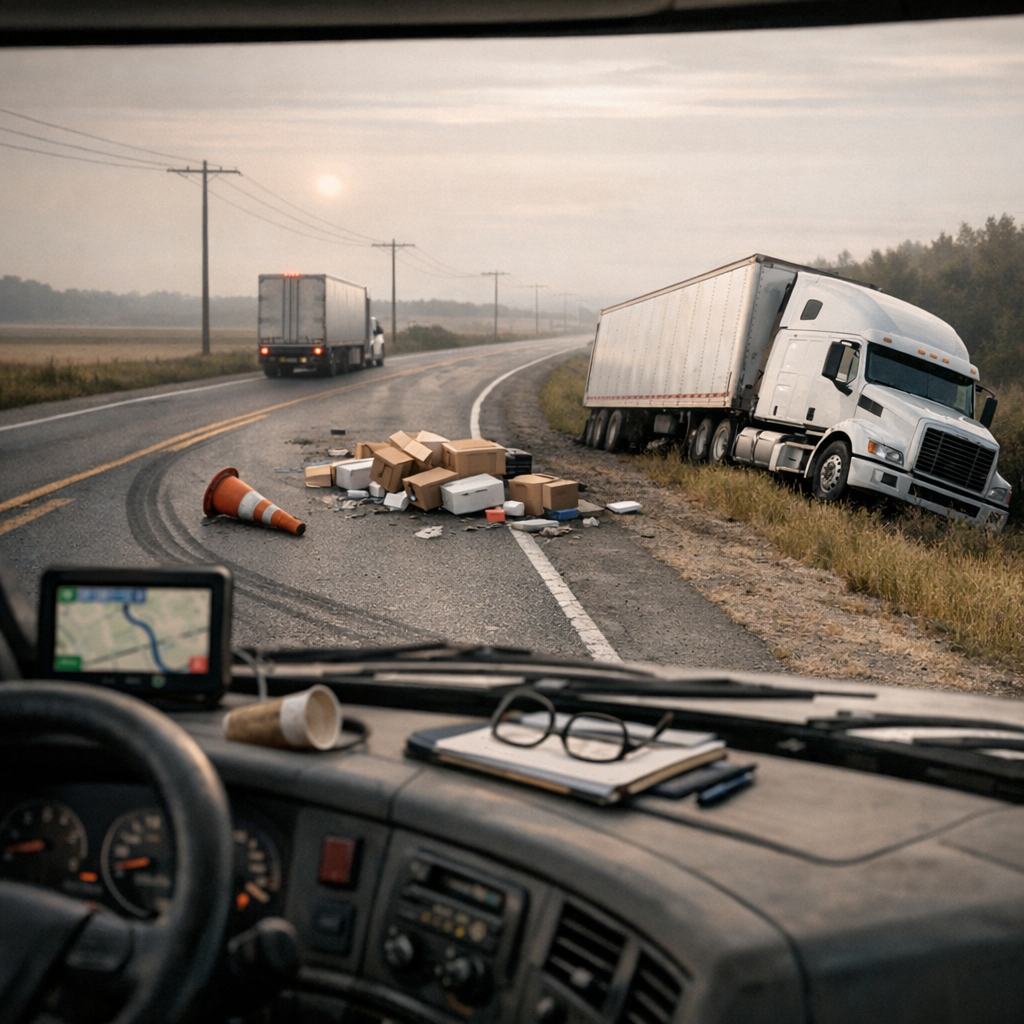
Road conditions such as wet or icy pavement, limited visibility, or heavy traffic often contribute to such chain-reaction crashes. The semi truck’s braking distance is longer due to its weight, which can reduce the driver’s ability to stop quickly, increasing the likelihood of vehicles colliding in front.
Questions That Often Arise After This Type of Accident
How Does Vehicle Safety Play a Role?
Modern vehicles are designed with features aimed at reducing injury during collisions, including crumple zones and airbags. In multi-vehicle impacts caused by semi trucks, these safety systems are tested as the forces can come from different directions.
What Are Some Immediate Concerns at the Scene?
After the crash, safety is a priority. Drivers often check for injuries and move vehicles if possible to avoid blocking traffic. Gathering information from all parties involved and documenting the scene is common practice to understand what occurred.
Considering Weather and Time of Day
Visibility issues during night or foggy conditions can affect how drivers react. Additionally, adverse weather may complicate emergency responses and road clearing efforts.
Understanding the Aftermath of a Semi Pushed Vehicle Crash
Vehicle Towing and Repairs
Depending on the damage sustained, one or more vehicles involved may require towing from the scene. Repair times vary based on the extent of damage, and in some cases, vehicles may be considered a total loss if repairs are not cost-effective.
Dealing with Insurance and Damage Assessments
While this article does not delve into insurance processes, it is common for involved parties to have their vehicles inspected by qualified assessors who evaluate the extent of damage to each car.
Emotional and Practical Adjustments
Even after the initial incident, drivers and passengers might experience stress or disruption to their daily routines. Transportation alternatives and vehicle replacement often become immediate considerations following the crash.
Navigating Post-Collision Steps with Clear Information
Understanding the dynamics of a crash where a semi truck pushes a vehicle into another car can help individuals better prepare for the immediate and subsequent steps after such incidents. Awareness of typical damage patterns, vehicle safety factors, and common situational outcomes provides a foundation for managing the situation thoughtfully and calmly.
While each accident scenario has unique elements, recognizing the forces at play and the usual progression of events contributes to a more informed perspective. Safety and clear communication at the scene remain essential priorities, followed by careful attention to vehicle condition and logistical concerns in the days that follow.