Semi Truck Jackknifed Into Traffic
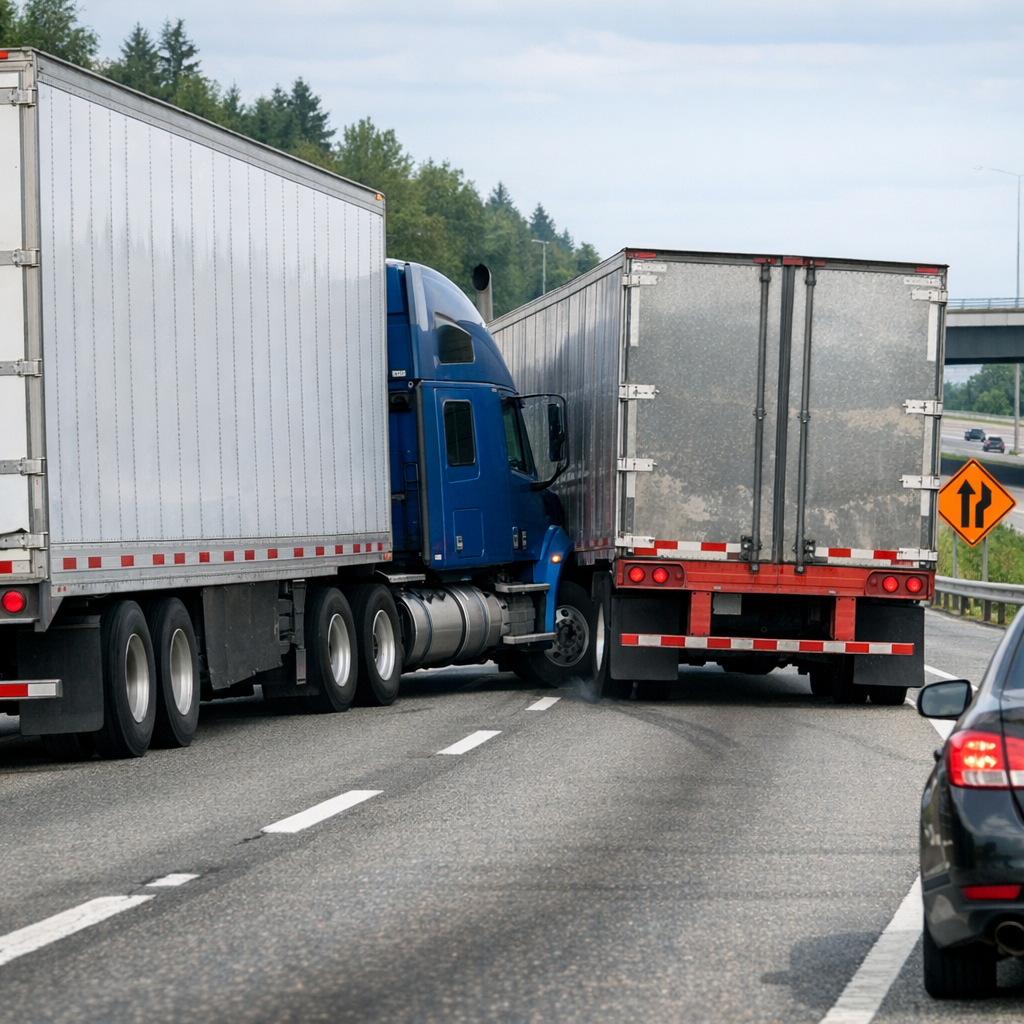
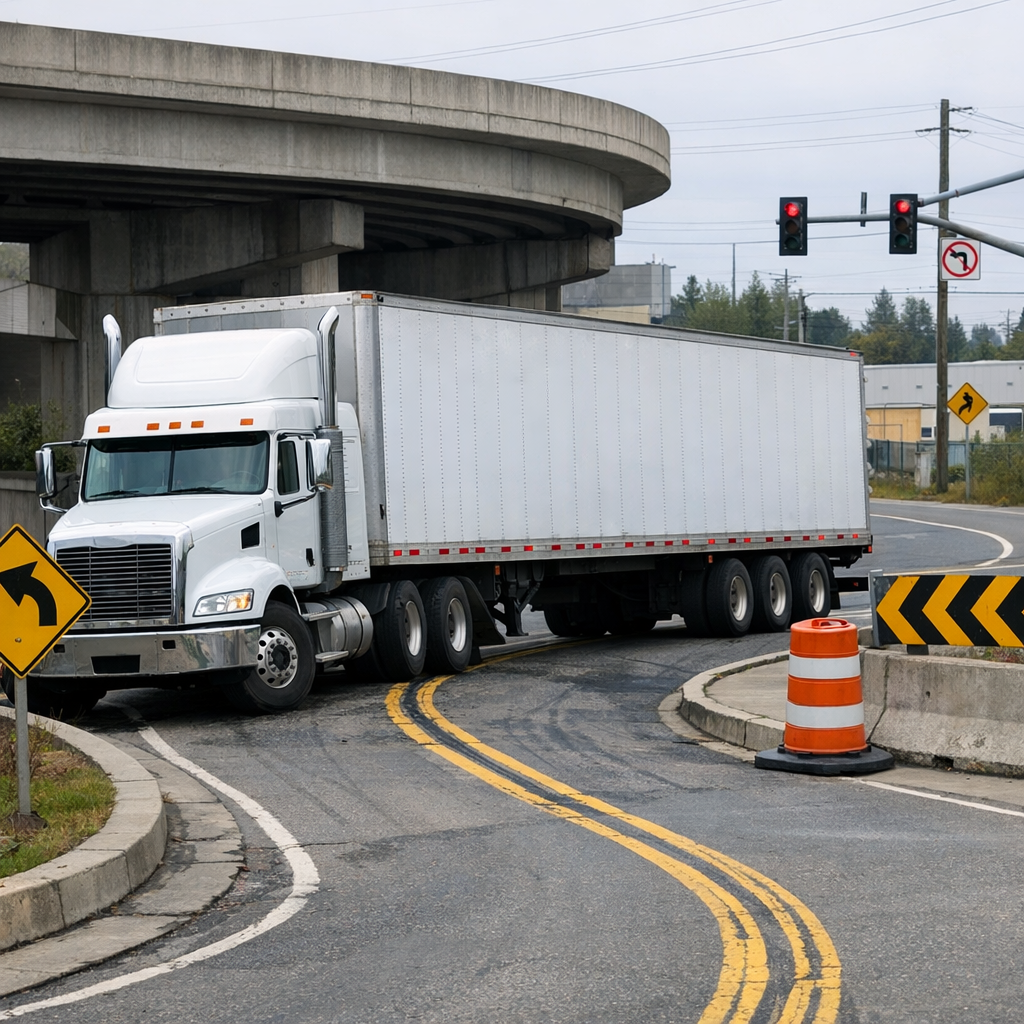
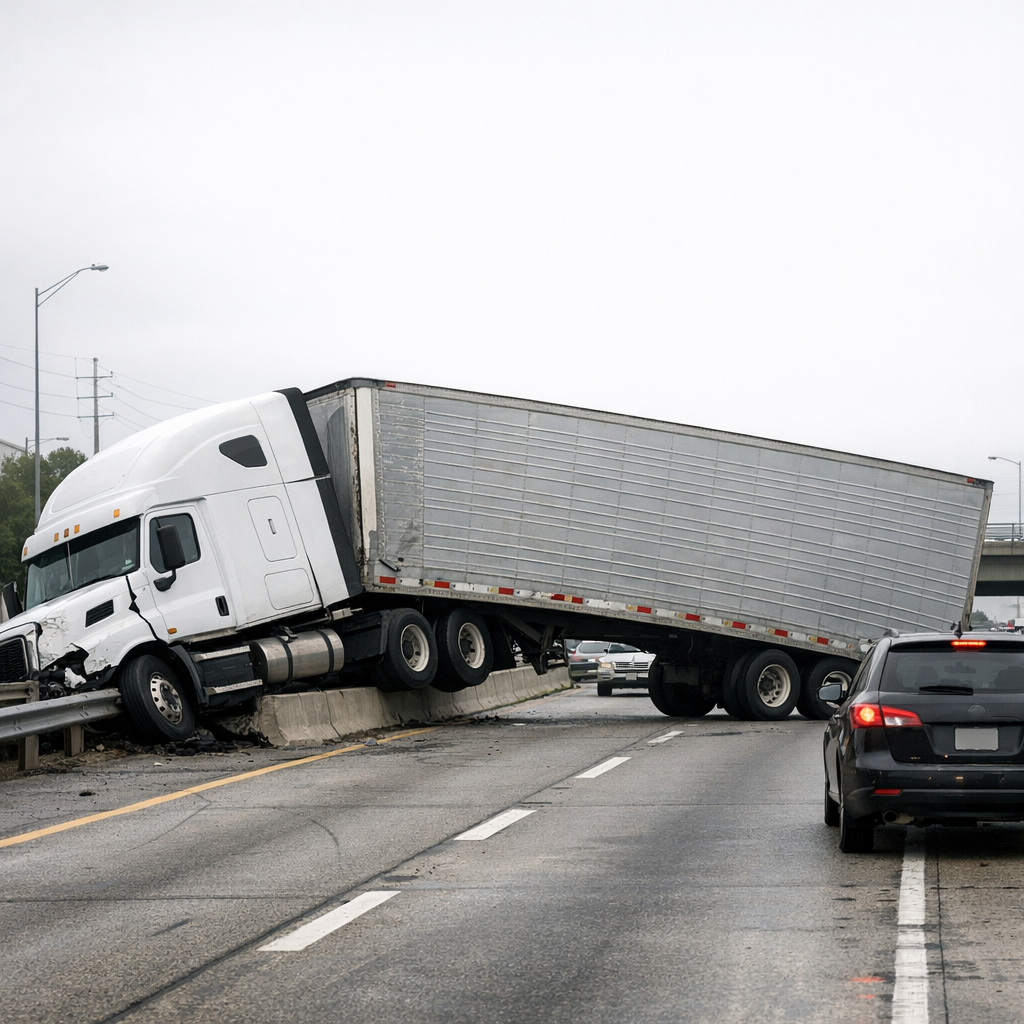
A semi truck jackknife crash is a situation where the tractor and trailer fold sharply at the trailer hitch, creating an angle that resembles a folding pocket knife. This type of incident can happen suddenly and pose significant challenges on the road, particularly when it occurs in traffic. Understanding how these crashes happen and the implications for drivers and traffic flow can help provide clarity on this complex event.
How a Semi Truck Jackknife Crash Takes Place
Factors Leading to Loss of Control
Several conditions can cause a semi truck to jackknife. Commonly, slippery road surfaces such as ice, rain, or oil spills reduce tire traction, making it difficult for the driver to maintain control. Sudden braking, especially locking the brakes, can cause the trailer to pivot uncontrollably. Mechanical issues or improper load distribution may also contribute to instability during maneuvering or stops.
Physical Dynamics of the Jackknife
When the driver applies the brakes abruptly, the tractor slows while the trailer continues moving forward due to momentum. This difference in motion causes the trailer to swing out to the side. If unchecked, the trailer can swing into adjacent lanes or against traffic, blocking multiple lanes and creating hazardous situations for surrounding vehicles.
What Typically Happens After a Jackknife Incident
Immediate Traffic Effects
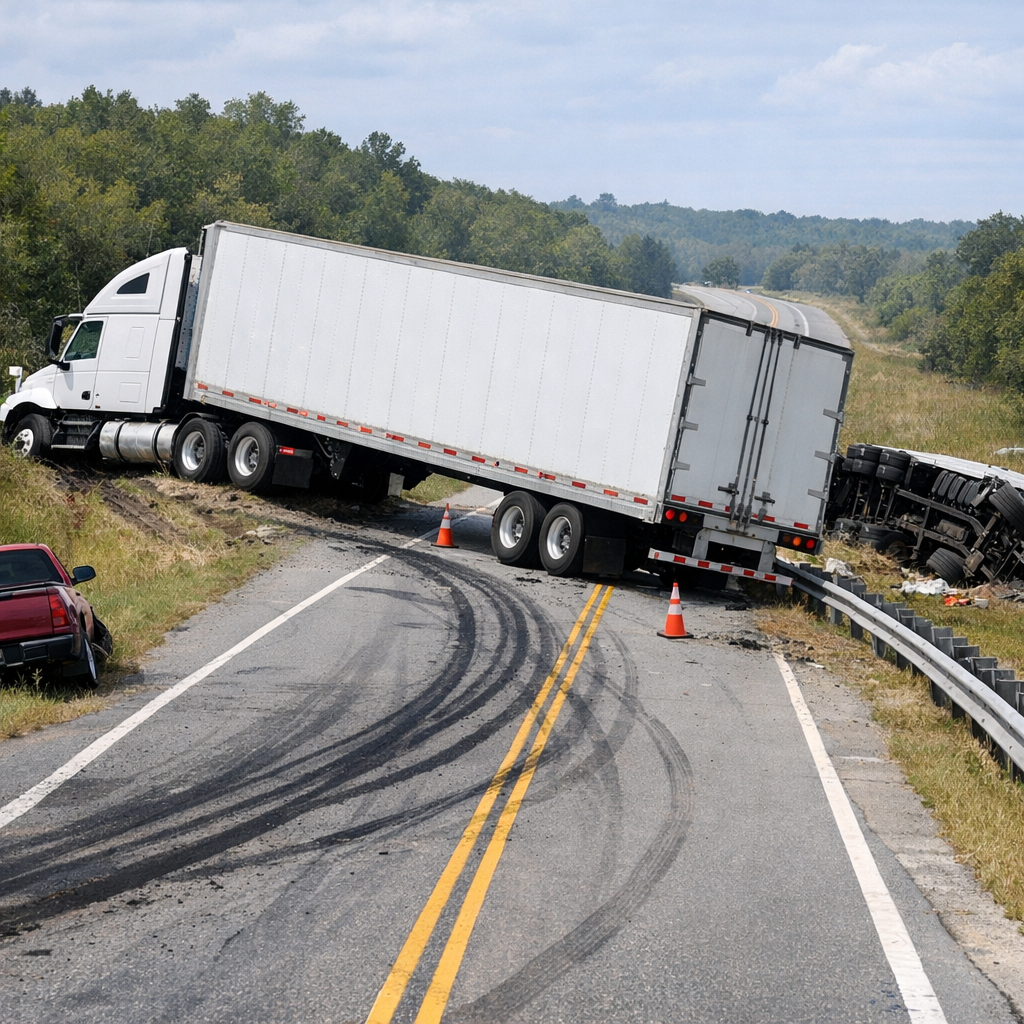
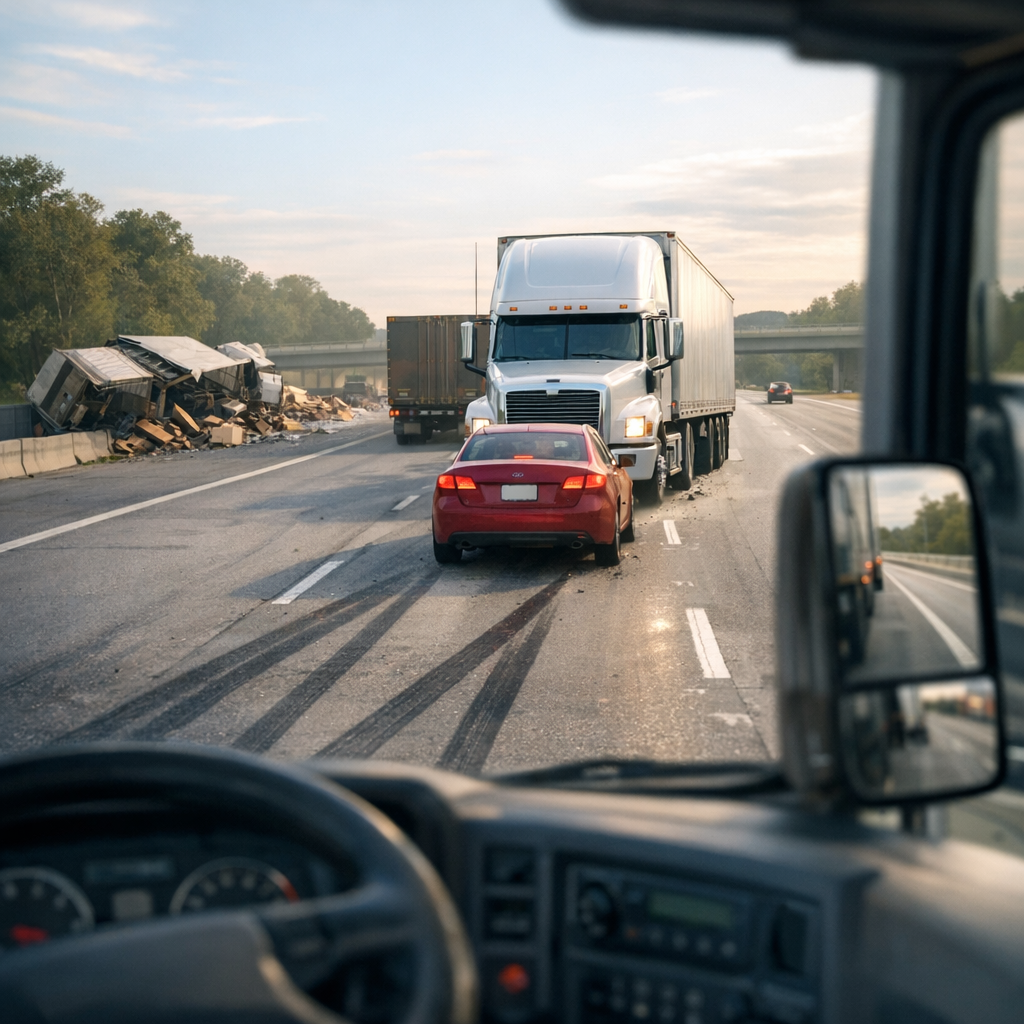
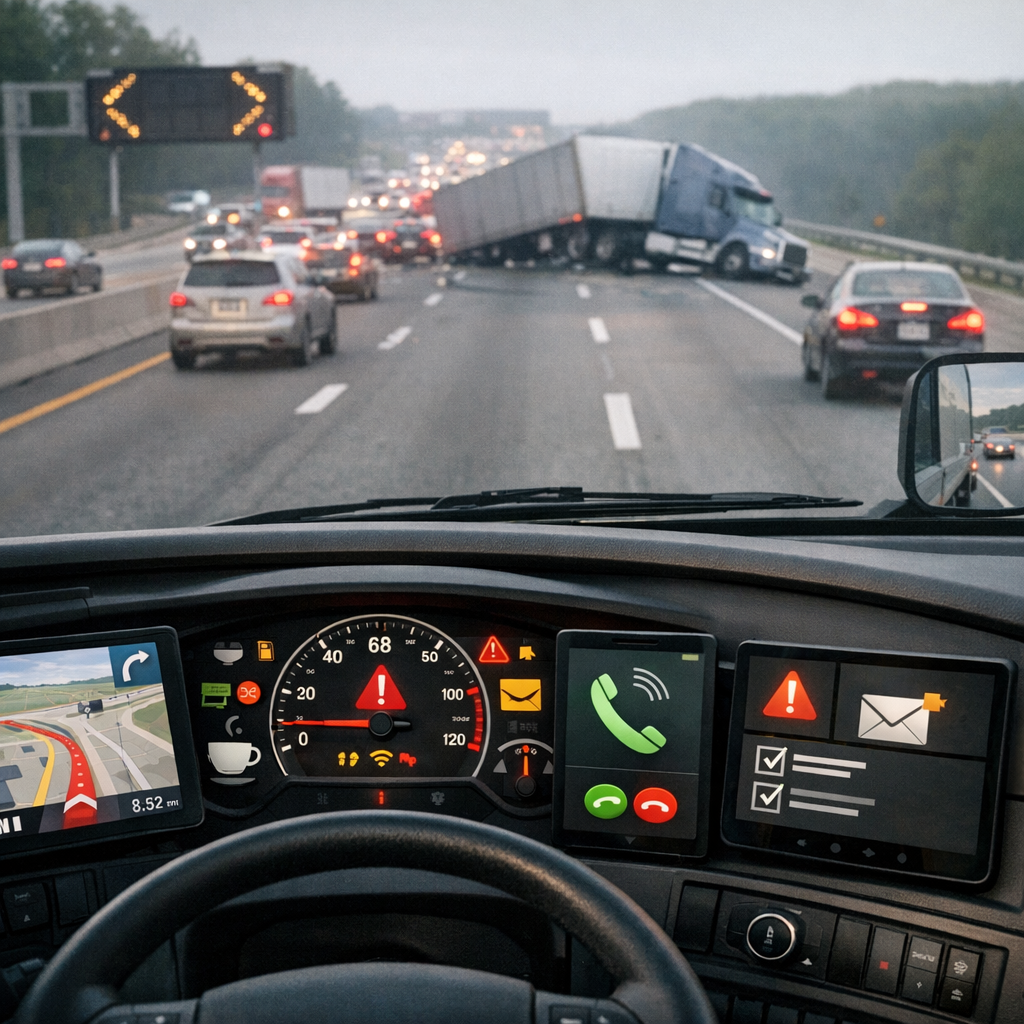
A semi truck jackknife crash often results in traffic delays as the vehicle blocks the roadway. Other drivers need to slow down or stop to avoid the obstruction, which causes congestion. In some cases, emergency responders or tow trucks arrive to clear the scene, potentially requiring lane closures or detours.
Potential Vehicle Damage and Hazards
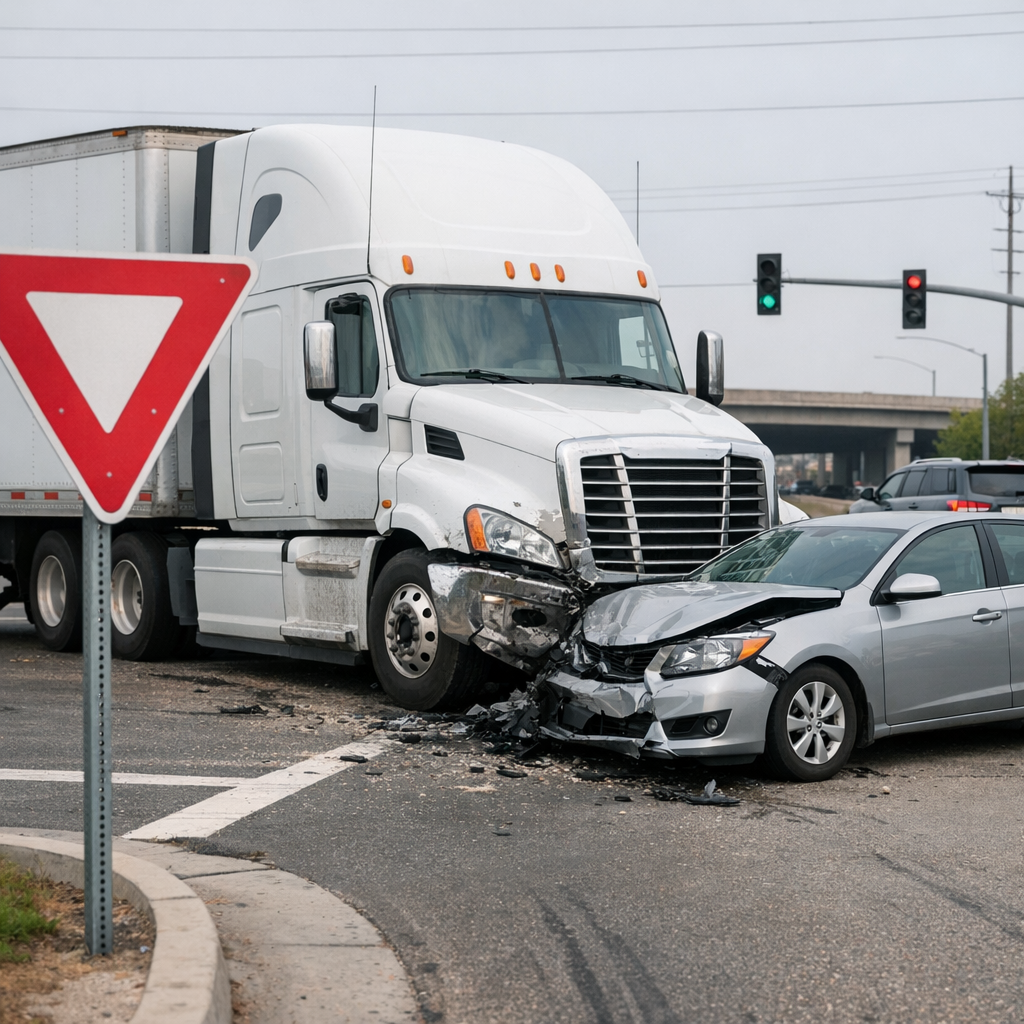
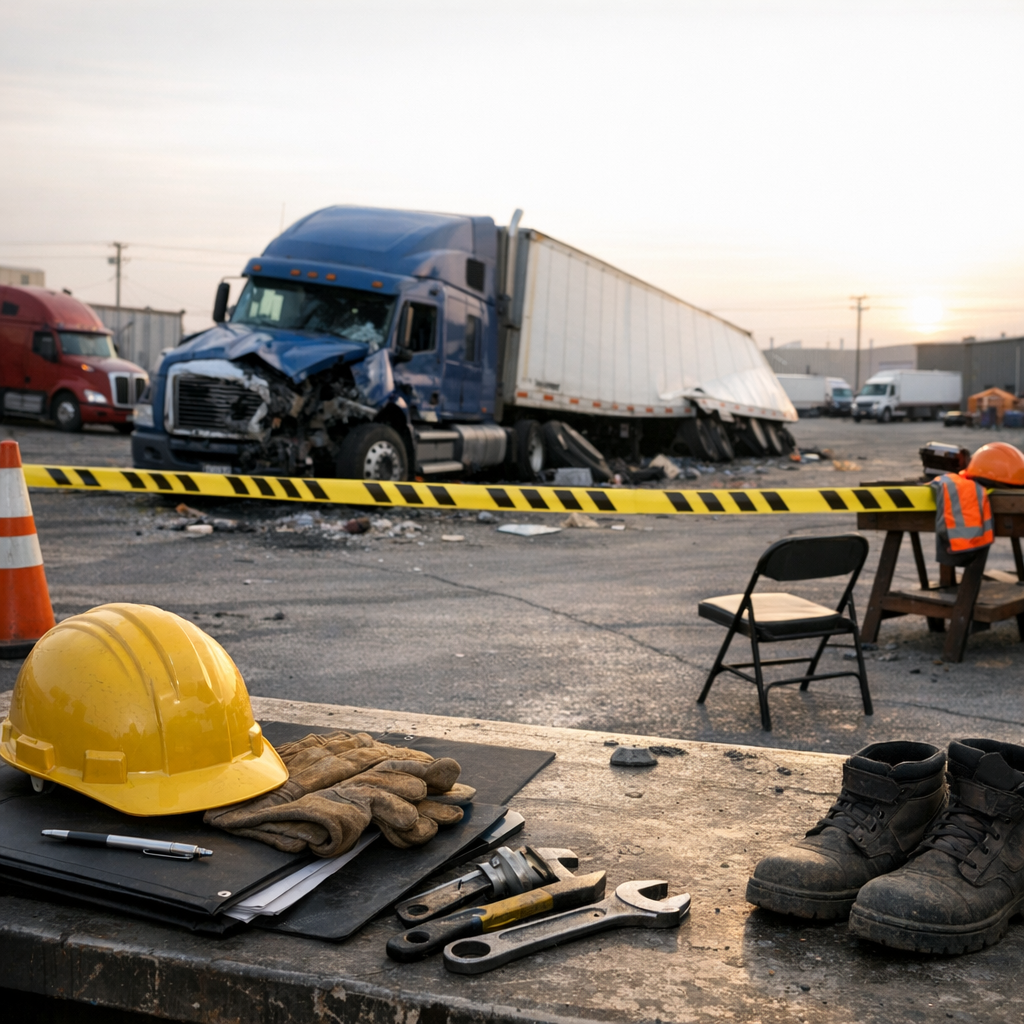
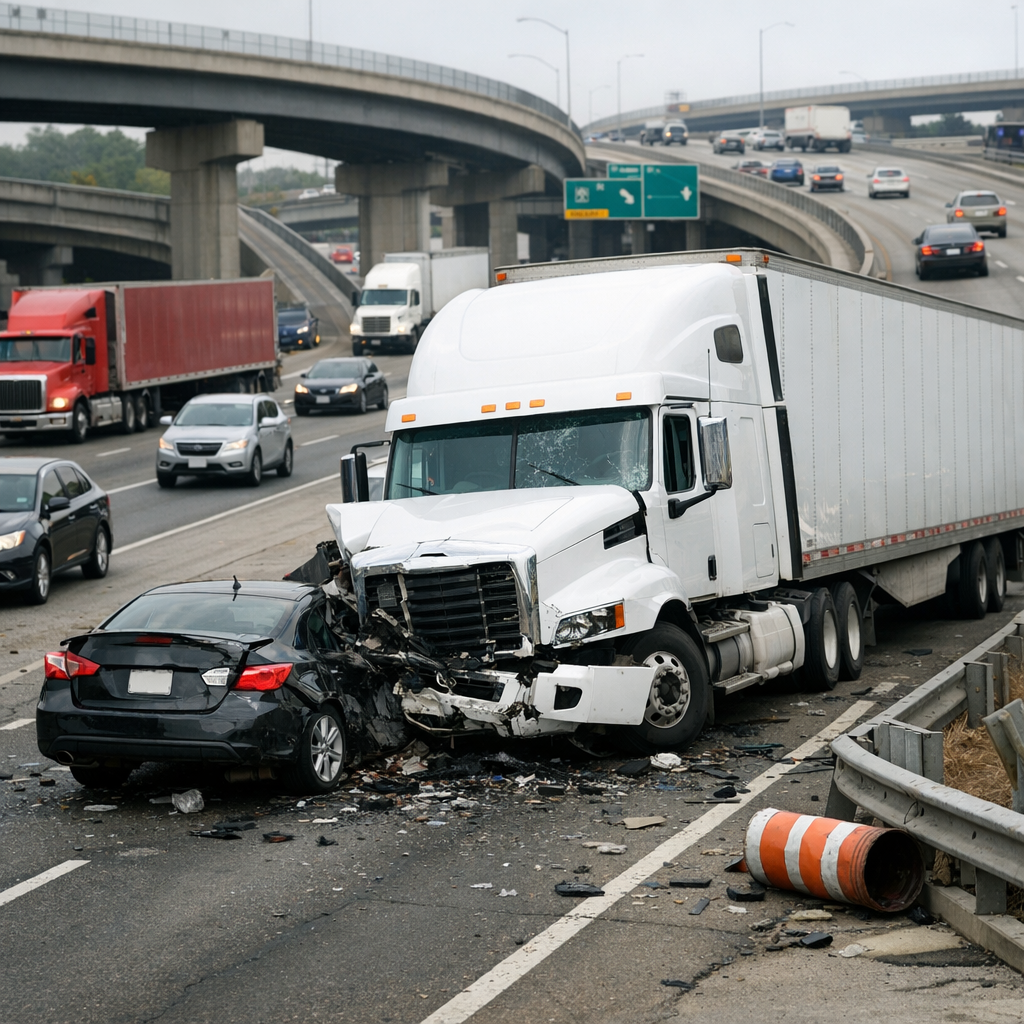
The truck itself may sustain damage to both the tractor and trailer. Depending on the trailer’s contents, there could be additional concerns such as spilled cargo, fuel leaks, or the risk of fire. Other vehicles involved may also suffer damage if caught in the crash or while attempting to avoid the incident.
Roadway Conditions Post-Crash
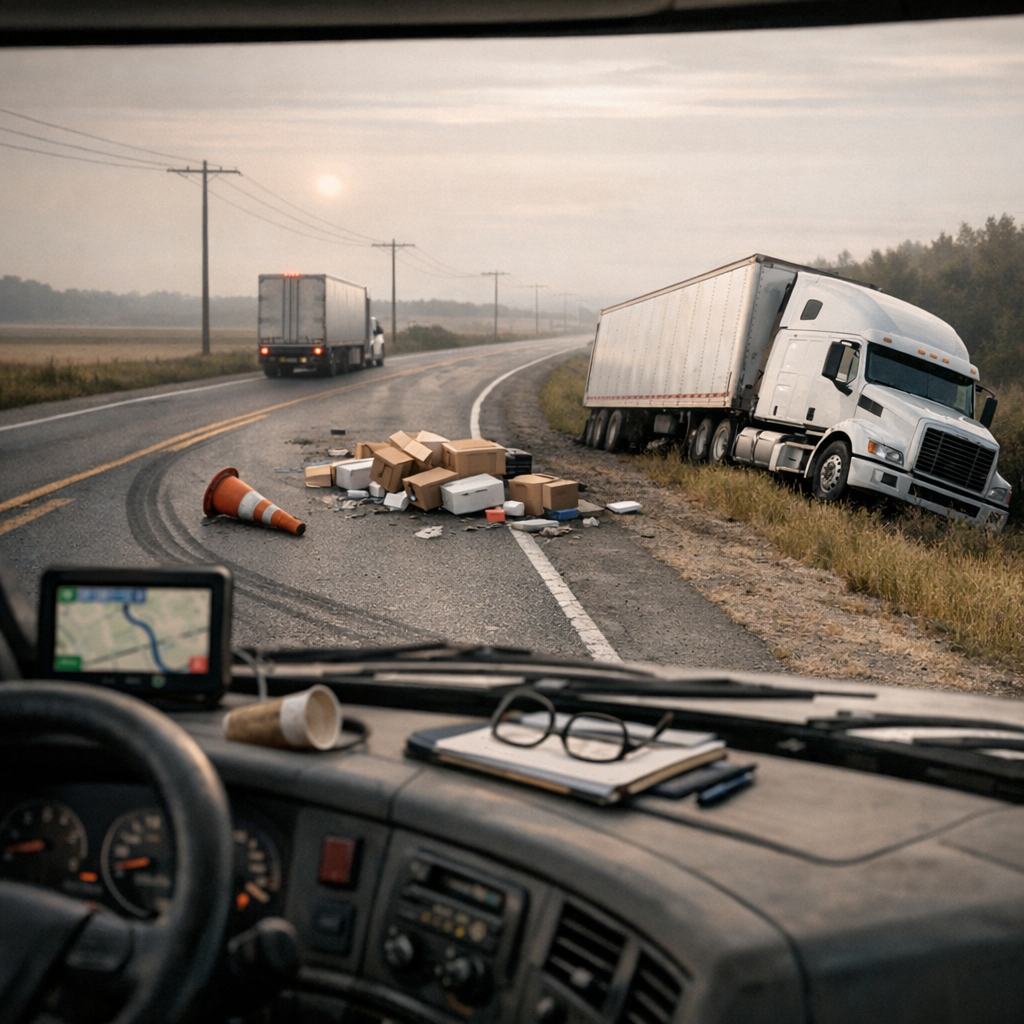
There may be debris on the roadway from the collision or disrupted cargo. Cleanup crews might need to address slick or hazardous surfaces created during the event. This can extend the time before normal traffic flow resumes.
Common Questions About Semi Truck Jackknife Crashes
How Can Drivers Avoid Jackknifing?
Maintaining safe driving practices is essential. This includes reducing speed in adverse weather, allowing greater stopping distance, and avoiding sudden braking. Proper vehicle maintenance and load securement also play critical roles in minimizing risk.
What Should Other Drivers Do if They Witness a Jackknife Crash?
Other drivers are encouraged to stay alert and maintain a safe distance. It’s important to avoid sudden lane changes or abrupt stops near the incident. Remaining calm and following instructions from traffic authorities or emergency personnel can help prevent further accidents.
Are Jackknife Crashes Common?
While these events are relatively rare compared to other types of accidents, semi trucks have a higher risk of jackknifing because of their length and trailer design. Drivers with experience and training specifically on handling large vehicles are better equipped to prevent such crashes.
What Happens to Traffic After the Incident Is Cleared?
After the jackknife is resolved and the road is cleared, traffic usually resumes but may continue to experience slowdowns due to residual congestion. It can take time for traffic patterns to normalize, especially if multiple lanes were impacted or if cleanup was extensive.
Understanding the Impact and Response
Semi truck jackknife crashes are complex incidents that involve vehicle dynamics, road conditions, and traffic management. When they happen, authorities prioritize the safety of all road users while working to return conditions to normal as quickly as possible. Awareness of the causes and outcomes can help drivers better navigate these situations on the road.