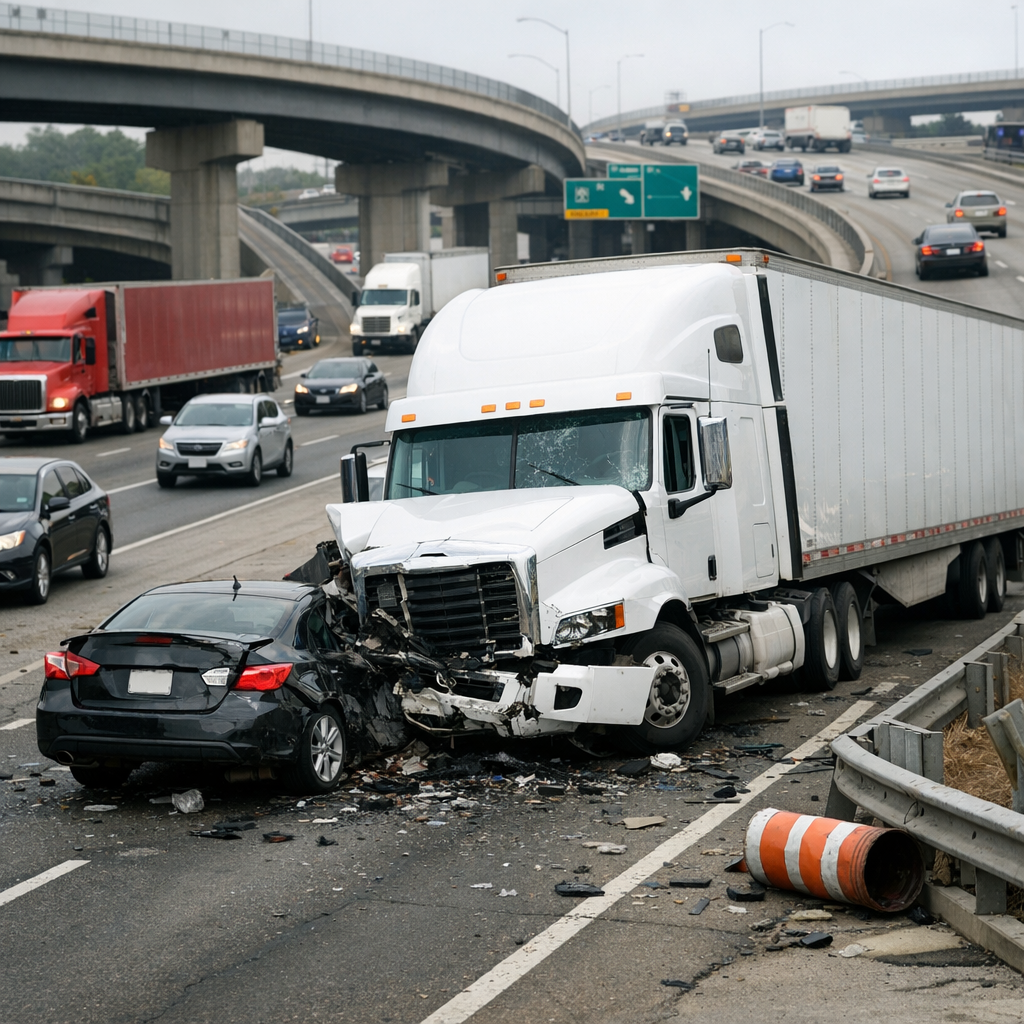

Recovery Plateaus After Truck Accident Treatment
Experiencing a truck accident can lead to a complex and often lengthy medical recovery process. The force involved in such collisions may result in a range of injuries, including fractures, soft tissue damage, and neurological impairments. Medical care following a truck accident is essential for diagnosing the extent of injuries, managing pain, preventing complications, and promoting healing. Healthcare providers work to restore function and mobility, helping individuals regain as much normalcy as possible over time.
Initial Treatment and Early Recovery Steps
Soon after a truck accident, medical professionals focus on stabilizing the patient. This may include emergency interventions to address life-threatening issues or prevent further damage. Imaging tests such as X-rays, CT scans, or MRIs are often employed to identify fractures, internal injuries, or nerve involvement.
Once immediate concerns are addressed, treatment often shifts towards managing pain and facilitating the healing of injured tissues. This phase may involve rest, medication for inflammation and pain relief, as well as the beginning of gentle physical therapy. Physical therapists design exercises geared toward improving range of motion and strength without overtaxing healing tissues.
In some cases, surgery may be necessary to realign fractured bones or repair damaged soft tissues. Postoperative care then includes wound management, careful monitoring for infection, and structured rehabilitation programs to restore function steadily.
Progressing Through Rehabilitation and Recovery
As the initial healing phase concludes, patients typically enter an intensive rehabilitation period. Physical therapy becomes more focused on increasing mobility, rebuilding muscle strength, and retraining movement patterns altered by injury. Occupational therapy might also be incorporated to help with daily activities and regain fine motor skills affected by the accident.
During this time, consistent progress is usually observed. Patients may note improvements in pain levels, functional abilities, and overall endurance. Healthcare teams may adjust therapies based on how the individual responds, introducing new exercises or modalities like hydrotherapy or electrical stimulation to enhance recovery.
Recovery after a truck accident often requires patience and persistence. The body’s natural healing processes, combined with rehabilitative efforts, can gradually restore physical capabilities. However, progress is rarely linear, and fluctuations in recovery speed and symptom severity are common.
Understanding Recovery Plateaus in Truck Accident Healing
One challenging aspect of rehabilitation following a truck accident is encountering a recovery plateau. This plateau refers to a phase where noticeable improvements in strength, mobility, or pain reduction level off or slow significantly.
Several factors can contribute to a recovery plateau truck survivors may experience. The complexity and severity of injuries play a significant role; more extensive damage often requires longer healing times. Scar tissue formation, nerve regeneration limits, or psychological factors such as frustration and decreased motivation may also influence this phase.
A plateau does not necessarily mean that recovery has stopped permanently. Instead, it often reflects the body’s current capacity for healing and adaptation. In some instances, the plateau phase can provide an opportunity for reassessment of treatment strategies. Healthcare providers may explore alternative therapies or focus on maintaining current function while slowly encouraging further gains.
During a recovery plateau, maintaining routine therapeutic activities can be beneficial. Continuing physical and occupational therapy, even when progress seems minimal, supports ongoing engagement of muscles and joints. Gradual modifications to exercise intensity or types of movement might help overcome stagnation by challenging the body in new ways.
Long-Term Recovery and Management
For many individuals, recovery after a truck accident involves long-term management and adaptation. Even after the most active rehabilitation phase ends, some residual effects may persist, including limited range of motion, chronic pain, or fatigue.
In these cases, the focus often shifts to functional maintenance and quality of life. Strategies may include home exercise programs, lifestyle modifications to accommodate any lingering limitations, and regular medical follow-ups to monitor for late complications or new symptoms.
Living with the effects of a truck accident injury can require adjustments and ongoing care. Support from healthcare providers specializing in physical medicine, pain management, or rehabilitation services may play an important role during this phase.
Finding Balance and Patience During Recovery Plateaus
Recognizing and understanding recovery plateaus after truck accident treatment can help set realistic expectations for healing. Progress after serious injury is often gradual and can involve intermittent periods of slower improvement.
Remaining engaged in therapy and focusing on small achievements can support positive outcomes over time. The body’s ability to adapt and respond to treatment might unfold over months or even years, depending on the injury type and individual health factors.
Although recovery may not always follow a straightforward path, maintaining a balanced outlook while working within physical limits can support ongoing rehabilitation efforts. The journey involves continuous adjustment, with patience being an essential part of navigating the complexities associated with recovery plateau truck survivors may face.