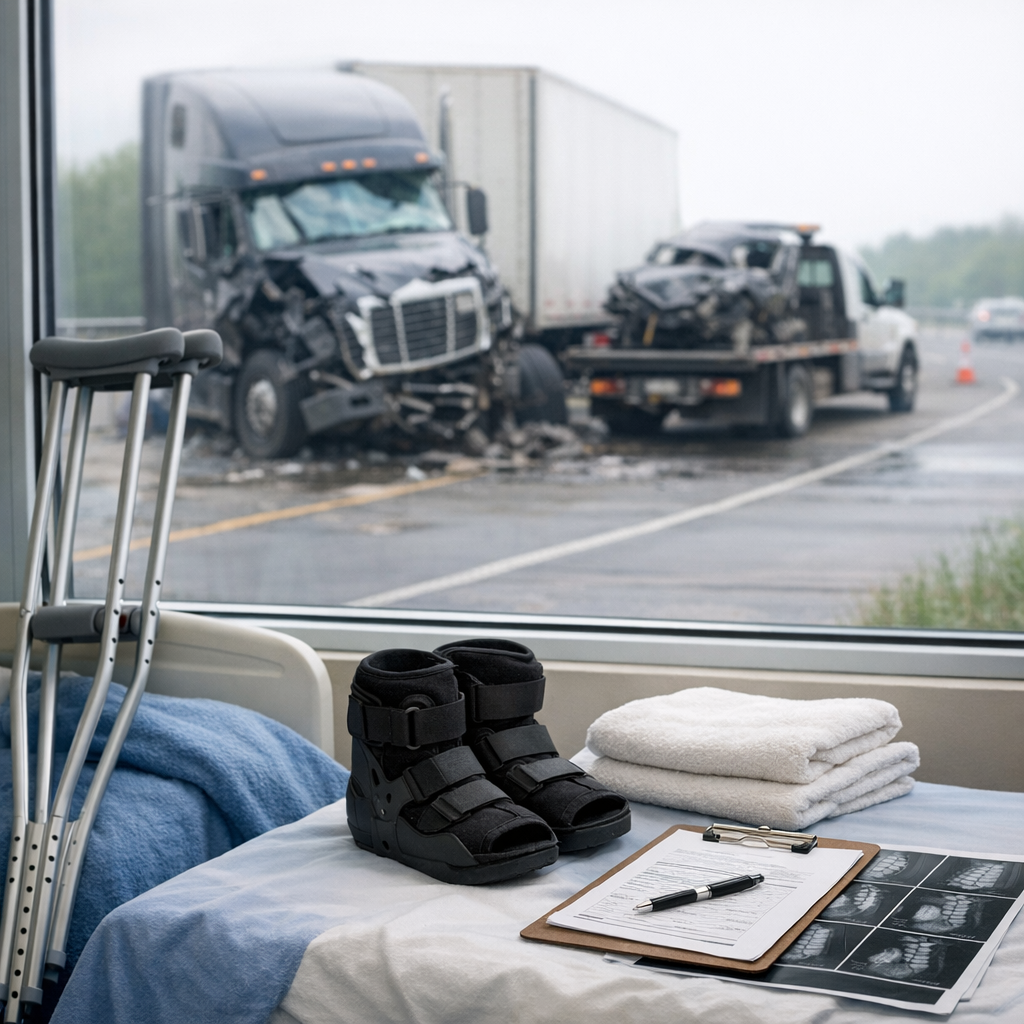
Recovery Expectations After Major Truck Injuries
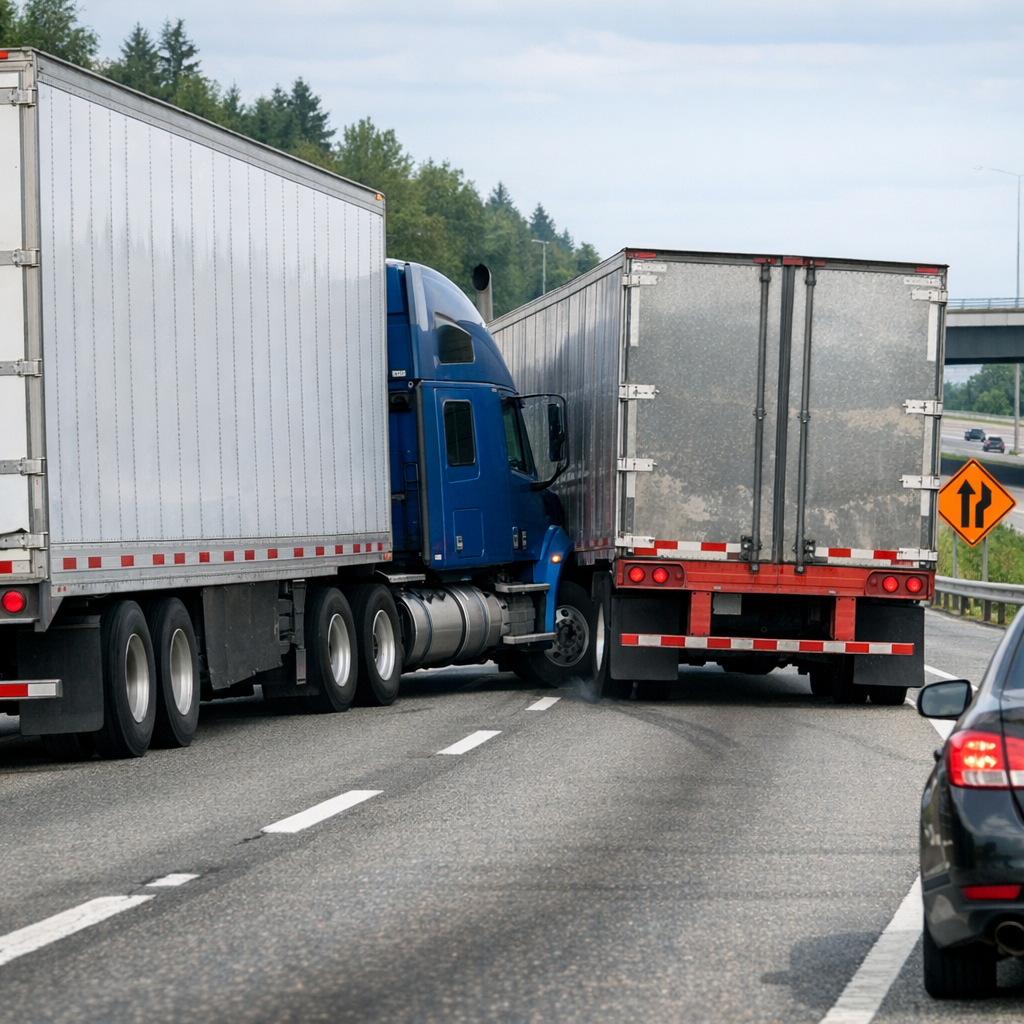
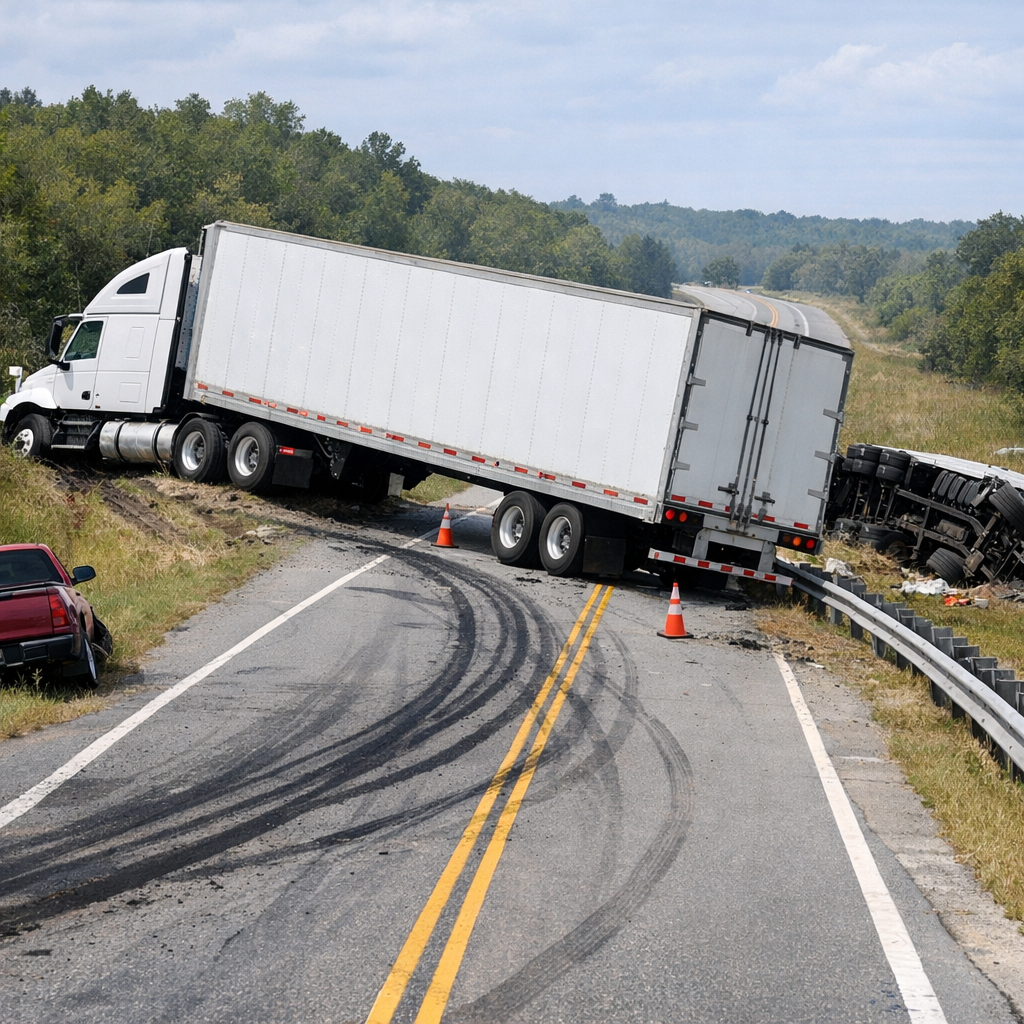
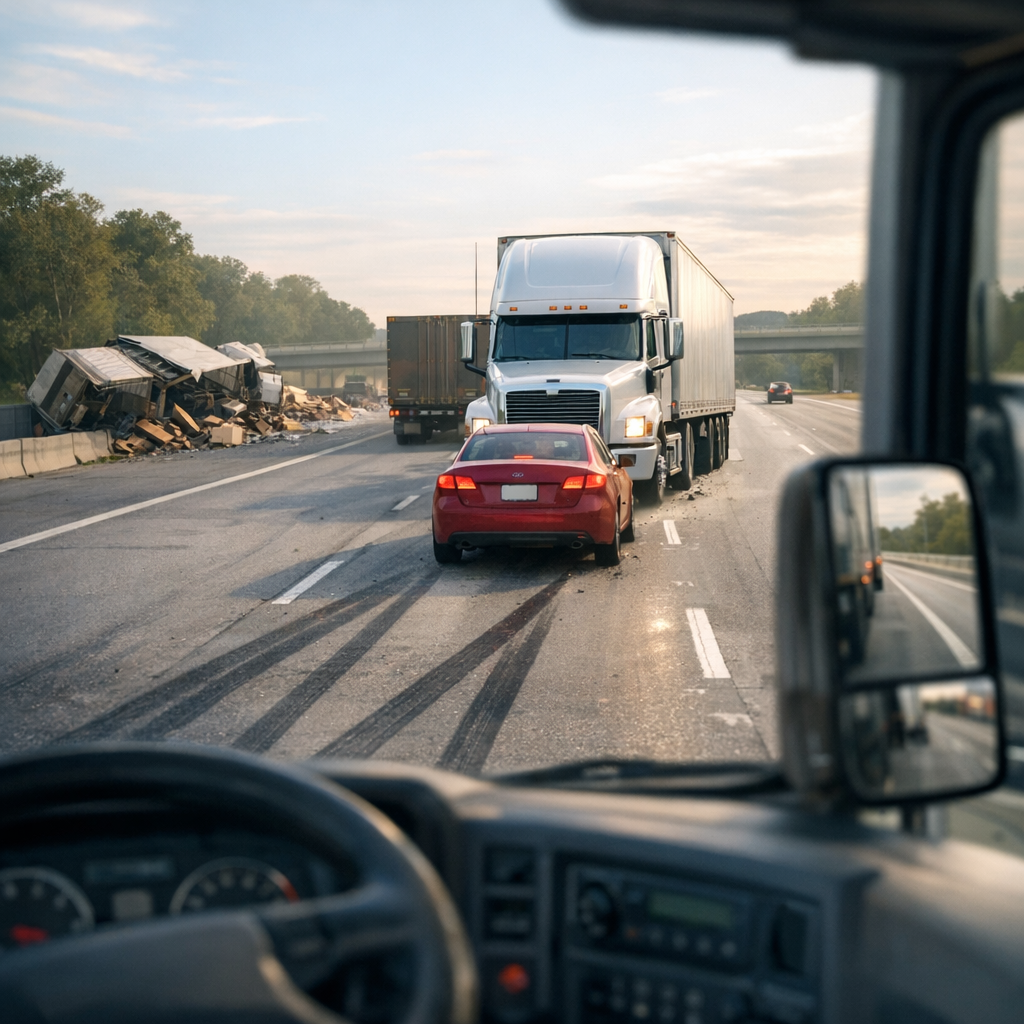
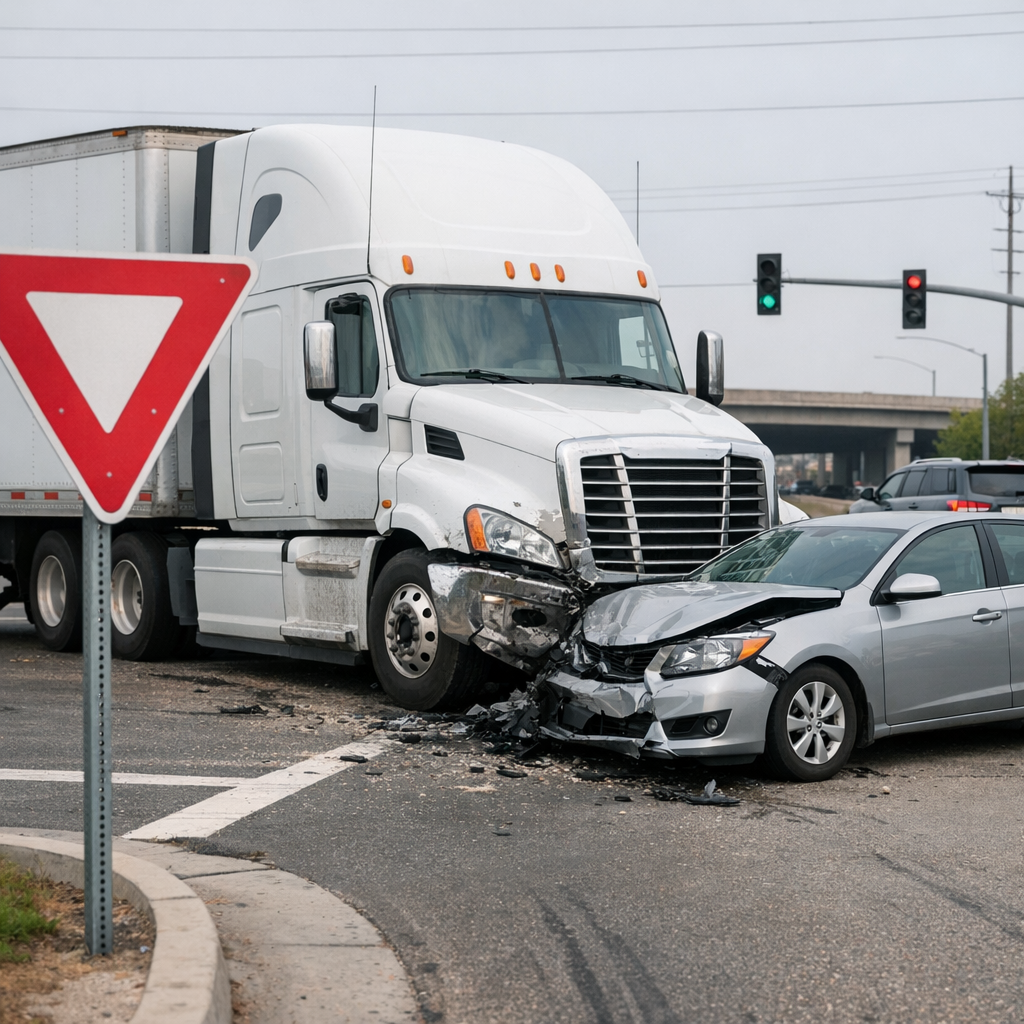
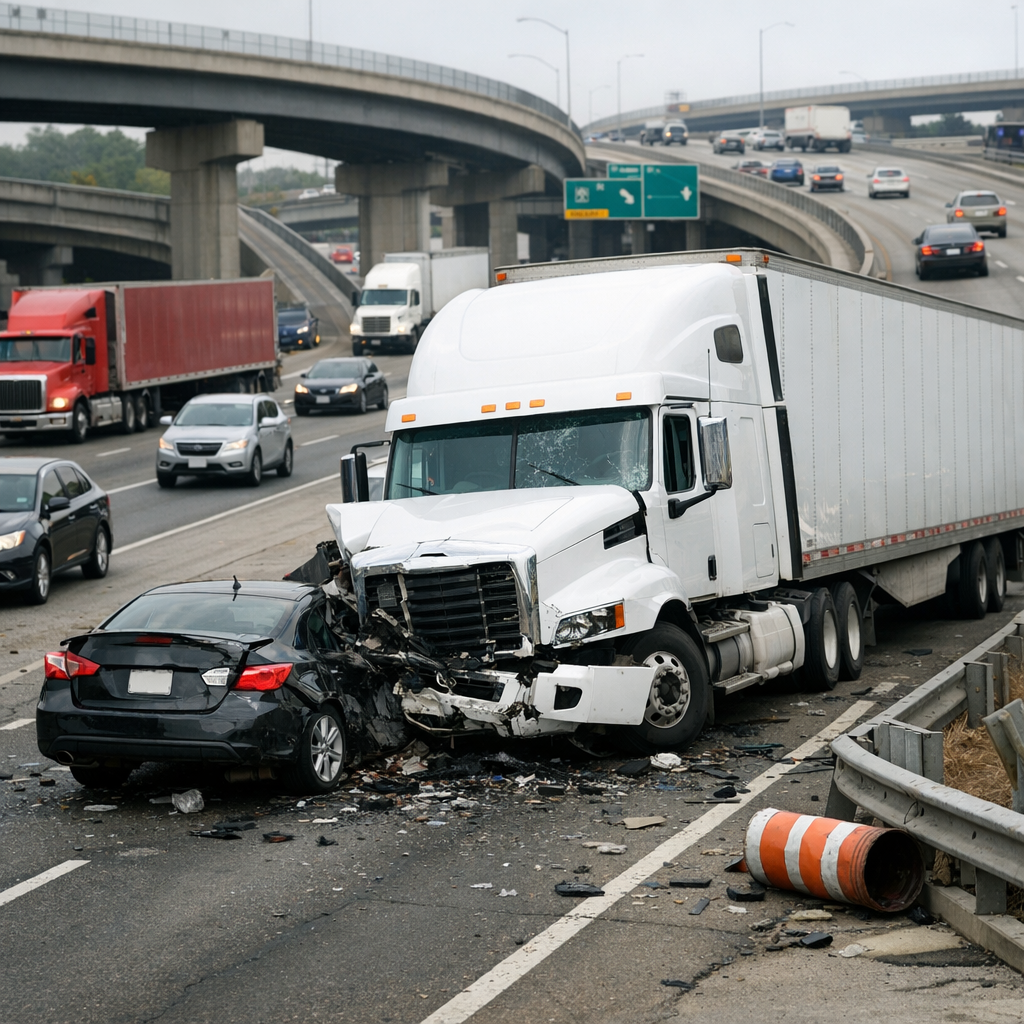
Major truck accidents can result in complex injuries due to the size and weight of commercial vehicles. These injuries often require comprehensive medical care and a structured recovery process. Understanding what to expect during recovery after a significant truck-related injury can help individuals navigate their healing journey with greater clarity and preparation.
Initial Medical Care: Why Immediate Attention Is Important
After a major truck accident, immediate medical assessment is critical, even if injuries are not initially apparent. The force involved in such accidents can cause internal injuries, fractures, or traumatic brain injuries that may not present obvious symptoms right away. Medical professionals conduct thorough evaluations to identify all injuries, stabilize the patient, and begin appropriate treatment. This early phase often involves imaging tests, pain management, wound care, and monitoring for complications such as internal bleeding or organ damage.
Prompt medical attention also helps prevent further harm. For example, immobilization of fractures helps reduce pain and prevents additional tissue damage. In some cases, emergency surgery may be necessary to address life-threatening conditions or to stabilize broken bones. This stage sets the foundation for a recovery pathway tailored to the specific injuries sustained.
Common Treatments and Recovery Steps Following Major Truck Injuries
Recovery from major truck injuries typically involves multiple therapeutic approaches that address both immediate damage and longer-term rehabilitation. Treatment plans vary depending on the nature and severity of the injuries.
Surgical Interventions and Hospital Care
Many patients initially undergo surgery to repair broken bones, damaged organs, or soft tissue injuries. Surgical care may include the use of metal rods, plates, or screws to support bone healing. Post-operative care in a hospital setting ensures wounds are monitored and complications such as infections are minimized.
Physical Therapy and Rehabilitation
After the acute medical phase, physical therapy often plays a central role in recovery. Rehabilitation focuses on restoring mobility, strength, and function to the affected areas. For individuals with spinal injuries, joint damage, or muscle trauma, tailored therapeutic exercises help reduce stiffness and improve coordination over time.
Physical therapy routines may begin with gentle range-of-motion exercises and gradually progress to more intensive strength training. Occupational therapy can also assist with relearning daily tasks that may be affected, such as dressing or cooking.
Pain Management and Medication
Managing pain is an integral part of recovery expectations after truck injuries. Medications may range from over-the-counter pain relievers to prescribed analgesics. Non-drug methods like nerve blocks or transcutaneous electrical nerve stimulation (TENS) might be employed to alleviate discomfort. Careful pain management supports participation in rehabilitation activities and overall healing.
Psychological Support and Adjustment
Major accidents can also impact mental health, leading to anxiety, depression, or post-traumatic stress. Psychosocial support may be incorporated into recovery plans to address these challenges. Counseling and support groups can provide coping strategies and assist individuals in adapting to lifestyle changes following injury.
How Recovery Progresses Over Time
The trajectory of recovery after significant truck injuries is often gradual and can vary widely between individuals. It is typical for recovery to extend over months, and in some cases, years.
Early Weeks: Focus on Healing and Stability
During the first several weeks, the body prioritizes healing damaged tissues. This period often requires rest, limited movement, and close medical supervision. Immobilization devices like casts, braces, or traction may be necessary to protect healing fractures and soft tissues.
Intermediate Phase: Building Strength and Function
Once initial healing occurs, focus shifts to regaining strength and functional ability. Physical and occupational therapy become more active, with exercises tailored to individual goals and limitations. Improvements may be slow and incremental, requiring patience and regular assessment.
Long-Term Recovery: Adjusting to New Abilities
For some, full pre-accident function may not be entirely achievable. Recovery expectations after major truck injuries may include adapting to residual impairments. Assistive devices, home modifications, or vocational rehabilitation may be part of ongoing support. Continual engagement with healthcare providers helps manage chronic symptoms and promote quality of life.
Understanding Recovery Outcomes and Ongoing Care
Recovery from major truck injuries is a multifaceted process involving physical, emotional, and social dimensions. It is often non-linear, with progress varying day-to-day. Maintaining realistic expectations about recovery timelines and potential outcomes can reduce frustration and support mental well-being.
Regular follow-up appointments help monitor healing and adjust treatment plans as needed. In some cases, additional interventions such as secondary surgeries or advanced therapies become necessary. Support systems, including family, friends, and healthcare teams, contribute to resilience and adaptation.
Overall, recovery expectations after truck injuries should reflect the complexity of these events. By understanding typical recovery phases and treatment options, individuals may feel more informed as they move through rehabilitation and beyond.