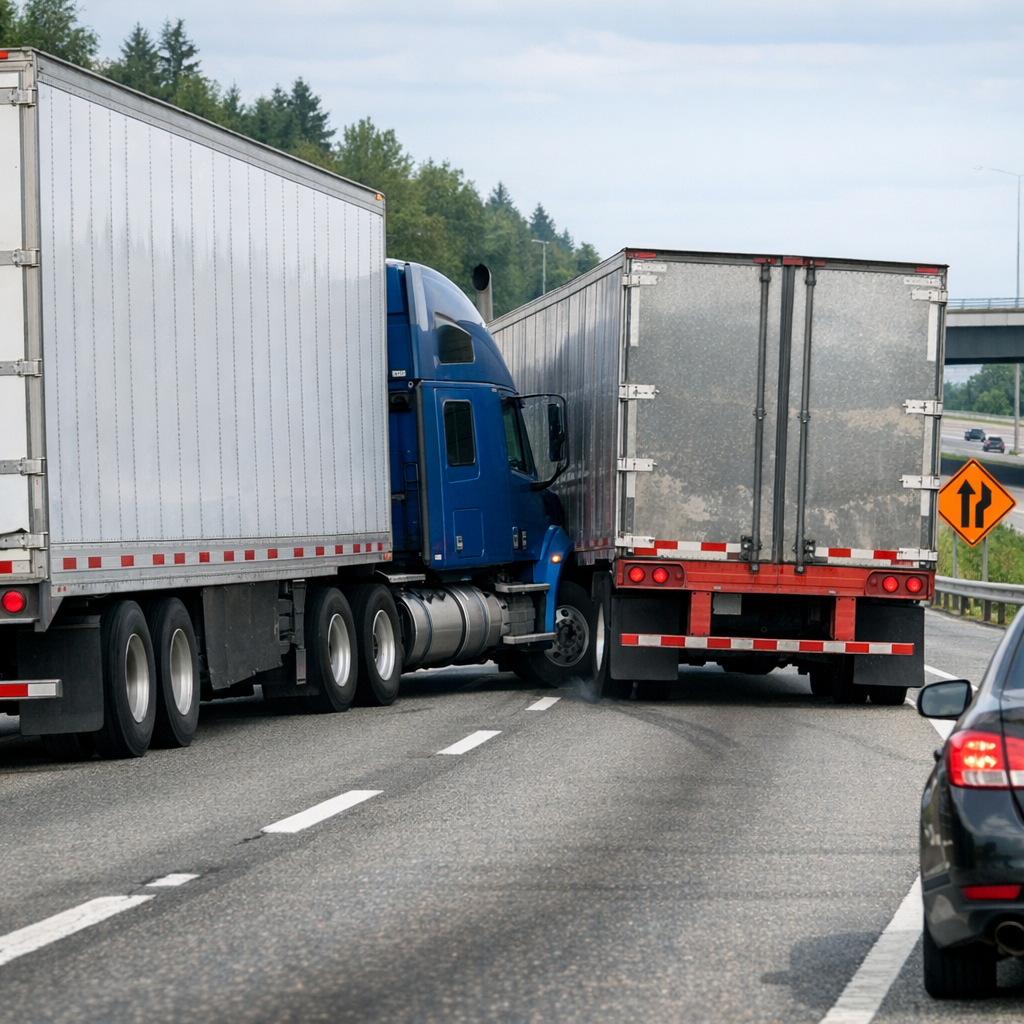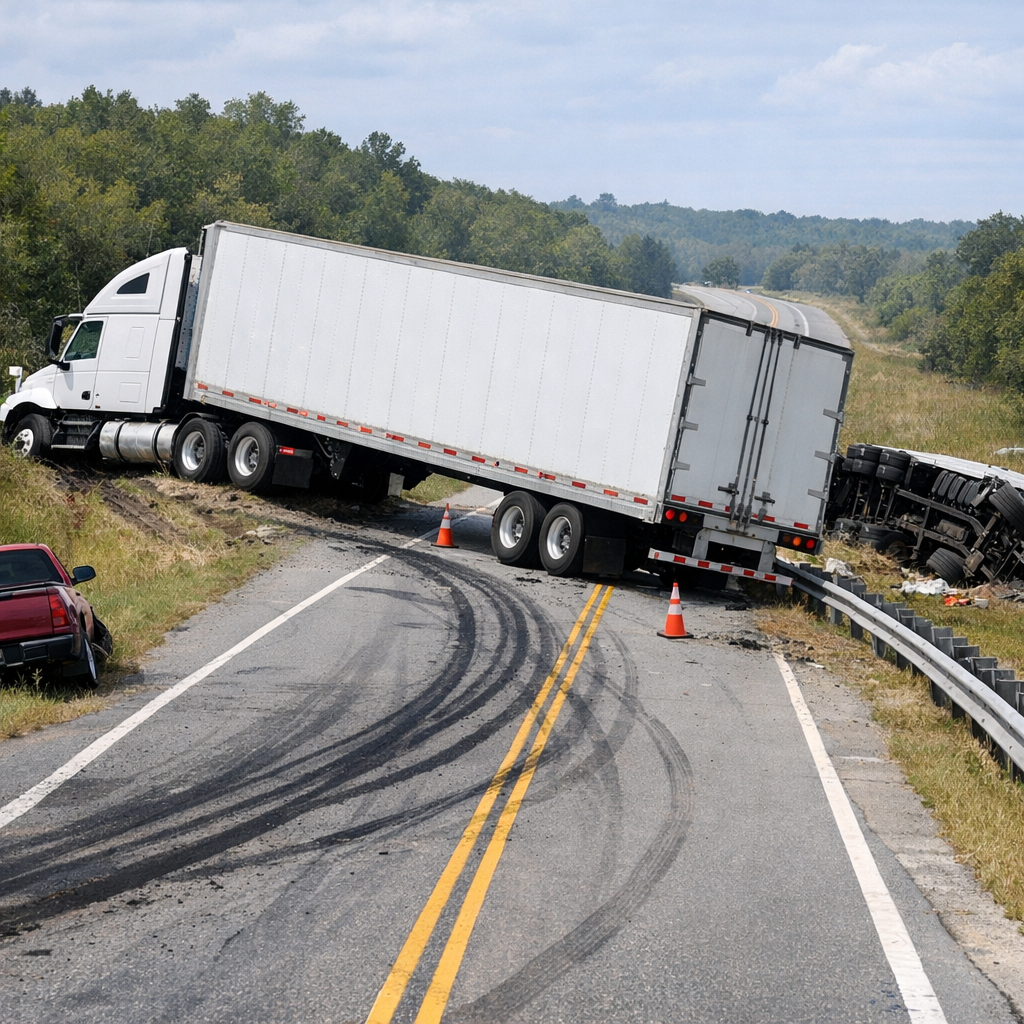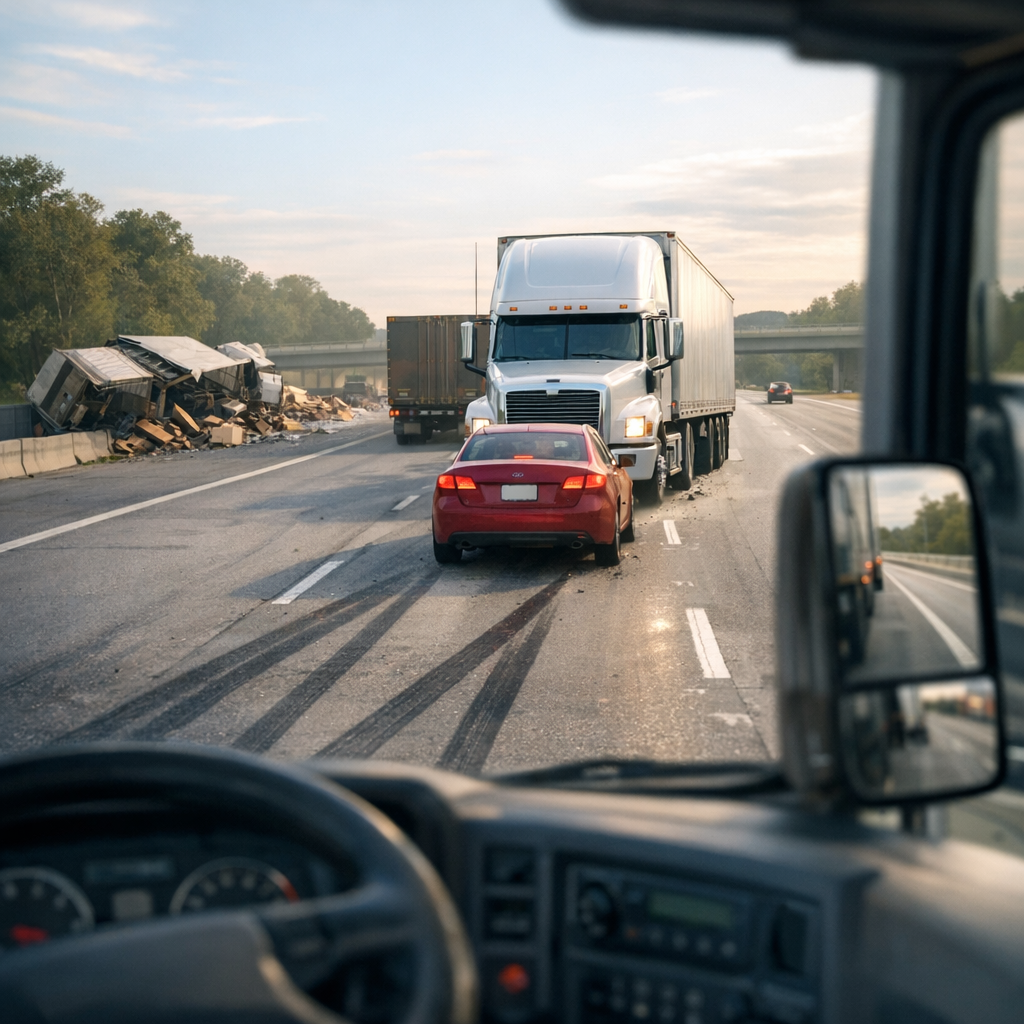
Rear Ended by a Semi in Slow Traffic
Being rear ended by a semi in slow traffic is a situation that can occur unexpectedly and often results in a series of complications. Due to the size and weight of a semi-truck, even a minor collision can have significant effects on the vehicles involved and the people inside.
Understanding what typically happens during and after such an incident can help drivers better prepare for the practical challenges that follow.
The Dynamics of a Collision with a Semi in Slow Traffic
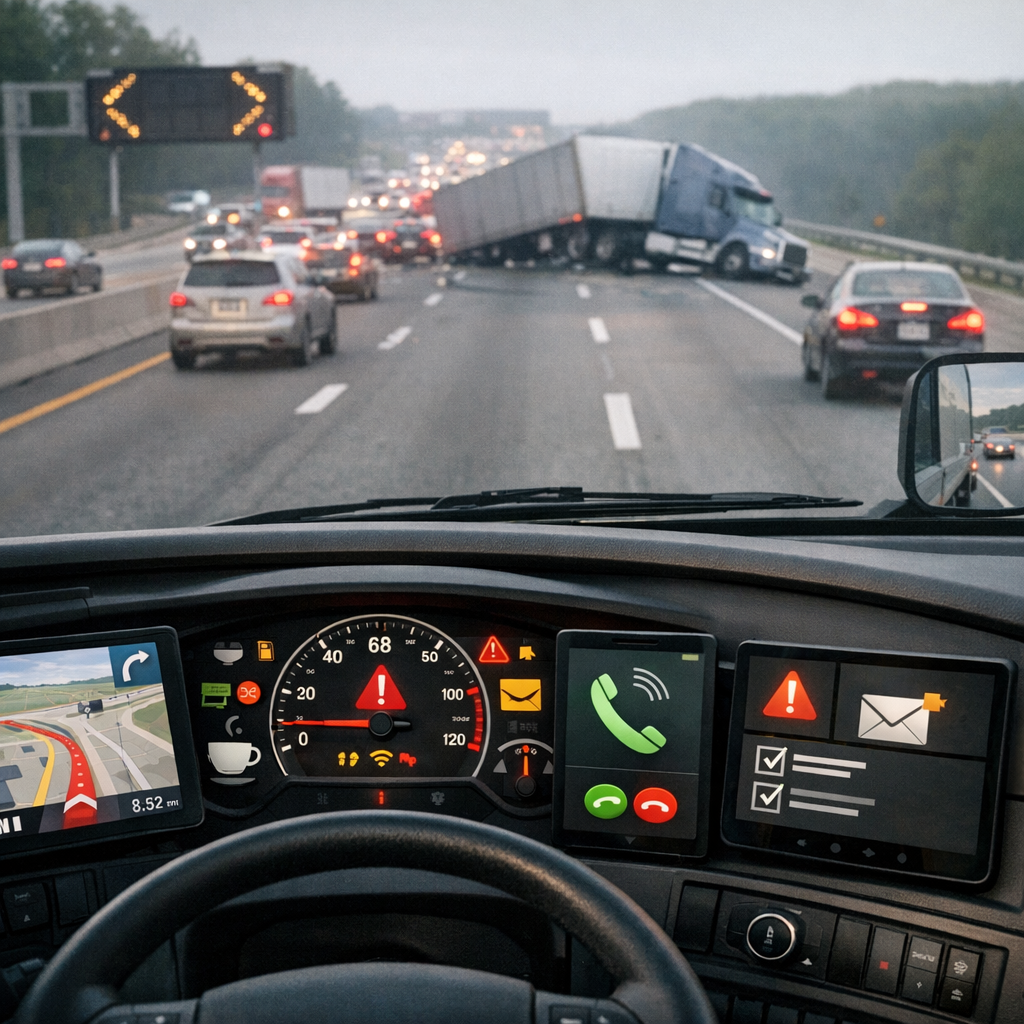
When traffic is moving slowly or comes to a stop, it reduces the reaction time for all drivers. This environment can lead to a semi-truck rear ending another vehicle if the driver is unable to stop in time.
Impact Differences Compared to Regular Rear-End Collisions
Semis have a much greater mass than passenger vehicles, which means the force exerted during a collision is considerably higher. Even at low speeds, the momentum of the truck can cause substantial damage.
Typical Damage to Vehicles After Being Rear Ended by a Semi
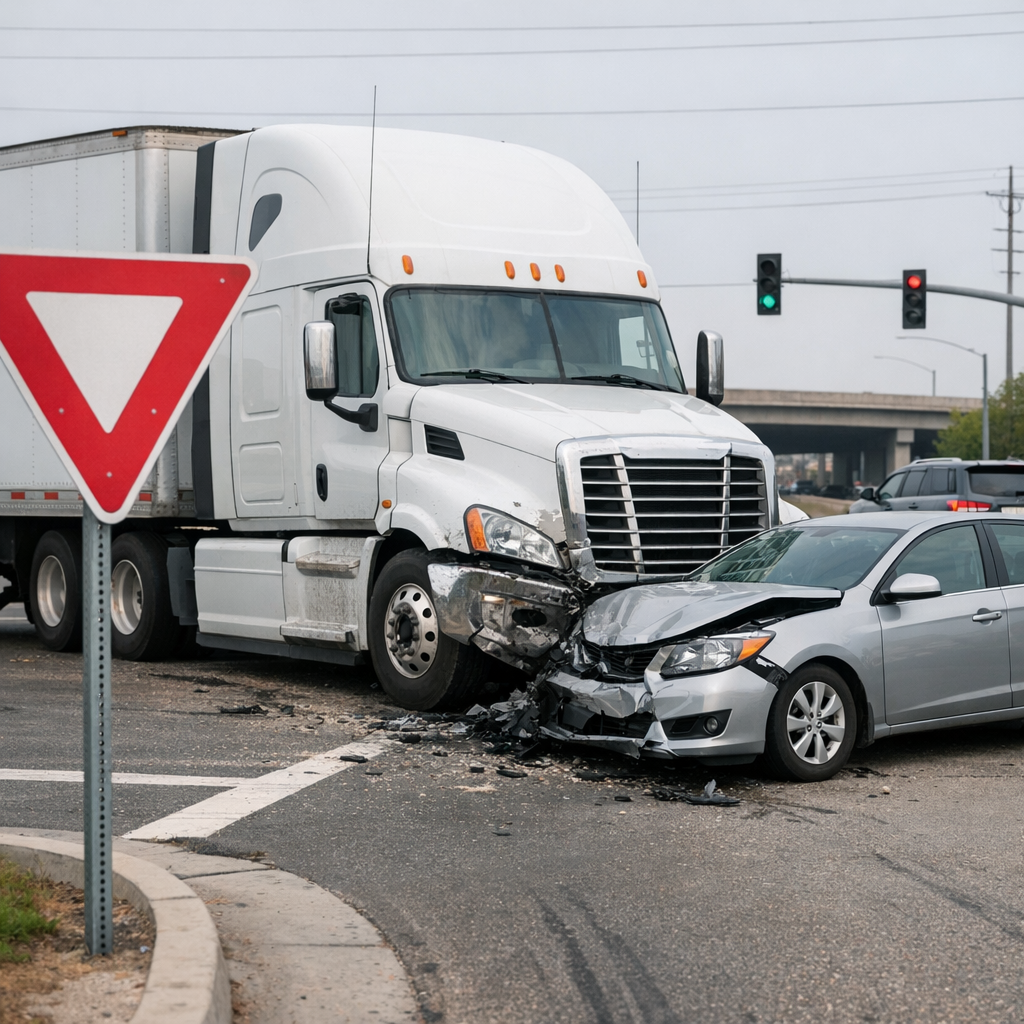
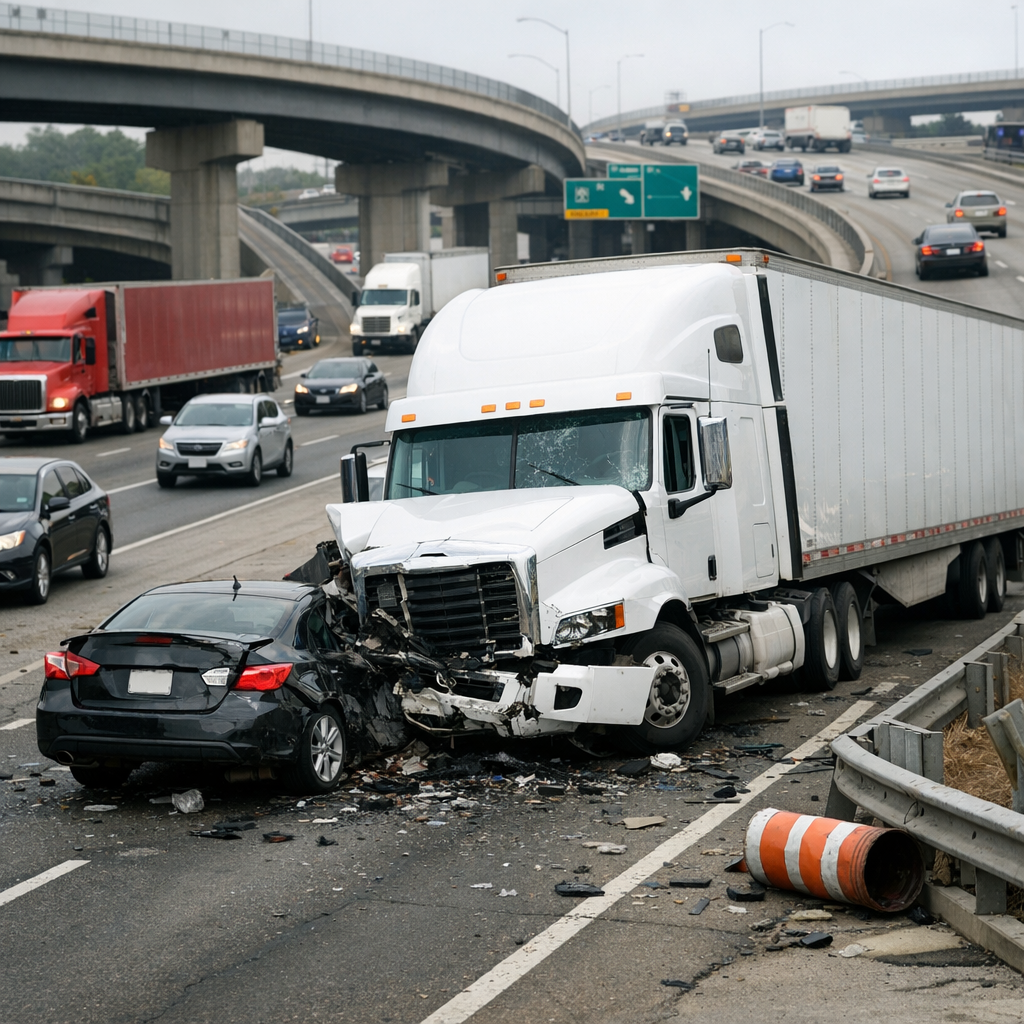
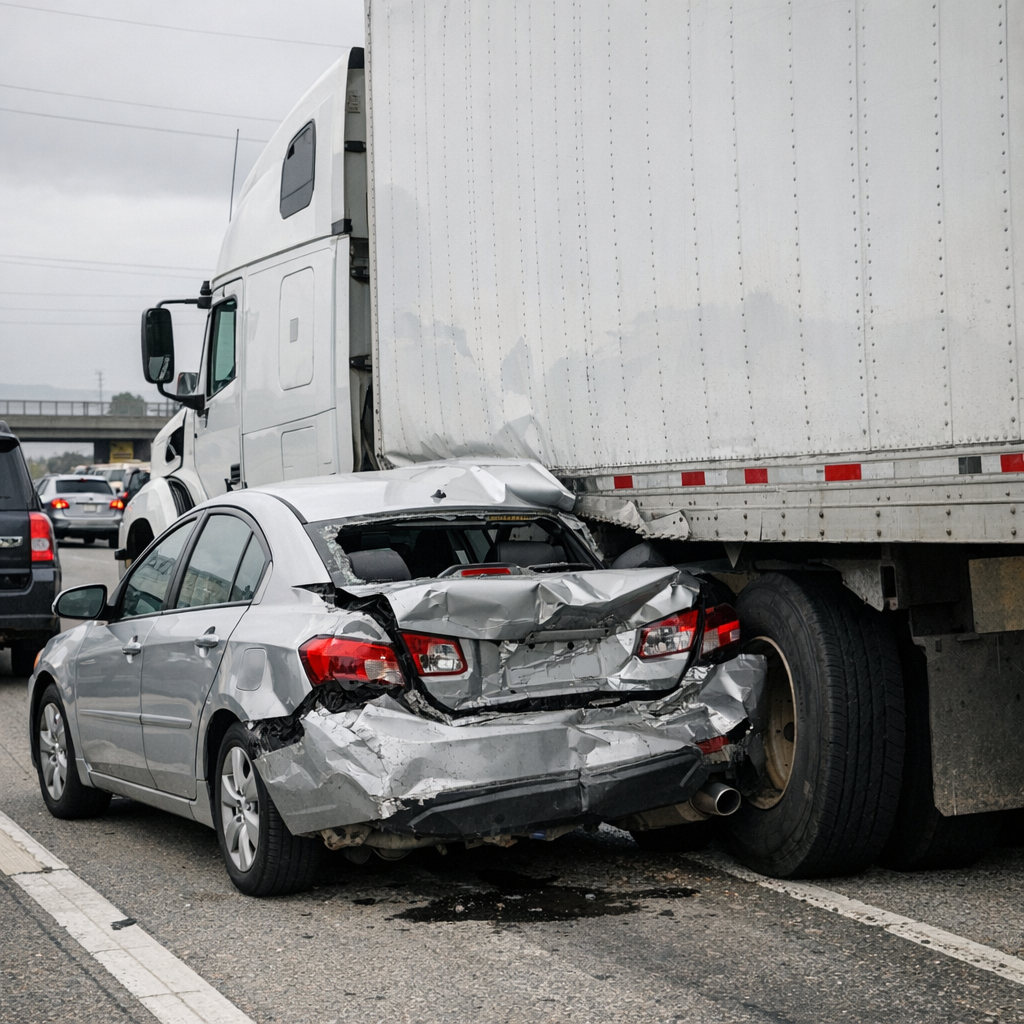
The rear vehicle, often a smaller passenger car or SUV, usually sustains major damage to the rear and sometimes structural components. The truck itself may show less apparent damage due to its size and build.
Common Physical Reactions Following Such Incidents
People involved in low-speed collisions with large trucks might experience a range of physical outcomes.
Immediate Sensations and Possible Minor Injuries
Even slow-speed impacts can cause whiplash or bruising. The sudden jolt can strain muscles in the neck and back.
When Symptoms May Not Appear Right Away
It is common for some symptoms, like stiffness or headaches, to develop hours or even days after the impact.
The Role of Safety Measures During the Crash
The use of seat belts and properly adjusted headrests can influence the severity of physical discomfort following the collision.
Practical Considerations After Being Rear Ended by a Semi
Once the collision has occurred, drivers are often faced with multiple practical challenges to address in slow traffic conditions.
Handling Vehicle Damage and Traffic Disruption
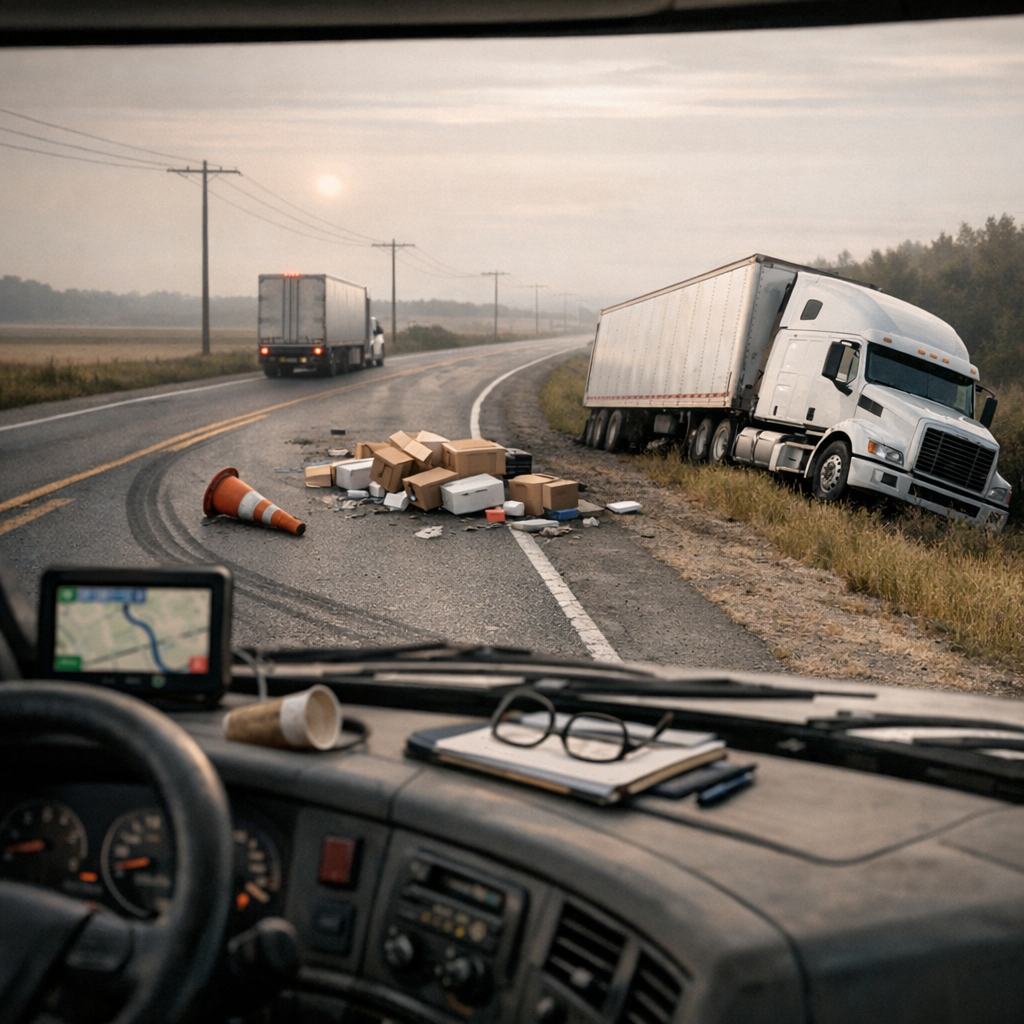
Depending on the level of damage, vehicles may need to be moved from the roadway for safety. Slow traffic can quickly build up behind the scene, affecting many other drivers.
Arranging for Towing or Vehicle Inspection
If the damaged vehicle is not drivable, contacting roadside assistance or a towing service might become necessary.
Collecting Information and Documenting the Scene
It is helpful to take note of the semi-truck’s identifying details and any relevant observations of the accident. Photographs of the scene can be useful for future reference.
Questions About Safety and Vehicle Performance Post-Collision
After being rear ended by a semi in slow traffic, drivers often wonder how the collision might affect their vehicle and overall safety.
Can Vehicle Controls Be Impacted?
Damage to the rear can sometimes lead to issues with the trunk, rear lights, or even alignment that affects handling.
When to Have a Professional Inspection
If unusual noises or changes in driving behavior appear, a mechanic should assess the vehicle as soon as possible.
What Are Common Concerns About Driving After This Type of Accident?
Many drivers feel cautious or uncertain about driving immediately after the collision due to unexpected vehicle reactions or personal discomfort.
Understanding the Steps to Take Following the Incident
Rear ended by a semi in slow traffic presents a scenario requiring calm and methodical handling.
Moving Forward After a Low-Speed Collision
Drivers should focus on assessing the situation safely, checking on everyone’s well-being, and ensuring the roadway is secure to avoid further incidents.
Monitoring Health and Vehicle Condition Over Time
Paying attention to any delayed physical symptoms and addressing vehicle issues promptly helps maintain safety in the days and weeks following the collision.