Physical Therapy After Truck Accidents
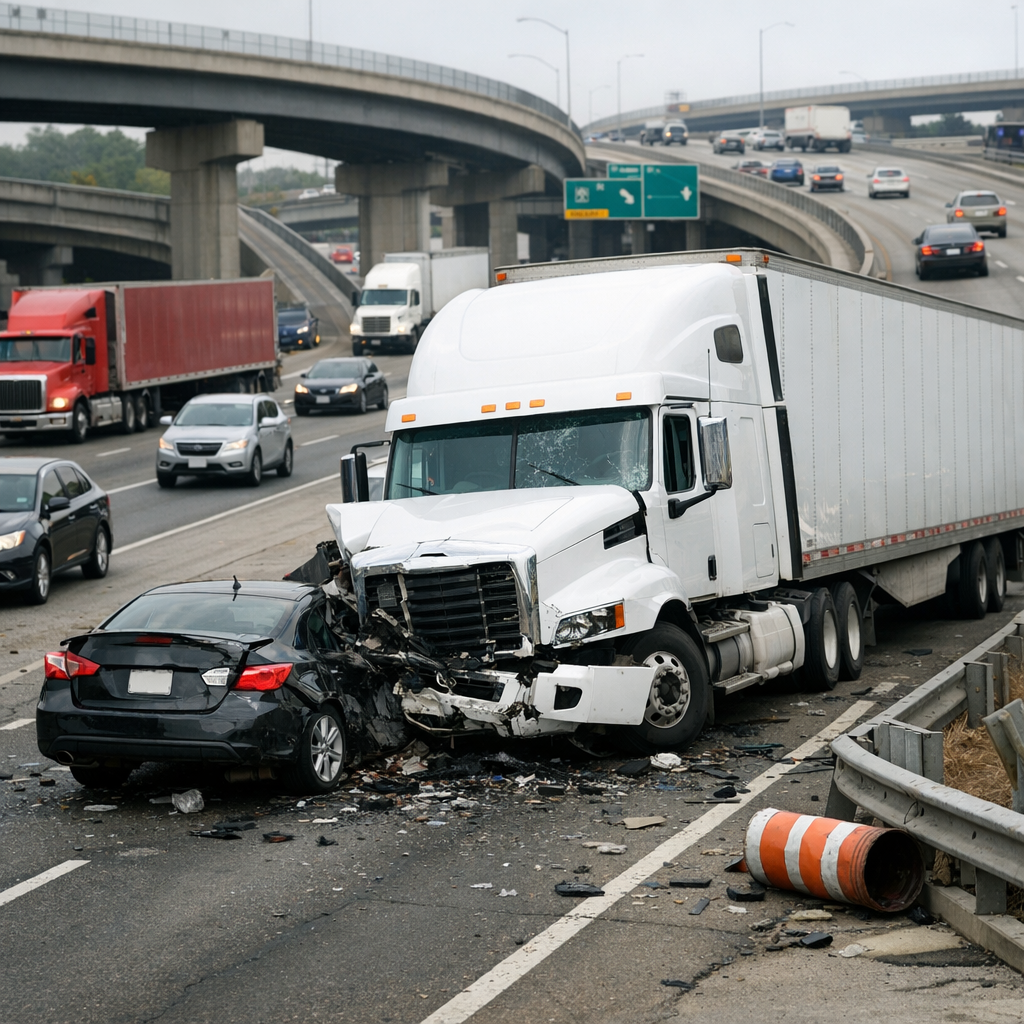
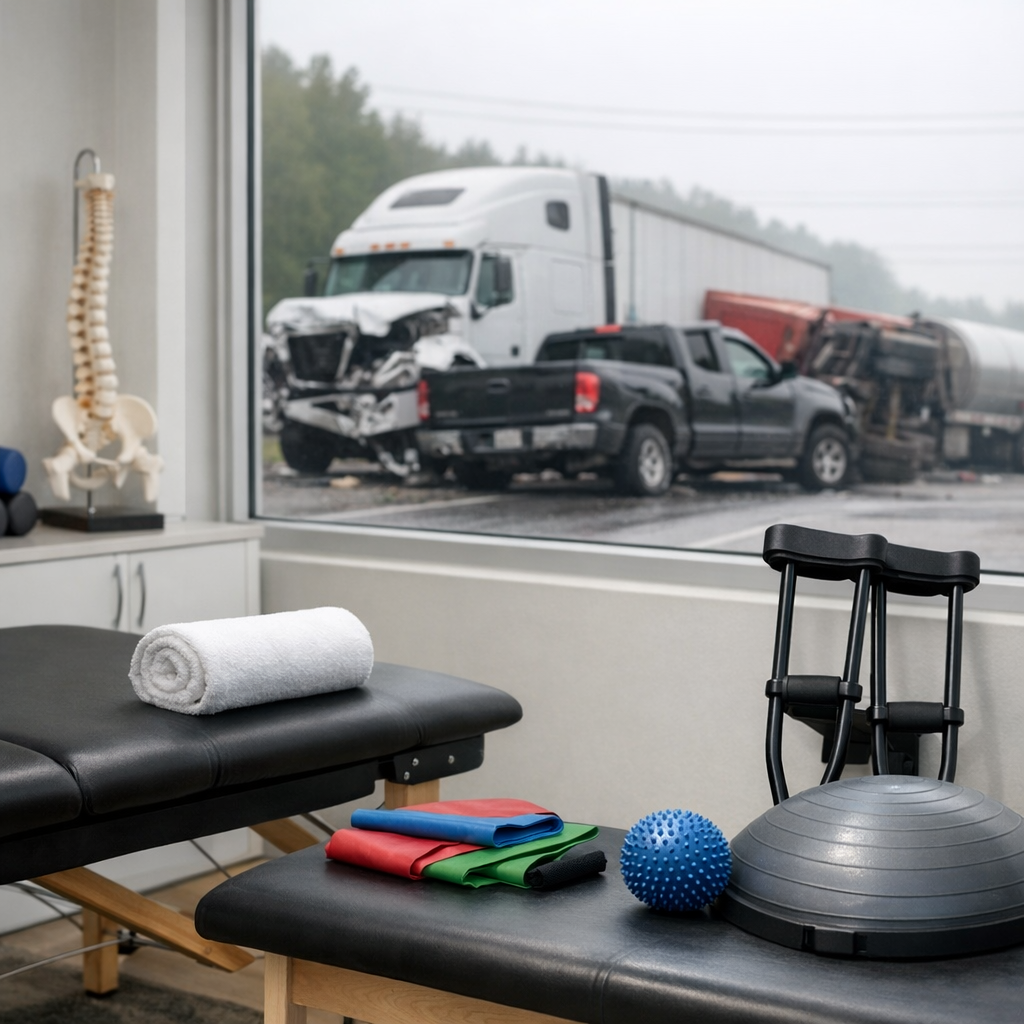
Truck accidents often involve significant forces that can lead to complex injuries. These injuries can affect muscles, joints, bones, and nerves, requiring careful and structured medical attention. Physical therapy is frequently an important component in the recovery process, helping individuals regain mobility, strength, and function after such incidents. Understanding how physical therapy fits into recovery after a truck accident can provide insight into the medical care typically involved.
Why Medical Care Is Important After a Truck Accident
The impact of a truck accident can cause a variety of injuries, ranging from minor strains and sprains to more severe conditions such as fractures, ligament tears, and traumatic brain injuries. Due to the large size and weight of commercial trucks, accidents often result in sudden, forceful trauma. Even if injuries don’t seem severe initially, underlying damage to soft tissues or internal structures might require professional evaluation and treatment.
Early medical care aims to diagnose injuries accurately, manage acute symptoms like pain and inflammation, and prevent complications. In many cases, physical therapy becomes part of a comprehensive treatment plan following the initial acute phase, addressing functional impairments that persist beyond initial healing.
Imaging studies and clinical examinations play a key role in identifying specific injury patterns from truck accidents. Based on these findings, healthcare providers can tailor rehabilitation programs to support recovery without exacerbating injuries.
Common Treatments and Recovery Steps in Physical Therapy After Truck Accidents
Physical therapy following a truck accident typically begins after the initial injury has been stabilized and medically managed. The therapy focuses on restoring movement, reducing pain, and rebuilding strength in affected areas. Rehabilitation plans may vary significantly depending on the type and severity of injuries sustained.
Initial Phase: Managing Pain and Inflammation
In the early stages, physical therapy often emphasizes gentle techniques designed to control pain and reduce swelling. Therapists might use modalities such as ice or heat, soft tissue mobilization, and passive range of motion exercises. These treatments can help maintain joint flexibility without placing stress on healing tissues.
Physical therapists also educate patients on posture and body mechanics to avoid positions that might exacerbate injury. Protecting injured areas while encouraging appropriate movement is a delicate balance during this phase.
Intermediate Phase: Regaining Mobility and Strength
Once pain and inflammation have been reduced, therapy generally progresses toward active exercises. This stage often includes stretching to improve flexibility and strengthening exercises to rebuild muscle supporting injured joints or structures.
The exercises performed are typically tailored to address specific deficits identified during assessment. Improving core strength, for example, may be a focus if back or spinal injuries occurred. Balance and coordination exercises might be added if vestibular or neurological symptoms are present.
Therapists may introduce functional activities that simulate everyday movements or work-related tasks, helping patients prepare for gradual return to normal activities.
Advanced Phase: Restoring Function and Preventing Re-Injury
As recovery continues, therapy sessions may incorporate more dynamic and sport- or work-specific training. Emphasis shifts toward higher-level strengthening, endurance training, and neuromuscular control.
This phase aims to restore confidence and functionality to a pre-accident level or as close to it as possible. Patients might engage in activities that challenge agility, coordination, and strength in more realistic environments.
Physical therapy also focuses on educating patients about long-term injury prevention strategies and ergonomic considerations to minimize the risk of future problems.
How Recovery Can Progress Over Time
Physical therapy recovery after a truck accident can vary widely depending on factors such as injury severity, patient age, overall health, and consistency with rehabilitation protocols.
Early Weeks: Gradual Improvement in Comfort and Mobility
During the first few weeks, improvements might be modest but important. Patients often experience decreasing pain and increasing ability to perform basic movements. Adherence to prescribed therapy activities is important to avoid stiffness and joint dysfunction.
One to Three Months: Increased Strength and Function
Within the first few months, most individuals can expect to regain significant strength and range of motion. Therapy may focus more intensively on tasks that improve day-to-day functioning, such as walking, lifting, or sitting comfortably for extended periods.
Therapists continuously reassess progress and adjust exercises to align with recovery milestones.
Several Months to a Year: Return to Normal Activity Levels
Long-term recovery can extend beyond several months, especially if surgery or complex injuries were involved. Over this period, patients often achieve near-complete restoration of previous functional abilities.
In some cases, certain symptoms such as aching or stiffness may persist, but therapy can help minimize their impact on quality of life.
Ongoing exercises and lifestyle modifications might be recommended to maintain gains achieved during physical therapy.
Understanding the Recovery Journey with Physical Therapy
Recovering from a truck accident is often a gradual and multifaceted process that benefits from a coordinated approach between medical providers and physical therapists. Physical therapy plays a valuable role by emphasizing movement restoration, strength building, and functional rehabilitation.
The focus of physical therapy after such accidents remains on supporting healing tissues while progressively challenging the body to regain its abilities. Progress is generally steady but may include periods of slower advancement depending on the complexity of the injuries.
Awareness of typical recovery stages and therapy goals can help set realistic expectations during rehabilitation. By attending therapy sessions and following prescribed exercises, patients contribute actively to their own recovery process.
While the timeline and specifics vary, physical therapy offers a structured method to face the challenges presented by injuries sustained in truck accidents. It aims to restore optimal function and improve quality of life in a safe and effective manner.