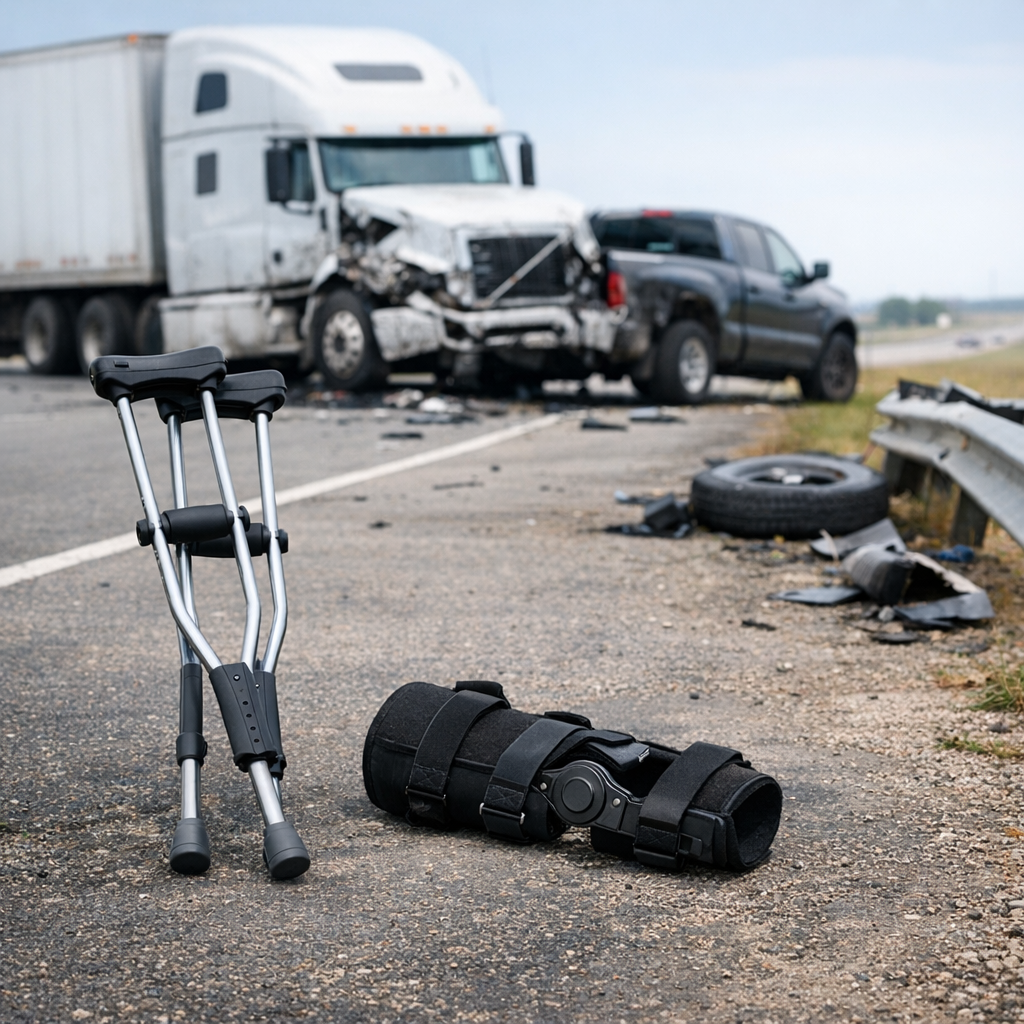
Physical Limitations Following Truck Accidents
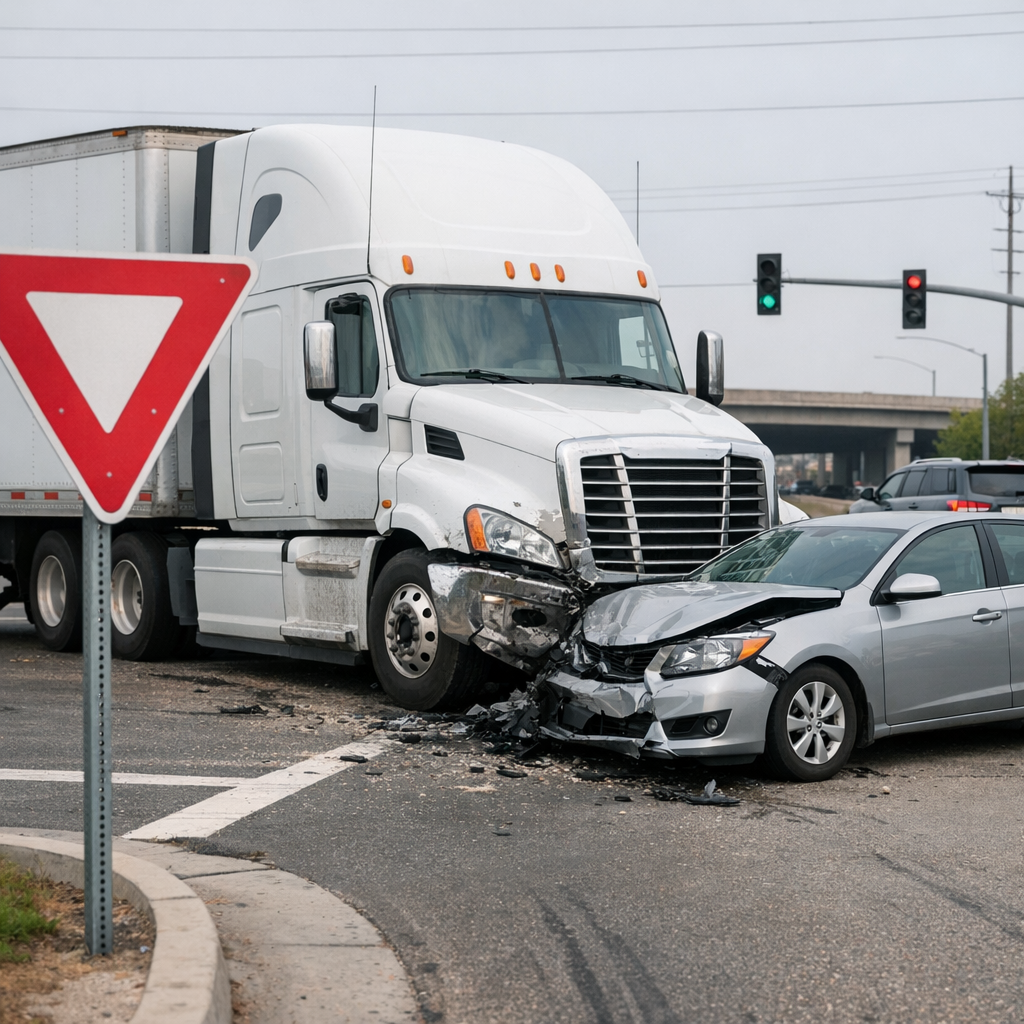
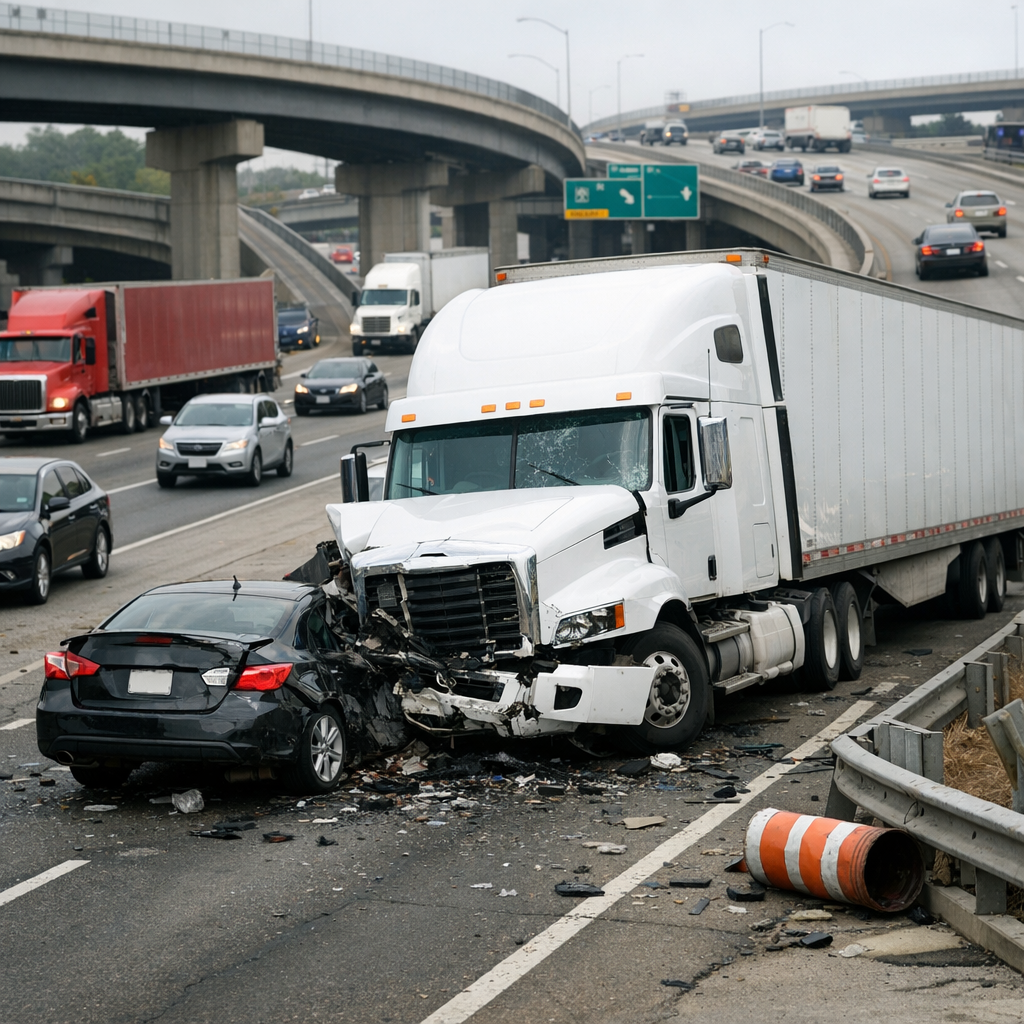
Truck accidents often result in significant physical injuries due to the size and weight of commercial vehicles. These injuries can lead to various physical limitations that affect survivors in multiple ways. Understanding the nature of these outcomes can provide insight into the challenges faced by individuals after such incidents.
Types of Physical Limitations After Truck Accidents
Physical limitations following truck accidents can vary widely depending on the severity of the accident and the injuries sustained. Commonly, these limitations stem from musculoskeletal injuries such as fractures, dislocations, and soft tissue damage. More severe cases may involve spinal cord injuries, traumatic brain injuries, or nerve damage.
Muscle weakness, restricted range of motion, and chronic pain are frequent outcomes. Joint stiffness or deformities can occur if fractures involve bones critical to movement. In some cases, amputations result from traumatic injuries or surgical interventions, leading to permanent loss of function in affected limbs.
Impact on Daily Activities Over Time
The physical limitations that develop after a truck accident can have a long-term effect on everyday life. Tasks that once seemed simple, such as walking, climbing stairs, or lifting objects, may become challenging or impossible. Physical fatigue might increase as the body compensates for affected areas, contributing to decreased endurance in daily routines.
Over time, some individuals experience gradual improvements as healing progresses or through physical rehabilitation. However, for others, limitations may become permanent if nerve damage or chronic conditions like arthritis develop. This permanence can require adjustments to personal habits and living environments to accommodate reduced mobility or strength.
Daily self-care activities such as dressing, bathing, and cooking may require adaptations or assistance. Even standing or sitting for prolonged periods can be difficult due to pain or muscle weakness. Leisure activities and participation in social or professional roles can also be limited, affecting overall lifestyle.
Concerns Related to Physical Limitations After Truck Accidents
Physical limitations often give rise to ongoing concerns regarding independence and quality of life. Individuals may be worried about maintaining their ability to care for themselves or perform essential tasks without help. Concerns about managing pain and preventing further injury are common.
There can also be apprehension about the future progression of physical issues. Injuries sustained in a truck accident sometimes predispose individuals to chronic health problems such as neuropathy or joint degeneration. Uncertainty regarding long-term functional outcomes can create a sense of instability.
Accessibility is another concern, as physical limitations may require modifications to living spaces, vehicles, or workplaces. Adjusting to new physical constraints can involve challenges in navigating environments designed for full mobility. This adaptation process varies widely among individuals depending on the nature and extent of their limitations.
Considerations Regarding Ongoing Physical Challenges
Living with physical limitations from truck accidents involves a complex range of experiences. It is important to recognize that physical outcomes can differ considerably between cases. Some individuals recover significant function over time, while others may face permanent restrictions.
The relationship between physical injury and psychological experience is multifaceted. Physical limitations may influence emotional well-being, and mental health factors can, in turn, impact physical recovery efforts. Individuals often find that monitoring symptoms and gradually adapting to new physical realities is a continual process.
Rehabilitation and ongoing medical care may be components of managing physical outcomes. However, physical limitations sometimes persist despite interventions. Understanding these potential long-term effects aids in anticipating challenges associated with function and mobility.
Summary of Physical Limitations Following Truck Accidents
Physical limitations following truck accidents represent a range of outcomes that affect movement, strength, and daily functioning. These limitations arise from various injuries, including musculoskeletal damage and nerve impairment. Over time, such physical challenges influence personal routines and capabilities in numerous ways.
Concerns related to independence, pain management, and future health development are common but vary individually. Adaptation to physical constraints often involves gradual adjustments in lifestyle and environment. The spectrum of recovery and ongoing challenges is broad, emphasizing the diverse nature of post-accident physical outcomes.
Understanding the characteristics of physical limitations associated with truck accidents can provide a clearer perspective on the potential effects sustained by those involved. This awareness contributes to a more informed view of the complexities surrounding life after such incidents.