
Pain Management After Semi Truck Crashes
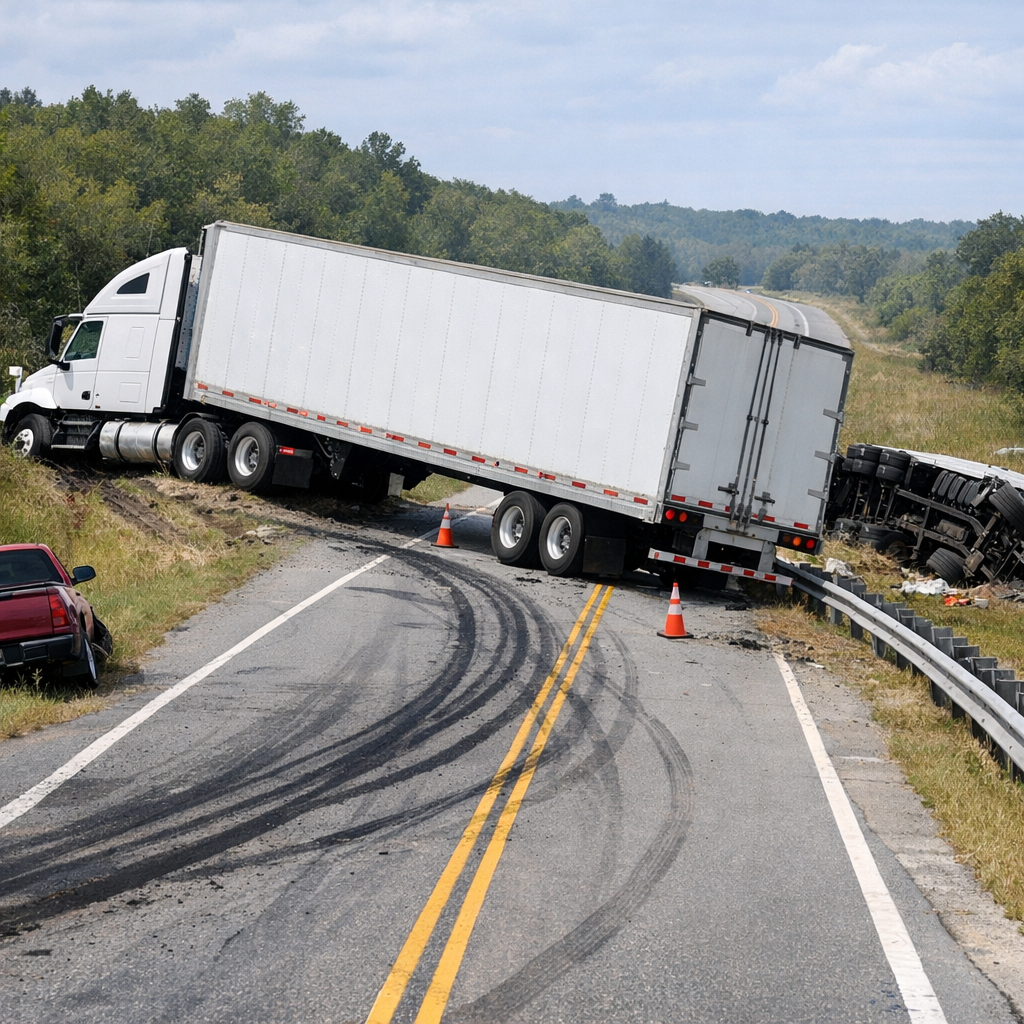
Semi truck crashes often result in complex injuries due to the large size and weight of the vehicles involved. These incidents can lead to a range of physical traumas that require careful medical attention. Pain management after a semi crash is a critical aspect of recovery, as it helps individuals cope with physical discomfort while promoting healing and functionality.
Understanding the Need for Medical Care After a Semi Truck Crash
Even when injuries from a semi truck crash are not immediately visible, medical evaluation is important. The force involved in such crashes can cause internal injuries, fractures, soft tissue damage, and other conditions that may not present with obvious symptoms early on. Prompt assessment allows healthcare providers to identify the extent of injuries and develop an appropriate treatment plan. Additionally, addressing pain early can prevent chronic issues later in the recovery process.
Pain resulting from these accidents can vary widely depending on the nature of the injuries. Some people experience localized pain from fractures or burns, while others may have widespread musculoskeletal discomfort from whiplash or compression. Complex regional pain syndrome and nerve damage are also possible complications that require specialized pain management strategies.
Common Approaches to Pain Management Following a Semi Crash
In the initial phase after a semi crash, managing pain often involves a combination of medication, physical interventions, and supportive care. Pain control is essential not only for comfort but also to enable participation in rehabilitation activities.
Medication and Its Role in Early Recovery
Pain relief medications might be prescribed to address acute pain. These can range from over-the-counter options to prescription medications depending on the severity of symptoms. Nonsteroidal anti-inflammatory drugs (NSAIDs) are commonly used to reduce inflammation and alleviate pain. In certain cases, short-term use of stronger analgesics may be considered to manage severe discomfort. Muscle relaxants may also be administered if muscle spasms contribute to pain.
Healthcare providers may explore alternative forms of medication delivery, such as topical agents, which can provide localized relief with potentially fewer systemic effects. Throughout medication use, ongoing assessment is necessary to balance pain control with minimizing side effects.
Physical and Supportive Therapies
Physical therapy plays an important role in pain management after a semi crash. Early mobilization guided by a therapist can improve circulation, reduce stiffness, and prevent complications related to immobility. Therapeutic exercises aim to restore strength, flexibility, and range of motion while minimizing pain.
Adjunctive treatments like heat or cold therapy, massage, and electrical stimulation may be introduced to support pain relief. Assistive devices such as braces or supports can also help stabilize injured areas, reducing strain and discomfort during recovery.
Psychological and Behavioral Approaches
Pain management semi crash recovery might include psychological support to address how pain influences emotional wellbeing. Techniques such as relaxation training, cognitive-behavioral therapy, and biofeedback can assist in coping with persistent pain. Recognizing the connection between mental and physical health can contribute to more effective overall recovery.
Navigating Recovery Over Time: How Pain Can Change
The course of pain after a semi truck crash often evolves as healing progresses. Pain that is intense and widespread in the immediate aftermath may gradually become more localized and manageable with treatment. This shift reflects tissue healing and adaptations in the nervous system.
Early Recovery: Focus on Stabilization and Pain Relief
During the first days to weeks after a crash, pain management usually centers on stabilizing injuries and reducing inflammation. Movement may be limited initially to protect damaged structures. Controlled activity and gentle therapies help prevent stiffness and maintain function while pain is addressed through medications and other modalities.
Intermediate Phase: Gradual Increase in Activity and Rehabilitation
As healing advances, the focus may shift toward increasing physical activity and engaging in more active rehabilitation. Pain should decrease in severity, allowing for more intensive physical therapy. Ongoing management may involve adjusting medication dosages and introducing new interventions to accommodate changing needs.
Pain monitoring remains important to identify any unexpected changes or complications, such as nerve involvement or secondary issues like joint instability. Care providers may modify treatment plans accordingly to support continued progress.
Long-Term Recovery: Managing Persistent or Chronic Pain
For some individuals, pain after a semi crash might persist beyond typical healing times, requiring long-term management strategies. Multimodal approaches that combine medications, physical activity, lifestyle adjustments, and psychological support can be part of this stage. The aim is often to maximize function and quality of life despite ongoing symptoms.
Preventing pain from becoming chronic involves coordinated care and regular reassessment. Education about pacing activity and recognizing warning signs can empower individuals to manage their recovery effectively.
A Balanced Perspective on Pain Management After Semi Truck Crashes
Recovery from injuries sustained in a semi truck crash is a gradual process that often requires multidisciplinary attention. Pain management semi crash recovery focuses on reducing discomfort while encouraging healing and restoration of normal function. Different stages of recovery present unique challenges and opportunities to adjust treatments.
Recognizing that pain experiences vary widely helps set realistic expectations for recovery timelines. With appropriate medical care and supportive therapies, many individuals see improvements in pain levels and mobility over time. A calm and measured approach allows for adaptation to evolving symptoms and the pursuit of optimal recovery outcomes.