Ongoing Medical Monitoring After Big Rig Accidents
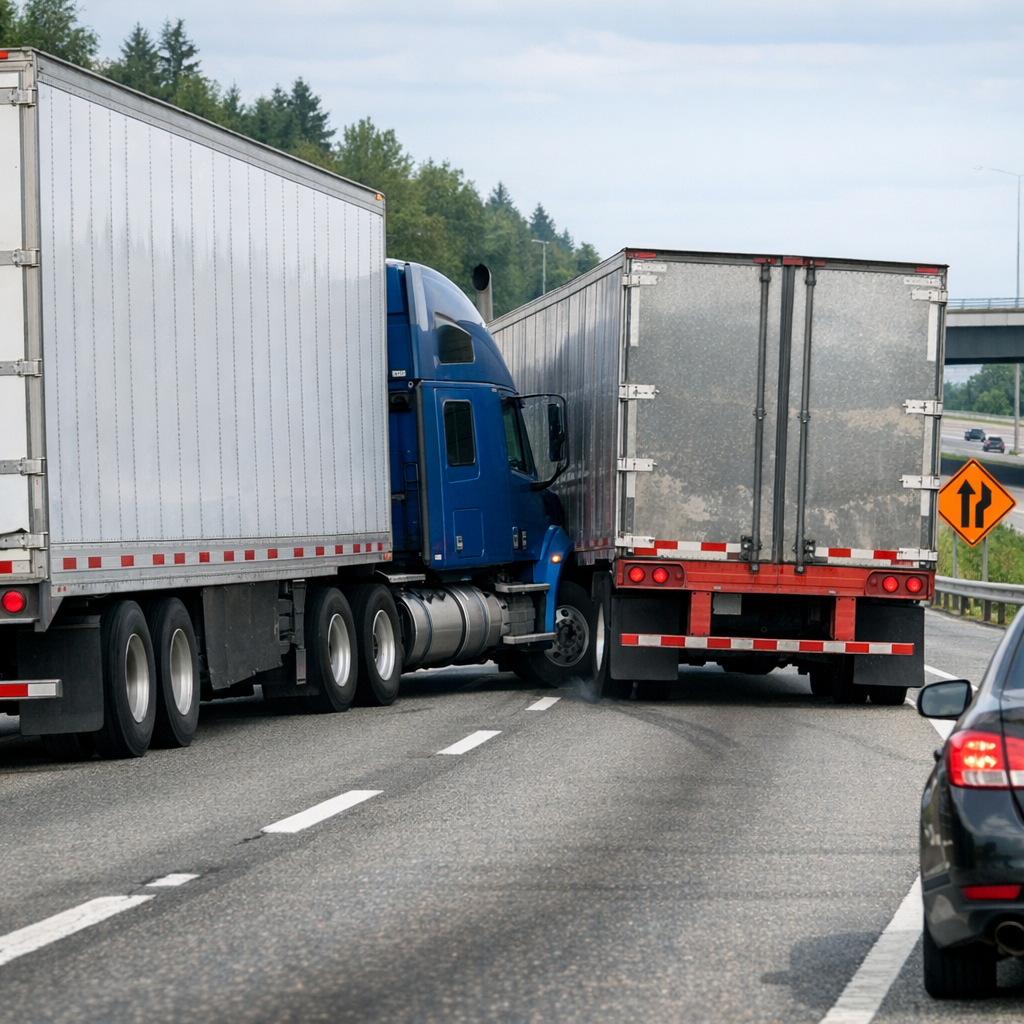
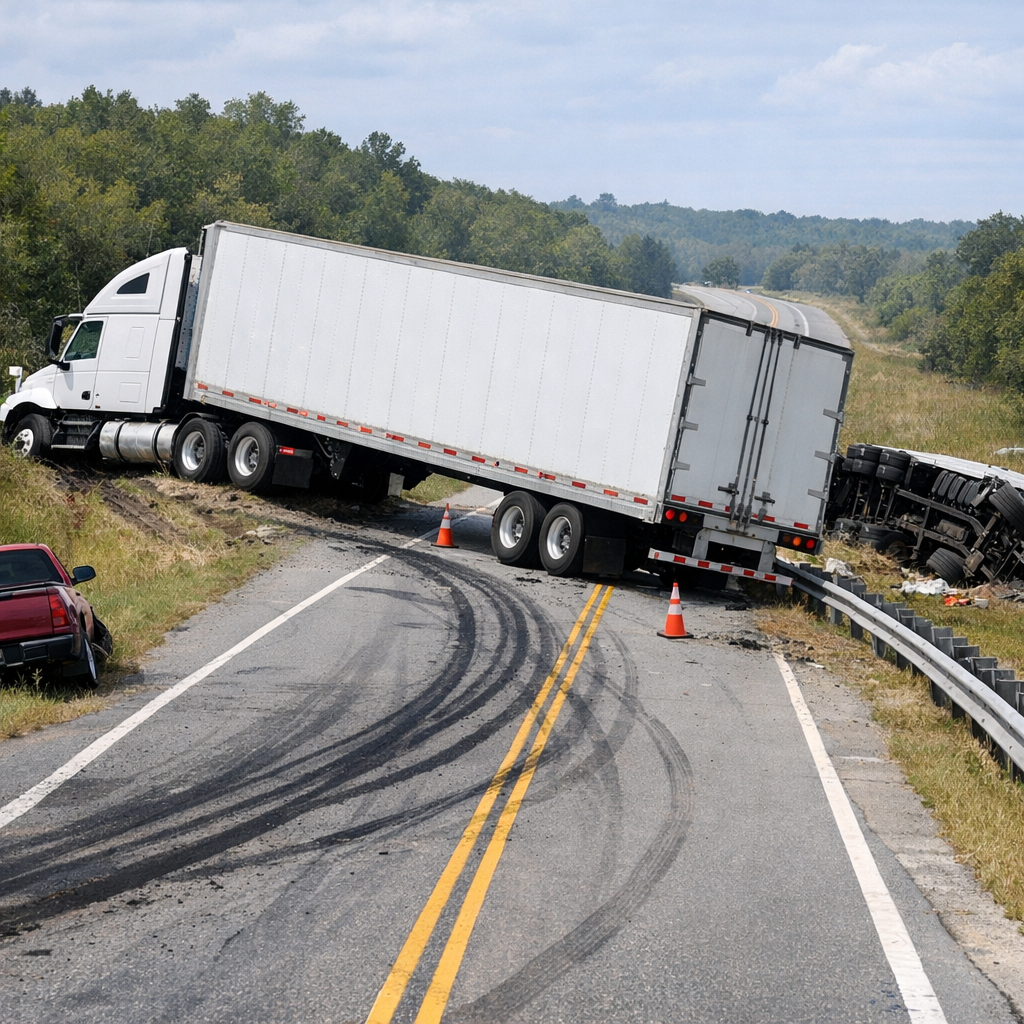
Big rig accidents often cause complex injuries due to the sheer size and weight of the vehicles involved. Even when initial medical treatment addresses immediate life-threatening conditions, ongoing medical monitoring after big rig accidents plays a crucial role in managing recovery and preventing long-term complications. This article explores why continued medical care is important, typical treatments and recovery steps, how healing unfolds over time, and what to expect during the recovery journey.
Why Ongoing Medical Care is Important After Big Rig Accidents
Accidents involving large trucks tend to produce a range of injuries that may not be immediately apparent. The impact forces and structural damages involved can cause internal injuries, neurological trauma, fractures, and soft tissue damage that require close observation. Initial hospital care often focuses on stabilizing the patient and addressing urgent injuries, but some conditions may develop or worsen over time.
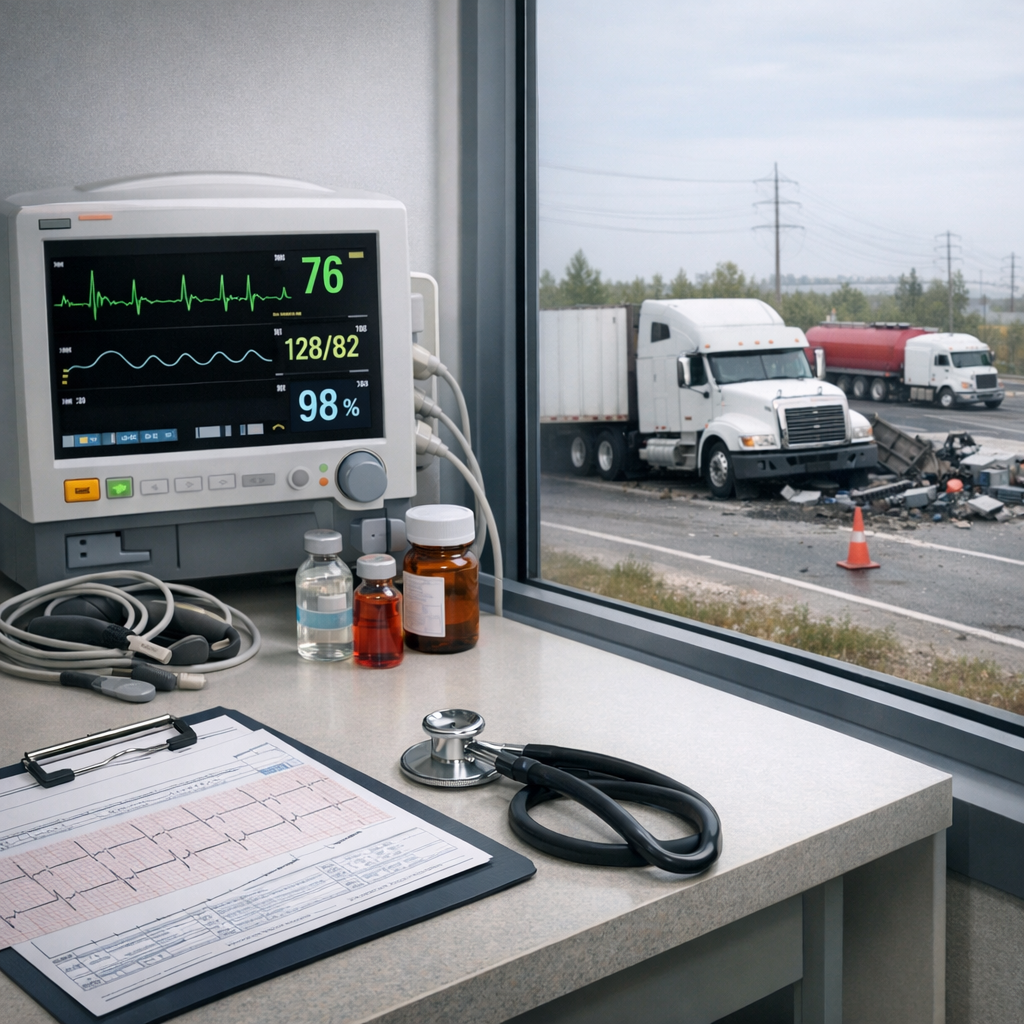
Medical monitoring after big rig accidents helps track the progression of injuries and detects any emerging complications. This ongoing care can uncover issues like swelling, infection, or organ dysfunction that might not reveal themselves during the first stages. Additionally, many accident victims experience delayed symptoms, such as chronic pain, mobility limitations, or cognitive difficulties, which need continued evaluation.
Careful follow-up medical appointments ensure that treatment plans are adjusted based on the patient’s evolving status. This allows health care providers to refine therapies, recommend rehabilitation strategies, and provide guidance on lifestyle modifications to support healing.
Initial Treatments and Early Recovery Steps
In the days and weeks following a big rig accident, medical monitoring focuses on addressing acute injuries and promoting stabilization. Common treatments may involve managing fractures through casting or surgical fixation, controlling bleeding, and treating head or spinal injuries with specialized interventions.
Pain management plays an important role during this phase. Physicians often balance the need to alleviate discomfort with concerns about medication side effects and dependency. Physical assessments monitor neurological function, range of motion, and any signs of infection or other complications.
Imaging studies such as X-rays, CT scans, or MRIs are frequently used to evaluate the extent of internal injuries and track healing progress. These diagnostic tools support decisions about whether further surgery or interventions might be required.
For those with soft tissue injuries, early physical therapy or occupational therapy may begin cautiously to maintain mobility and prevent stiffness. Tailoring rehabilitation approaches takes into account the severity and types of injuries present and patient tolerance.
Monitoring Recovery Over Time
As the initial injury phase transitions into longer-term healing, medical monitoring big rig accident patients often shifts toward managing recovery and rehabilitation. Follow-up visits may become less frequent but remain important for tracking improvement or identifying setbacks.
Recovery timelines vary widely depending on the nature of injuries sustained. Bone fractures might require several weeks to a few months to heal adequately. Nerve injuries or traumatic brain injuries generally involve a longer, more gradual recovery process that benefits from ongoing neurological evaluation.
During this stage, healthcare providers evaluate functional improvements, such as the return of strength, sensation, and coordination. Rehabilitation efforts may intensify to include stronger physical therapy protocols, speech therapy for cognitive or communication issues, and psychosocial support.
For some individuals, secondary complications such as chronic pain syndromes or joint stiffness can develop, necessitating adjustments in treatment strategies. Mental health considerations are also addressed to support emotional well-being throughout recovery.
Imaging and laboratory testing might continue to monitor the resolution of internal injuries or inflammatory processes. These assessments contribute to guiding decisions regarding activity levels, employment considerations, and the potential need for assistive devices.
Long-Term Outlook and Maintaining Health
Months to years after a big rig accident, some patients find themselves managing the lasting effects of their injuries. Although many recover function over time, others may experience permanent changes that require adaptations.
Ongoing medical monitoring big rig accident survivors undergo often focuses on optimizing quality of life and preventing further health issues. Regular check-ins help ensure that any chronic conditions are under control and that rehabilitation gains are maintained.
Healthcare providers may recommend lifestyle changes, pain management techniques, and continued therapies tailored to individual needs. Maintaining joint health, managing neuropathic symptoms, and supporting cardiovascular fitness are common concerns in prolonged recovery.
Periodic evaluations also help identify new or worsening symptoms that may arise with aging or changes in physical activity. Proactive care supports better health outcomes and helps patients adjust to evolving circumstances.
Understanding the Recovery Process Calmly
Recovering from injuries after a big rig accident can be a multifaceted and lengthy process. Medical monitoring big rig accident patients receive is designed to provide measured, ongoing assessments that inform treatment plans and support recovery progress.
It is natural for the recovery trajectory to fluctuate, with periods of improvement and occasional setbacks. Each individual’s healing timeline depends on the types and severity of injuries, as well as general health before the accident.
Continuity of care allows healthcare professionals to respond to changes in condition and helps patients navigate the challenges that can arise during recovery. Understanding the value of sustained observation and therapeutic adjustment encourages a practical approach to healing.
While the journey may involve many steps and healthcare visits, steady medical monitoring contributes to optimizing outcomes and guiding individuals towards restored function and well-being following serious accidents involving large trucks.