Navigating Life Changes After Fatal Truck Crashes
Fatal truck crashes are an unfortunate reality that profoundly affect not only those directly involved but also the wider community. The loss caused by such incidents carries a weight that is difficult to measure, touching the lives of family members, friends, and bystanders in deep and lasting ways. Understanding the ripple effects of these tragedies helps provide perspective on the challenges faced by those left behind and the adjustments required in navigating life after such an event.
The Seriousness of Fatal Truck Accidents
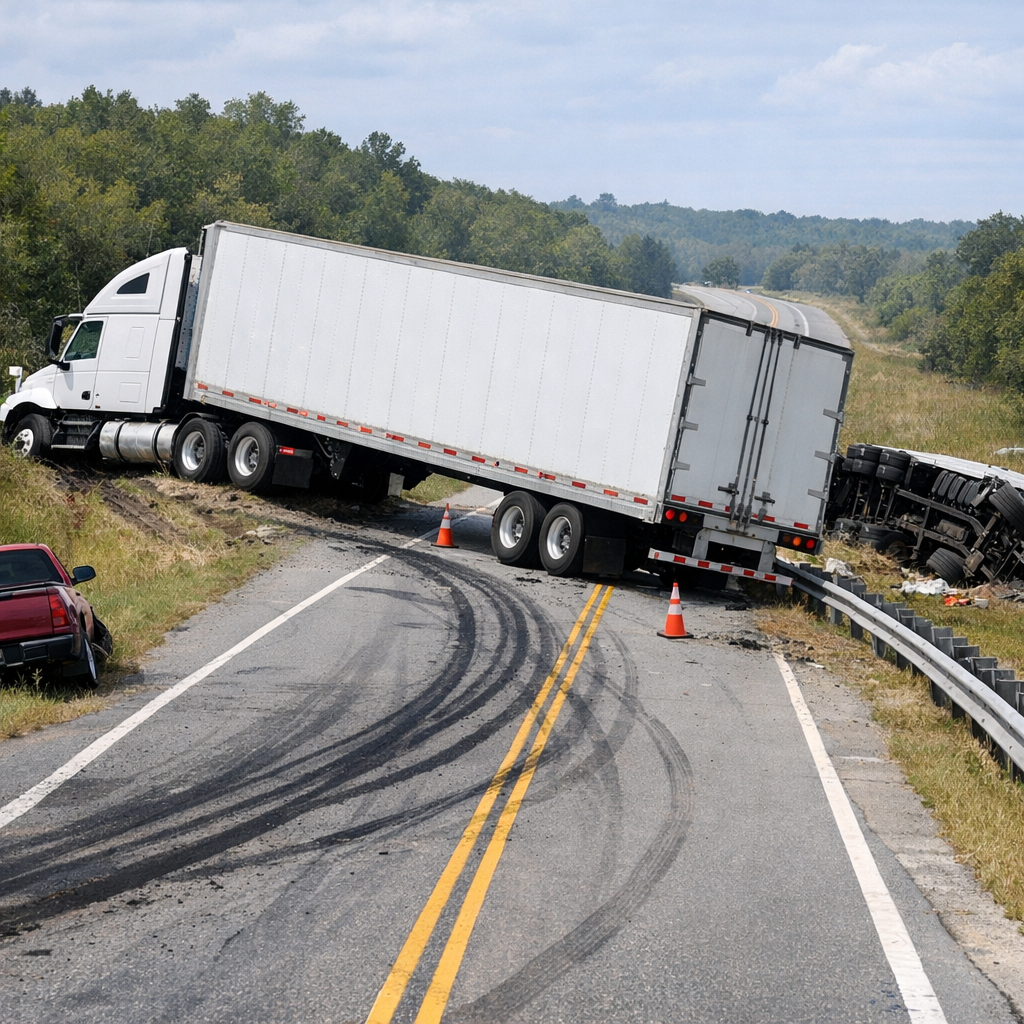
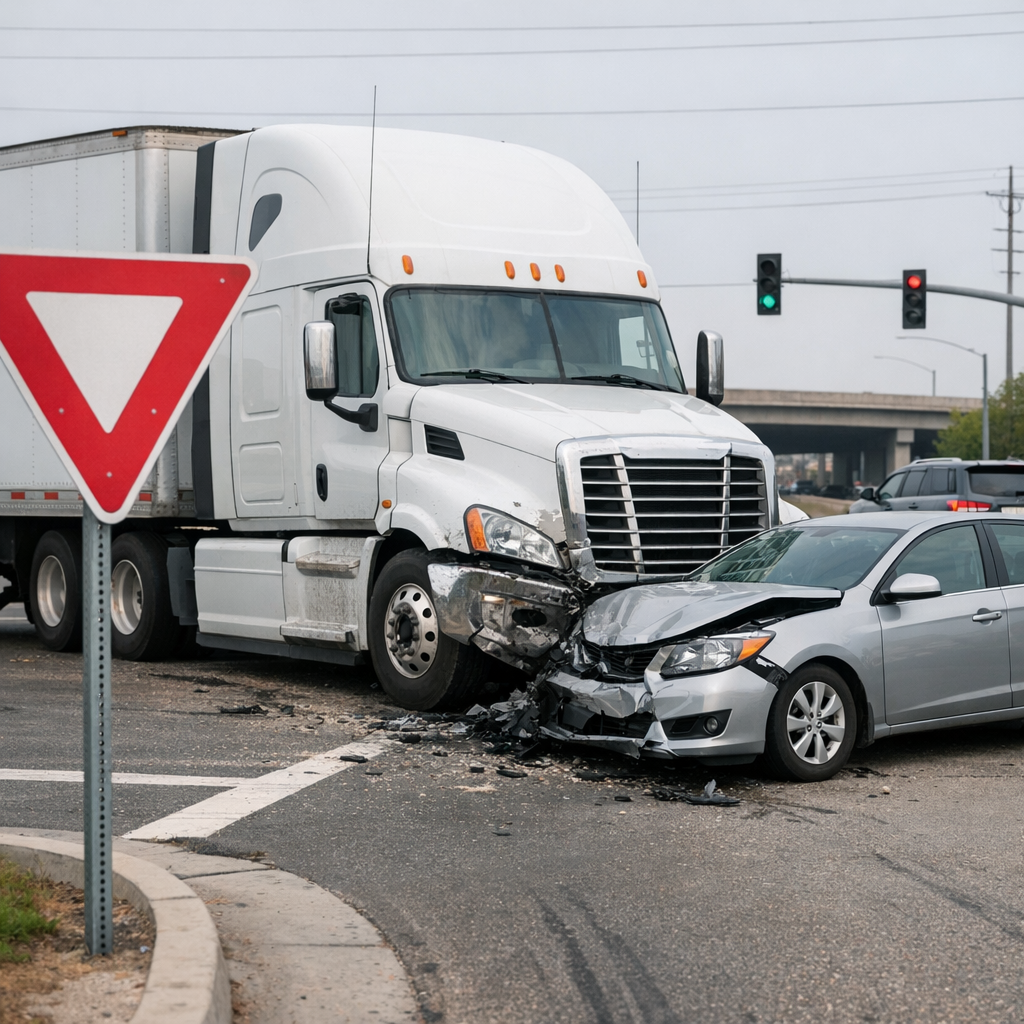
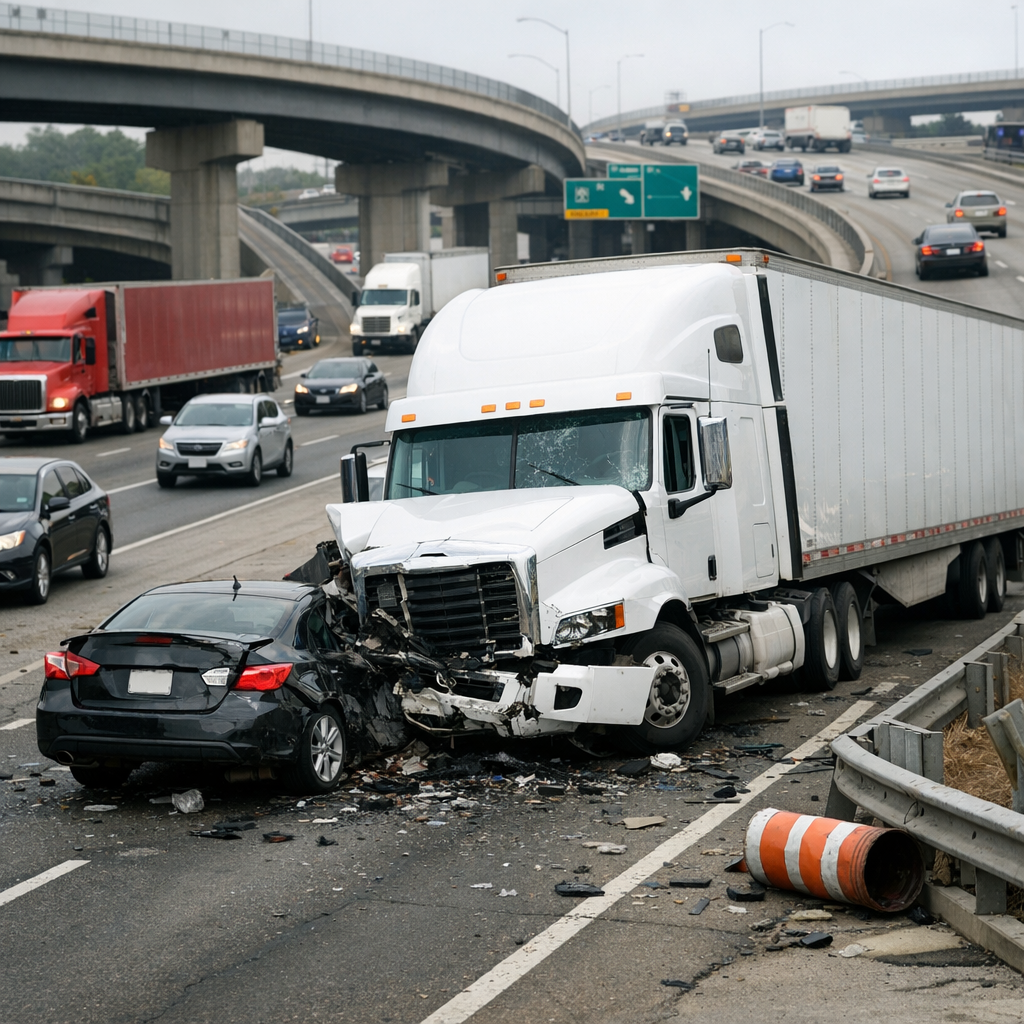
Truck accidents involving fatalities represent some of the most serious types of roadway incidents. The size and weight of commercial trucks contribute to the severity of crashes, often leading to significant loss of life. These events are sudden and life-altering, leaving a permanent mark on those connected to the victim.
Despite advances in road safety and vehicle technology, fatal truck crashes continue to occur with a frequency that calls for thoughtful reflection on their impact. The magnitude of these tragedies is not only seen in statistics but also in the personal stories of grief and resilience that follow.
Impact on Families and Loved Ones
The death of a loved one in a truck crash shatters the familiar patterns of daily life, abruptly interrupting the natural course of relationships and routines. Families are faced with the heartbreaking task of coming to terms with an absence that will never be filled. The loss may affect spouses, children, parents, siblings, and close friends, each experiencing grief in their own unique way.
Beyond the emotional pain, this loss often entails significant adjustments at home, work, and within social circles. Everyday dynamics shift as family members respond to the absence of a central figure, and roles may be redistributed to accommodate new realities. The shared history with the deceased, their presence within the family or community, and the suddenness of death all contribute to the complexity of this adjustment period.
Emotional and Practical Challenges in Navigating Life
Coping with the aftermath of a fatal truck crash involves a combination of emotional and practical challenges. Emotional responses such as sorrow, confusion, and sometimes anger are common and understandable reactions to profound loss. Grieving is a personal process that unfolds differently for everyone and can be accompanied by feelings of isolation or difficulty in finding normalcy.
In parallel with emotional coping, practical matters require attention. Families often need to reorganize household responsibilities and may face financial changes if the deceased contributed to income or caregiving. They might also need to handle various formal matters related to the incident, including insurance and transportation.
Adjusting to life after such a loss can feel overwhelming, particularly as individuals balance the need for healing with the demands of everyday life. Over time, many find themselves gradually rebuilding a sense of stability, even as the memory of the loss remains.
Looking Forward with Respect and Understanding
The process of navigating life after a fatal truck crash is deeply personal and ongoing. While the challenges are undeniable, it is important to approach this journey with empathy and patience, recognizing the enduring impact of the tragedy.
Support from community connections, friends, and understanding environments can contribute to a respectful space for healing. It is equally vital to acknowledge that each individual’s path toward adjustment is unique and may require time.
In remembering those lost and contemplating the changes faced by survivors, a calm and respectful perspective offers the foundation needed to move forward. Navigating life after fatal truck crashes involves balancing remembrance with adaptation, honoring the past while creating space for the present and future.