Miscalculated Braking by Big Rigs
Miscalculated braking by big rigs is a significant factor in many highway incidents involving large trucks. The sheer size and weight of these vehicles impose unique challenges on braking systems, requiring precise calculations and response times to ensure safety. Understanding the dynamics behind braking miscalculation by trucks reveals why even a slight error can lead to severe consequences on the road.
The Systems Behind Truck Braking
At the core of braking miscalculation in big rigs lies the complexity of their braking systems. Unlike passenger cars, trucks often use air brakes, a system that relies on compressed air to activate brake pads. This system includes various components such as brake chambers, slack adjusters, and hoses, all working in unison to reduce the truck’s speed safely and effectively.
The length and weight of a big rig also influence how these systems operate. Air brake systems introduce a slight delay compared to hydraulic brakes in smaller vehicles because the air pressure must build sufficiently before the brakes fully engage. This inherent delay is a critical factor when understanding how braking miscalculation occurs.
Additionally, the trucking industry incorporates technologies like anti-lock braking systems (ABS) designed to prevent wheel lockup and loss of control during hard braking. However, the effectiveness of these systems also depends on proper maintenance and operation. Any malfunction or incorrect use can amplify braking errors.
How Braking Miscalculation Happens in Trucks
Miscalculated braking in big rigs generally stems from two interrelated issues: misjudgment of stopping distances and delayed system response. Drivers must calculate the time and space needed to safely bring a heavily loaded truck to a stop, which often requires longer distances compared to regular vehicles.
The physics of momentum plays a significant role here. A fully loaded truck may weigh tens of thousands of pounds, making it far more difficult to slow down quickly once the brakes are applied. Factors affecting this include road conditions, weather, vehicle speed, and load weight. When drivers underestimate these variables or when the braking system does not respond as intended, a braking miscalculation occurs.
For example, if a driver assumes a shorter stopping distance and applies the brakes too late, the truck may not decelerate in time to avoid a collision. Furthermore, the delay in air pressure buildup means the brakes are not instantaneously effective, requiring drivers to anticipate stopping needs earlier than they might in smaller vehicles.
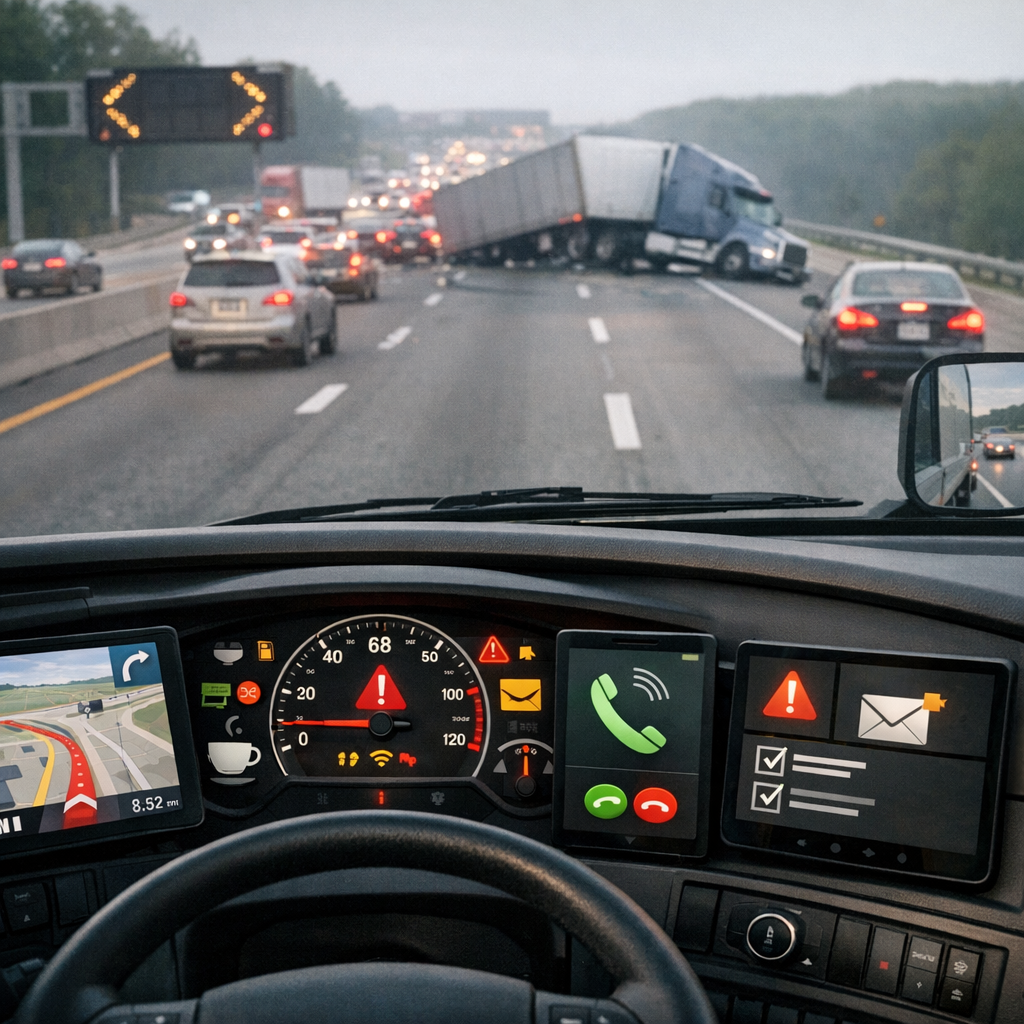
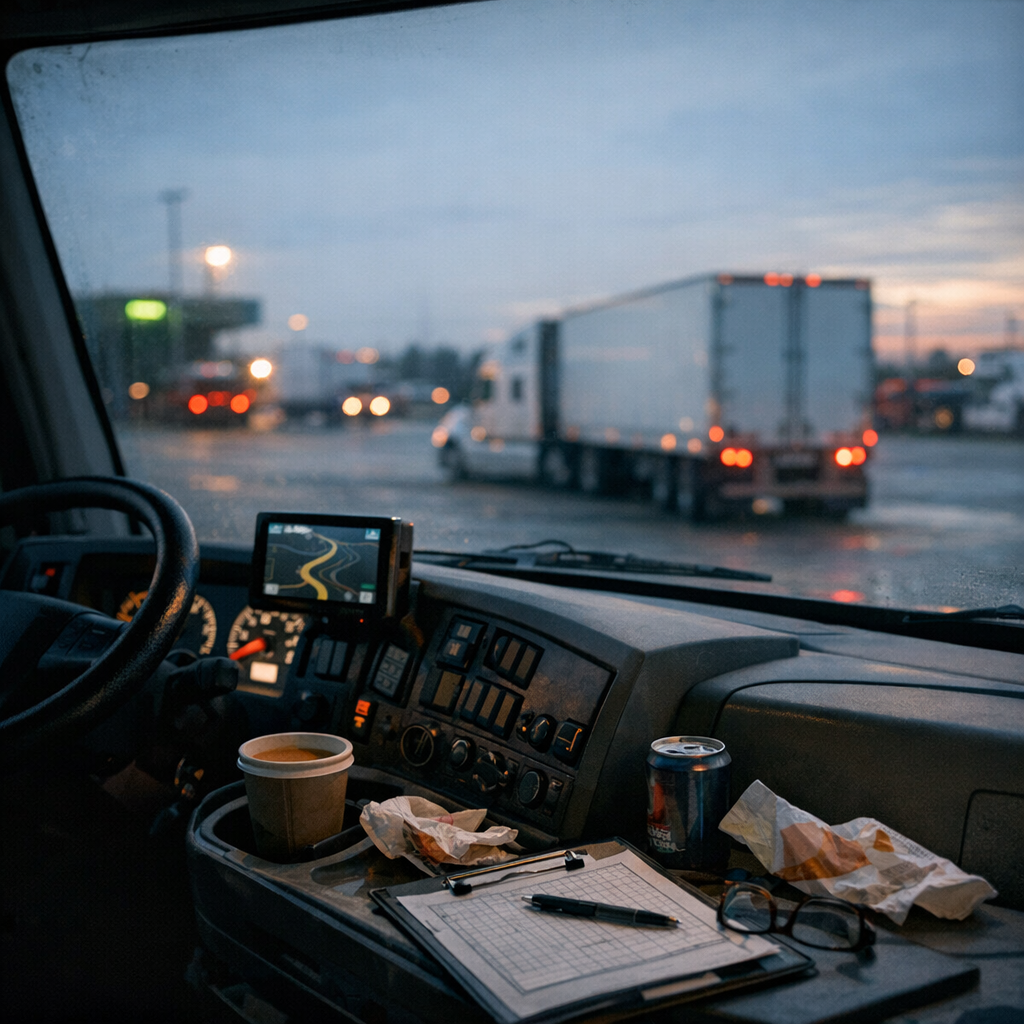
Human factors contribute as well. Fatigue, distraction, or inadequate training in braking techniques can all lead to errors in judgment. The cognitive challenge of processing dynamic road conditions at highway speeds can amplify the risk of braking miscalculation.
Why Braking Miscalculation Matters in Crashes
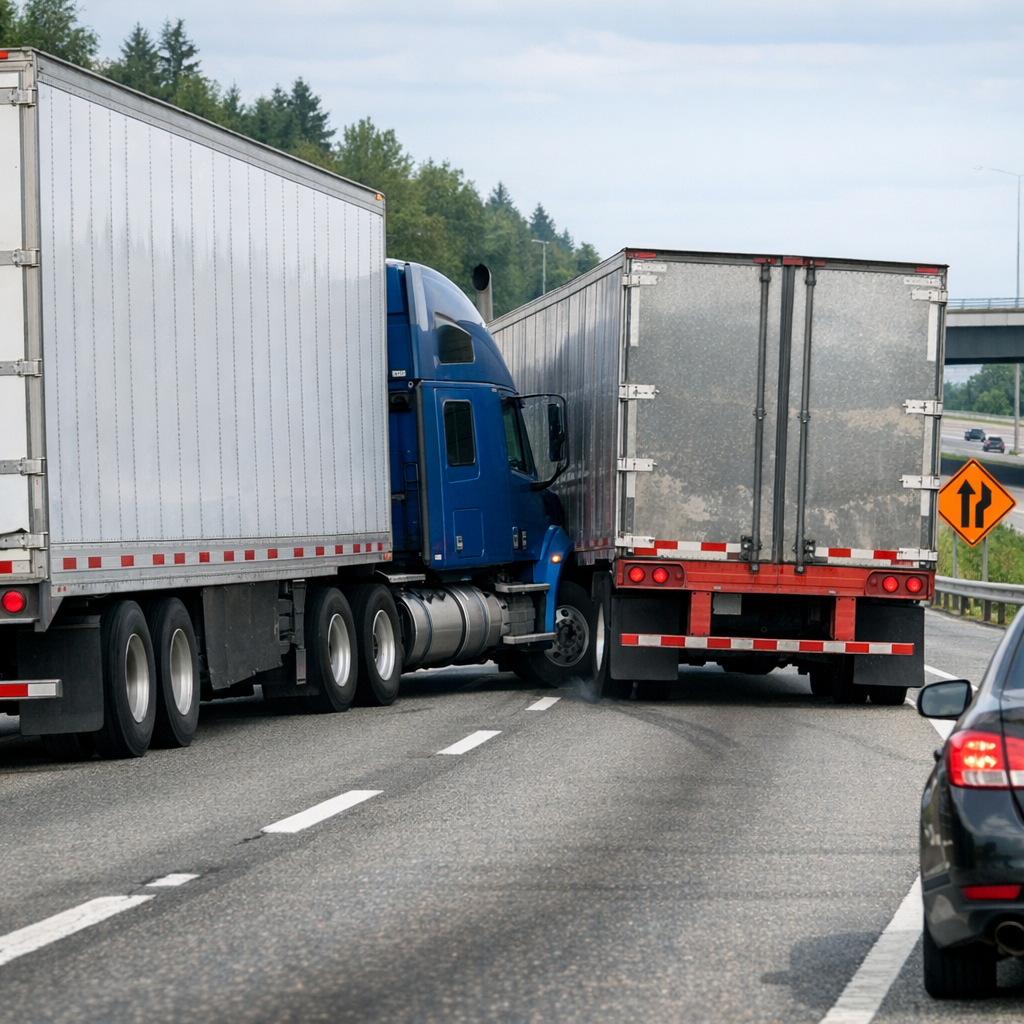
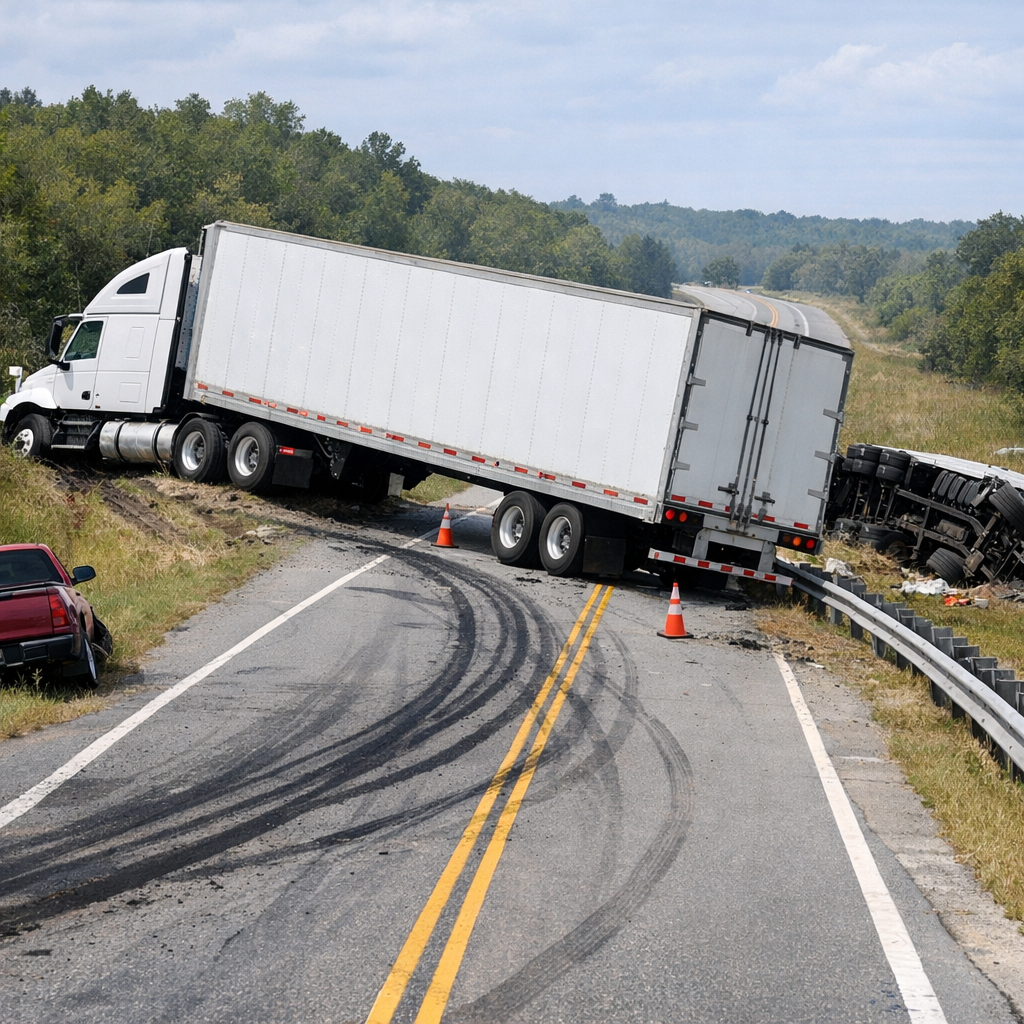
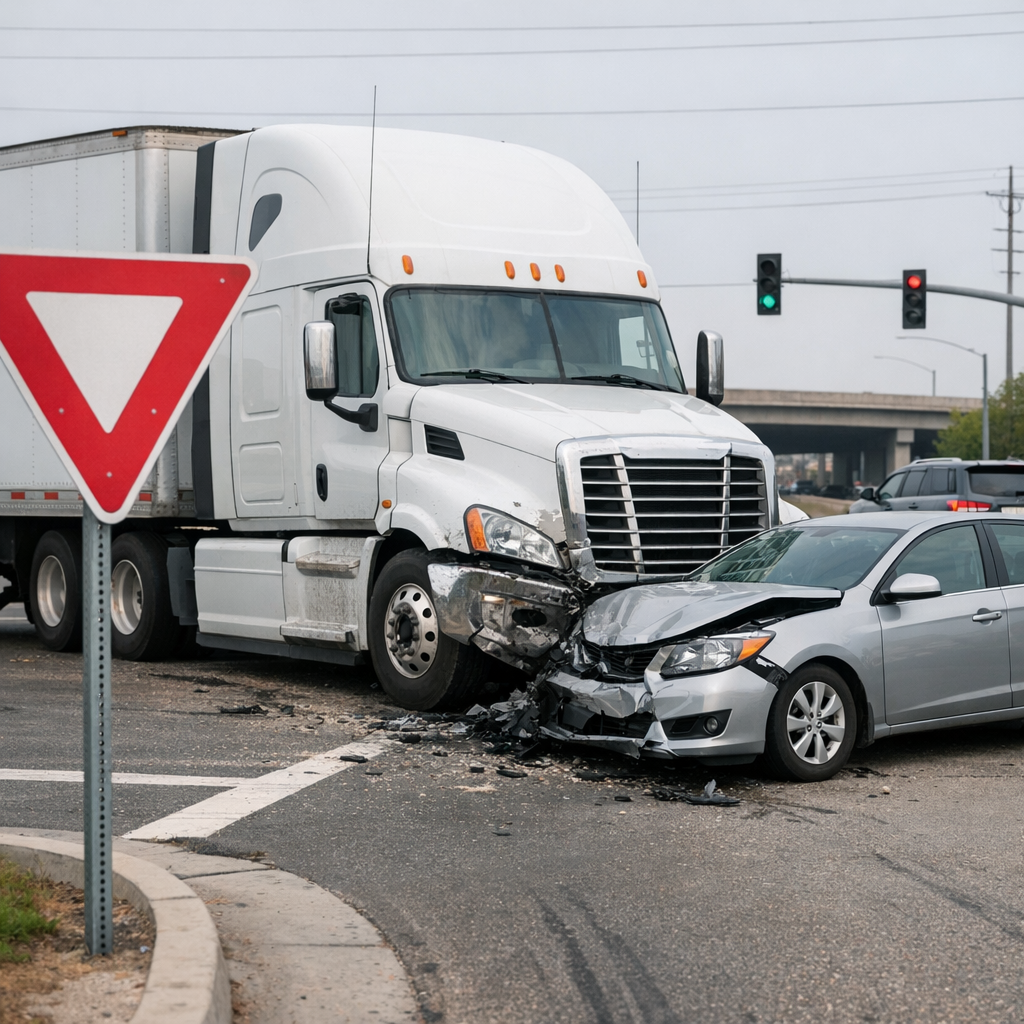
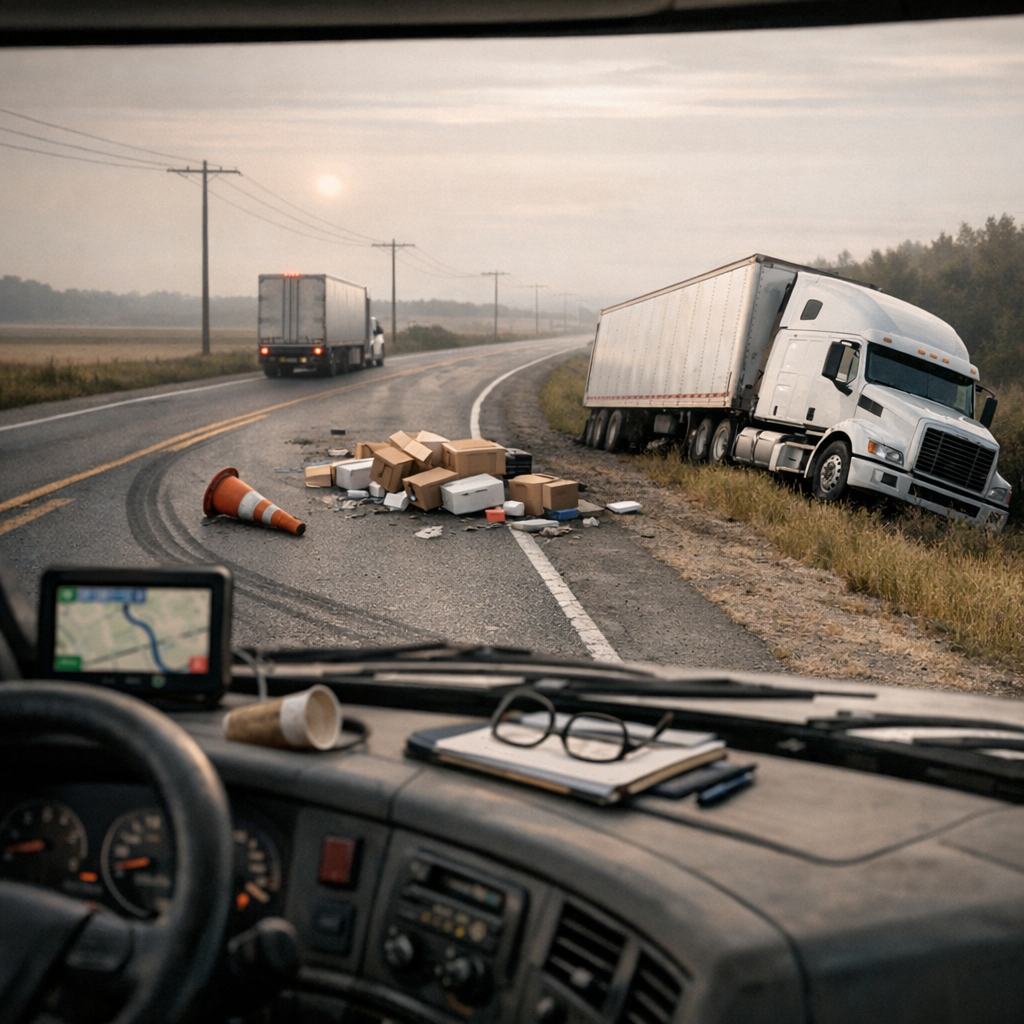
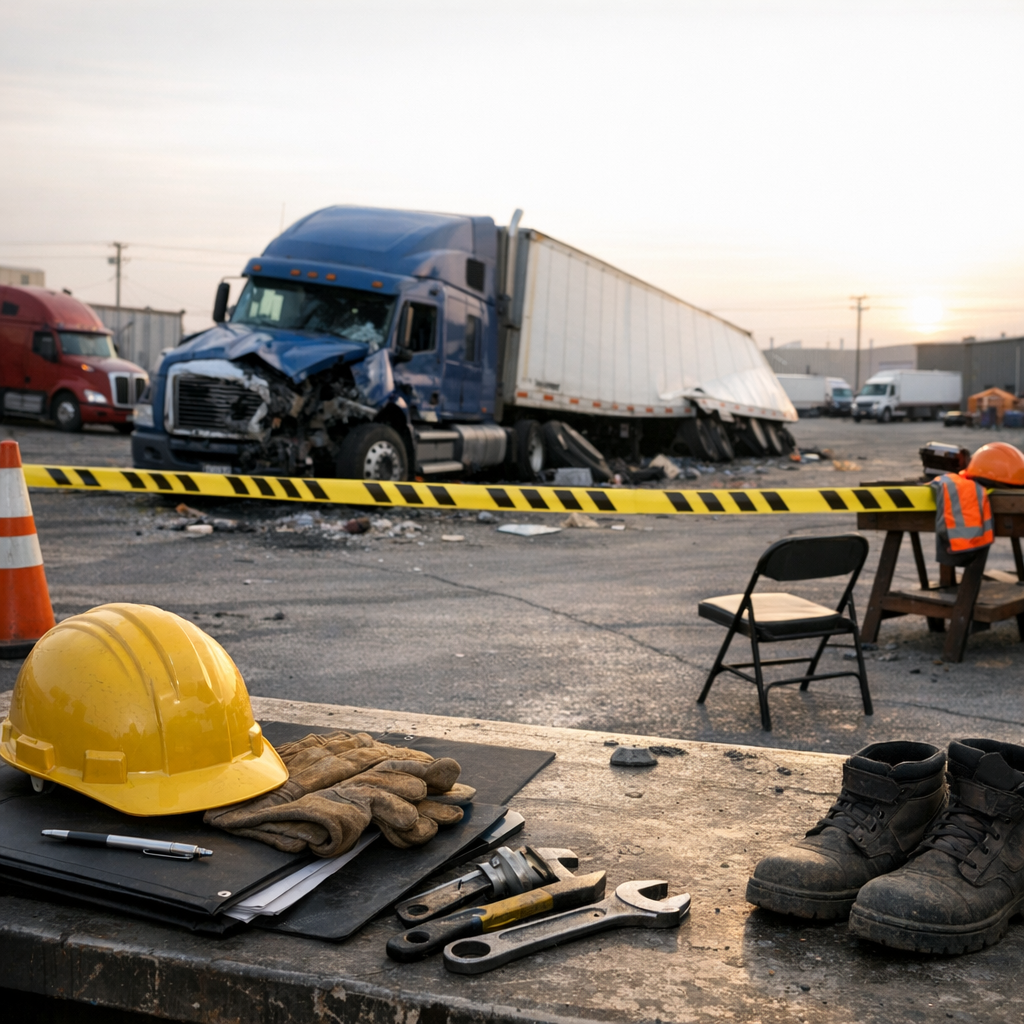
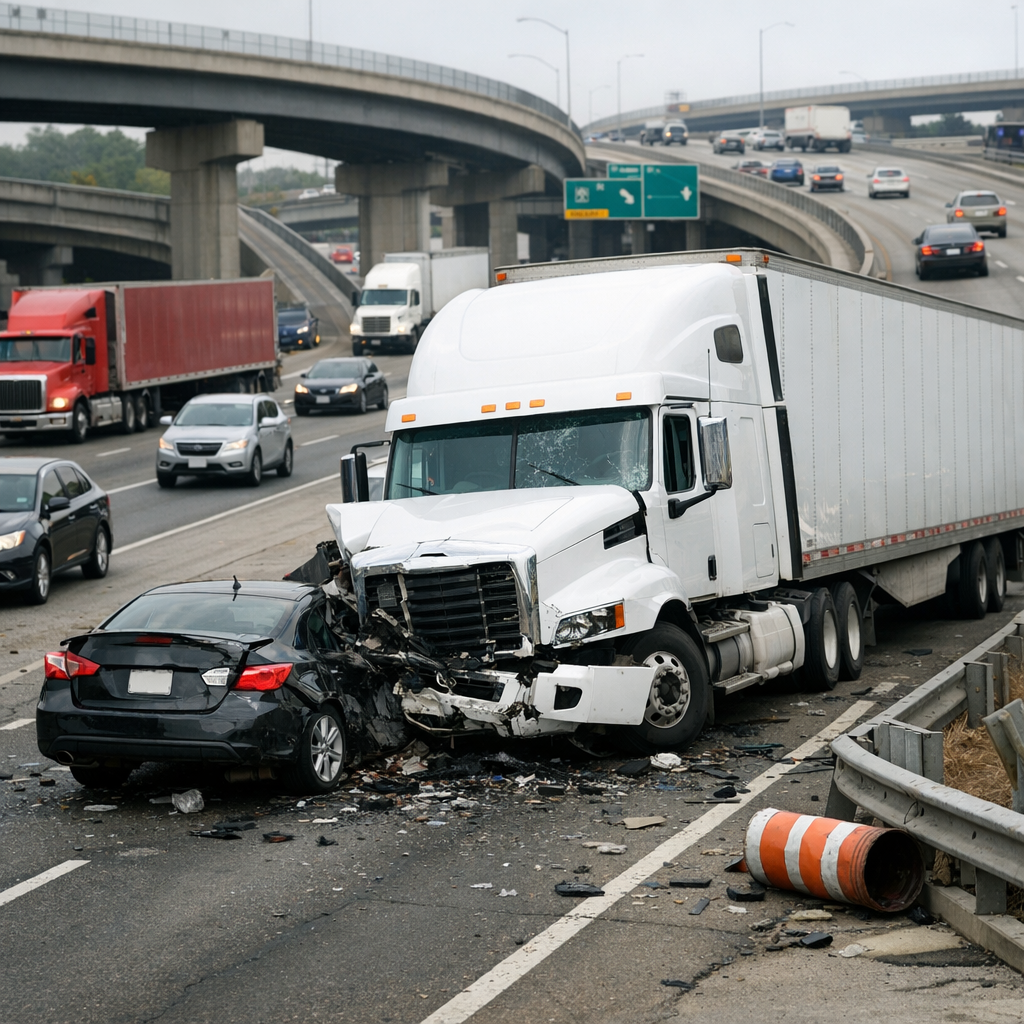
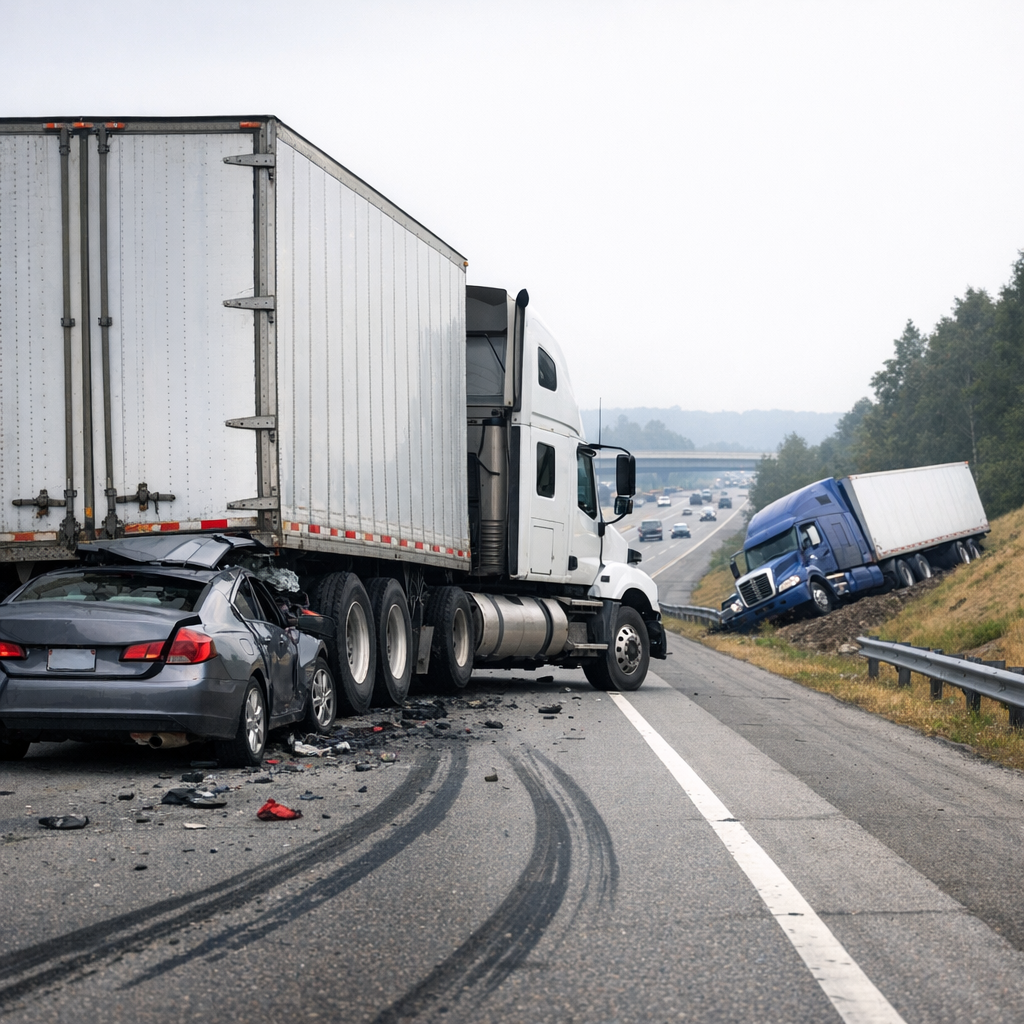
The consequences of braking miscalculation by big rigs can be catastrophic. Due to their massive size and momentum, trucks require significantly longer distances to stop compared to passenger vehicles. When brakes are applied too late or with insufficient force, the time and distance needed to halt are not met, often resulting in rear-end collisions, jackknifing, or rollover accidents.
In multi-vehicle pileups on highways, braking miscalculation plays a pivotal role. If one big rig reacts too slowly to traffic slowdown, the chain reaction can involve numerous vehicles. The severity of impact escalates because the truck’s kinetic energy is so much greater; the damage is often more extensive and injuries more serious.
Even under ideal weather conditions, the margin for error in braking calculations is narrow. Wet, icy, or uneven road surfaces complicate matters further by reducing tire traction and increasing stopping distances. These factors multiply risk, turning small miscalculations into dangerous scenarios.
Miscalculated braking does not only affect the truck and its driver but also the broader pattern of traffic flow. Abrupt stops or collisions caused by braking errors can lead to congestion, emergency responses, and disruptions that extend beyond the immediate crash site.
Understanding Braking Miscalculation Without Judgment
Braking miscalculation by big rigs involves a complex interplay of mechanical, environmental, and human elements. The unique challenges associated with air brake systems, heavy vehicle momentum, and the need for anticipatory driving all contribute to the potential for errors in calculating stopping distances and timing.
Recognizing how these factors work together provides insight into why braking errors occur even with trained drivers and well-maintained equipment. It highlights the importance of understanding truck dynamics in the context of highway safety without casting blame.
Ultimately, this topic underscores the intricate nature of big rig operation and the many variables influencing braking performance. It serves as a reminder of the mechanical and human components involved in seemingly routine actions like applying brakes, offering a deeper appreciation for the critical calculations made behind the wheel of a large truck.