
Mental Processing Delays in Big Rig Driving
Big rig driving demands a high level of cognitive functioning. The vast size and weight of these vehicles inherently increase the risks and challenges on the road. One of the less visible yet critical factors influencing safety in this environment is mental processing delays. Understanding these delays sheds light on how drivers’ reactions can be slowed, potentially affecting overall road safety.
The Cognitive Foundations of Driving a Big Rig
Driving a big rig involves more than just steering and braking. The driver must constantly absorb information from the environment—traffic signals, road conditions, weather changes, and the actions of other drivers. These inputs require near-instant cognitive processing to make sound decisions and execute timely maneuvers.
Mental processing delay refers to the time lapse between perceiving a stimulus and initiating an appropriate response. This delay occurs naturally as the brain filters and interprets incoming data. However, in big rig driving, even a fraction of a second of delay can become critical because the vehicle’s long stopping distances and handling characteristics demand precise timing.
In general, cognitive processing involves stages: perception, interpretation, decision-making, and response initiation. Each stage takes measurable time. When these stages are slowed or disrupted, the overall processing delay increases, which in turn can affect driving performance.
Causes Behind Processing Delays in Big Rig Drivers
Several factors contribute to mental processing delays for big rig drivers. Fatigue, environmental complexity, and cognitive overload play significant roles.
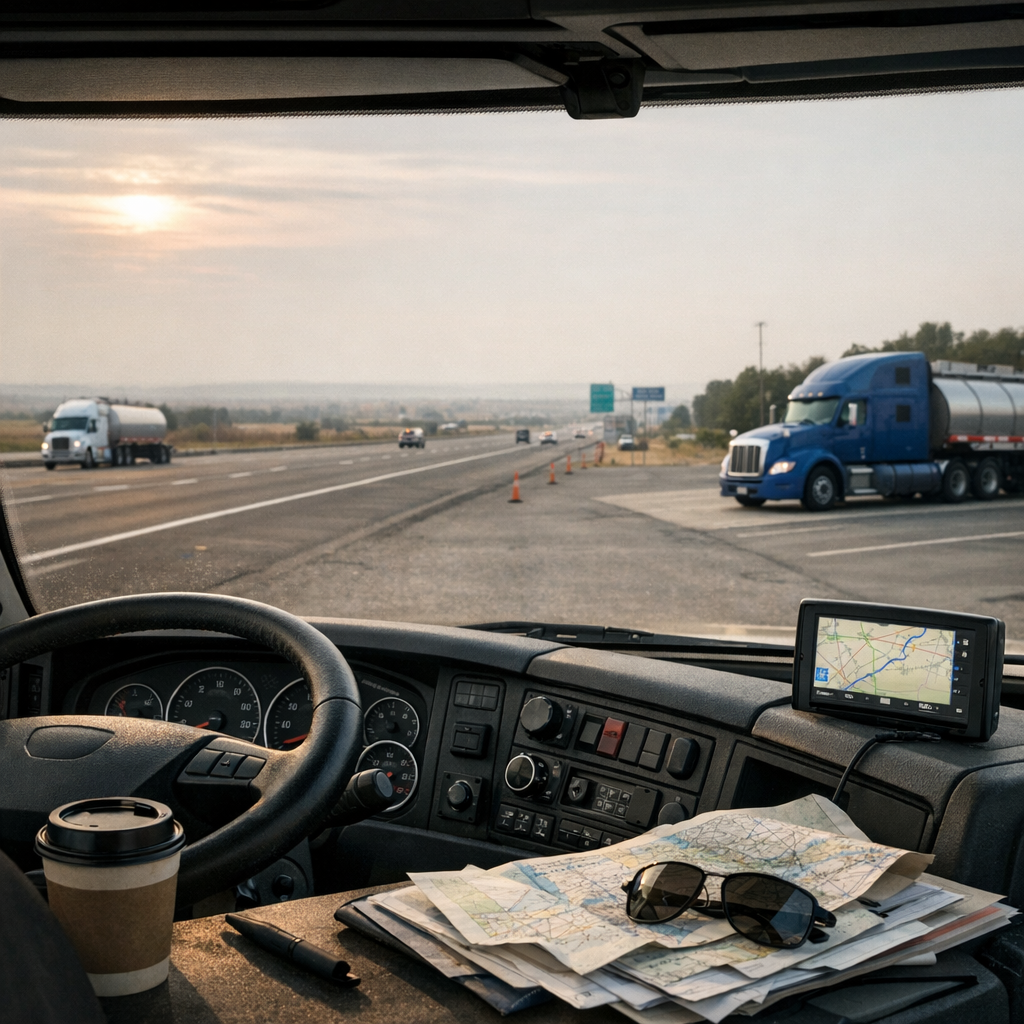
Fatigue is one of the most impactful causes. Long driving hours, irregular sleep schedules, and monotonous highways can tire the brain. Fatigue slows the neurological functions responsible for processing sensory inputs and formulating responses. The sleep-deprived brain processes information more sluggishly, reducing alertness and slowing reaction times.
Environmental complexity also influences processing speed. Urban routes with heavy traffic, pedestrian interactions, and frequent signals provide a rich, demanding information environment. The brain works harder to evaluate numerous stimuli simultaneously. While experienced drivers develop selective attention, the sheer volume of data can increase cognitive load and slow down overall processing.
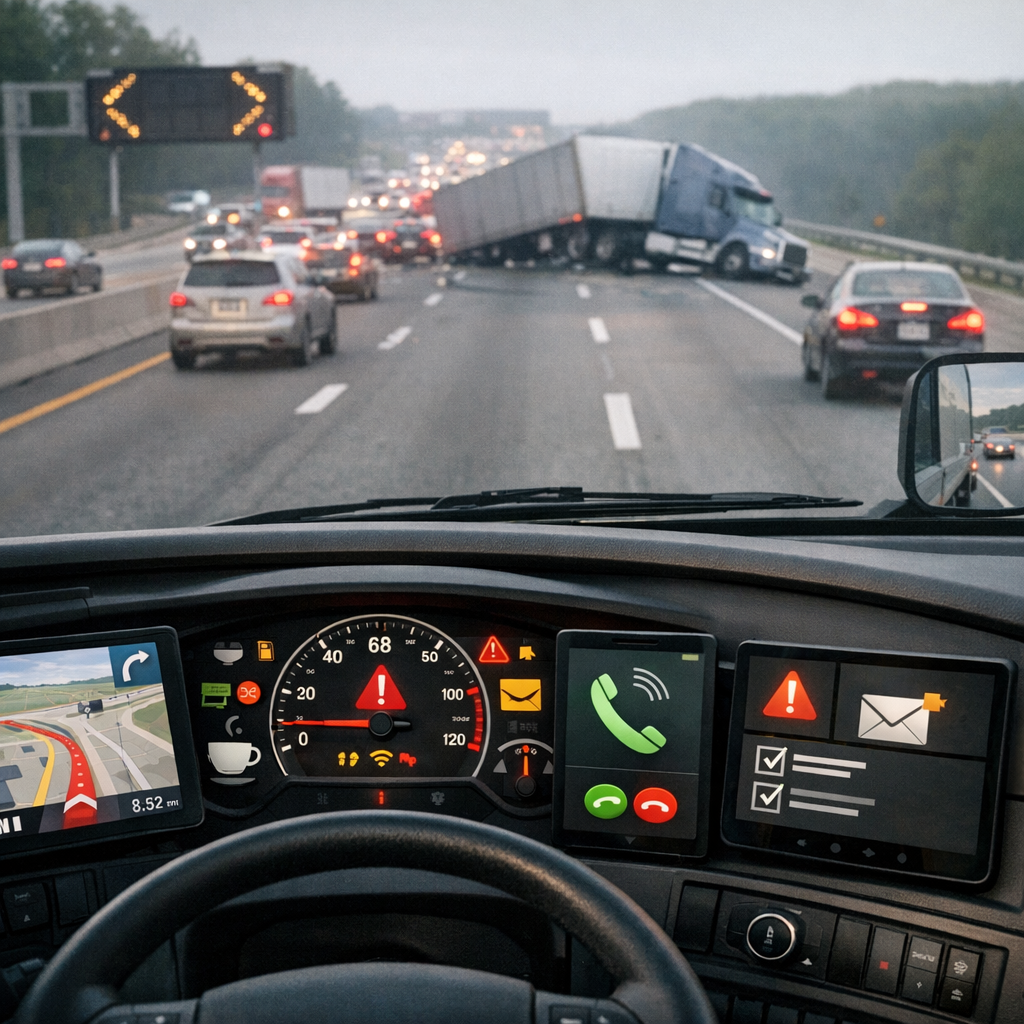
Cognitive overload occurs when the amount of information or tasks exceeds the driver’s mental capacity. Tasks like route navigation, vehicle system management, and communication, alongside monitoring road conditions, can overwhelm cognitive resources. When overloaded, decision-making becomes less efficient, causing delays between observation and action.
Additionally, individual differences such as health status, age, and experience may also affect processing speed. Neurological conditions, medication side effects, and diminished sensory acuity can contribute to slower mental responses. Experience provides some mitigation by enabling anticipation, but it does not eliminate naturally occurring delays.
The Impact of Processing Delays on Big Rig Crash Dynamics
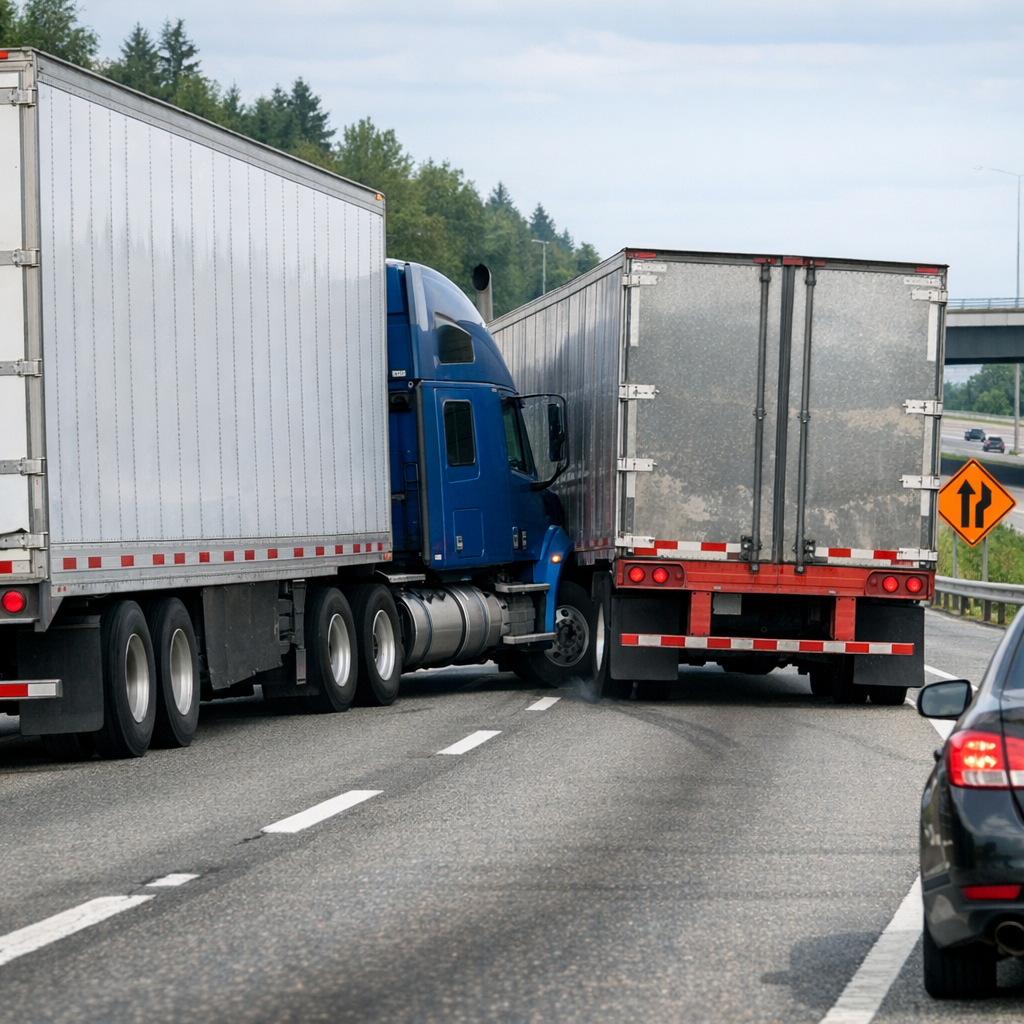
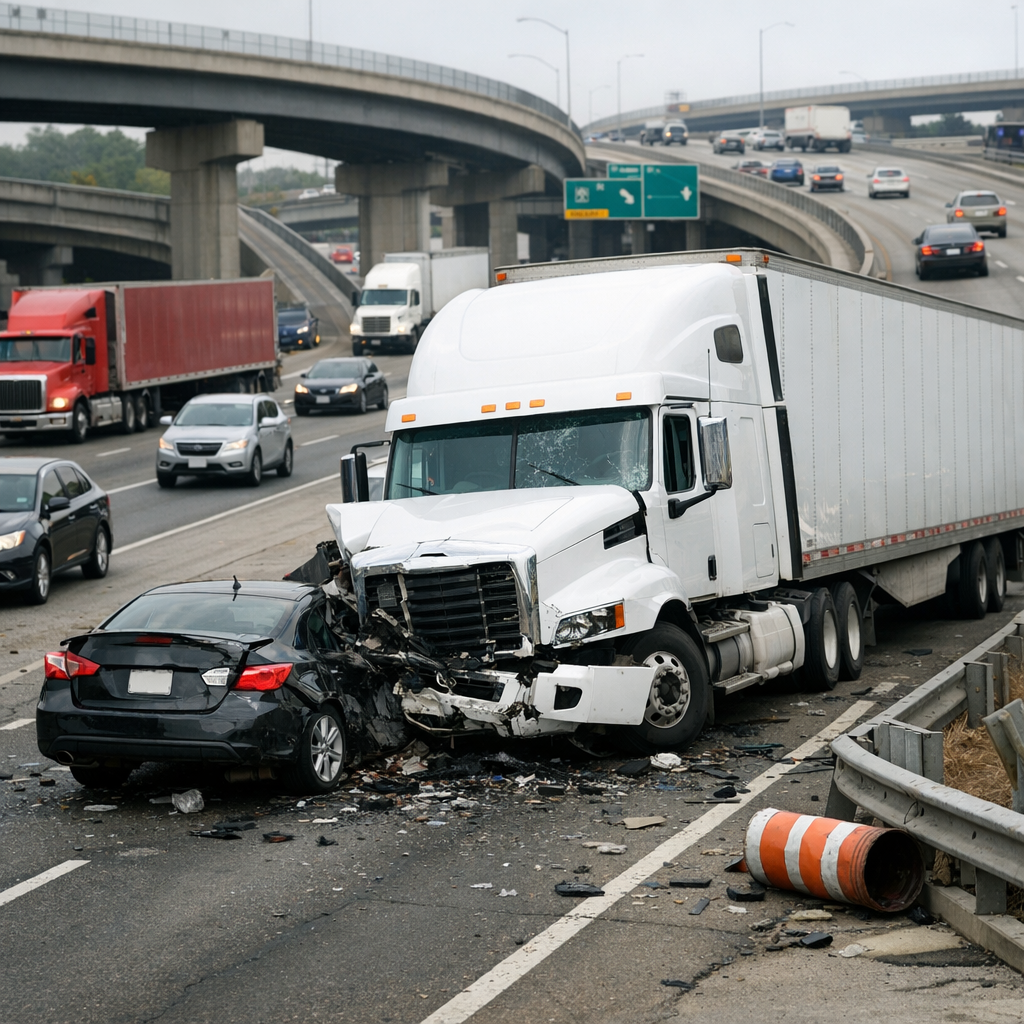
Mental processing delays are not merely abstract cognitive phenomena; they translate directly into real-world consequences on the road. Big rigs, due to their mass and momentum, require significantly more time and distance to stop or maneuver safely. A delayed cognitive reaction can mean that a driver starts braking or steering too late to prevent a collision.
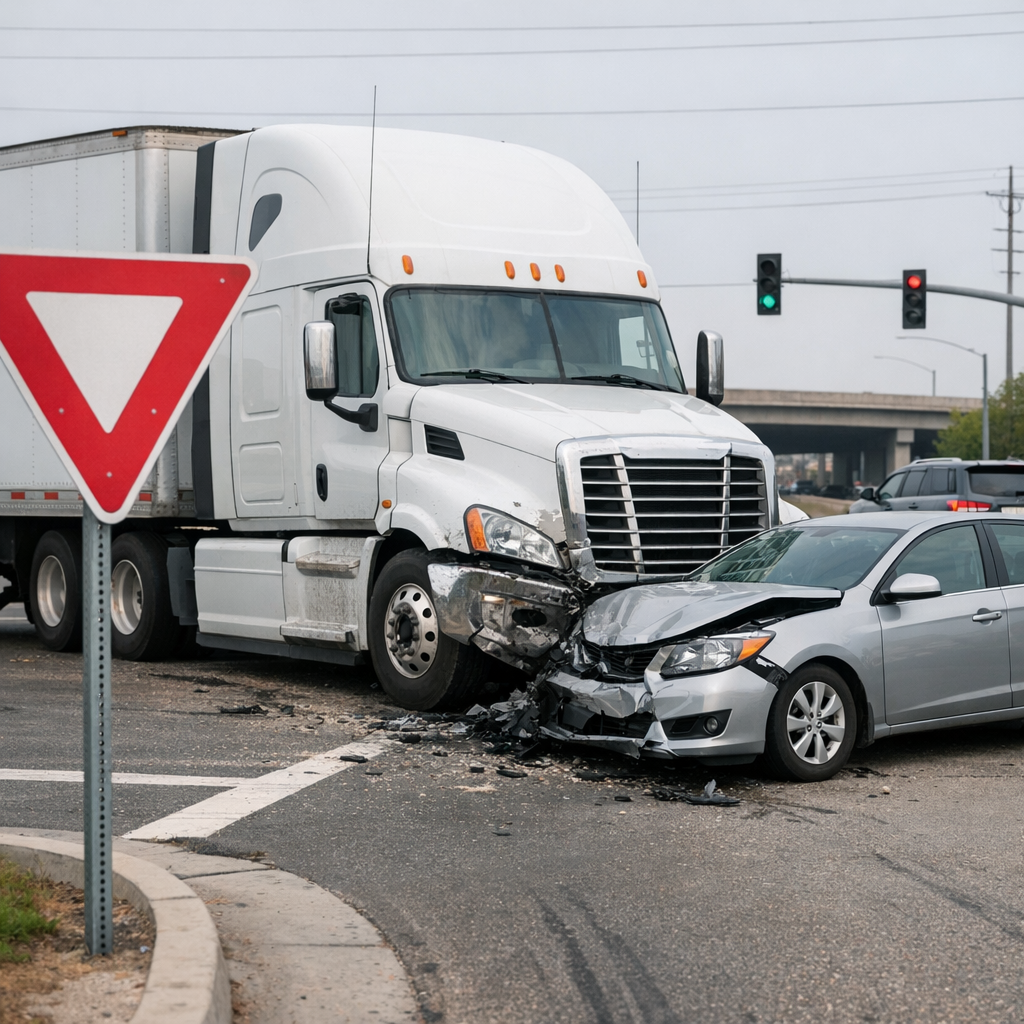
Many crashes involving large trucks feature scenarios where drivers had little time to react to sudden changes—the sudden braking of a leading vehicle, unexpected pedestrians, or abrupt lane changes nearby. If mental processing delays add even a fraction of a second to driver reaction time, the stopping distance increases dramatically. This factor can be pivotal in preventing or causing crashes.
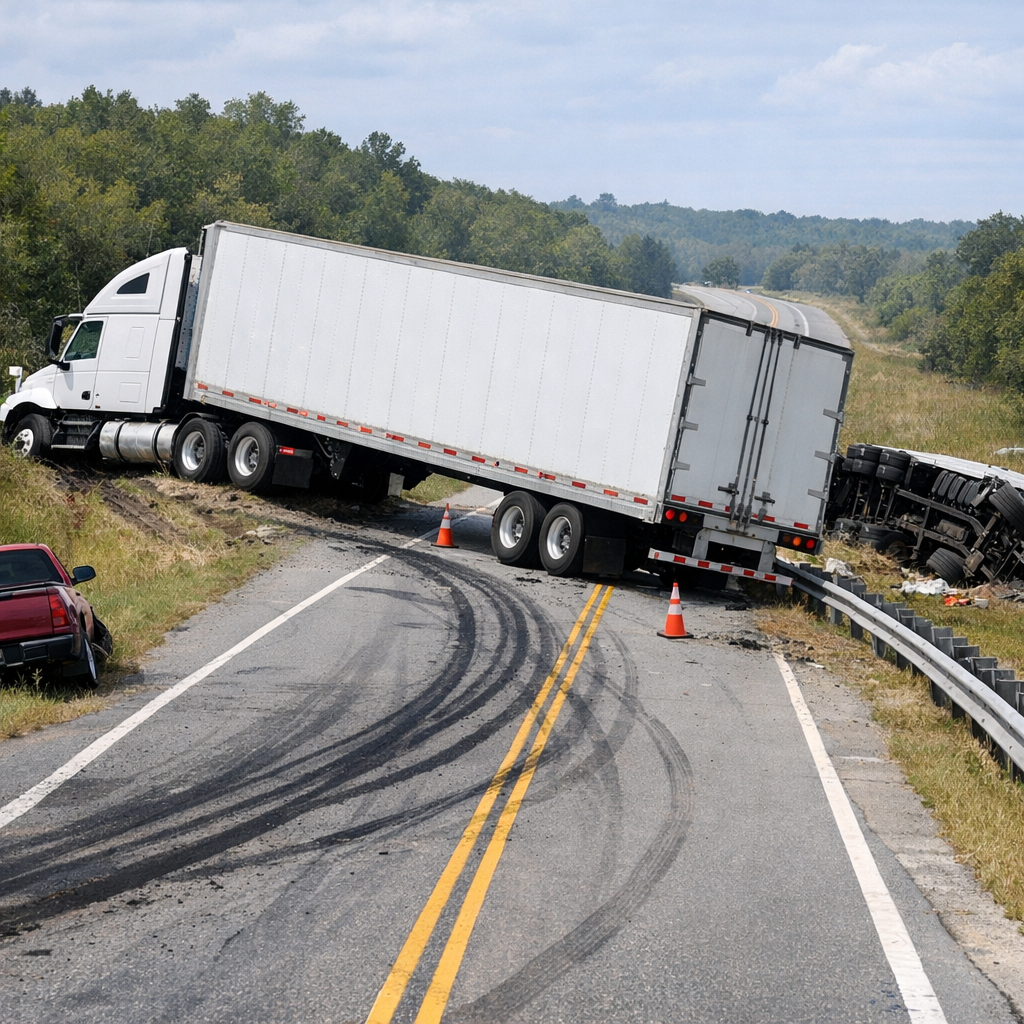
Moreover, the consequences of delayed processing are often compounded by the physical and mechanical limits of big rigs. The longer the brain takes to interpret danger and initiate a response, the less time remains to accommodate the vehicle’s inertia. Emergency maneuvers become more difficult or impossible, raising the risk of rollover, jackknife, or underride collisions.
In multi-vehicle crashes, processing delays can affect chain reactions. One driver’s delayed action may force others into sudden braking or evasive actions, escalating the crash severity. In this sense, even minor processing delays are magnified due to the scale and complexity of big rig operations.
Furthermore, modern technologies such as collision warning systems are designed to reduce these delays by alerting drivers earlier, yet the fundamental mental processing time remains a limiting factor. The interaction between human response time and technological assistance underscores the persistent significance of mental processing delays.
Understanding Mental Processing Delays Without Judgment
Mental processing delays in big rig driving illustrate how human cognitive limitations intersect with demanding operational environments. They highlight the critical role of the brain’s informational throughput speed in scenarios where seconds—or fractions of seconds—can change outcomes drastically.
Recognizing the presence and causes of these delays provides insight into the complexity of big rig driving beyond physical control of the vehicle. It reflects how fatigue, environmental factors, and cognitive load influence driver performance.
While technology and training seek to assist drivers, the inherent characteristics of mental processing speed remain a vital consideration in understanding crash dynamics and driving behavior. These delays are natural aspects of human cognition interacting with complex tasks, underscoring the challenges embedded in operating large vehicles safely on public roads.