Medical Evaluations Following Truck Collisions
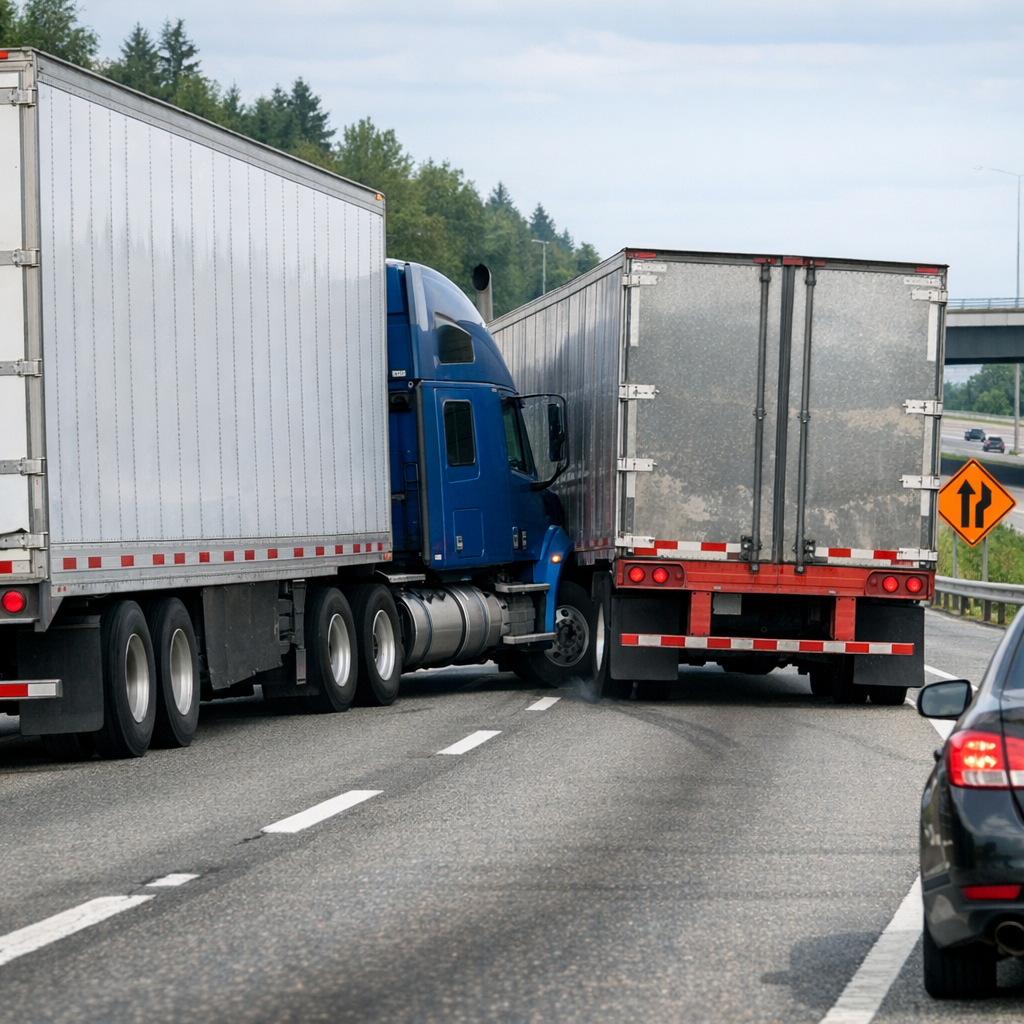
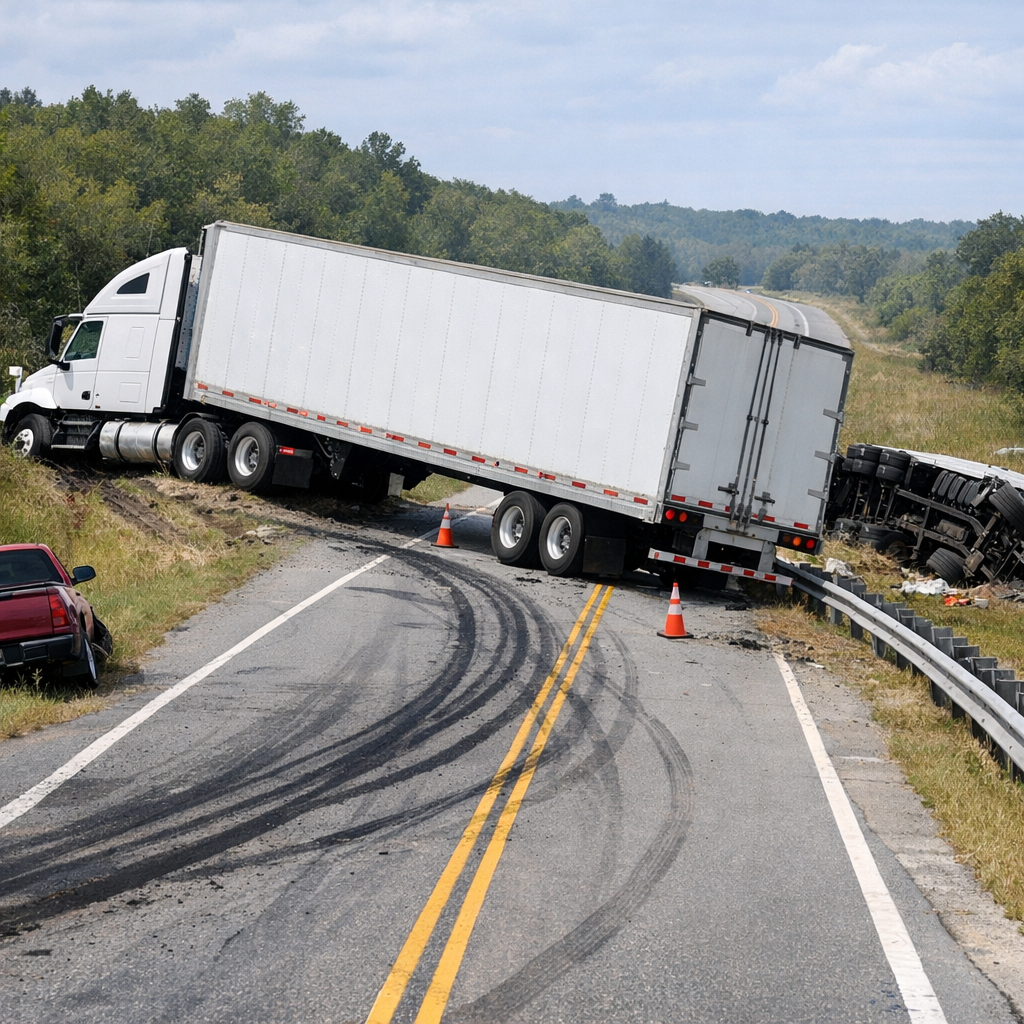
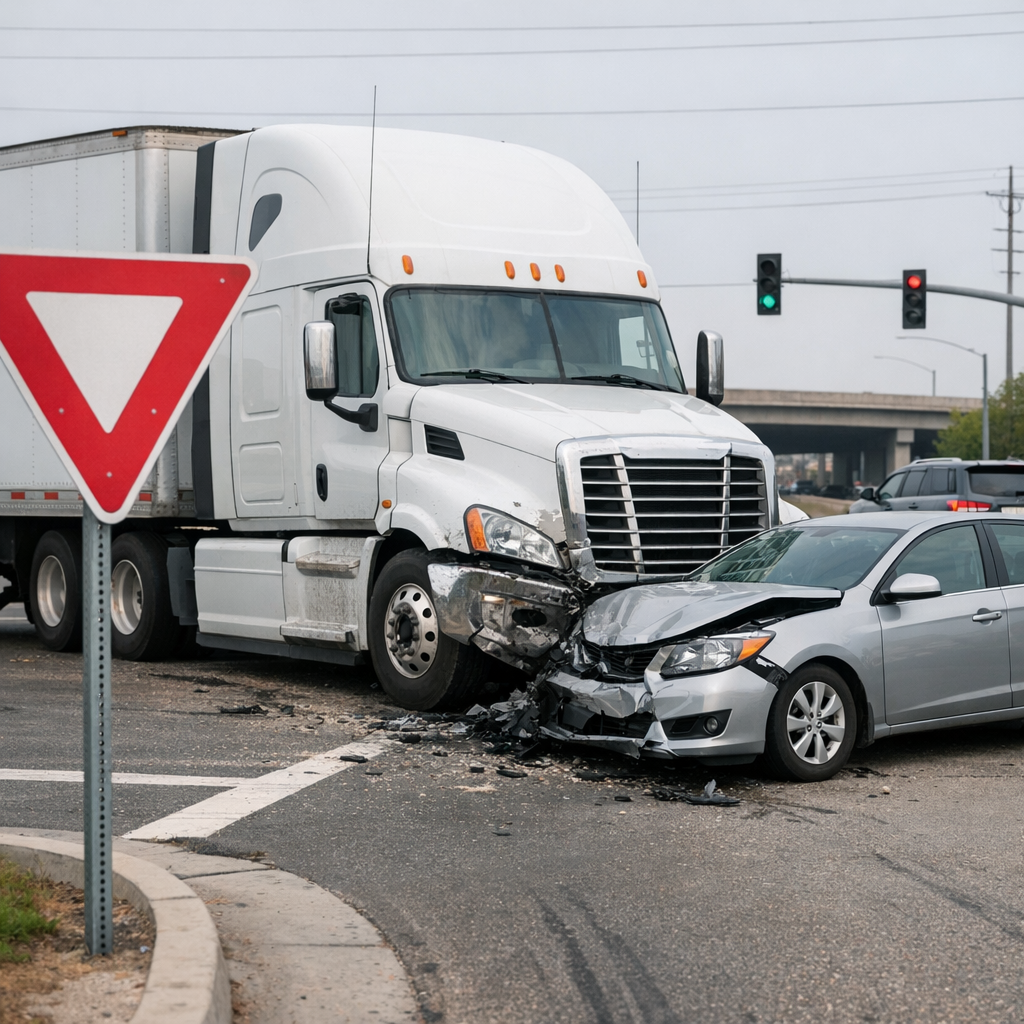
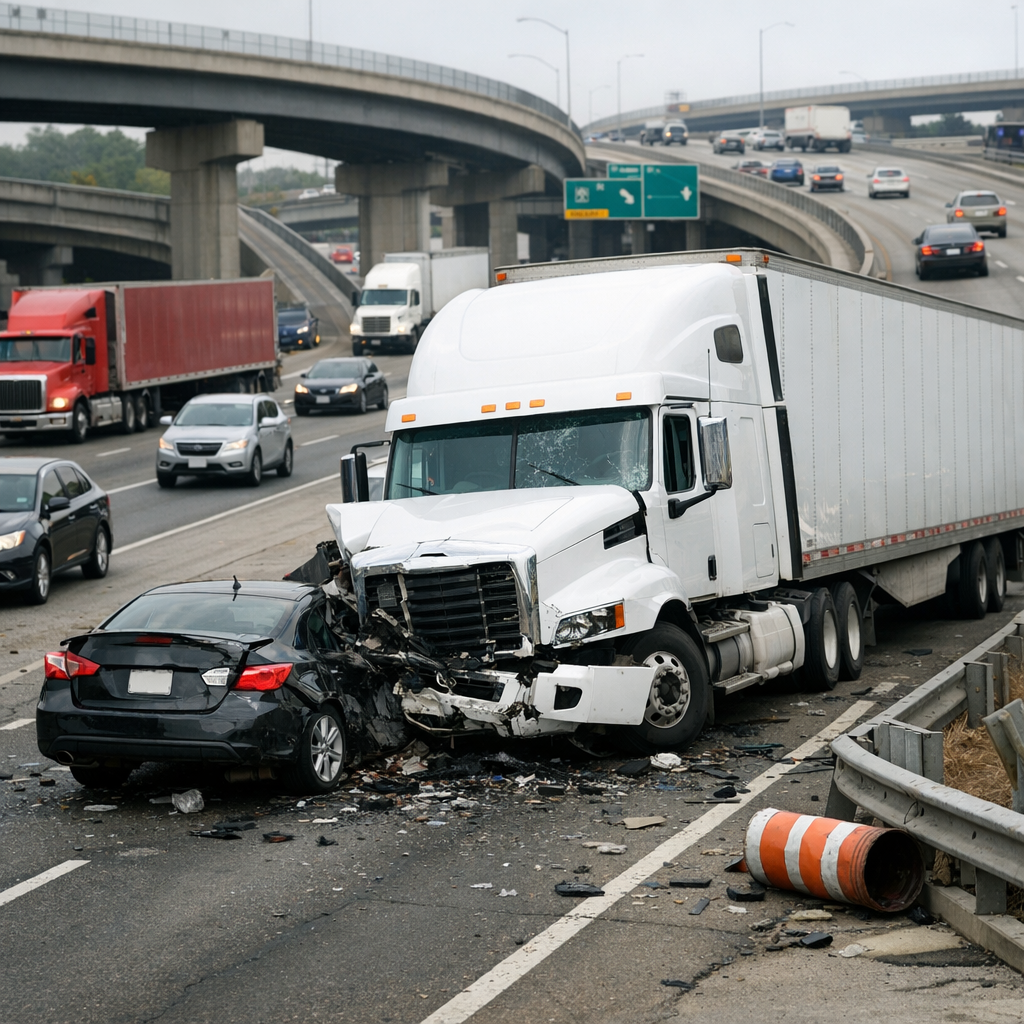
Truck collisions often involve significant impact due to the size and weight of commercial vehicles. The forces exerted in such accidents can lead to a range of injuries, some of which may not be immediately apparent. This underscores the importance of undergoing a thorough medical evaluation after a truck crash to identify and address any health concerns that might arise.
The Importance of Medical Evaluation After a Truck Crash
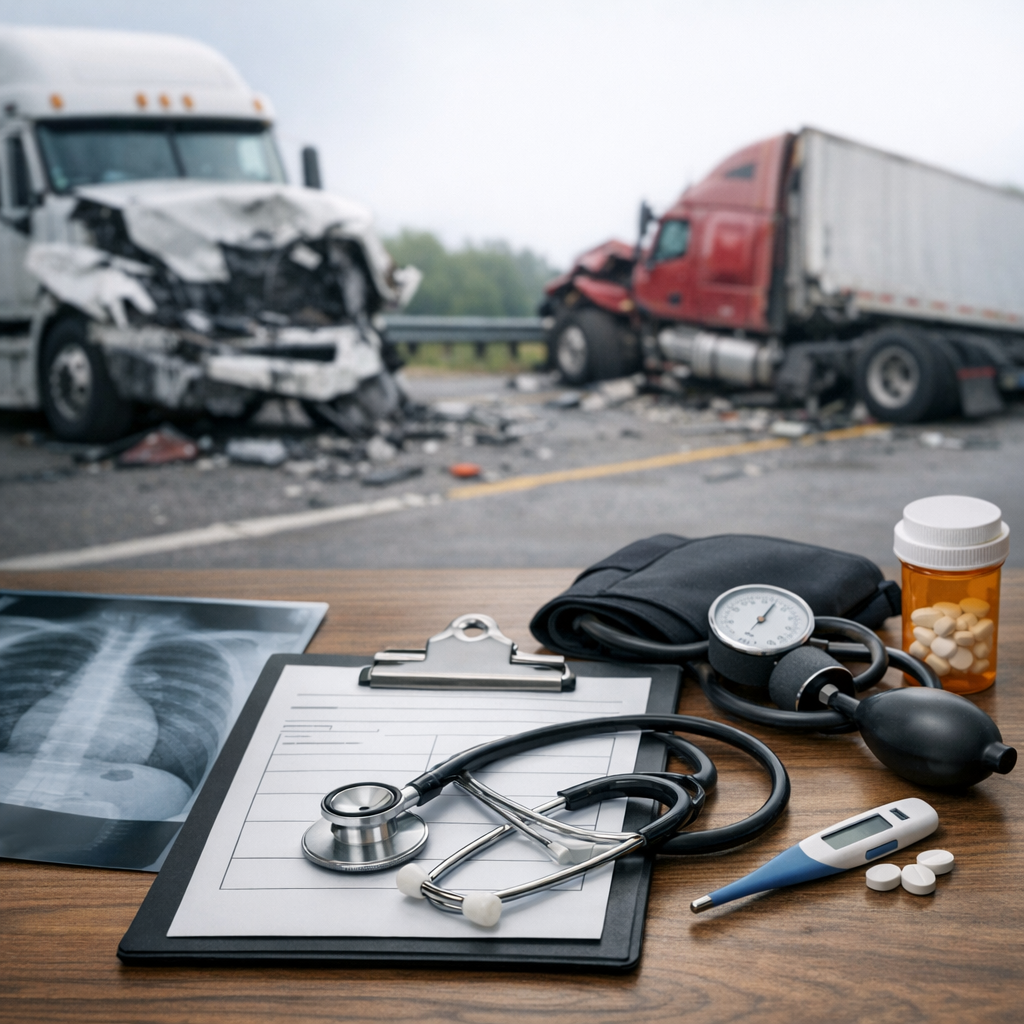
Immediately following a truck collision, the body’s physiological responses can mask injuries. Adrenaline and shock may reduce the perception of pain or discomfort, potentially delaying recognition of internal or soft tissue damage. Medical evaluations serve to detect these injuries through a comprehensive process that includes physical examination, diagnostic imaging, and patient history.
Early assessment helps uncover both visible and hidden injuries, such as concussions, fractures, or internal organ trauma. Identifying these issues promptly enables healthcare providers to develop an appropriate treatment plan. Furthermore, an initial medical evaluation after a truck collision can establish a baseline for monitoring recovery or detecting any complications that may develop later.
Typical Treatments and Initial Recovery Steps
Following a medical evaluation after a truck crash, treatment plans can vary widely depending on the type and severity of injuries sustained. Common injuries include whiplash, contusions, lacerations, fractures, and sometimes more serious trauma like traumatic brain injury or spinal cord damage. Treatment often begins with symptom management and stabilization.
Pain relief measures may involve the use of medications such as nonsteroidal anti-inflammatory drugs or muscle relaxants. For orthopedic injuries, immobilization through splints, braces, or casts is a typical early step. Soft tissue injuries frequently require physical therapy aimed at restoring mobility and reducing stiffness. In some cases, diagnostic tests may lead to recommendations for surgical intervention, particularly if structural damage is significant.
Monitoring vital signs and neurological status is also essential in the early stages to detect any signs of deterioration. Healthcare providers may recommend rest combined with gradual activity to prevent deconditioning while avoiding exacerbation of symptoms. Follow-up evaluations help gauge progress and adjust care as needed.
How Recovery Can Unfold Over Time
Recovery following a medical evaluation after a truck collision is often a gradual process. Initial improvements may focus on pain reduction and regaining basic function, with subsequent phases targeting strength, flexibility, and endurance. Individual recovery timelines vary based on factors such as age, overall health, and the nature of the injuries.
In the weeks after the accident, patients commonly undergo physical therapy to enhance range of motion and rebuild muscle strength. The intensity and type of therapy can be modified according to response. Persistent symptoms or complications may require more specialized interventions, such as occupational therapy or chiropractic care.
Psychological recovery can also play an important role, as some individuals might experience stress or anxiety related to the traumatic event. Supportive counseling or stress management techniques can contribute positively to overall healing.
Long-term follow-up may be necessary for chronic conditions or incomplete recovery. Periodic assessments can help identify any lasting impairments or the need for additional treatments. Maintaining open communication with healthcare providers throughout this process fosters a well-managed and individualized recovery experience.
Understanding the Recovery Journey After a Truck Crash
Medical evaluations following truck collisions provide an essential foundation for identifying injuries and guiding treatment. The comprehensive nature of these assessments allows for detection of both obvious and subtle health issues that might affect recovery. Treatments are typically tailored to the specific injuries and may range from pain management and physical therapy to surgical procedures when necessary.
Recovery often involves multiple stages, each addressing different aspects of healing. While early care focuses on stabilization and symptom relief, later phases emphasize regaining function and addressing any side effects of the injury. The timeline for improvement may vary, and ongoing medical supervision ensures that the recovery process remains on track.
While every individual’s experience after a truck crash is unique, access to thorough medical evaluation and appropriate follow-up care contributes to the best possible health outcomes. Taking the time for careful assessment and tailored treatment supports steady progression toward physical and emotional well-being.