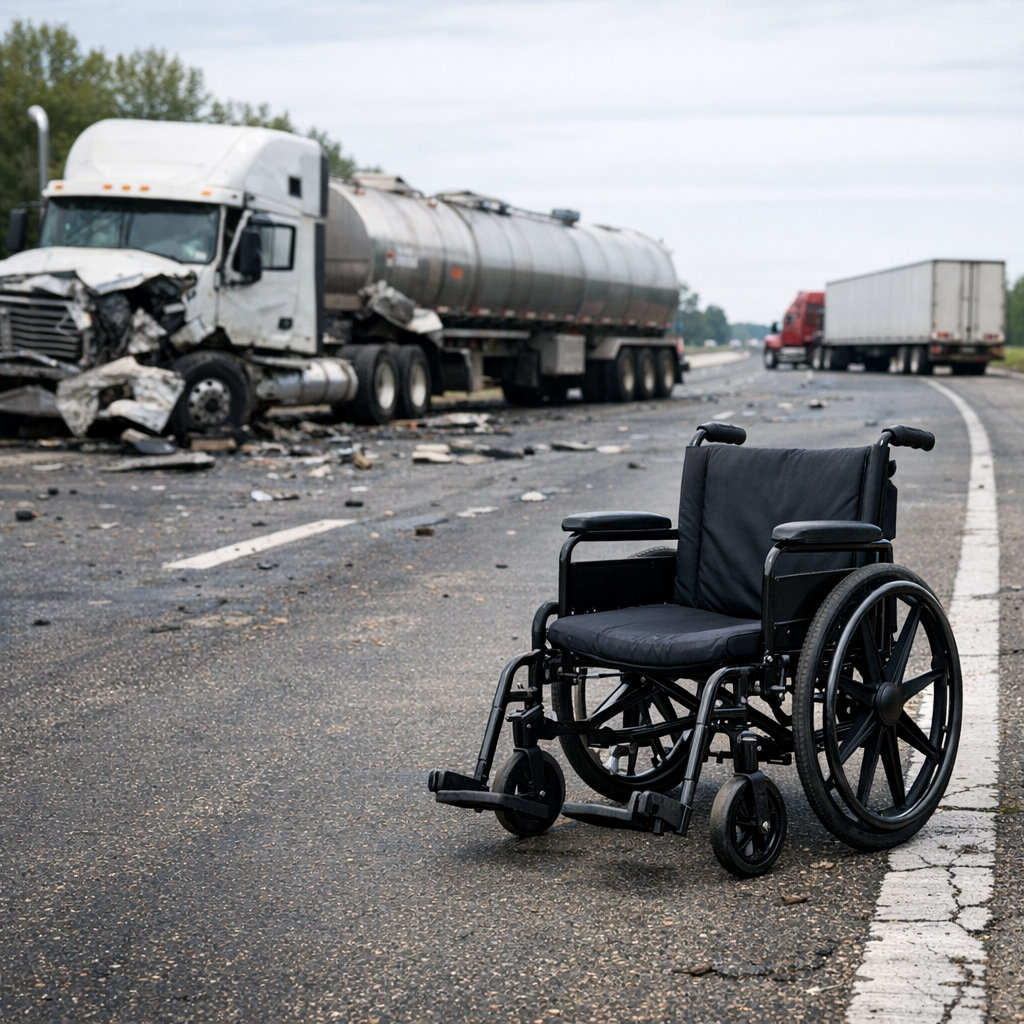
Loss of Mobility After Big Rig Accidents
Understanding Mobility Loss Following Big Rig Accidents
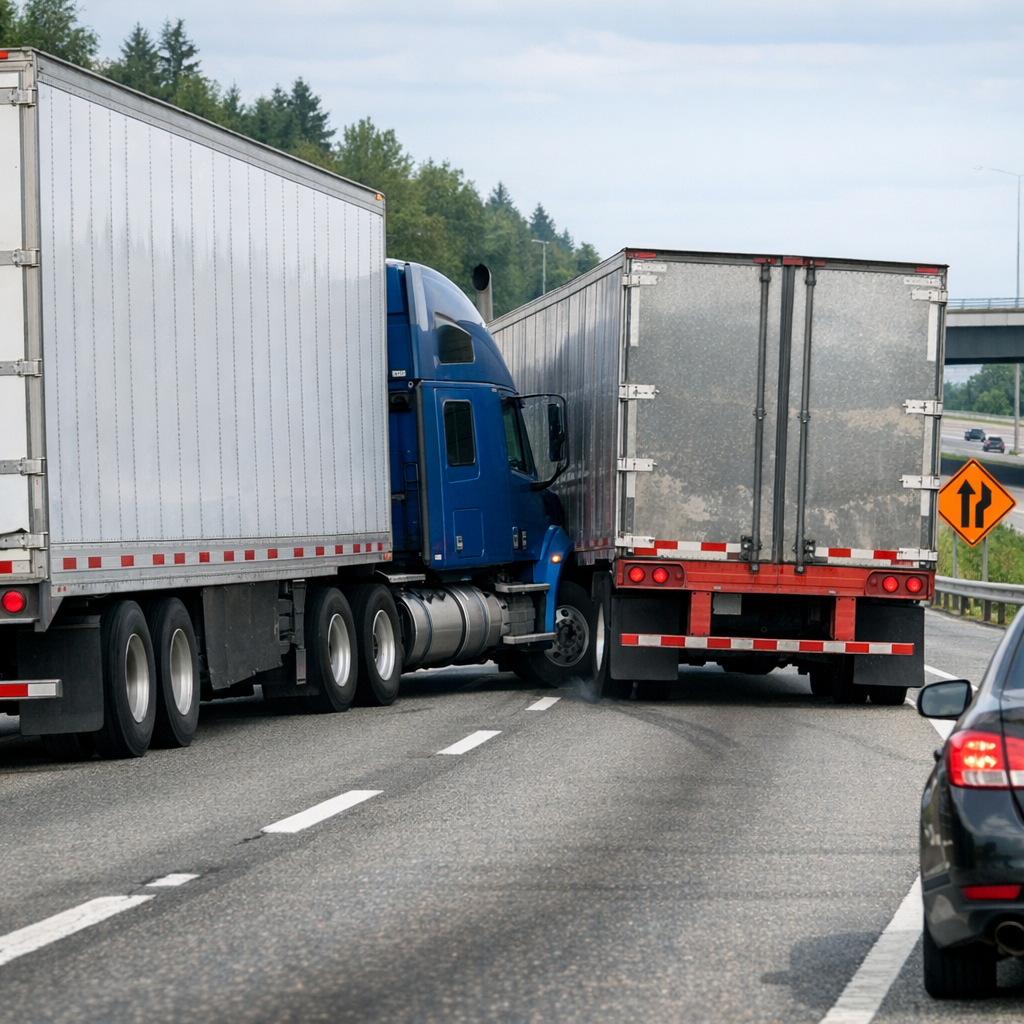
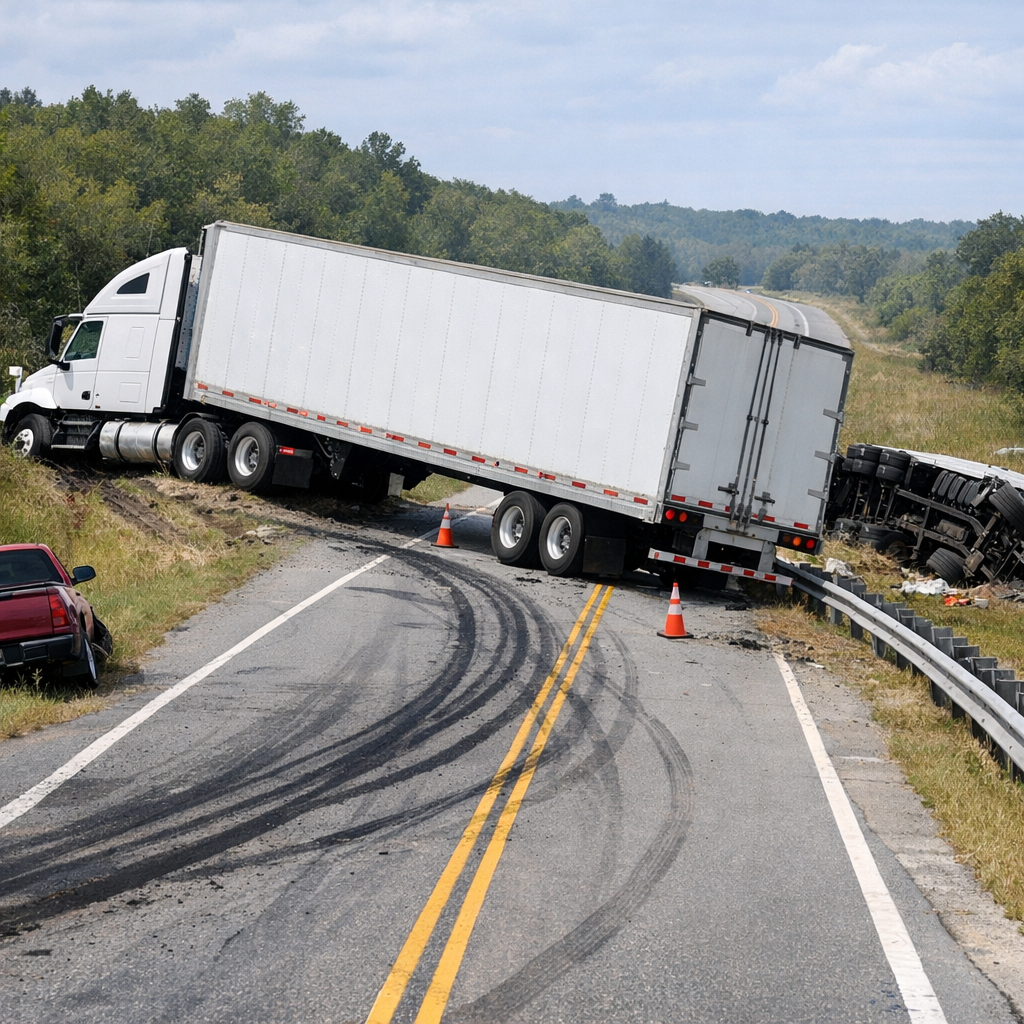
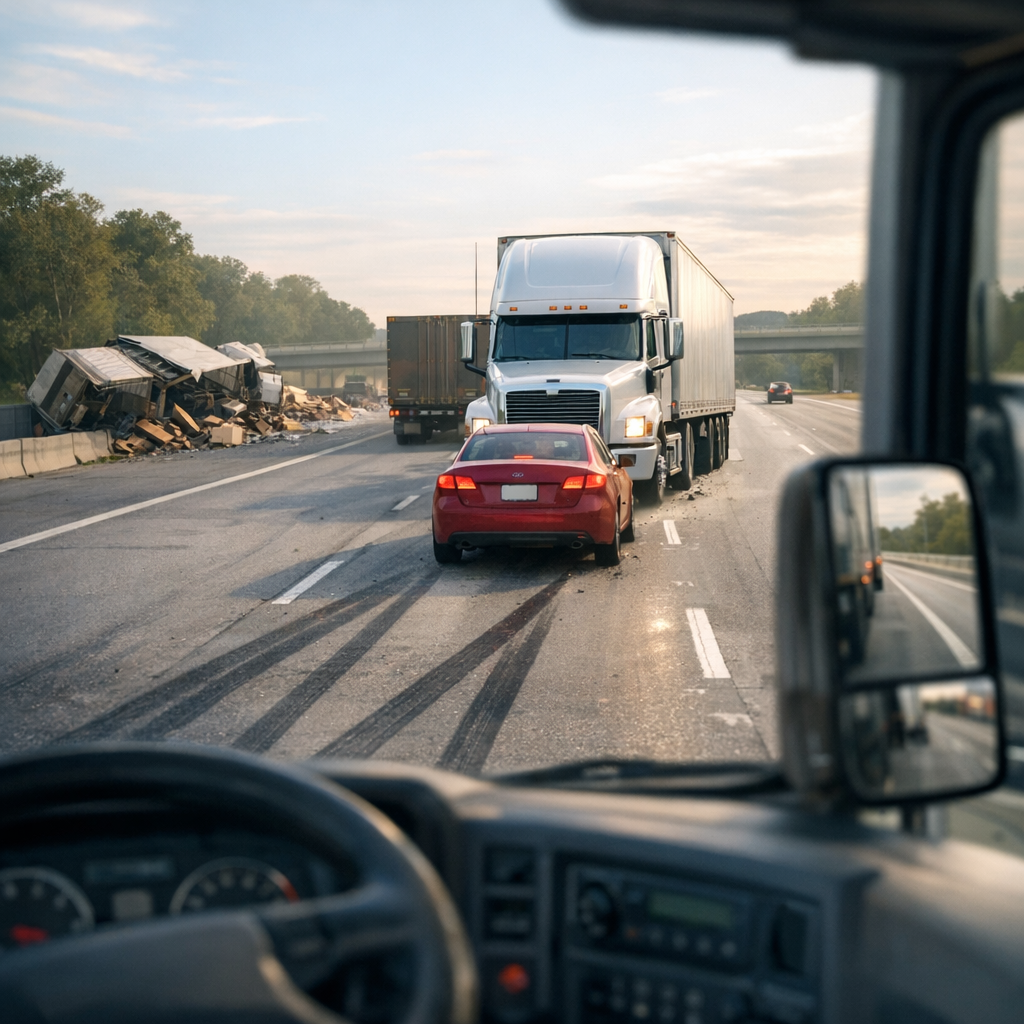
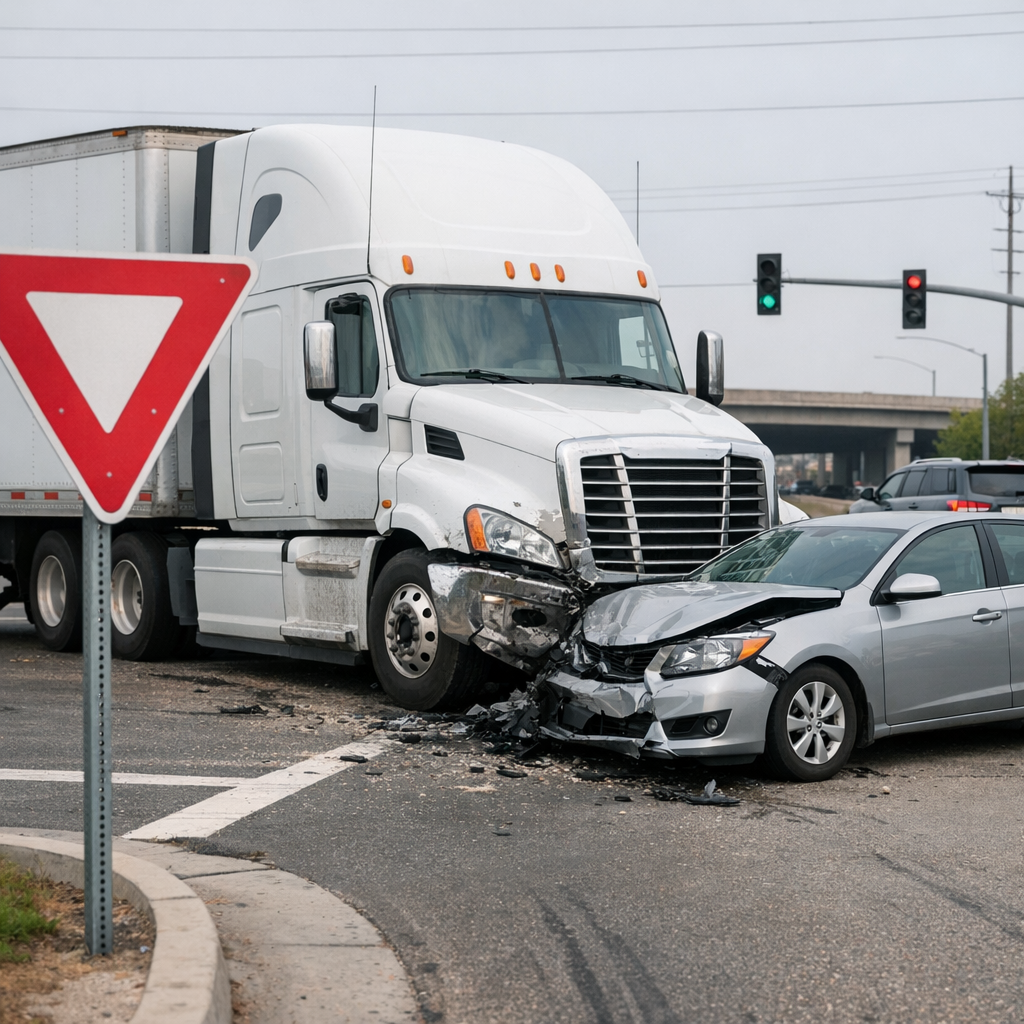
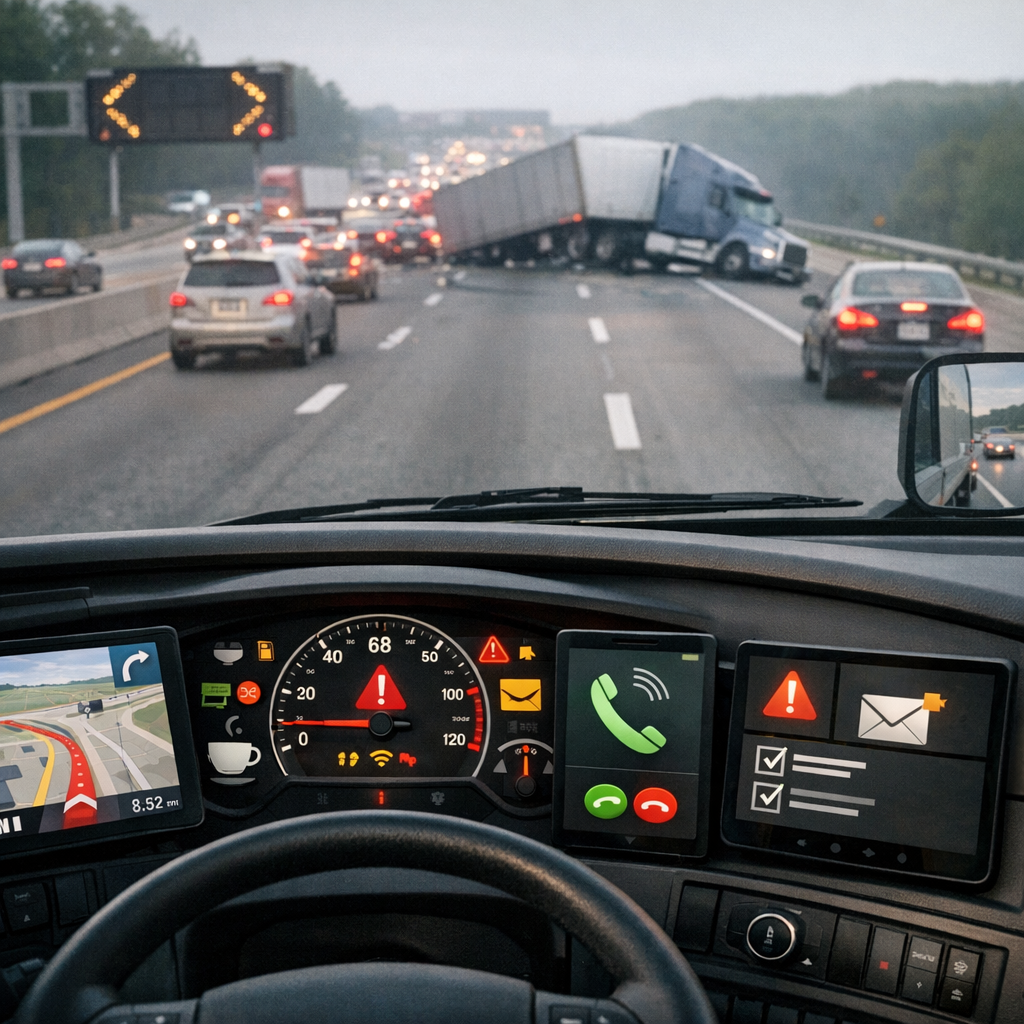
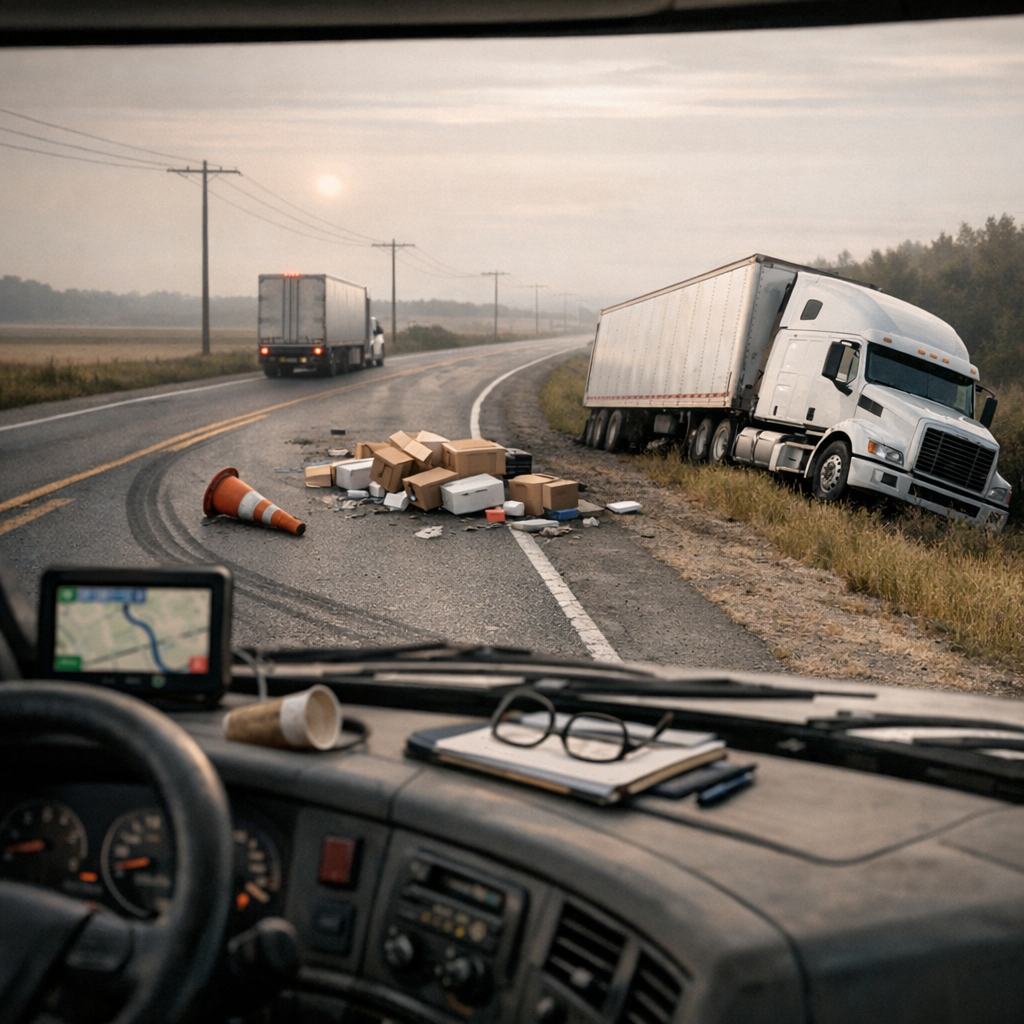
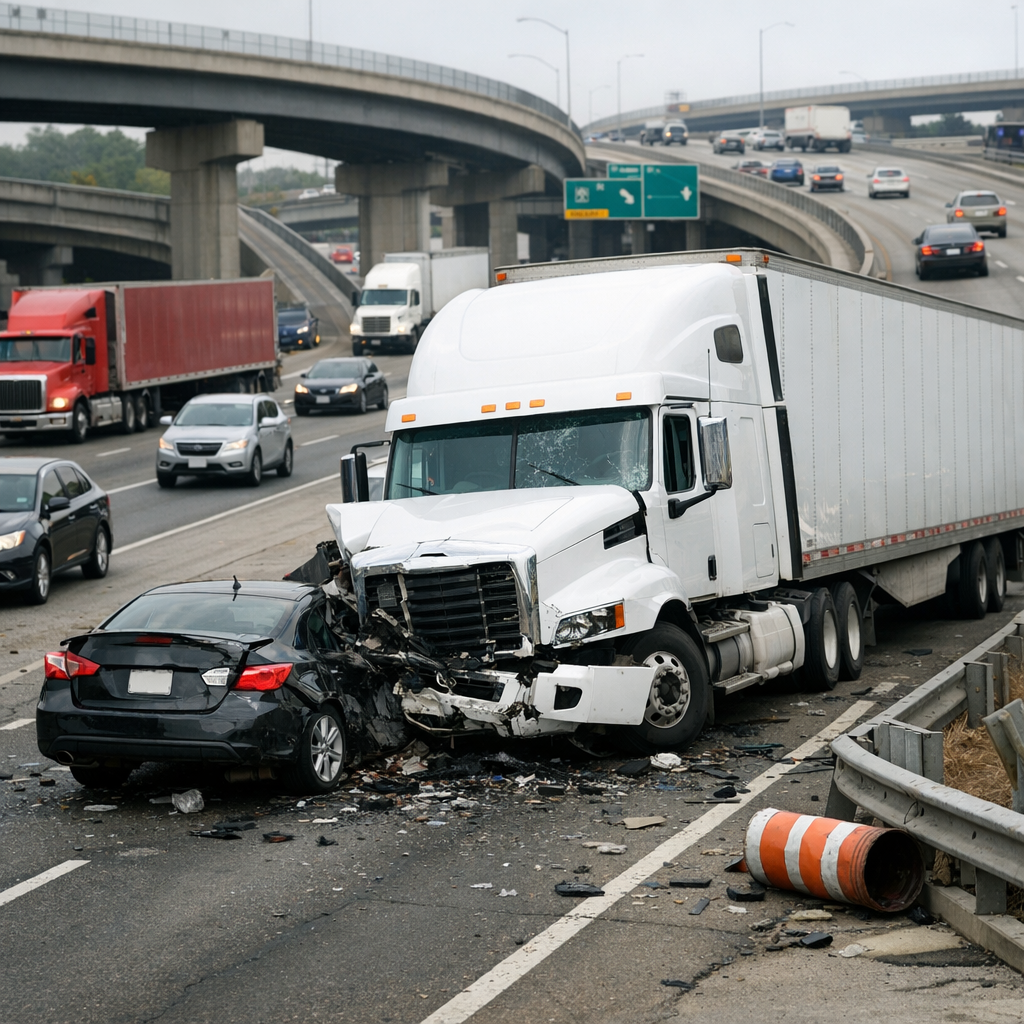
Loss of mobility after big rig accidents is a significant and often life-altering consequence. Big rigs, or large commercial trucks, carry substantial weight and size, which can result in severe trauma during collisions. Injuries sustained from such accidents frequently impact the musculoskeletal and nervous systems, leading to partial or complete loss of motor function. Damage to the spinal cord, brain injuries, fractures, and soft tissue trauma are common causes contributing to reduced mobility.
The extent of mobility loss varies greatly depending on the nature of the accident, the area of injury, and the immediacy and type of medical intervention received. For some individuals, mobility loss may be temporary, improving with time and rehabilitation. For others, especially those with nerve damage or severe spinal injuries, mobility impairments may be permanent.
Effects of Mobility Loss on Daily Life Over Time
Mobility loss resulting from big rig accidents can dramatically change an individual’s day-to-day routine. Basic activities that were once routine, such as walking, dressing, or feeding oneself, can become difficult or impossible without assistance. The degree of dependence on mobility aids or caregiver support often increases with more severe impairments.
Over time, limited mobility can influence physical health beyond the initial injury. Reduced movement may lead to muscle atrophy, joint stiffness, and cardiovascular complications. It often affects balance and coordination, increasing the risk of falls or secondary injuries. Chronic pain is also a common challenge faced by individuals coping with mobility impairments.
Psychosocially, the loss of independence tied to mobility changes can impact social participation and emotional well-being. Adjustments to living environments, such as modifications to home settings or transportation, may be necessary to accommodate mobility limitations. Activities like employment, recreation, and social interaction can require adaptations to align with new physical capabilities.
Common Concerns Related to Mobility Loss After Big Rig Accidents
Individuals experiencing mobility loss frequently have concerns related to ongoing health management. Concerns often revolve around the effectiveness and accessibility of rehabilitation treatments, including physical therapy and assistive devices. Additionally, pain management and prevention of complications, such as pressure sores or infections, are common areas of focus.
Another concern includes the long-term prognosis and potential for further decline. Some may worry about the trajectory of their mobility over time and the possibility of additional medical interventions. The ability to regain some degree of independence is often a sustained consideration.
Accessibility and accommodation challenges present practical concerns. Navigating public and private spaces, as well as transportation systems, may require considerable planning and resources. Additionally, emotional adjustment to new limitations can be an ongoing process, influencing mental health and quality of life.
Informational Perspective on Mobility Loss After Big Rig Accidents
Loss of mobility following big rig accidents reflects a complex interplay of medical, physical, and social factors. Individual experiences vary widely based on injury type, severity, and personal circumstances. Understanding this outcome involves recognizing the evolving nature of mobility impairments and their broader implications.
Advancements in medical care and rehabilitation have broadened options for managing mobility loss, supporting improved function and quality of life in many cases. Awareness of these aspects may provide a clearer picture of what living with mobility loss after a big rig accident entails.
The process of adaptation and management of mobility loss is ongoing and highly individualized. Continued research and clinical advances contribute to evolving approaches that address the diverse needs of those affected.