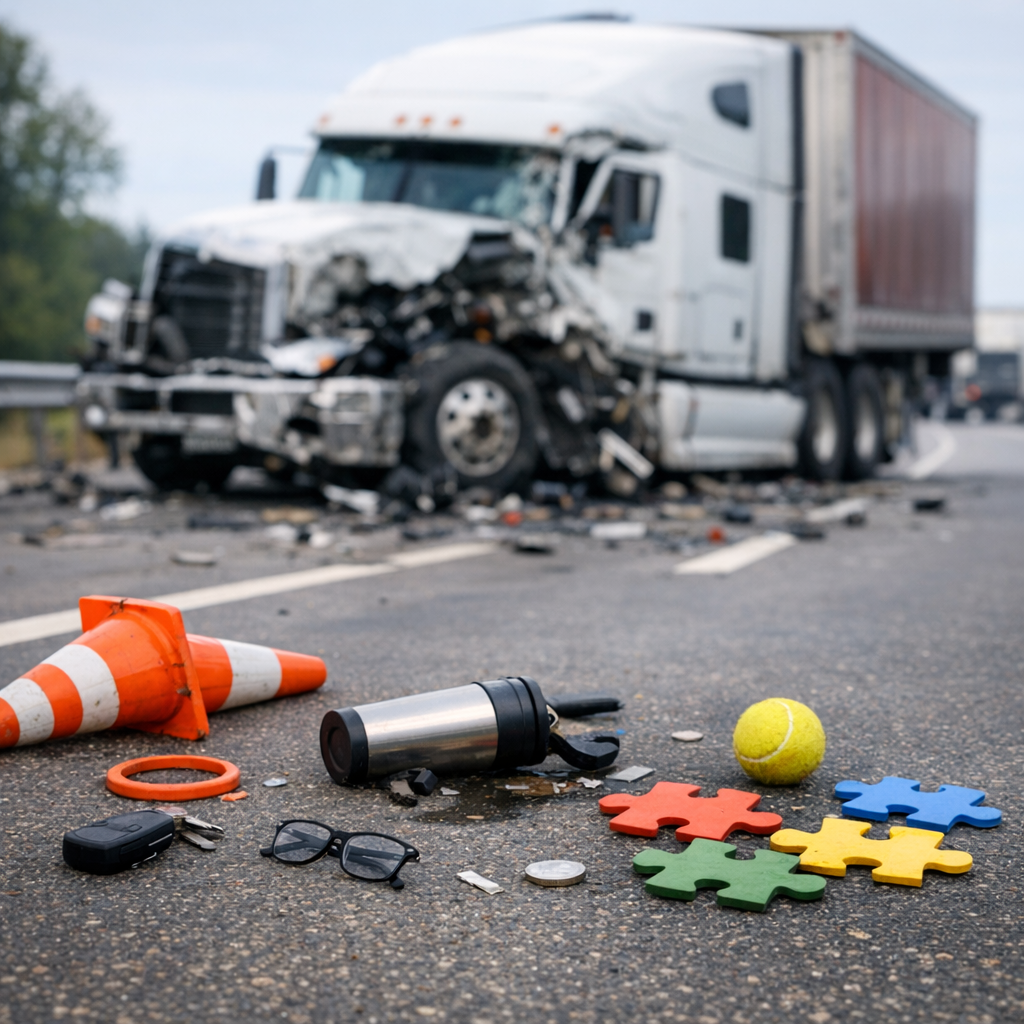
Loss of Coordination After Truck Accidents
Understanding Coordination Loss After Truck Accidents
Loss of coordination, often referred to as ataxia or coordination impairment, can be a significant outcome following truck accidents. This condition involves difficulty in controlling voluntary muscle movements, leading to challenges in balance, fine motor skills, and overall physical control. Coordination loss after truck accidents may result from various types of injuries, including traumatic brain injuries, spinal cord damage, or nerve trauma.
When a substantial force, such as that experienced in a truck collision, impacts the body, it can affect the nervous system’s ability to communicate with muscles effectively. The brain and spinal cord play crucial roles in processing sensory input and sending motor commands. Damage to these structures may disrupt this communication, leading to impaired coordination. In some cases, swelling, bleeding, or bruising in brain tissue can worsen these effects immediately or over time.
How Coordination Loss Affects Daily Life Over Time
The impact of coordination loss after truck accidents extends beyond the initial injury and can influence daily activities in various ways. A person with coordination difficulties may find tasks requiring balance, precise hand movements, or walking more complicated. For instance, activities like writing, buttoning a shirt, or holding utensils may become challenging due to fine motor impairment.
Over time, coordination loss may also contribute to difficulties in mobility. Walking may become unsteady, increasing the risk of falls. This decreased physical autonomy can affect an individual’s ability to perform routine errands, maintain personal hygiene, or participate in recreational activities. The extent of these changes varies depending on the severity and location of the injury, as well as any rehabilitation efforts undertaken.
Coordination difficulties may also interfere with work-related tasks, particularly those requiring physical precision or manual dexterity. Automated movements, such as driving or operating machinery, might be less reliable, which can influence occupational roles and responsibilities. Leisure activities such as sports, hobbies, or social engagements might be affected as well, altering lifestyle and engagement with others.
Common Concerns Surrounding Coordination Loss After Truck Accidents
Individuals experiencing coordination loss after truck accidents often have concerns related to safety and independence. The risk of falls due to impaired balance is a frequently mentioned issue, as is the worry about losing the ability to carry out self-care routines. These concerns reflect the practical challenges that coordination loss introduces into everyday life.
Another common concern involves cognitive aspects related to coordination impairment. When the brain is affected, additional symptoms such as slowed reaction times, clumsiness, or difficulties with spatial awareness may arise. These changes can contribute to an increased need for monitoring or support from family members or caregivers.
Long-term prognosis and the possibility of improvement are also topics of interest. Coordination loss linked to truck accidents can be stable, improve, or, in some cases, worsen, depending on underlying damage and other health factors. Questions about these outcomes are prevalent among those affected, as they relate directly to quality of life and future planning.
In some instances, coordination loss may coexist with other symptoms such as muscle weakness, numbness, or pain. These overlapping symptoms can complicate the overall picture and may require comprehensive evaluation to understand the full impact.
Information to Consider About Coordination Loss After Truck Accidents
Loss of coordination following truck accidents is a complex outcome with varying degrees of impact. It emerges from the physical consequences of significant trauma to the nervous system and can influence many aspects of daily functioning. The progression and duration of coordination difficulties differ based on factors such as the injury’s extent and the individual’s overall health.
People experiencing coordination loss may observe gradual changes or sudden impairments. Adjustments in lifestyle and the development of strategies to manage coordination challenges are often part of the ongoing experience. Understanding the nature of these impairments and their potential implications might help provide clearer expectations.
Coordination loss is a condition that interacts with various elements of health and environment. External support, accessibility considerations, and adaptations to pace and routine may become relevant factors. Awareness of these aspects contributes to a comprehensive view of living with coordination difficulties after truck accidents.
In summary, coordination loss after truck accidents is a significant outcome reflecting neurological injury. Its effects on physical abilities and daily tasks can be considerable and require ongoing awareness. While the condition presents challenges, it is one aspect within a broader spectrum of post-accident effects that may evolve over time.