Long-term Mobility Issues After Truck Crashes
Truck crashes often result in severe injuries due to the size and weight of the vehicles involved. Among the various consequences, long-term mobility issues are a significant outcome affecting many survivors. These mobility challenges can range from minor impairments to substantial restrictions that influence daily functioning. Understanding the nature, progression, and impact of these issues contributes to a clearer perspective on the long-term effects of truck-related accidents.
Understanding Long-term Mobility Impairments
Long-term mobility issues following truck crashes typically arise from damage to the musculoskeletal system, nervous system, or both. Injuries to bones, joints, muscles, ligaments, and nerves can occur due to the high-impact forces usually involved in such collisions. Common injury types associated with prolonged mobility difficulties include spinal cord injuries, traumatic brain injuries, fractures, and soft tissue damage.
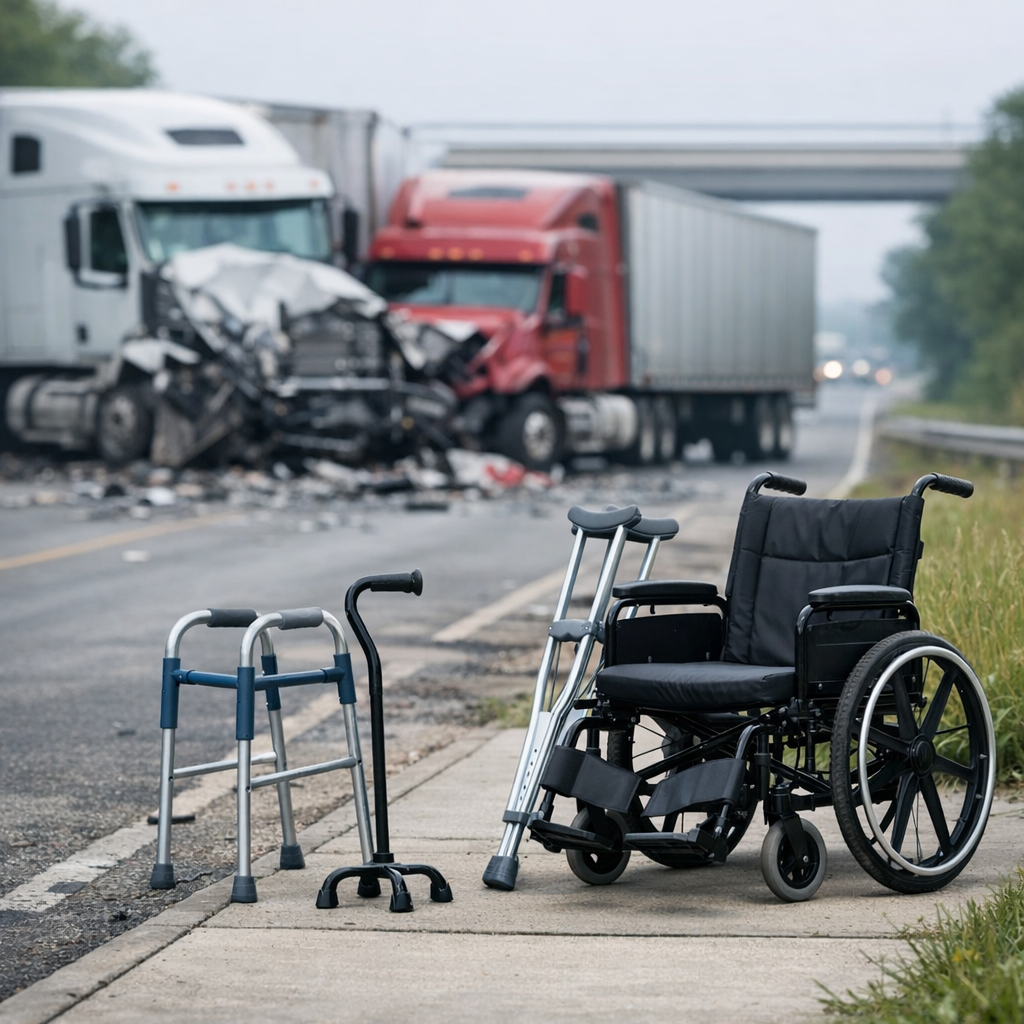
The severity and location of these injuries largely determine the extent of mobility impairment. Some individuals experience partial limitations in movement, such as restricted range of motion or decreased strength. Others face more extensive disabilities, including paralysis or the need for assistive devices like wheelchairs or walkers. These impairments may not fully resolve over time, leading to chronic mobility challenges.
Impact on Daily Life Over Time
Long-term mobility issues after truck crashes can profoundly affect everyday activities. Tasks that were once routine may become challenging or impossible to perform independently. For example, walking, climbing stairs, and reaching for objects might require adaptation or assistance.
Physical mobility also influences broader aspects of life such as employment, social interactions, and personal care. Changes in mobility can affect a person’s ability to work, especially in jobs demanding physical effort or prolonged periods of standing and walking. Social engagements might diminish due to transportation difficulties or physical limitations in navigating certain environments.
Furthermore, the progression of mobility issues may involve complications like muscle atrophy, joint stiffness, and chronic pain, which can intensify functional impairments. Ongoing rehabilitation or physical therapy may be necessary to maintain existing abilities and prevent further decline. Nonetheless, some individuals may experience persistent challenges despite such interventions.
Common Concerns Related to Mobility Limitations
Individuals experiencing long-term mobility problems after truck crashes often face a range of concerns specific to their condition. Pain management is a frequent issue, as chronic discomfort can limit movement and affect overall quality of life. Additionally, the risk of secondary complications, such as pressure sores or infections, may be heightened in cases involving reduced mobility.
Transportation is another common concern. Limited mobility can restrict access to vehicles or public transit options, complicating travel for work, medical appointments, or social activities. Accessibility in public and private spaces also becomes a practical consideration, with many encountering barriers that impact independence.
Psychological aspects, including feelings of frustration or social isolation, are often associated with long-term mobility impairment. The changes necessitated by physical limitations may contribute to a need for adjustments in lifestyle and social support systems.
Overview and Considerations
Long-term mobility issues following truck crashes are complex and multifaceted. They stem from a variety of injury types and present diverse challenges in daily life. The trajectory of these mobility complications varies, with some individuals experiencing stabilization of function while others may face gradual changes over time.
Information regarding the nature and impact of long-term mobility after truck crashes aids in fostering realistic expectations. Recognizing the potential for persistent mobility difficulties highlights the importance of ongoing support and adaptations tailored to individual needs. Awareness of these outcomes allows for a measured understanding of the ways in which mobility can be affected in the aftermath of serious accidents involving large vehicles.