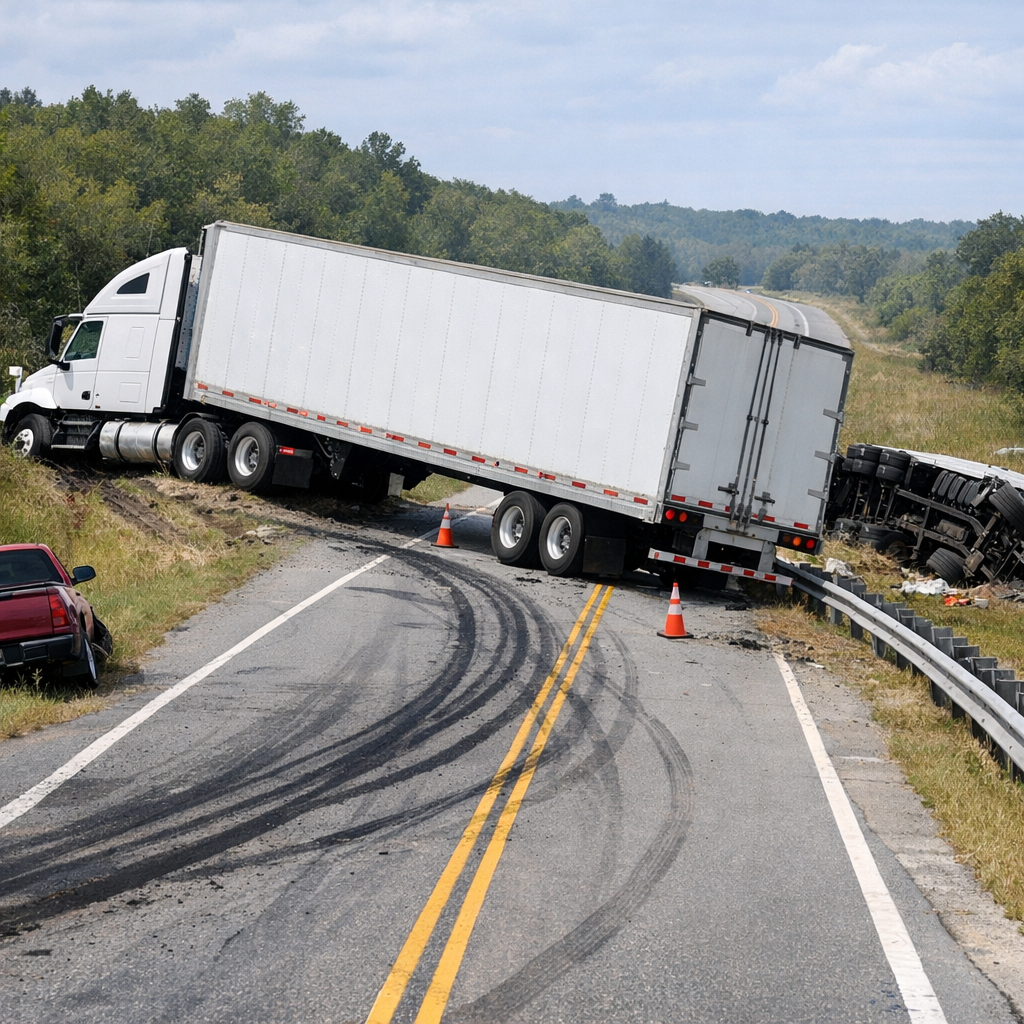

Long Term Care Planning After Truck Injuries
Sustaining an injury from a truck accident often leads to complex medical needs due to the severity and nature of these incidents. The force involved in truck collisions can result in extensive trauma or chronic health issues that require ongoing medical attention and rehabilitation. Understanding the importance of long term care planning after truck injuries helps individuals and their families prepare for a recovery process that might extend beyond initial hospital treatment.
Understanding the Need for Continuous Medical Care After Truck Injuries
Truck accidents frequently cause injuries that go beyond immediate trauma. These may include fractures, spinal cord injuries, traumatic brain injuries, or severe soft tissue damage. In many cases, the initial medical intervention addresses the most critical and life-threatening concerns, but the recovery process often necessitates ongoing care to address long-term effects.
Continuous medical monitoring is essential to track healing progress and prevent complications such as infections, mobility limitations, or chronic pain. Furthermore, some injuries can result in permanent changes to physical or cognitive function, requiring adjustments in everyday activities. Long term care planning after truck injuries considers these possibilities and ensures that supportive treatments, therapies, and preventive measures are coordinated effectively over time.
Typical Treatments and Initial Recovery Steps
The early phase of recovery usually begins with stabilization and addressing acute injuries. This involves emergency medical care that might include surgery, wound care, and pain management in a hospital setting. Physical therapy often starts shortly after stabilization to maintain range of motion and prevent muscle atrophy, even if full strength is not immediately restored.
Specialized rehabilitation programs might be necessary for more complex injuries. For example, spinal injuries may require both physical and occupational therapy to maximize functional independence. Brain injuries often call for cognitive rehabilitation, which focuses on improving memory, attention, and problem-solving abilities.
Medications may play a role in managing ongoing pain, inflammation, or other symptoms during recovery. These treatments are typically reviewed and adjusted periodically based on patient response. Long term care planning should consider not only the medical treatments themselves but also the coordination of multiple healthcare providers to maintain continuity of care.
Progressing Through Different Stages of Recovery
Recovery from truck-related injuries generally occurs in distinct stages, although the length and intensity of each can vary depending on the individual case. During the subacute phase, which may last several weeks to months, the focus often shifts to regaining strength and independence through physical rehabilitation and adaptive strategies.
As recovery continues, many individuals enter a maintenance phase where the primary goal is sustaining function and preventing secondary complications. This might involve ongoing physical therapy, periodic medical evaluations, and lifestyle modifications to accommodate any lasting limitations.
In some cases, recovery extends into a long-term adjustment period. Here, individuals and caregivers may need to plan for durable medical equipment, home modifications, or supportive services to ensure safety and quality of life. Psychological support can also be important throughout the recovery process, addressing emotional and mental health concerns that arise due to injury-related changes.
Key Considerations for Long Term Care Planning
Long term care planning after truck injuries often involves evaluating the potential impact of current and future healthcare needs. This includes considering access to specialized medical providers, rehabilitation services, and support systems. Coordination between different healthcare disciplines is essential to tailor recovery strategies that accommodate evolving needs.
Planning should also include discussions about future assessments and treatments, recognizing that some complications or limitations might develop well after the initial injury phase. Family members and caregivers can benefit from resources that help them understand the recovery trajectory and available support options.
Understanding the possibility of varying recovery timelines is an important aspect of long term care planning. Some individuals may experience gradual improvements over several years, while others might face permanent challenges requiring ongoing adaptations. Flexibility and realistic expectations can help manage the complexities associated with extended recovery processes.
A Balanced Approach to Recovery and Planning
Long term care planning after truck injuries involves more than immediate medical treatment; it encompasses a holistic view of an individual’s evolving health and functional status. Recovery is often a multifaceted journey requiring patience and coordinated care efforts.
While the road to recovery may present challenges, careful planning and regular medical follow-up can support better management of health conditions arising from truck injuries. This approach promotes a structured and measured progression through recovery stages, with emphasis on maintaining quality of life and adapting to changing needs.
Ultimately, long term care planning acts as a framework that supports the integration of medical, physical, and emotional care throughout the recovery timeline. Understanding this process helps individuals and families prepare for what lies ahead in a calm, informed manner.