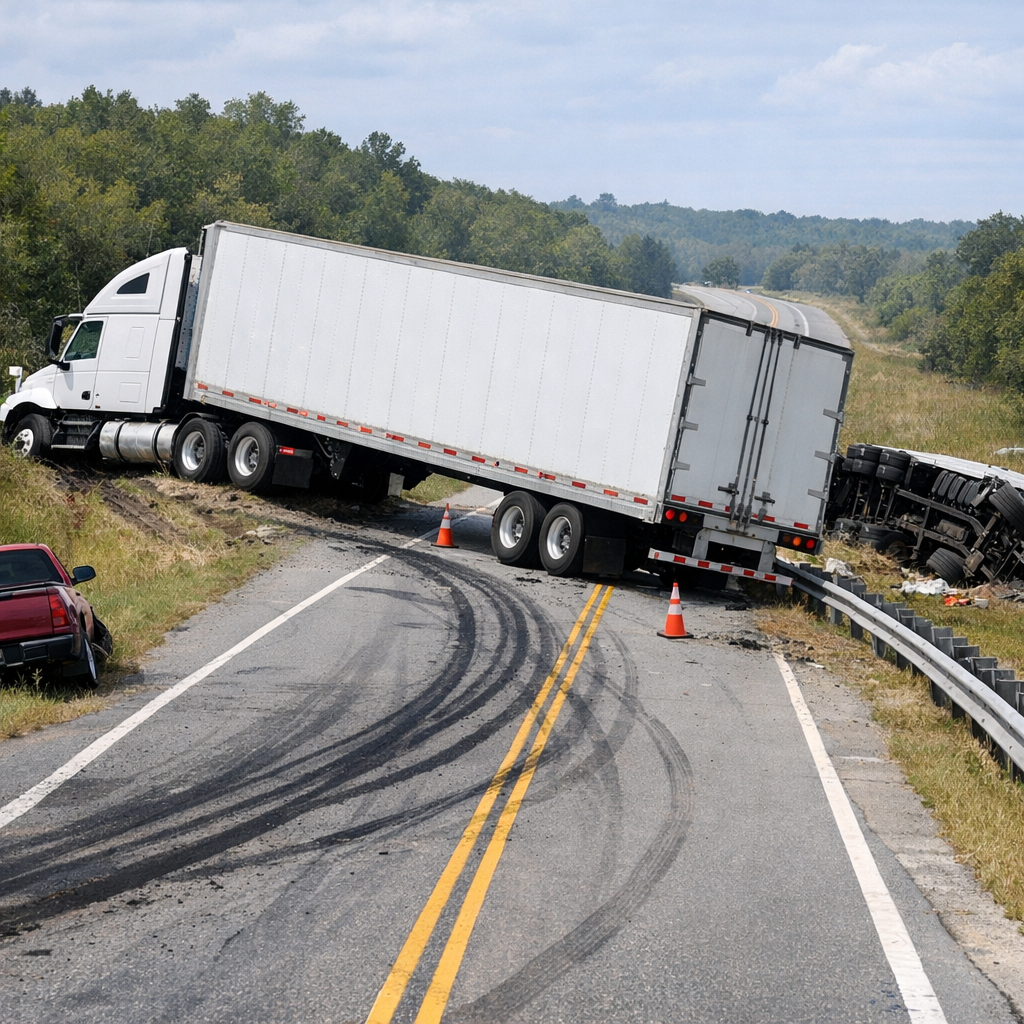

Life Adjustment After Unexpected Fatal Accidents
Fatal accidents bring with them an unimaginable weight, profoundly transforming the lives of those left behind. The suddenness and finality of such losses interrupt the normal rhythms of life, creating a period of deep adjustment and reevaluation. The journey through this altered landscape is both deeply personal and universally challenging, revealing the resilience and fragility of human experience.
The Immediate Reality of Loss
The gravity of a fatal accident extends far beyond the tragic event itself. The finality of death disrupts the continuity many take for granted. Families and loved ones are thrust into a state of shock and disbelief, confronted with the reality that life as they knew it has irrevocably changed. This moment marks the beginning of a difficult process where the absence of a loved one shapes everyday existence.
The unexpected nature of such losses often means there is little time to prepare mentally or emotionally. The suddenness intensifies the initial impact, complicating the process of coming to terms with the new reality. This initial period is marked by both outward and inner upheaval, as those affected strive to make sense of what has occurred.
Impact on Families and Loved Ones
The reverberations of a fatal accident ripple through the complex relationships within families and social circles. Each individual processes grief in their own time and manner, which can sometimes lead to feelings of isolation or misunderstanding among close connections. The loss can alter family dynamics, as roles and responsibilities shift in response to the absence.
Emotional bonds are deeply affected, and the presence of the deceased often continues in memories, rituals, and shared stories. The relationships that remain must adapt to the changed landscape, finding new ways to connect and support one another. This ongoing adaptation reflects the living nature of grief and remembrance.
The practical effects on families can be equally profound. Adjustments may be needed in daily routines, financial circumstances, and long-term planning. These changes add an additional layer of complexity to the emotional process, requiring significant time and energy to manage.
Navigating Emotional and Practical Challenges
Adjusting to life after a fatal accident involves a range of emotional experiences. Feelings of sorrow, disbelief, anger, and confusion are commonly encountered. The unpredictability of these emotions can be disorienting, often arriving in waves rather than following a linear pattern. This variability underscores the deeply individual nature of grief.
Alongside emotional responses, practical challenges emerge. Tasks that may have seemed routine before—managing household responsibilities, caring for children, or maintaining employment—can become more difficult in the context of loss. The disrupted sense of normalcy necessitates the development of new coping mechanisms and routines.
Recognizing the need for patience and self-compassion during this time is important. The process of life adjustment after a fatal accident is gradual and nonlinear. Small steps toward reestablishing a sense of structure and meaning in everyday life can foster resilience.
Finding a Path Forward
While the impact of an unexpected fatal accident is profound and enduring, life adjustment is an ongoing process shaped by time, experience, and support. Each person’s journey is unique, influenced by their individual circumstances, relationships, and inner resources.
Acknowledging the depth of this adjustment honors the reality of loss without diminishing the possibility of eventual stability. Life inevitably carries change, and while some chapters close abruptly, new ones gradually open. The memories of those lost continue to hold significance, even as the living find ways to move forward.
As family members and loved ones navigate this difficult path, the emphasis remains on understanding, patience, and respect for the pace of healing. The challenges presented by fatal accidents are real and complex, yet through thoughtful adjustments, new modes of living and remembering emerge.