Initial hospital stabilization after truck accidents
Truck accidents often result in complex and severe injuries due to the large size and weight of commercial vehicles. The initial phase of medical care following such incidents is critical for addressing life-threatening conditions and setting the stage for a patient’s overall recovery. Hospital stabilization after a truck accident involves carefully coordinated efforts to assess, treat, and monitor injuries in a controlled environment.
Why hospital care is important after truck accidents
The forces involved in truck collisions can cause multiple and sometimes hidden injuries. Even if someone feels relatively well immediately following the accident, internal damage or serious trauma may not be apparent without proper medical evaluation. Immediate hospital care is necessary to identify potentially critical conditions such as internal bleeding, traumatic brain injury, spinal fractures, or blunt force trauma.
The goal of hospital stabilization is to prevent further harm and to respond quickly to any life-threatening problems. This early medical intervention can be essential in reducing the risk of complications and elevating the chances of a more positive recovery trajectory. Since truck accidents may involve high speeds and significant mechanical damage, comprehensive medical assessment ensures that subtle but dangerous injuries are not overlooked.
Typical steps involved in hospital stabilization after truck accidents
Initial assessment and vital sign monitoring
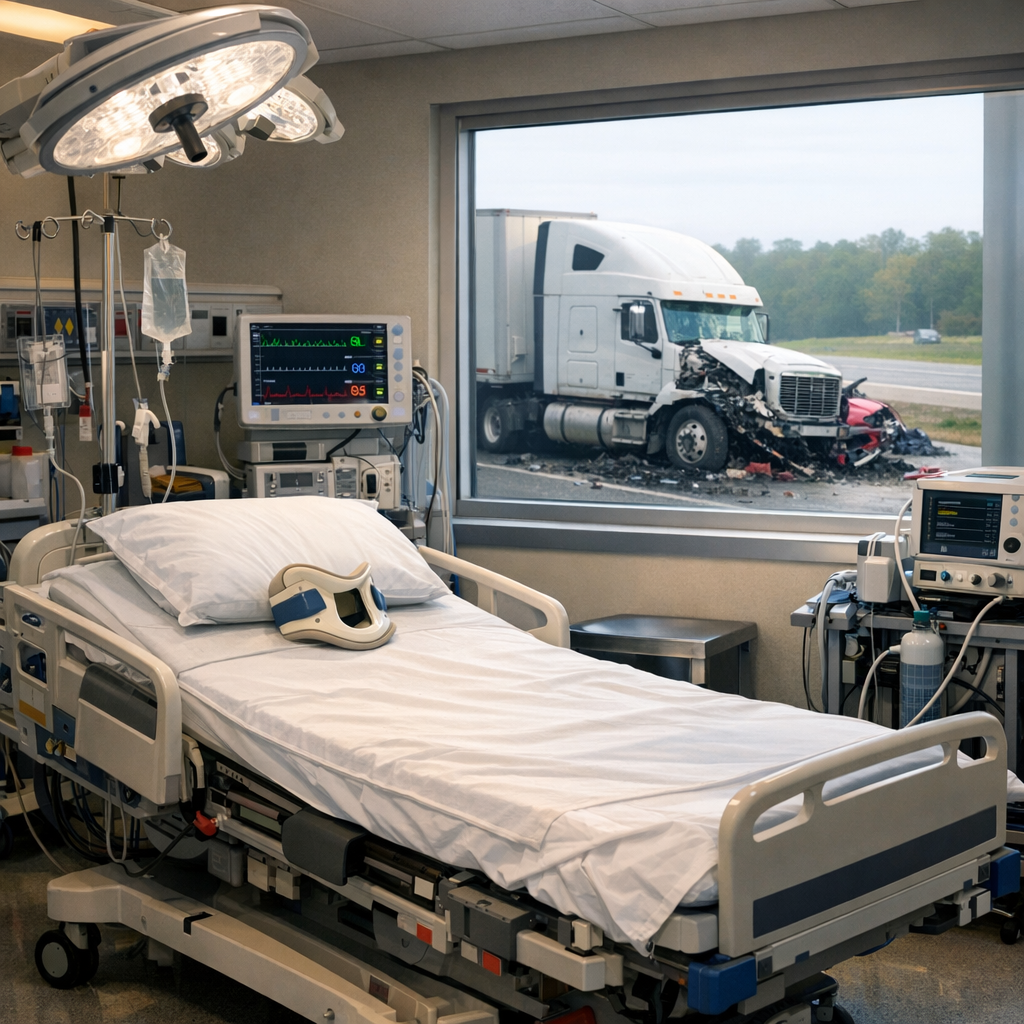
Upon arrival at the hospital, healthcare providers perform an initial evaluation focusing on airway, breathing, and circulation. This rapid assessment helps determine the patient’s immediate needs and whether urgent interventions are necessary. Vital signs such as heart rate, blood pressure, respiratory rate, and oxygen saturation are continuously monitored to detect instability.
Imaging and diagnostic tests
Following the initial evaluation, diagnostic imaging plays a key role in uncovering injuries that cannot be seen externally. X-rays, CT scans, and sometimes MRI are commonly used to evaluate bones, organs, and internal tissues. The results help the medical team understand the extent of injuries and guide further treatment decisions.
Emergency treatments to manage injuries
Based on the assessments and imaging findings, hospital staff may focus on controlling bleeding, stabilizing fractures, securing airways, and addressing any organ damage. Blood transfusions might be necessary if significant bleeding has occurred. Surgical interventions can be urgent in some cases, aiming to repair damage and prevent secondary complications.
Pain management and sedation
Pain control is an important aspect of hospitalization after truck accidents. Depending on the individual’s injuries, treatments may involve medications or other supportive measures to keep the patient comfortable while allowing necessary procedures. In cases involving surgery or procedures, sedation protocols may be applied to ensure patient safety and cooperation.
How recovery can progress after hospital stabilization
Transition from critical care to monitored recovery
Once life-threatening conditions are addressed and vital signs stabilize, patients often move from intensive care units to regular hospital wards. This transition marks a gradual shift toward recovery-focused care, including physical therapy evaluations and further diagnostic monitoring. Medical teams adjust treatments based on ongoing assessments to encourage healing.
Rehabilitation and supportive therapies
Depending on the severity and nature of injuries, rehabilitation services may be introduced early in the hospital stay. Physical therapy, occupational therapy, and respiratory therapy can contribute to improved functional outcomes. These therapies assist with managing pain, restoring mobility, and addressing any neurological impairments that might have resulted from the accident.
Ongoing medical monitoring and follow-up care planning
Even after the initial hospital phase, patients typically require follow-up care to track recovery progress. This may include outpatient visits, additional imaging, or specialized treatments targeting specific injuries. Close medical observation helps identify any complications such as infections, delayed healing, or changes in neurological status that need further attention.
Understanding the overall recovery process after hospital stabilization
Recovery after truck accidents generally unfolds over weeks to months and can vary significantly depending on injury complexity and individual health factors. Early hospital stabilization is one part of a larger continuum of care that includes rehabilitation, lifestyle adjustments, and sometimes long-term management for chronic issues.
It is common for patients to experience phases of improvement interspersed with periods requiring adjustments in therapy or treatment plans. Patience and careful medical supervision contribute to optimizing functional gains over time. The recovery journey may involve regaining strength, improving coordination, and adapting to any long-term effects from the trauma.
In summary, the initial hospital stabilization phase after truck accidents is focused on thorough evaluation and timely management of critical injuries. This stage lays the groundwork for a structured recovery trajectory that includes medical monitoring and rehabilitative support. Understanding the purpose of hospital efforts during this phase can help clarify the overall process involved in recovering from complex trauma resulting from large vehicle accidents.