Inconsistent Speed Control in Big Rig Crashes
In the world of highway transportation, big rigs — also known as semi-trucks or tractor-trailers — play an essential role in moving goods across vast distances. These massive vehicles operate under conditions that demand precise control, especially regarding speed. The issue of inconsistent speed control in big rig crashes has garnered attention due to its implications for road safety and accident dynamics.
Understanding Speed Control Systems in Big Rigs
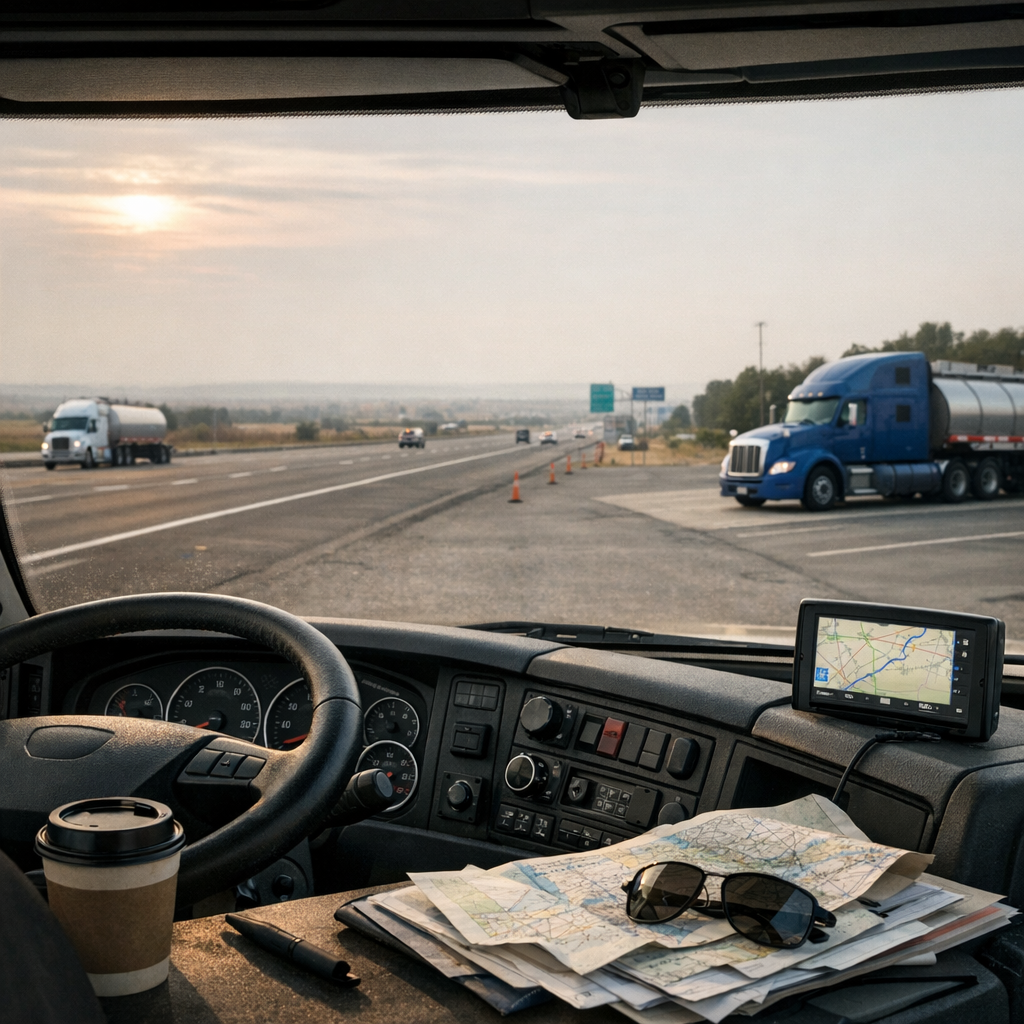
Speed control in big rigs involves a combination of mechanical, electronic, and human factors. Modern commercial trucks are equipped with advanced technologies designed to regulate velocity, such as cruise control and electronic braking systems. These components are meant to maintain a steady speed, minimize driver fatigue, and conform to speed restrictions. However, the sheer size and weight of these vehicles complicate speed regulation, making consistent control a challenge.
Mechanical and Electronic Components
Cruise control in big rigs functions similarly to that in passenger cars but often incorporates more robust mechanisms due to the truck’s weight and cargo. Electronic controls assist drivers by modulating throttle and engine output. Additionally, engine brakes, or Jake brakes, help maintain speed on downhill grades. Yet, variability in terrain, road conditions, and mechanical wear can contribute to fluctuations in how these systems perform.
Driver Interaction and Manual Adjustments
Despite technological aids, drivers retain significant responsibility for managing speed. Changes in traffic, weather, or load weight require manual input. In some instances, drivers might disengage speed regulation systems to gain better control, especially under challenging driving scenarios. This interaction means inconsistent speed control can stem not only from system limitations but also from human decision-making.
The Mechanism Behind Inconsistent Speed Control
The phenomenon of inconsistent speed control occurs when a big rig’s velocity varies unexpectedly or erratically, contrary to intended control measures. Several factors contribute to this inconsistency, including equipment malfunctions, environmental conditions, and operational challenges.
Equipment Limitations and Failures
One primary cause arises from the limitations inherent in speed control systems. Mechanical components may suffer from wear, calibration errors, or defects, impairing their ability to sustain set speeds. Electronic controls can face glitches or sensor failures that disrupt feedback loops necessary for stable speed maintenance. Furthermore, communication between subsystems may falter, leading to unpredictable acceleration or deceleration.
Environmental and Load Influences
Factors like steep gradients, slippery roads, strong winds, and heavy cargo loads significantly affect speed regulation. Descending steep hills, for example, tests braking systems intensely. If engine brakes or service brakes do not engage consistently, the truck’s speed may fluctuate, sometimes accelerating unintentionally. Similarly, uneven cargo weight distribution can cause instability, prompting speed adjustments to maintain control.
Driver Response Variability
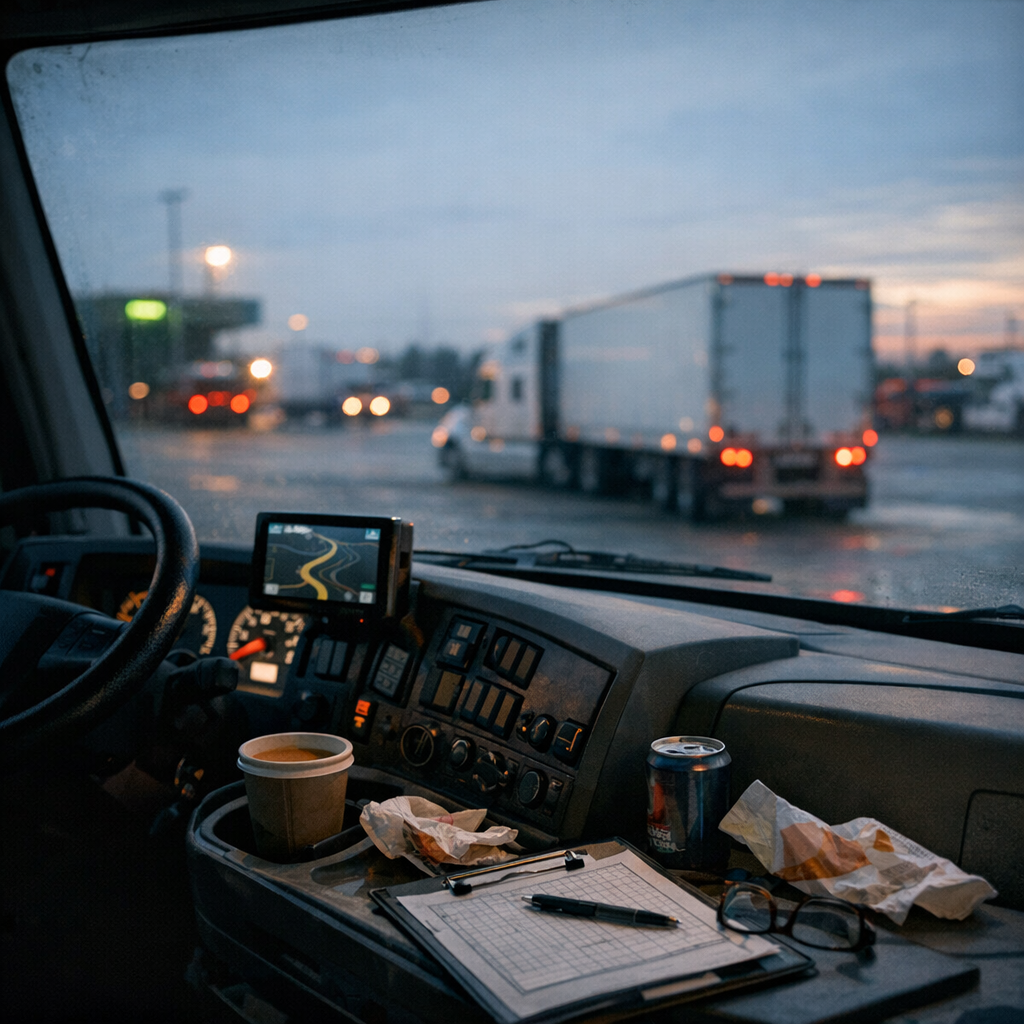
Driver input further adds complexity. In situations where automated systems falter or conditions change rapidly, drivers must compensate manually. Variability in response times, skill levels, and fatigue influences how effectively speed is stabilized. Sudden braking or accelerator adjustments by the driver, combined with mechanical system responses, can generate inconsistent speed patterns.
The Impact of Inconsistent Speed Control on Crash Dynamics
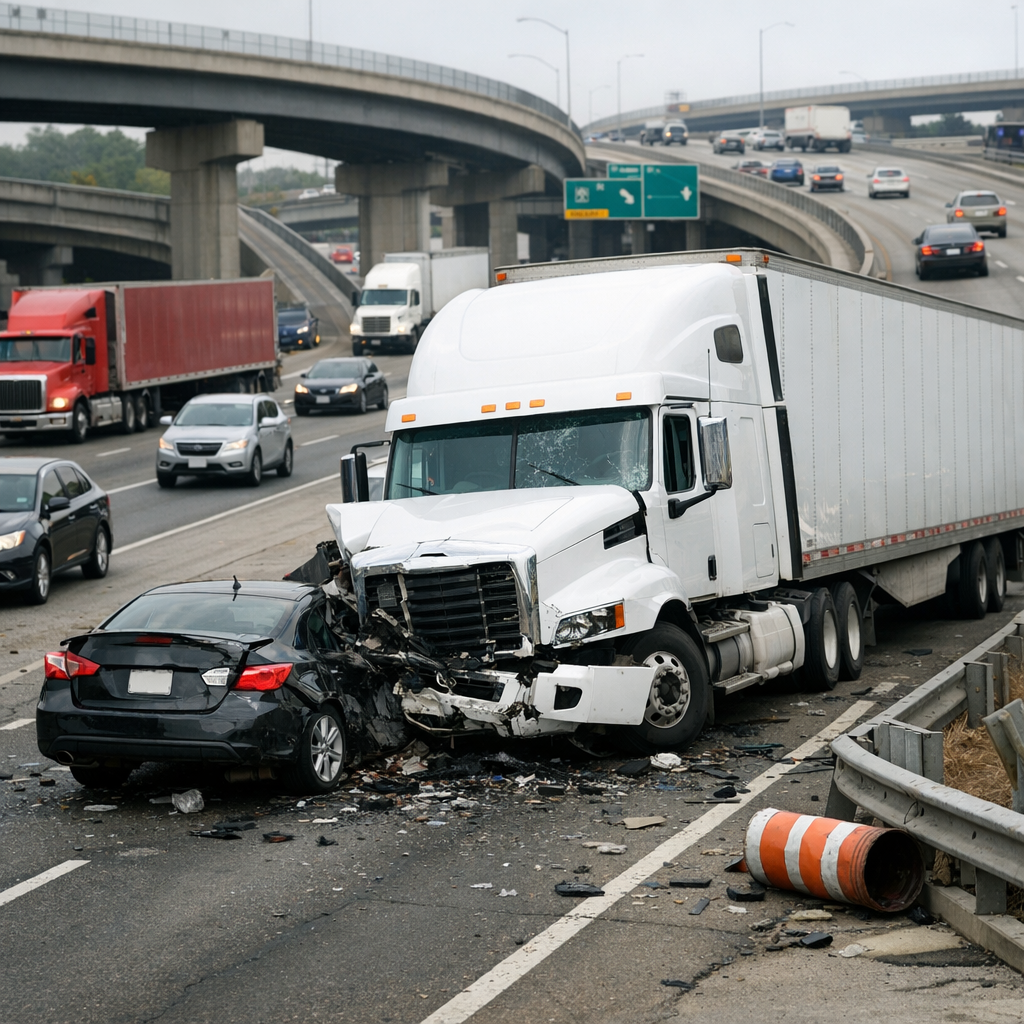
Inconsistent speed control has tangible consequences in the context of big rig accidents. The inability to maintain uniform speeds influences the likelihood and severity of crashes, affecting not only the truck driver but also other road users.
Increased Risk of Loss of Vehicle Control
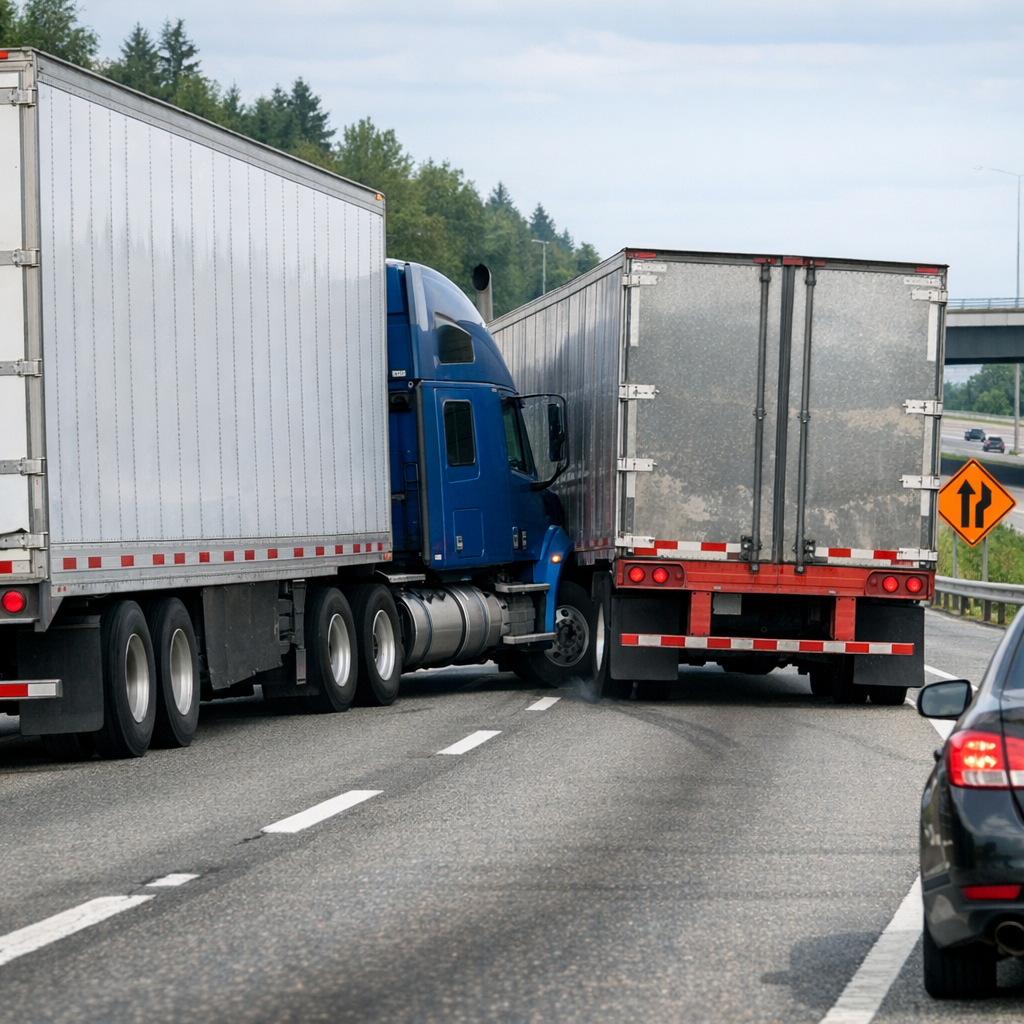
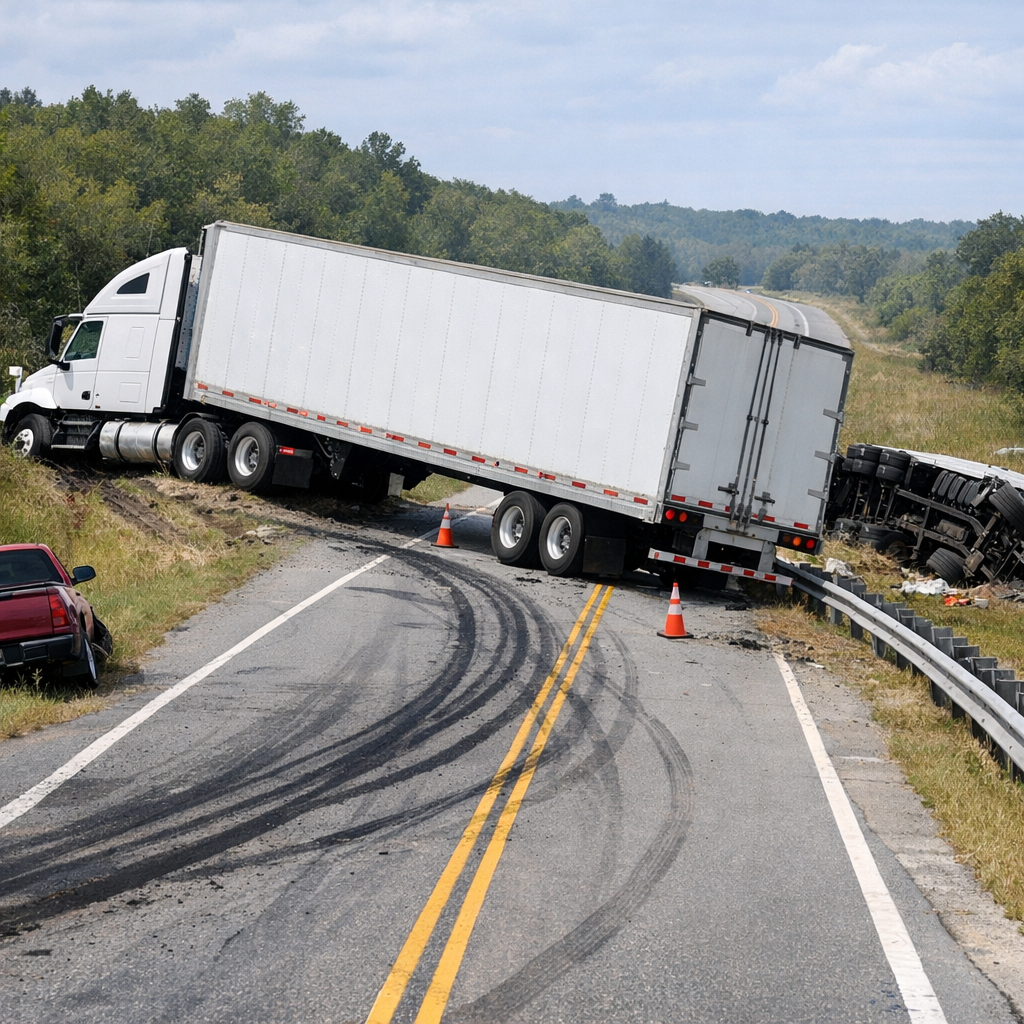
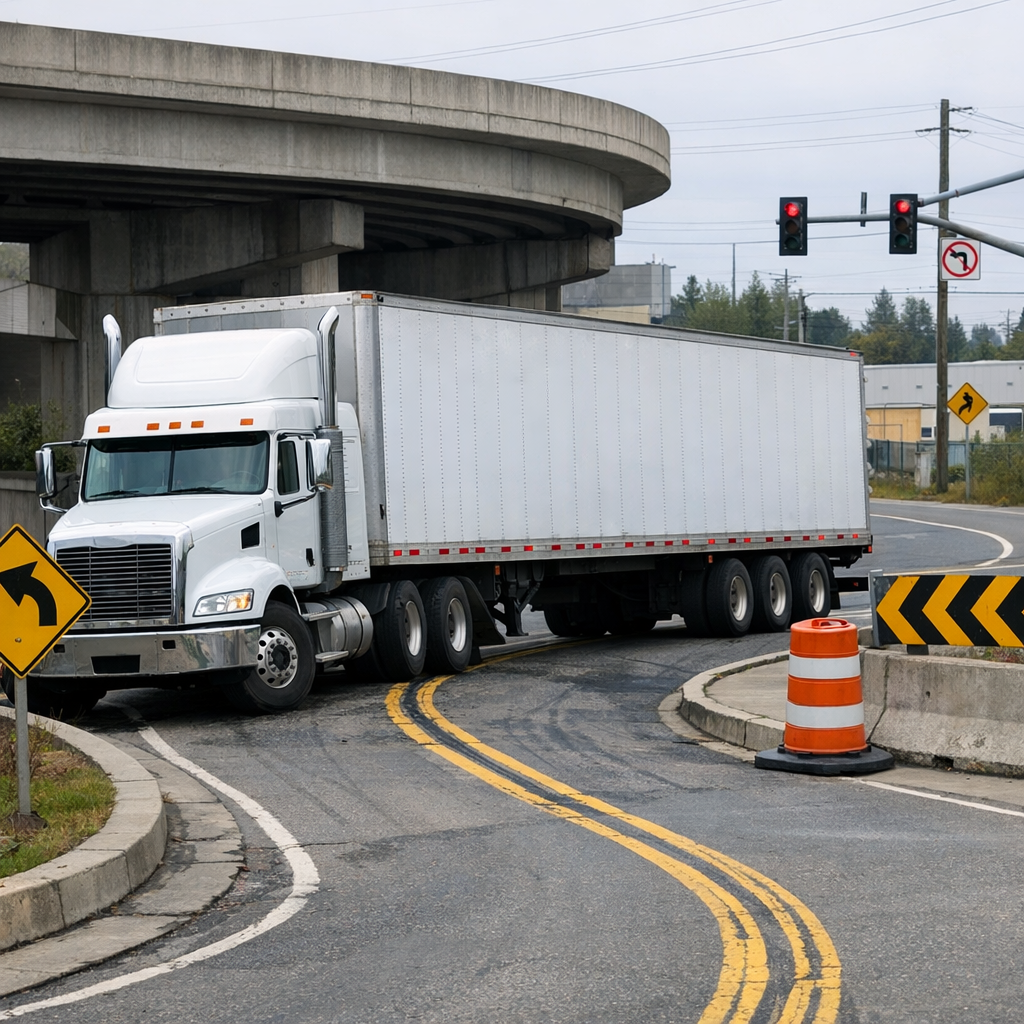
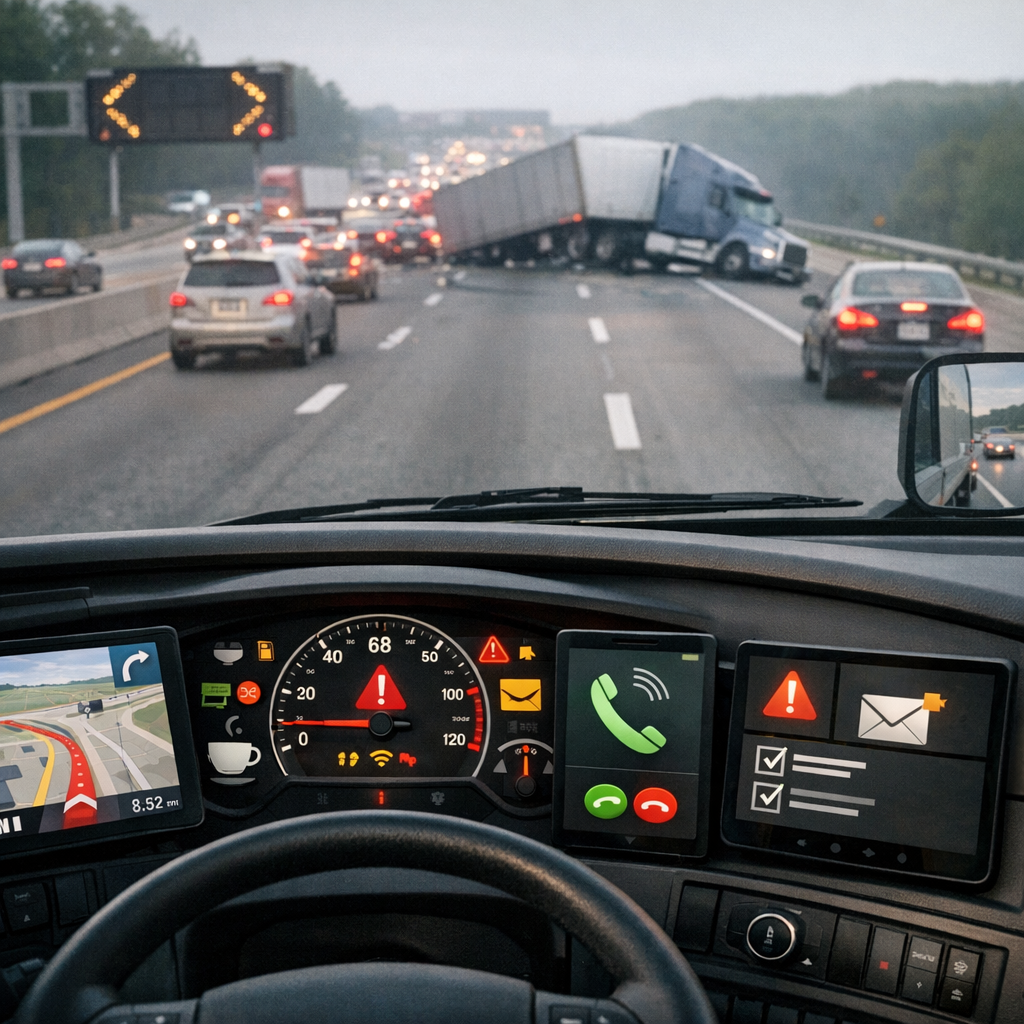
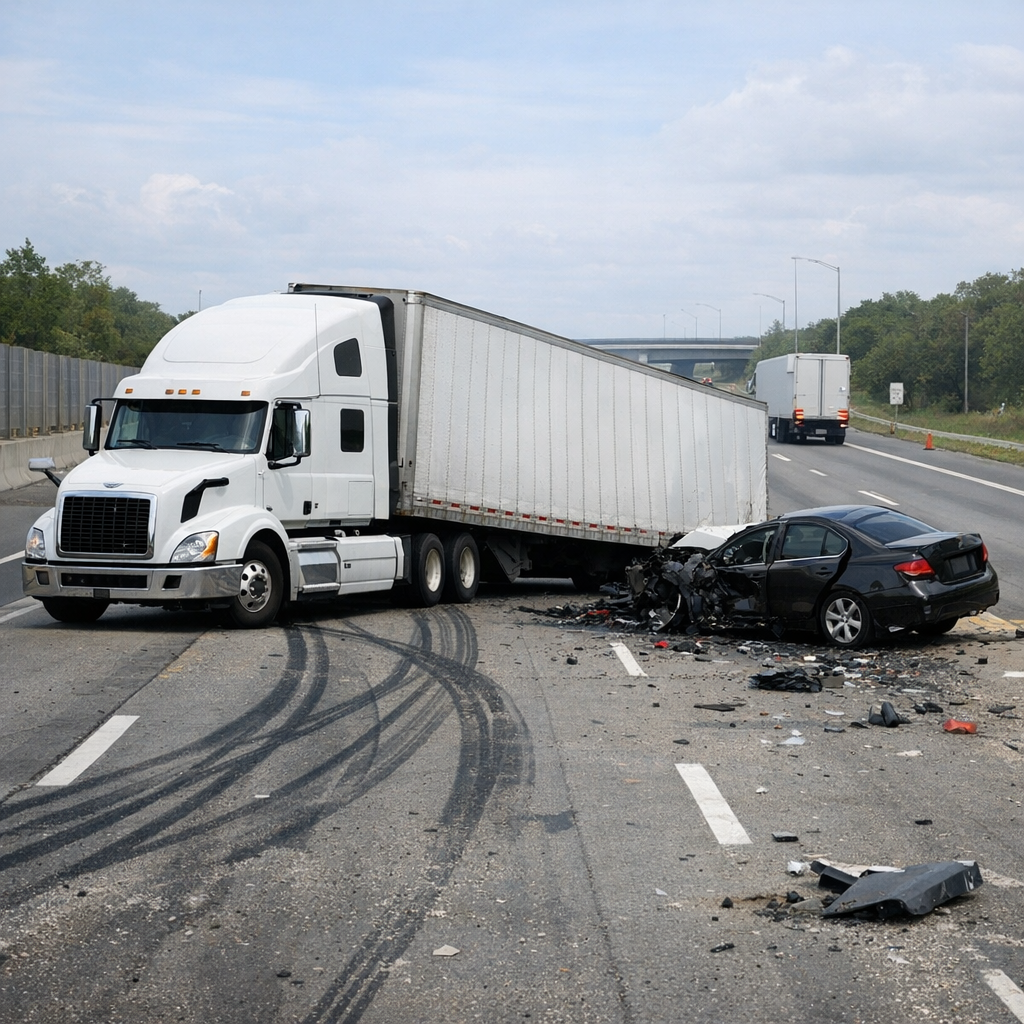
When speed fluctuates unpredictably, the driver risks losing control over the vehicle. Sudden accelerations or decelerations can destabilize the rig, especially during turns or lane changes. This instability increases the probability of rollovers, jackknife incidents, or veering off the road, all of which are common in serious truck crashes.
Compromised Reaction Times and Crash Avoidance
Inconsistent speed can impair a driver’s ability to anticipate and react to surrounding traffic conditions. The variation forces constant adjustments, which may delay responses to hazards. Moreover, other drivers on the road may misjudge the speed or intentions of a big rig operating unpredictably, reducing overall traffic safety margins.
Amplification of Crash Severity
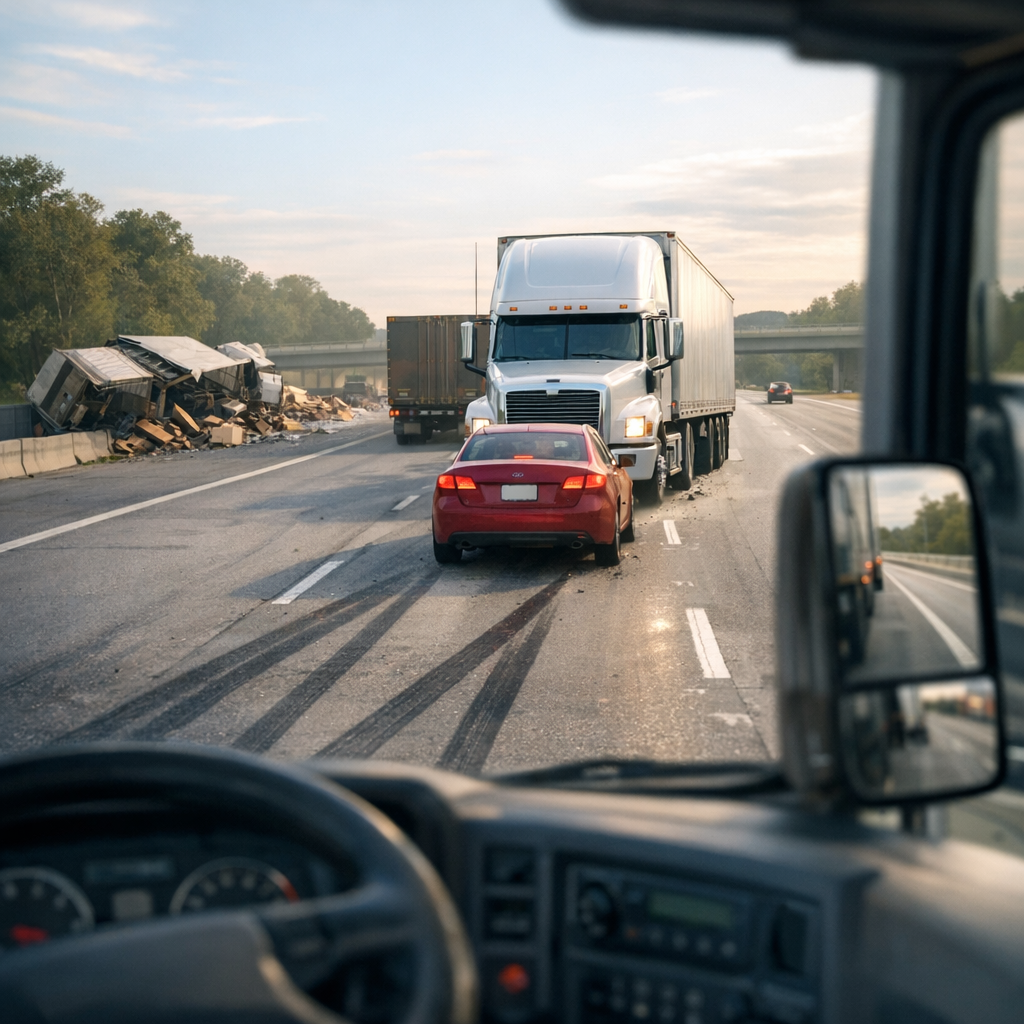
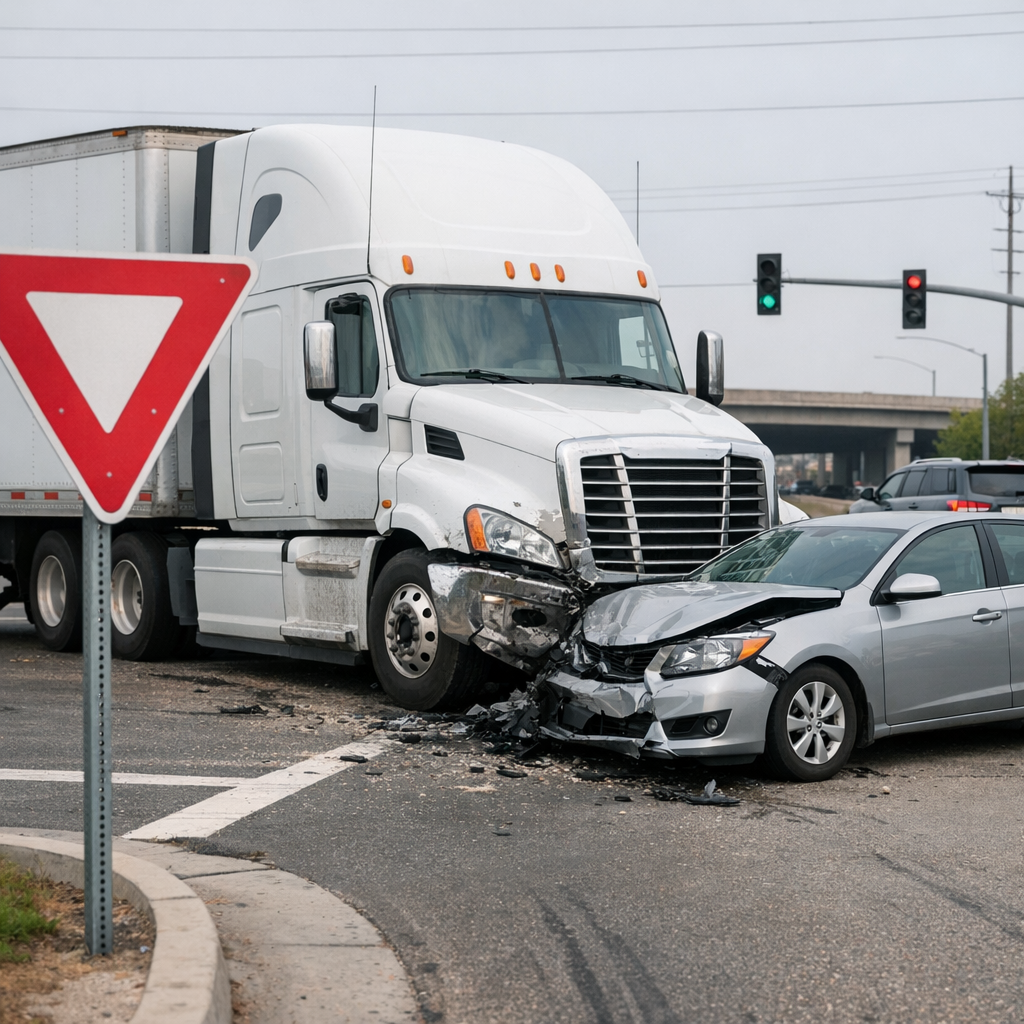
The enormous mass of big rigs means that any mismanagement of speed can amplify the severity of collisions. Erratic speed control can lead to higher impact forces, less controlled vehicle trajectories, and more extensive damage. For instance, failure to slow consistently when approaching congestion or stoplights can result in high-speed rear-end collisions that prove devastating.
Broader Context and Neutral Perspectives
Inconsistent speed control in large commercial trucks is a multifaceted issue that reflects the interplay between human, mechanical, and environmental factors. While technological advancements aim to enhance speed regulation, challenges persist due to the inherent difficulties of managing such massive, heavy vehicles on dynamic roadways.
Ongoing developments in automated vehicle technologies, enhanced sensors, and driver assistance systems hold potential to mitigate inconsistencies. At the same time, understanding these challenges deepens awareness of the complex operational environment for big rigs. It underscores the importance of continued research into the factors influencing speed control and crash causation.
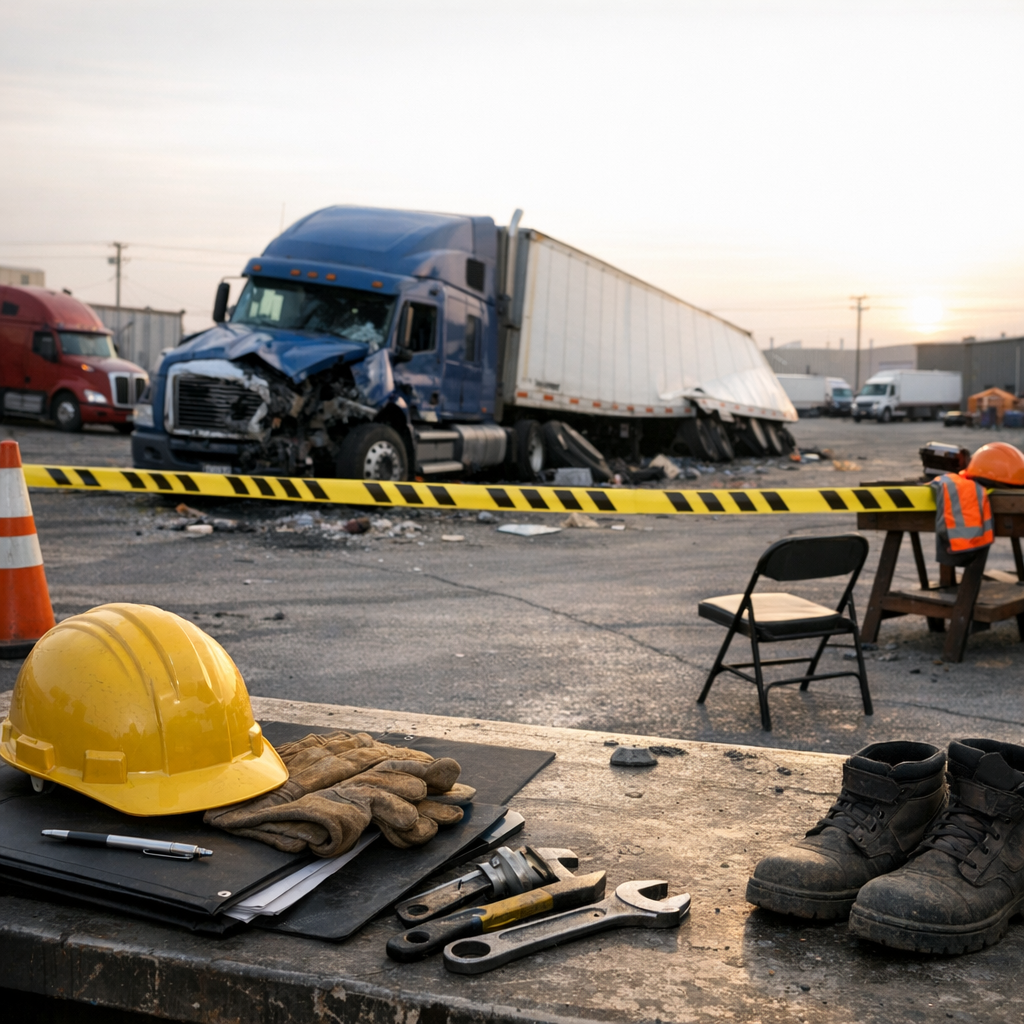
In summary, inconsistent speed control remains a significant element in the examination of big rig crashes. Recognizing how mechanical systems, environmental conditions, and driver input interact provides important context for analyzing accident patterns and vehicle behavior on highways. This understanding contributes to more comprehensive viewpoints about road safety and vehicle operation within the trucking industry.