Driver Adaptation Limits in Heavy Vehicle Operation
Operating heavy vehicles requires a unique set of skills and mental adjustments, as drivers face a range of physical and cognitive demands vastly different from those encountered in passenger vehicles. Understanding driver adaptation limits in heavy vehicle operation is essential to appreciating the complexities of trucking safety and performance. This article explores how adaptation limits influence driver behavior, the mechanisms behind these constraints, their significance in real-world crashes, and the broader implications for heavy vehicle operations.
Systems Influencing Driver Adaptation in Heavy Vehicle Operation
The human driver acts as a critical interface between vehicle and environment. In the context of trucking, adaptation involves adjusting to the distinct size, weight, and operational characteristics of heavy vehicles. Two primary systems underpin driver adaptation: sensory-motor coordination and cognitive processing. Each plays a role in shaping how a driver modifies their behavior over time when operating a truck.
Sensory-Motor Coordination and Adaptation
Sensory-motor coordination is the driver’s ability to process incoming sensory information—visual, vestibular, proprioceptive—and produce coordinated motor responses. In heavy vehicles, this coordination must compensate for factors like increased vehicle length, slower acceleration and braking, and reduced maneuverability. Drivers gradually adjust steering inputs, pedal control, and spatial awareness to accommodate these differences.
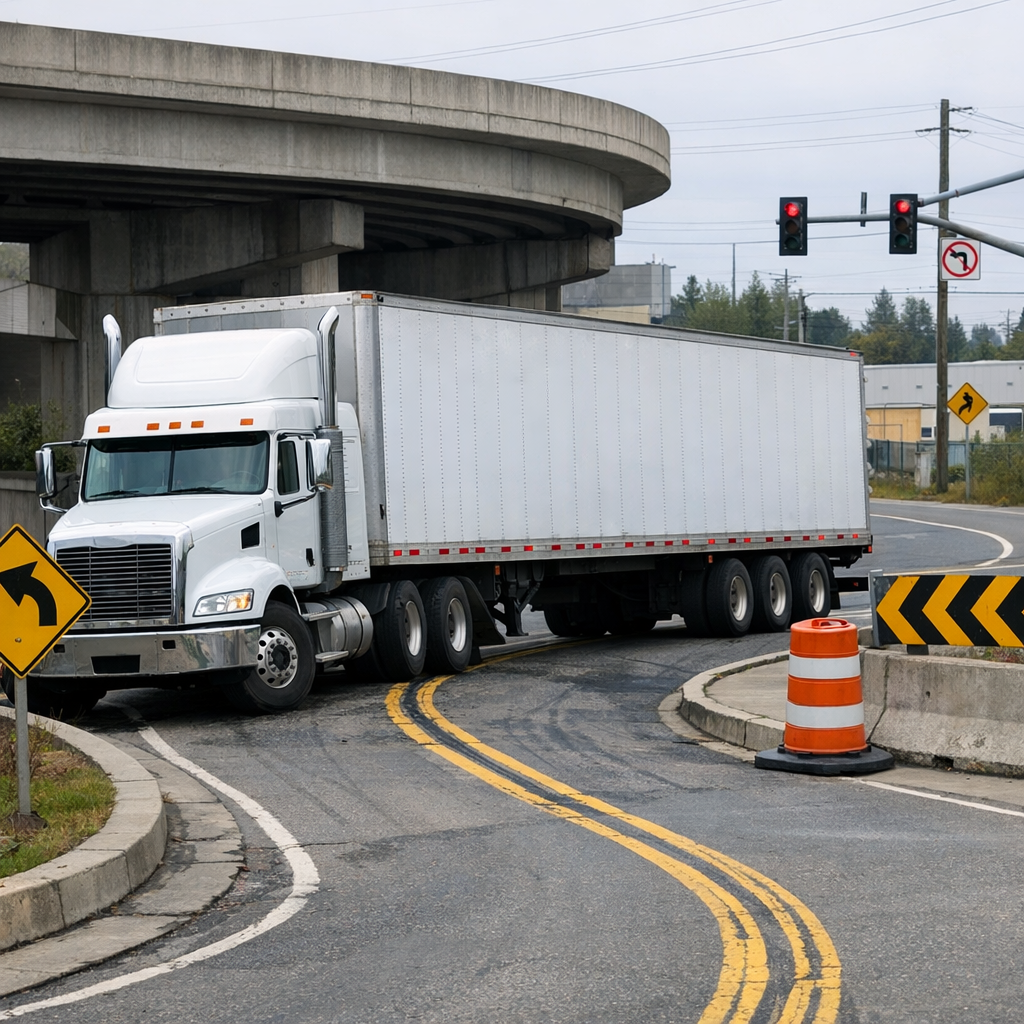
However, sensory adaptation has inherent limits. The physical scale of heavy trucks means that sensory feedback differs substantially from passenger vehicles, sometimes leading to misjudgment in spatial dynamics, such as the turning radius or stopping distance. Over time, drivers develop a “feel” for handling the vehicle, but this adaptation plateaus due to innate human perceptual boundaries and the extreme nature of heavy vehicle dynamics.
Cognitive Processing Constraints
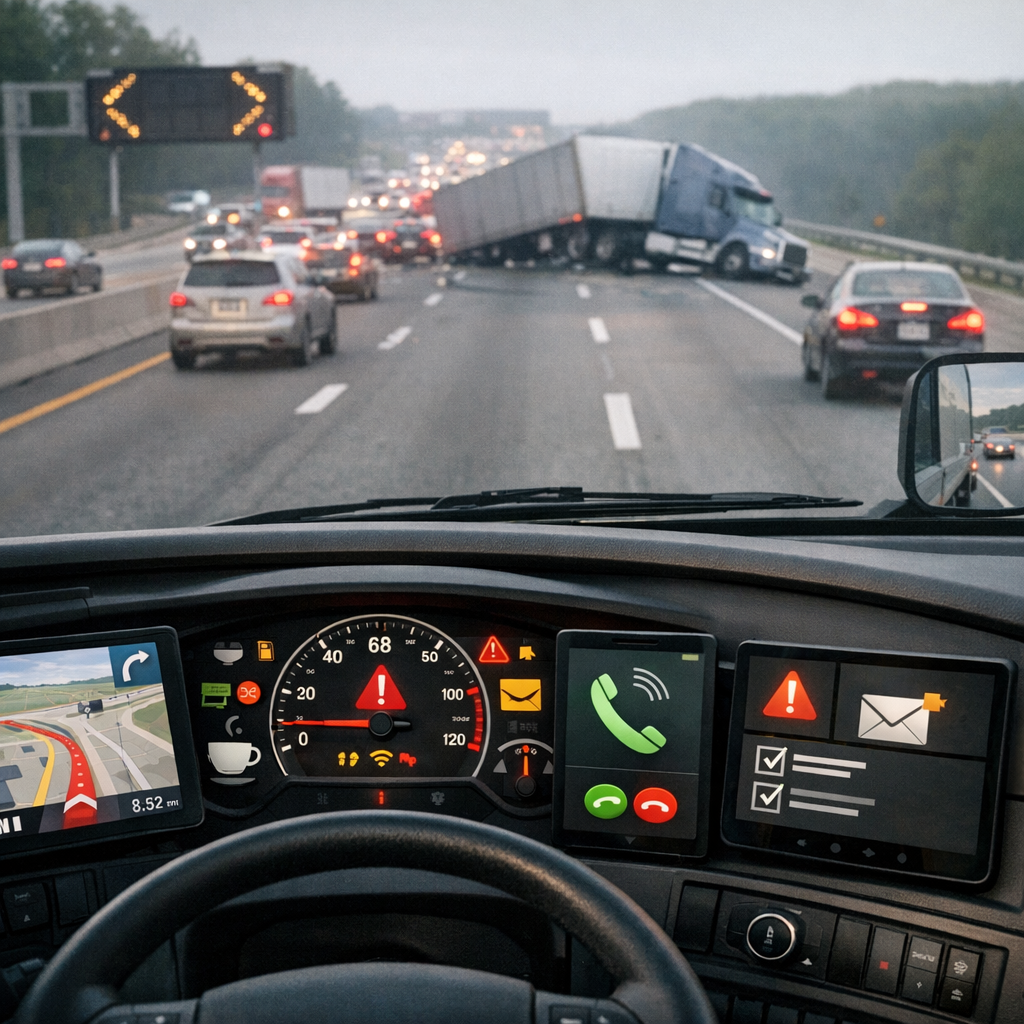
The cognitive system governs decision-making, hazard perception, and situational awareness. Heavy vehicle operation demands higher cognitive load compared to light vehicles because drivers must monitor multiple vehicle systems, anticipate longer vehicle response times, and plan maneuvers with greater lead time.
Adaptation in cognitive processing involves learning to prioritize certain stimuli and develop mental models that predict vehicle behavior under various conditions. Nonetheless, cognitive capacity is limited. Excessive workload, fatigue, or environmental complexity can overwhelm a driver’s ability to adapt effectively. Furthermore, the task adaptation in trucking is often gradual; abrupt changes or novel challenges can exceed the driver’s capacity to recalibrate quickly.
Causes Behind Adaptation Limits in Trucking
Adaptation limits arise from a combination of physiological, psychological, and environmental factors intrinsic to heavy vehicle operation. The interplay between these elements determines the extent to which a driver can modify their behavior safely and efficiently.
Physiological Factors
The human body’s sensory organs and neural pathways have finite resolution and processing speed. When driving large trucks, the discrepancy between expected and actual vehicle feedback can create a mismatch in perception. For example, the delay in acceleration or braking response means that drivers cannot rely on instinctive reflexes honed in smaller vehicles. This physiological gap sets hard boundaries on adaptation.
Moreover, fatigue and physical strain play significant roles. Long hours behind the wheel, exposure to vibration, and limited movement space can degrade sensory accuracy and cognitive sharpness. These physical stressors shrink the margin within which a driver can adapt safely.
Psychological Elements
Driver adaptation also hinges on learning, experience, and mental resilience. Psychological factors such as overconfidence, complacency, or stress interfere with a driver’s ability to recalibrate behavior after changes in operational conditions.
Adaptation requires conscious awareness of vehicle limitations and the motivation to adjust habits accordingly. When drivers underestimate the demands of a heavy truck or fail to internalize feedback from near-miss incidents, their adaptation is shallow and vulnerable to breakdown under pressure. Cognitive overload or distraction further constrains the mental agility needed for effective adaptation.
Environmental Influences
The operating environment can either facilitate or hinder adaptation. Weather conditions, road infrastructure, traffic density, and visibility directly impact the complexity of driving tasks. Sudden changes in these factors demand rapid re-adaptation, which can exceed the driver’s capacity, especially when combined with environmental hazards.
Infrastructure designed primarily for light vehicles may reduce cues and space for safely managing heavy trucks. Similarly, adverse weather alters vehicle dynamics unpredictably, forcing drivers into unfamiliar control regimes that challenge established adaptive responses.
Why Adaptation Limits Matter in Real-World Crashes
Understanding adaptation limits is crucial for interpreting the causes and circumstances of crashes involving heavy vehicles. Many incidents stem not from reckless driving but from the natural boundaries of human adaptation colliding with demanding vehicle and environmental conditions.
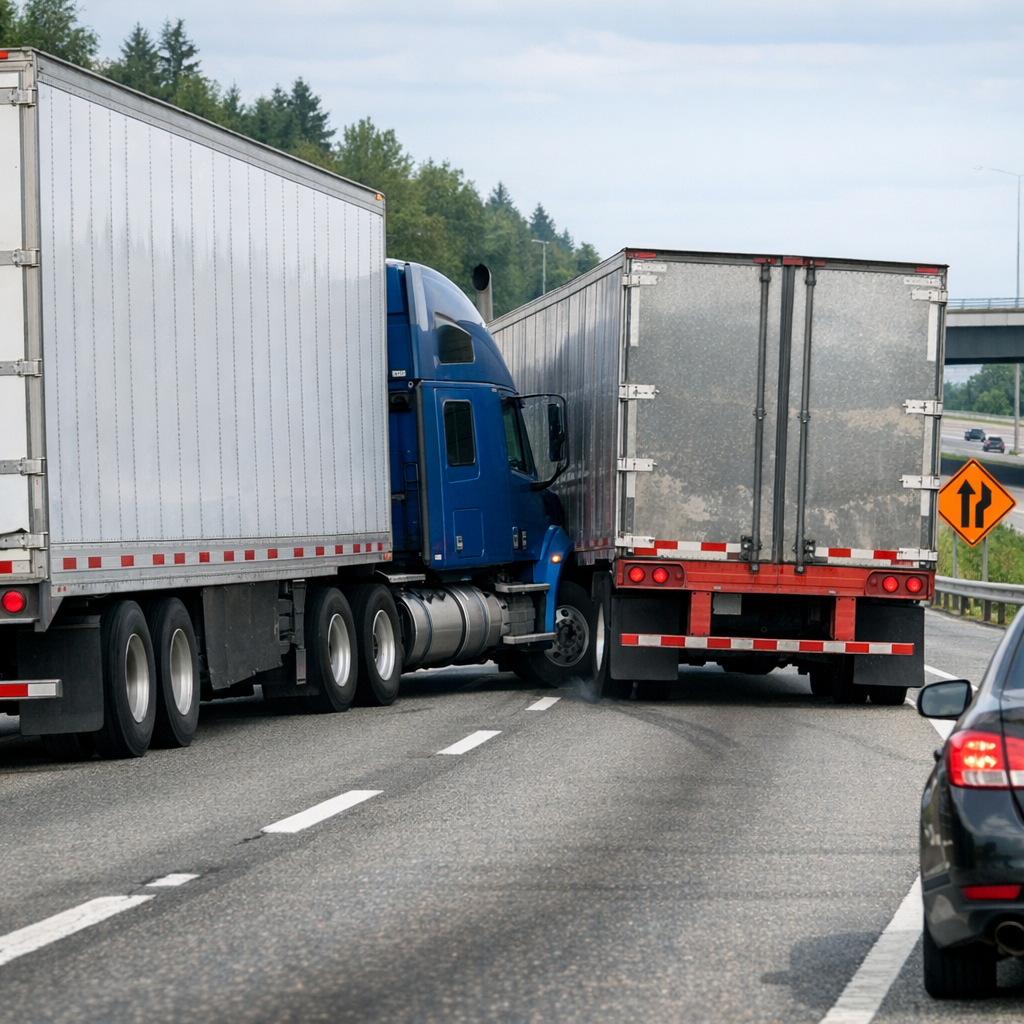
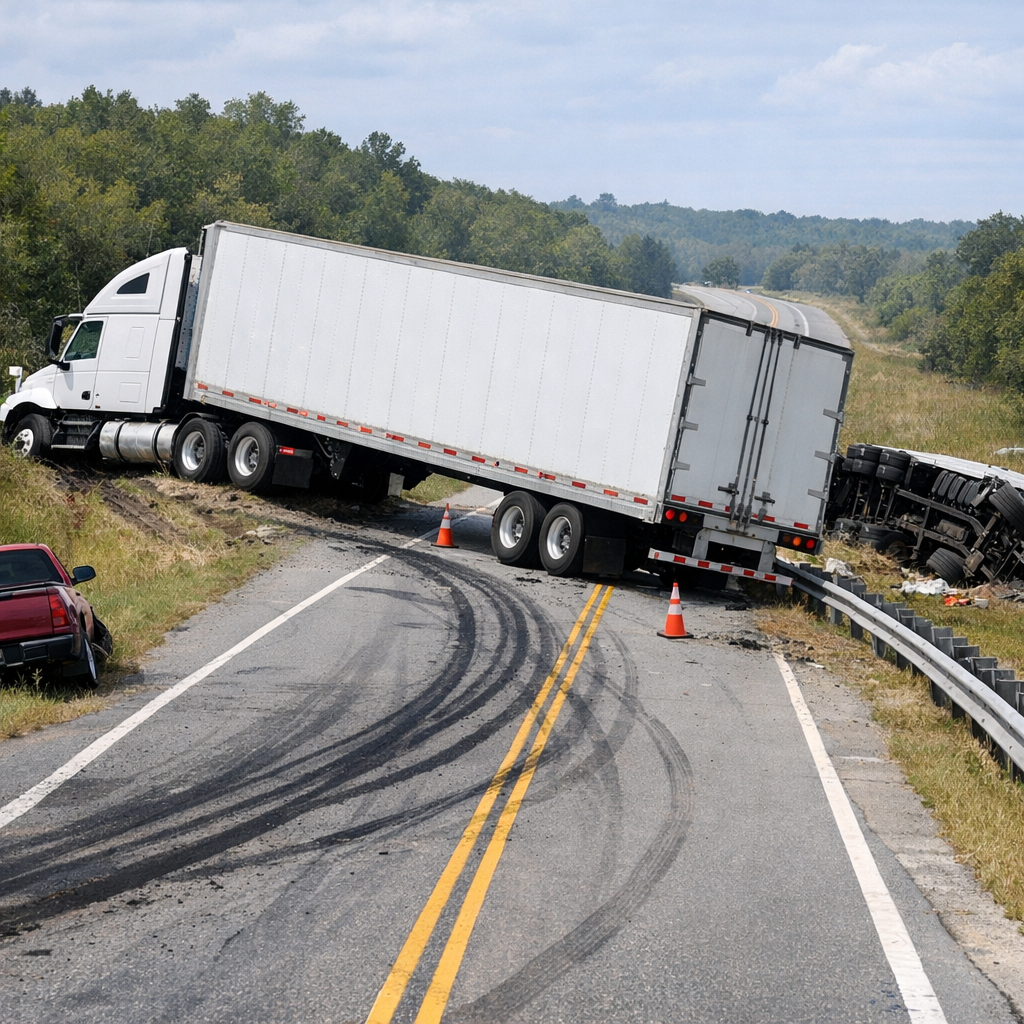
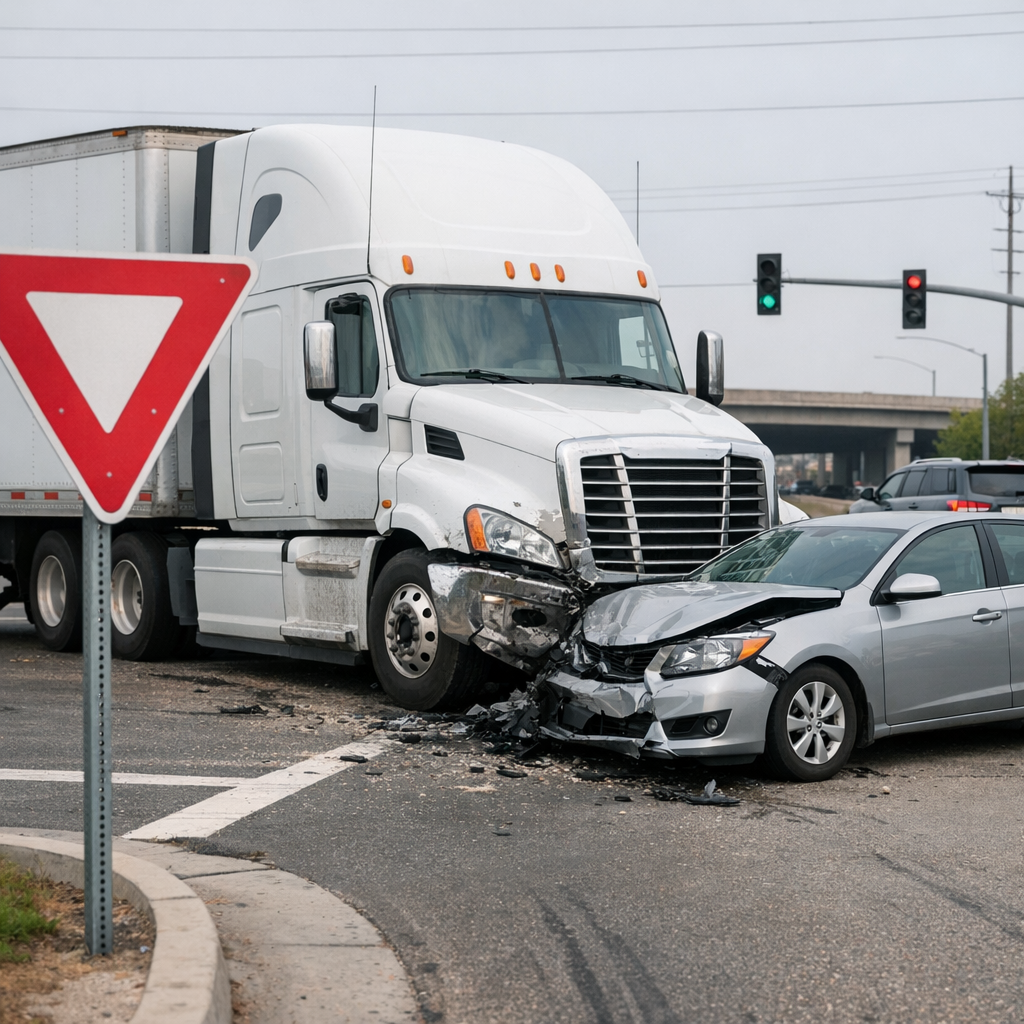
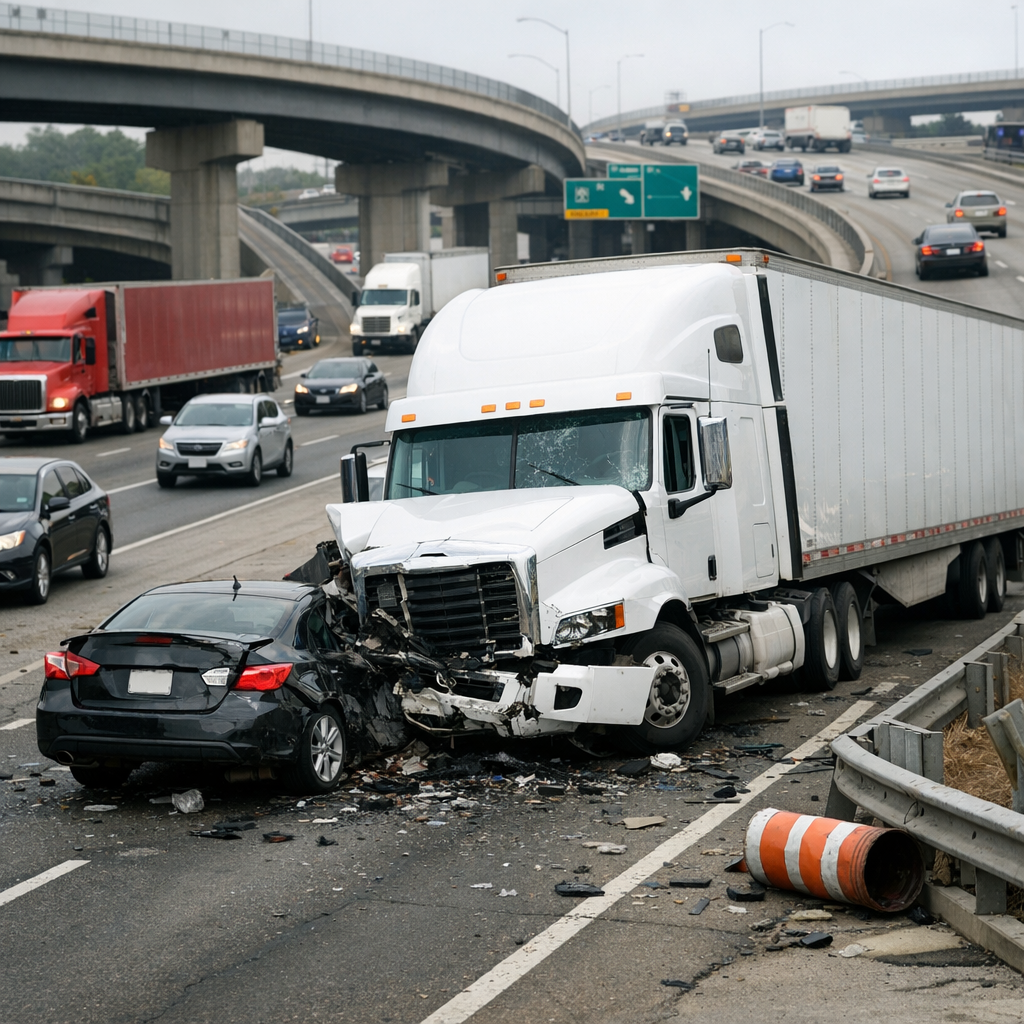
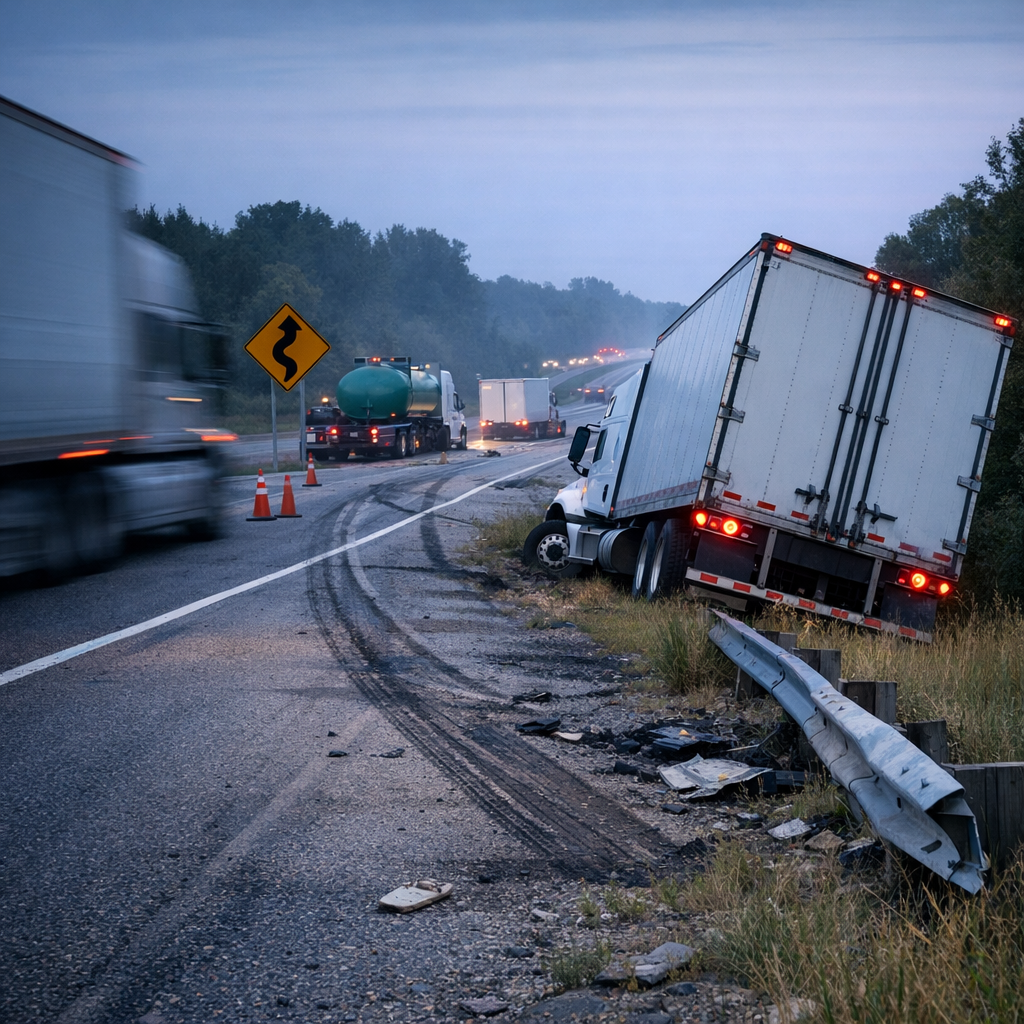
When adaptation limits are exceeded, errors in judgment and control become more likely. For instance, inadequate recalibration to increased stopping distances can result in rear-end collisions. Misjudging spatial constraints in tight maneuvers may lead to jackknifing or rollovers. On highways, failure to anticipate slower acceleration can contribute to hazardous merging or lane changes.
Furthermore, fatigue—an adaptation limiter—is frequently implicated in crash causation. As sensory and cognitive function degrade, drivers struggle to maintain the elevated vigilance required for safe heavy vehicle operation. This underscores the importance of recognizing that adaptation is not infinitely elastic but bounded by human capacity.
Crash analyses reveal patterns where environmental or operational complexity surpass driver adaptation thresholds. Unexpected road conditions, sudden mechanical failures, or split-second changes in traffic flow can trigger responses that fall short of what the heavy truck demands. These scenarios illustrate how even experienced drivers can be overwhelmed.
A Neutral Perspective on Driver Adaptation Limits in Trucking
The concept of driver adaptation limits in heavy vehicle operation sheds light on the intricate relationship between human abilities and machine demands. Adaptation is a dynamic process influenced by physical, cognitive, psychological, and environmental variables, all of which interact to define the boundaries within which safe trucking can occur.
Recognizing these limits provides insight into the inherent challenges faced by drivers in adjusting to the unique characteristics of their vehicles. The constraints are neither static nor solely dependent on driver skill but emerge from complex systemic factors. This understanding informs a realistic view of heavy vehicle operation, emphasizing the interplay of human and vehicle dynamics without placing singular responsibility on the driver.
By exploring adaptation limits, stakeholders in trucking and transportation fields deepen their comprehension of operational risks and performance factors—a foundational element for further studies into vehicle design, training methodologies, and traffic safety strategies.