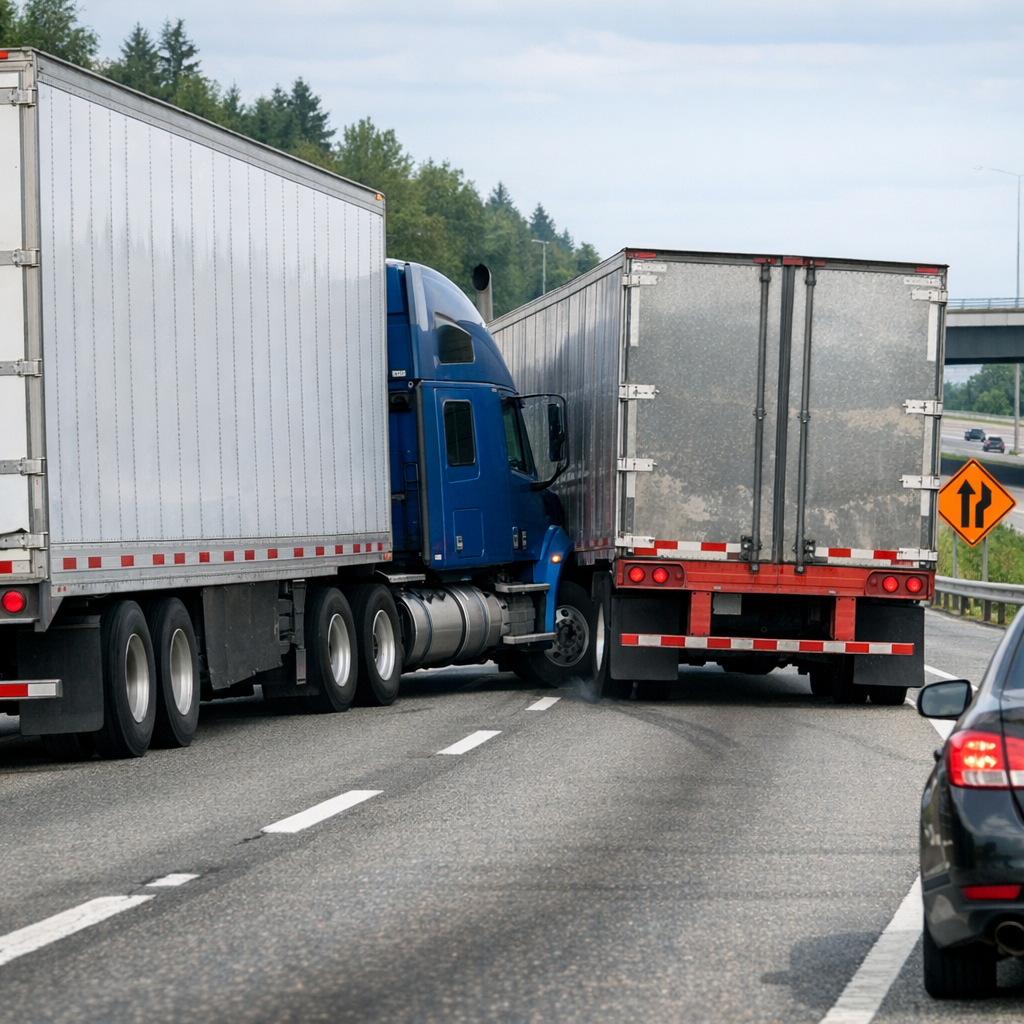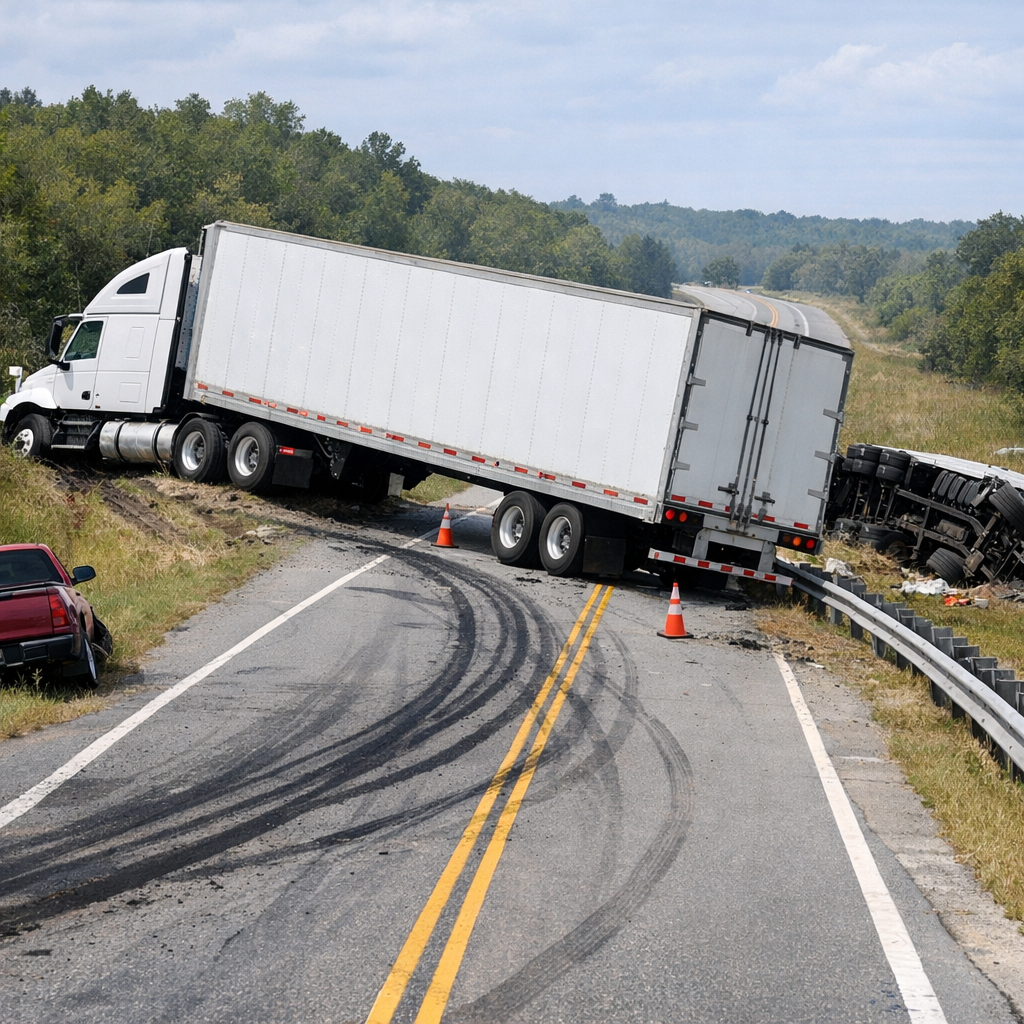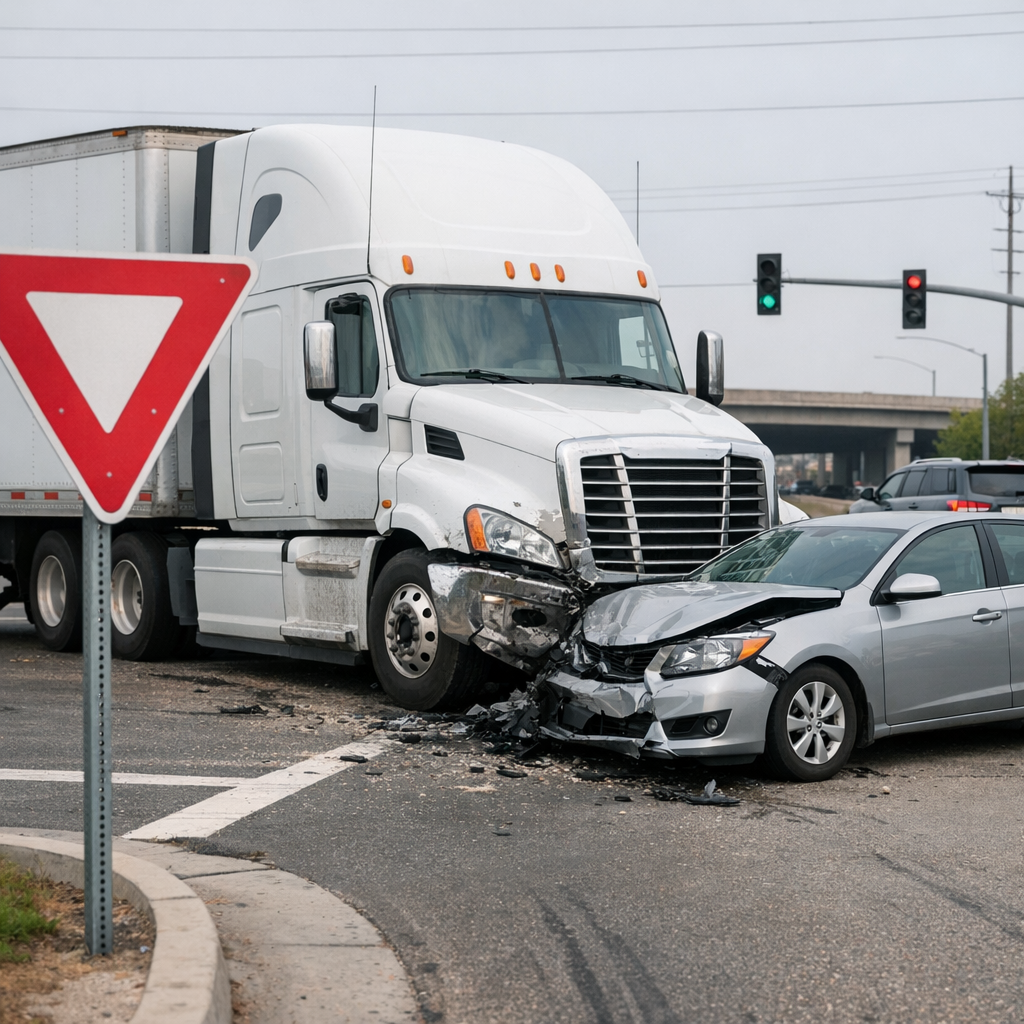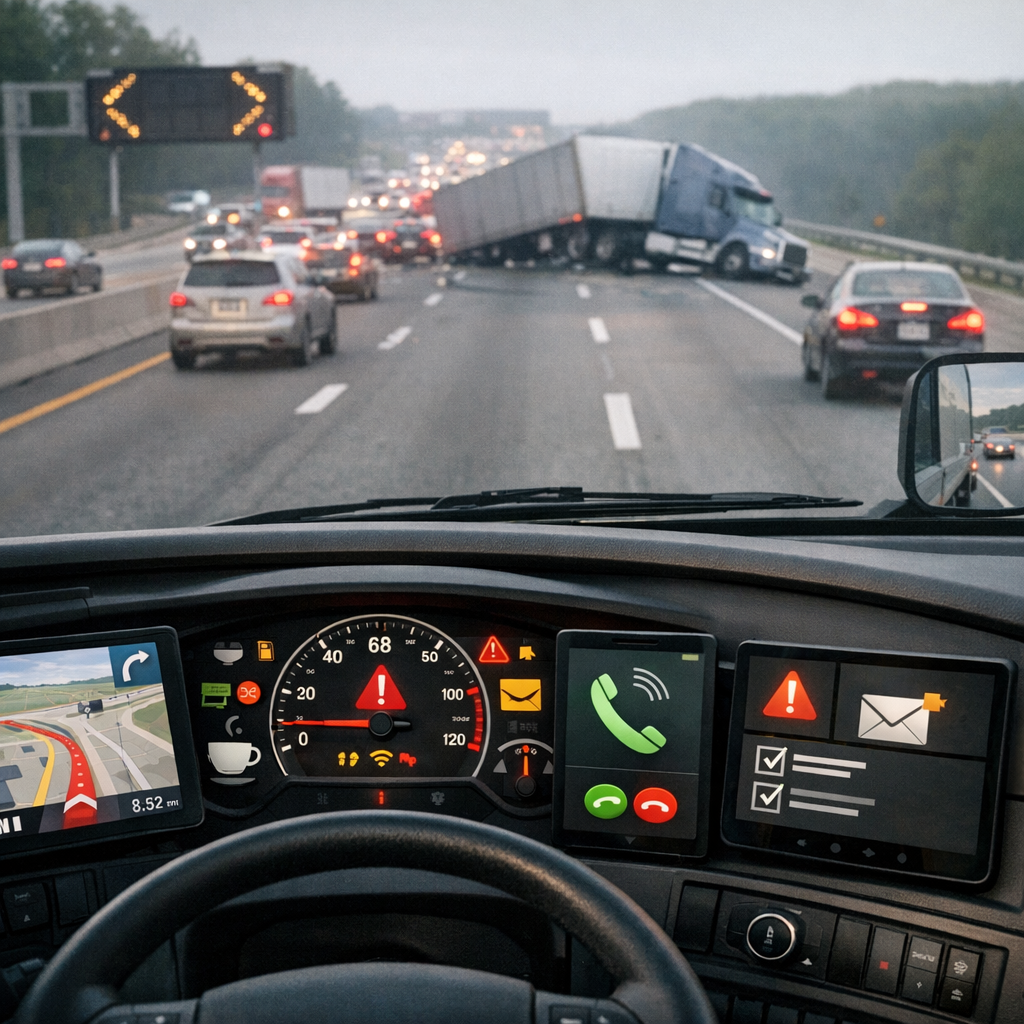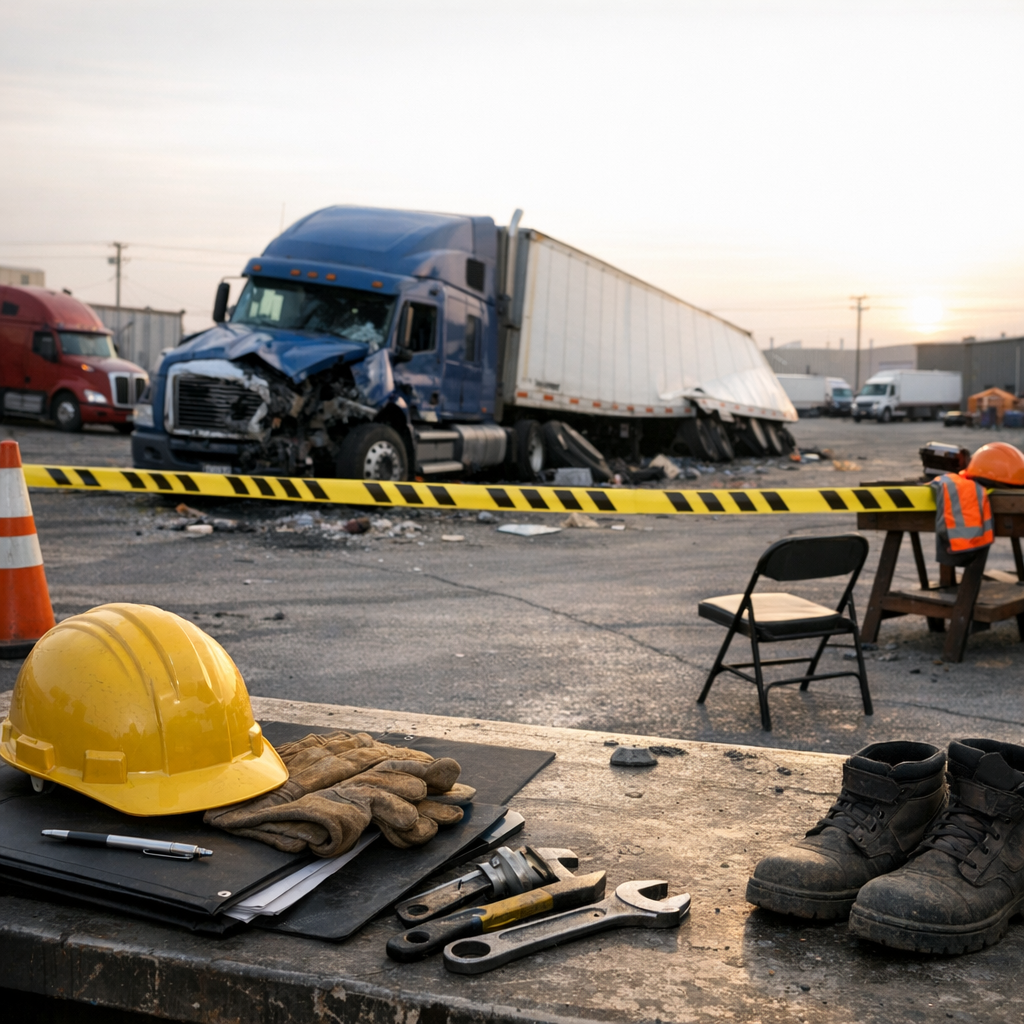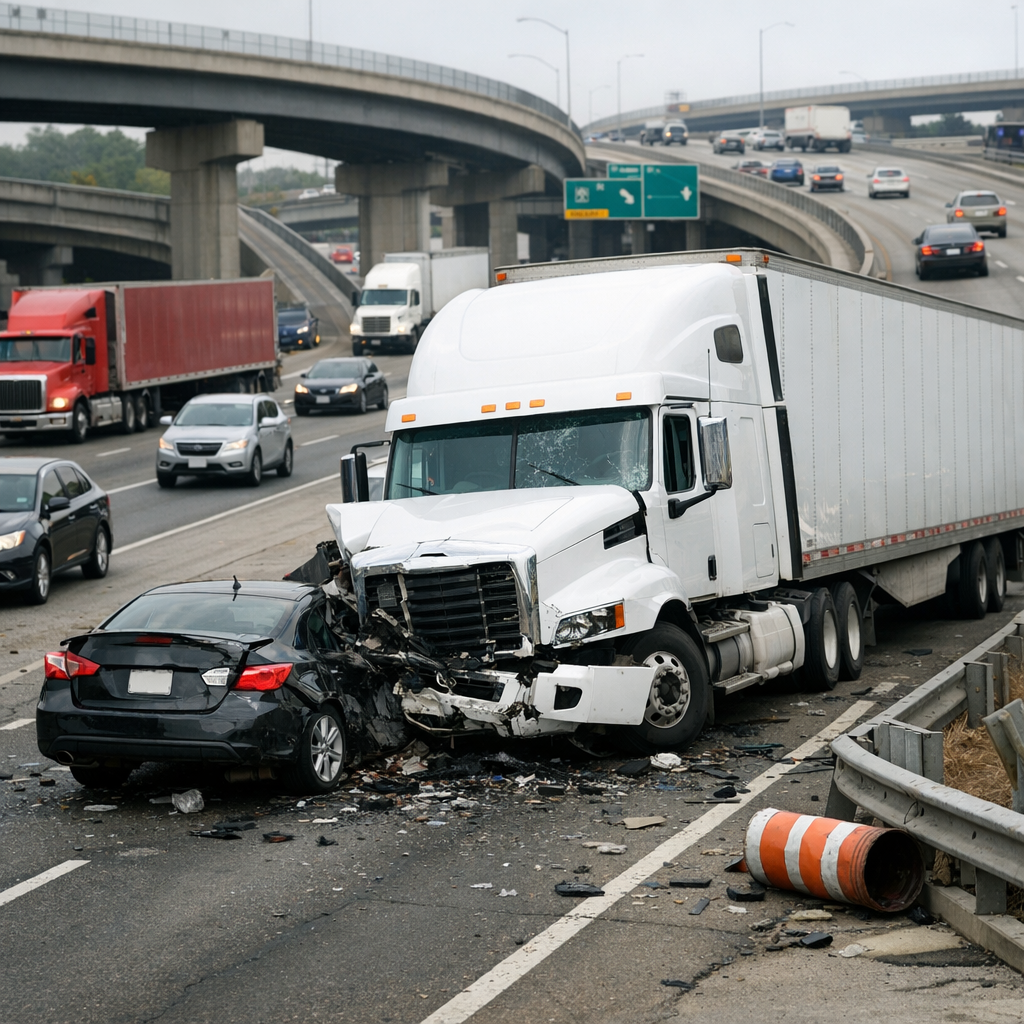
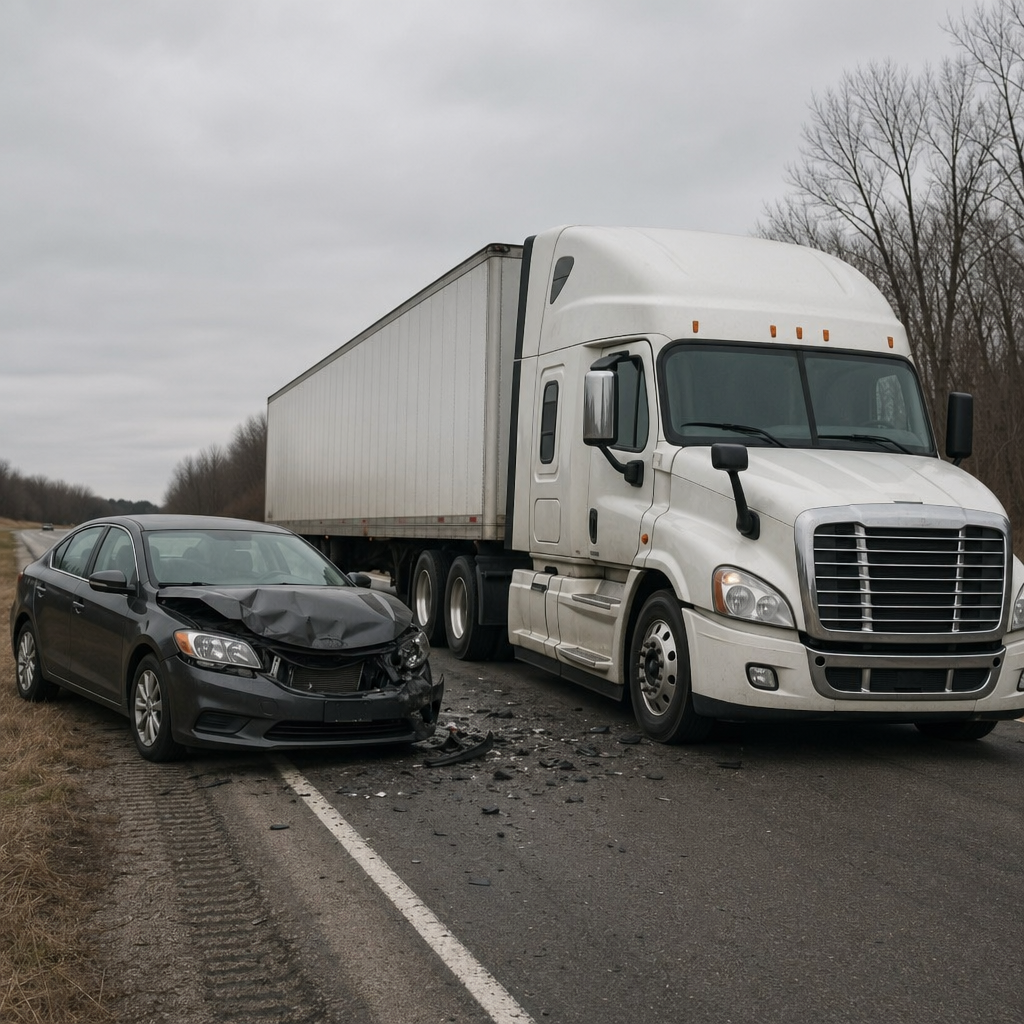
The sound of screeching brakes still echoes for many days after. People often speak of a kind of disbelief sitting in the aftermath, blinking at a scene full of shattered glass and dented steel. Time moves strangely as first responders rush in and questions pile up, each one searching for some sense in the chaos.
Immediate Aftermath
Emergency lights cast strange glows on the mangled vehicles. Drivers and passengers may find themselves surrounded by unfamiliar faces asking urgent questions about pain, injuries, and what happened just seconds before. There’s a sudden adjustment from routine commute to a situation where every moment feels both slow and surreal.
Some people cope with shock by moving automatically while others freeze, unsure how to react. Even standing up and stepping away from the wreck can bring sharp pain or heavy dizziness. The realization that a large truck was involved creates a different atmosphere—tense, oddly silent even with the noise.
Interactions and Questions
Conversations with police officers, paramedics, and others at the scene become a blur. Memories can turn patchy, so it becomes challenging to recall the sequence of events or answer questions clearly. The sound of medical equipment, the shuffle of shoes on asphalt, and the hum from emergency radios blend together.
Phone calls begin almost immediately. Family members, friends, insurance representatives—each one seeks updates, causing repeated retellings of the incident. Some people experience confusion as they try to organize details or find words for experiences that feel both immediate and distant.
Medical Experiences
Hospital stays can range from a few hours to long stretches where days lose meaning under fluorescent lights. Time passes with beeping monitors, quick visits from nurses, and the low murmur of other patients behind curtains. Even when injuries do not seem severe at first, pain may intensify later, surprising people who walked away from the scene.
Medical staff often focus on stabilization, so it’s common for those injured to find themselves moving from X-rays to physical exams to occasional long waits. The uncertainty around test results can weigh heavily, with people watching the movements of staff as much as the ticking clock.
Emotional and Practical Impacts
Sleepless nights follow in the wake of such a collision. Drivers and passengers sometimes relive the accident on a loop—moments replaying with grim detail. Daily routines shift around doctor visits, calls, and the necessary arrangements to address damaged vehicles or lost belongings.
The psychological weight endures long after bruises begin to heal. Interactions with others may take on a distant quality. Some people instinctively avoid driving or riding near large vehicles for some time, finding the memory harder to keep at a safe distance than the trucks themselves.
This page is for general informational purposes only. It does not provide legal advice or direction of any kind.